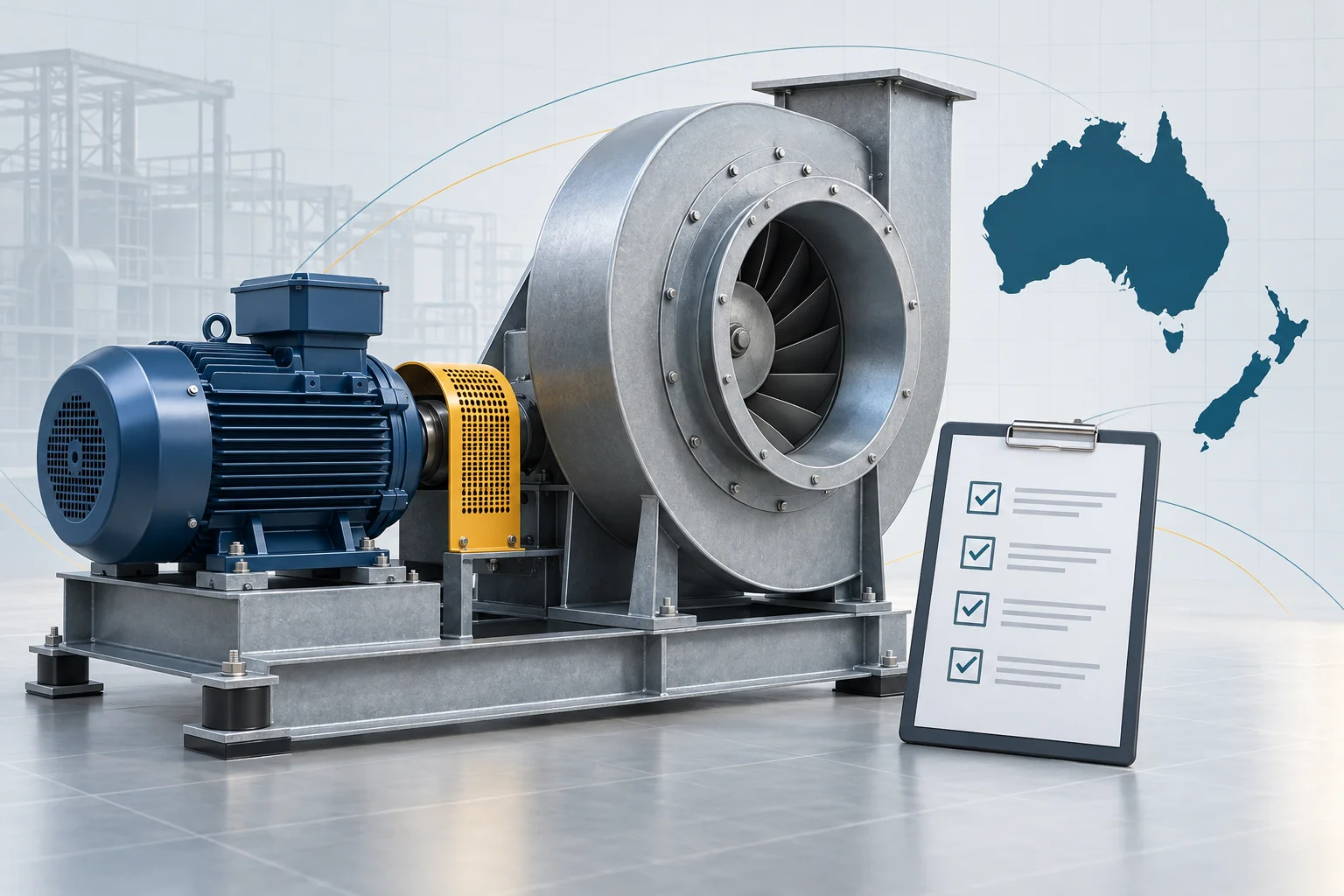
A “high-temperature fan” is not defined by a single wheel material or by one number on a product card. The question for an engineer is whether the complete, exact fan construction remains within its limits through cold start, hot operation, changes in gas composition, and shutdown. A standard fan and a hot-gas candidate can be compared only after the temperature and time profile is stated on the same basis.
Practical answer: define the gas and duty first, then check the wheel, casing, shaft, bearings, seals, motor, and drive at their own local temperatures. Ask for the exact model suffix and the assembly evidence behind each limit. A family photograph or outline drawing identifies a candidate; it is not a measured thermal rating.
Start with a temperature-time duty, not a material table
Specify whether the gas is continuously hot, briefly hot, or cycling between temperatures. State the highest expected temperature, its duration, normal operating range, startup condition, and credible upset. Name the gas constituents, moisture, particles, deposits, and cleaning regime. A furnace exhaust and a smoke-control duty can both involve heat, but they do not share an automatic approval route.
The old article listed generic continuous limits for polypropylene, nylon, aluminium, steel, and stainless steel. Those values cannot release a rotating wheel. Exact grade, product form, heat treatment, welds, speed, geometry, gas chemistry, and time at temperature all matter. Elevated-temperature strength, creep, corrosion and thermal fatigue may govern long before melting. Compare each proposed wheel using the maker’s construction and permissible speed for the stated duty rather than choosing from a universal material threshold.
Where does the heat actually go?
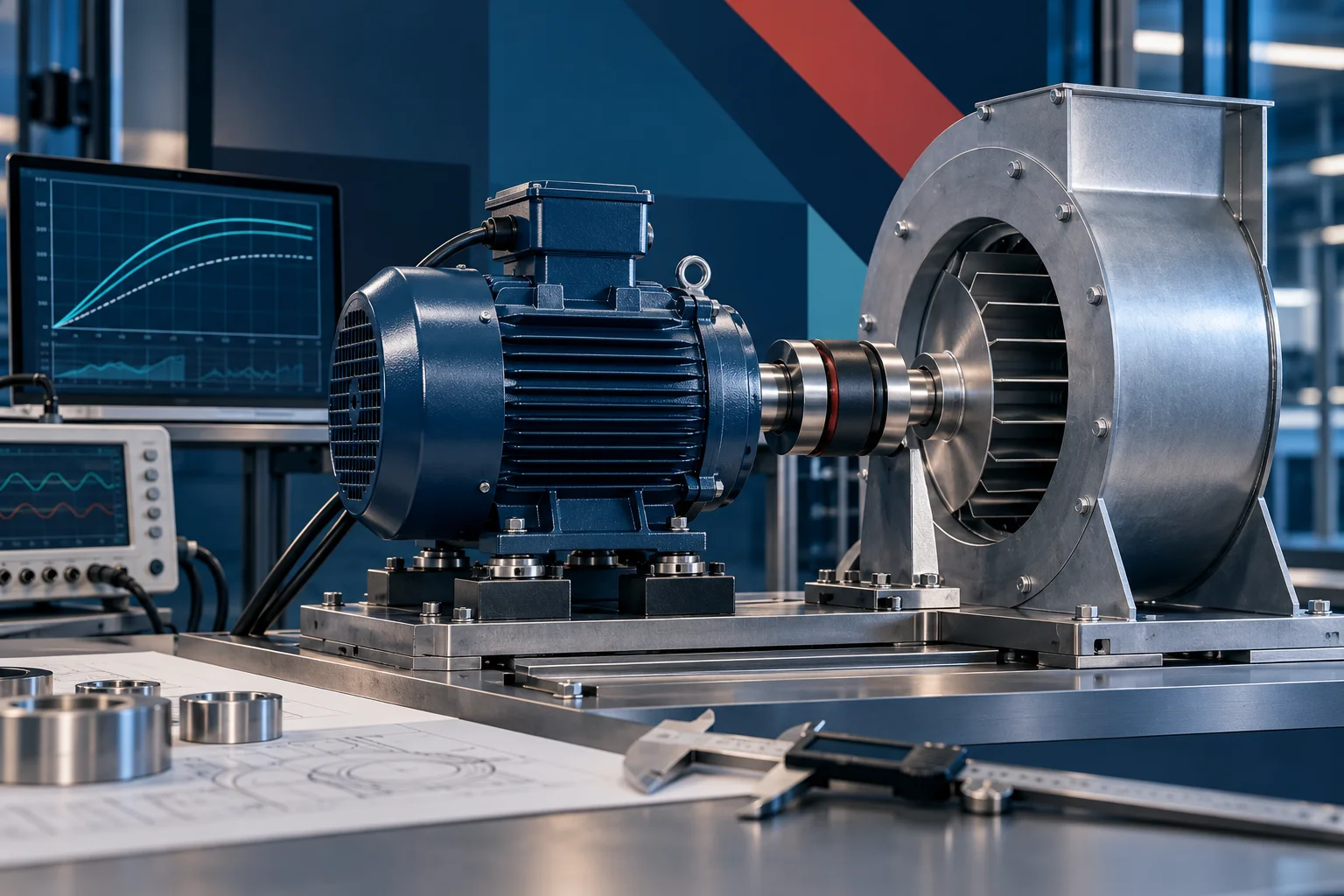
The gas-stream temperature is only one measurement. The wheel and casing see heat through convection and radiation; the shaft can conduct it toward the bearings. The bearing housing and lubricant have their own limits. The motor or drive may sit outside the flow but still operate in a hot local ambient. Insulation, purge air, cooling vanes, guards, and enclosure layout change those local conditions. A single probe in the duct cannot qualify all five zones.
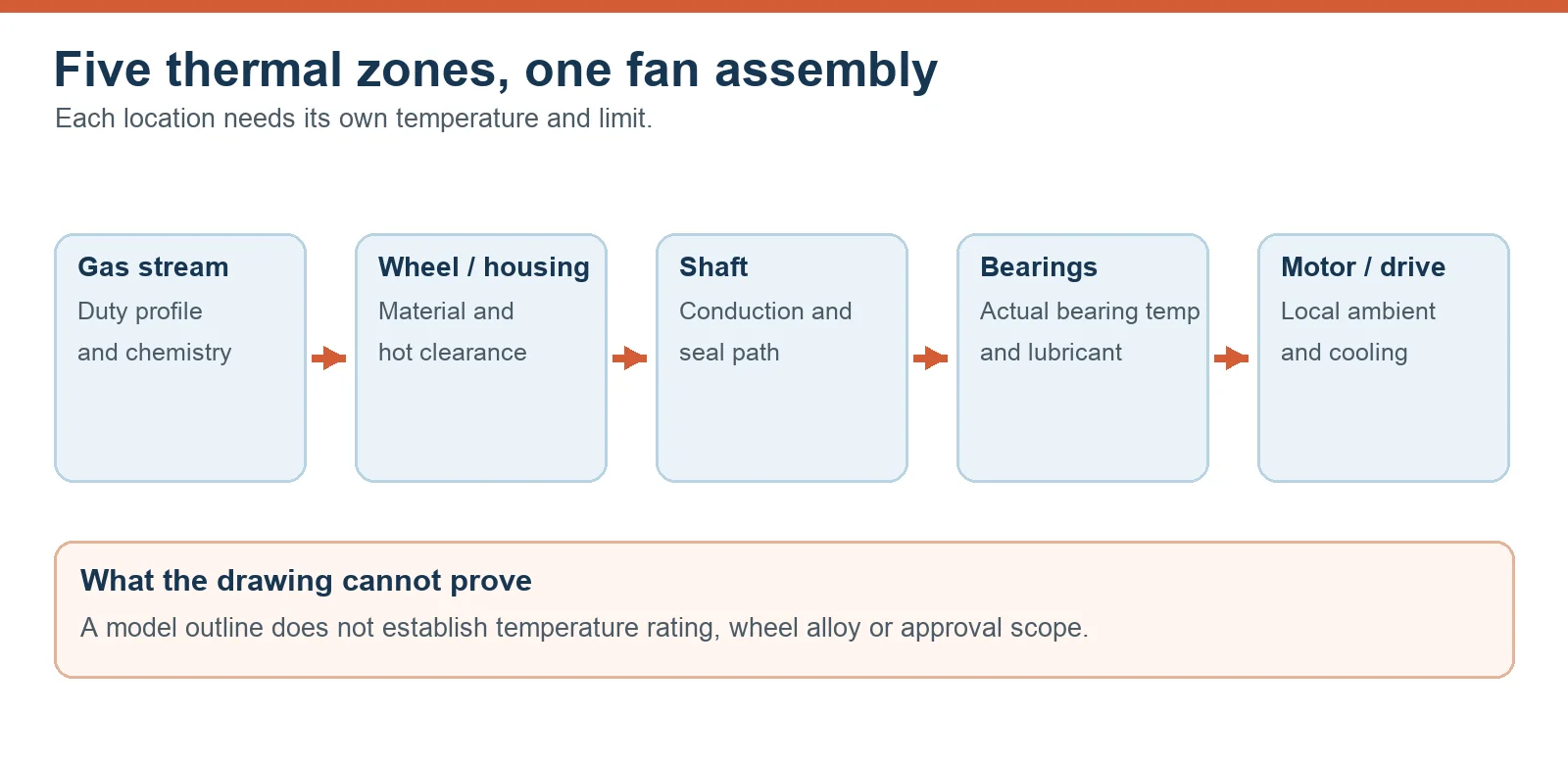
Use the diagram to plan a measurement or calculation at each vulnerable location. Record where the sensor is mounted and whether it measures gas, metal, bearing housing, or ambient air. Confirm the supplier’s allowable value for that location and operating duration. The illustration shows a heat path, not the construction or test result of a particular LONGWELL fan.
Wheel and housing: strength, deposits, and clearance
A hot wheel must carry centrifugal and aerodynamic loads while its material properties change with temperature. Erosion, corrosion, or baked-on deposits may change section thickness and balance. The housing, inlet cone, and supports expand too, often by different amounts. Ask how the design maintains radial and axial clearances during heat-up, steady running, and cooldown. Duct supports and any expansion joint must keep imposed thermal loads within the fan’s installation limits.
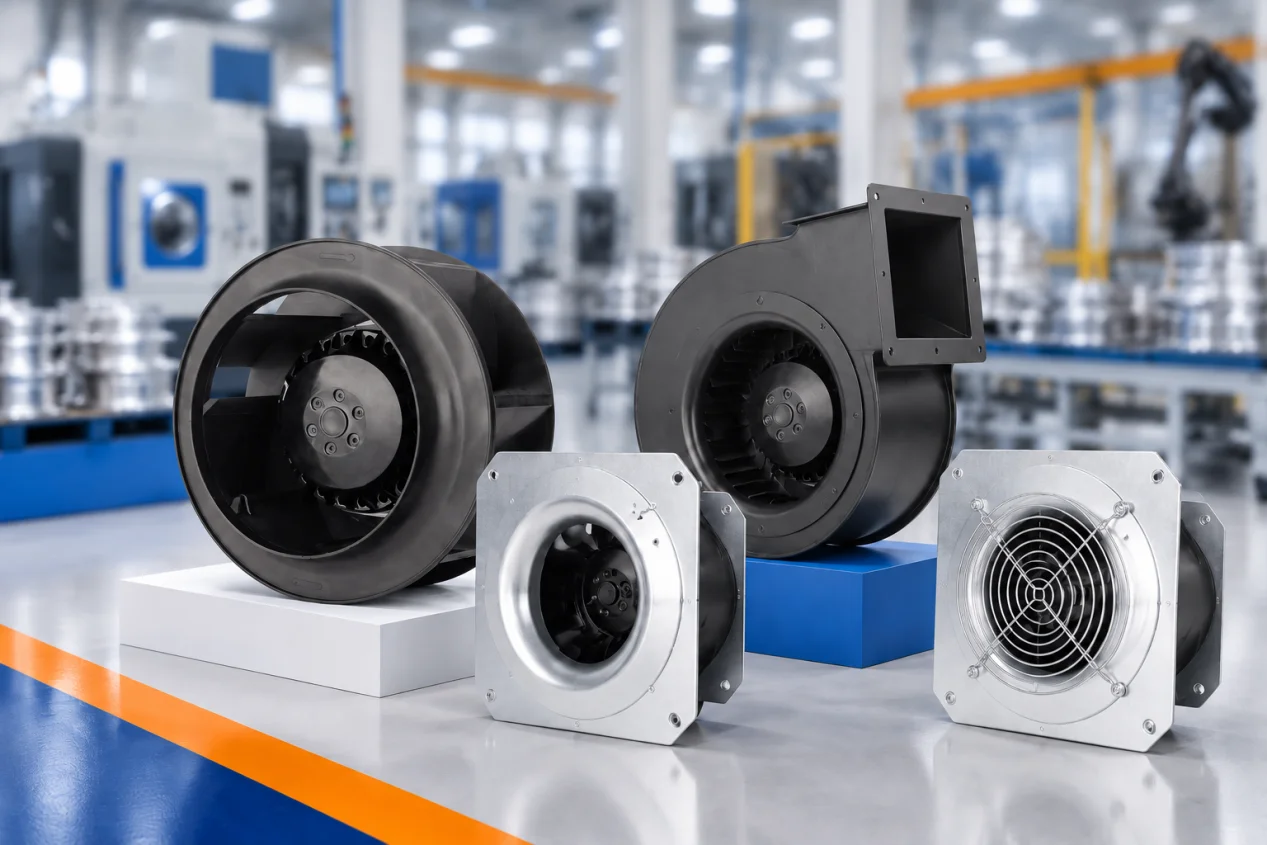
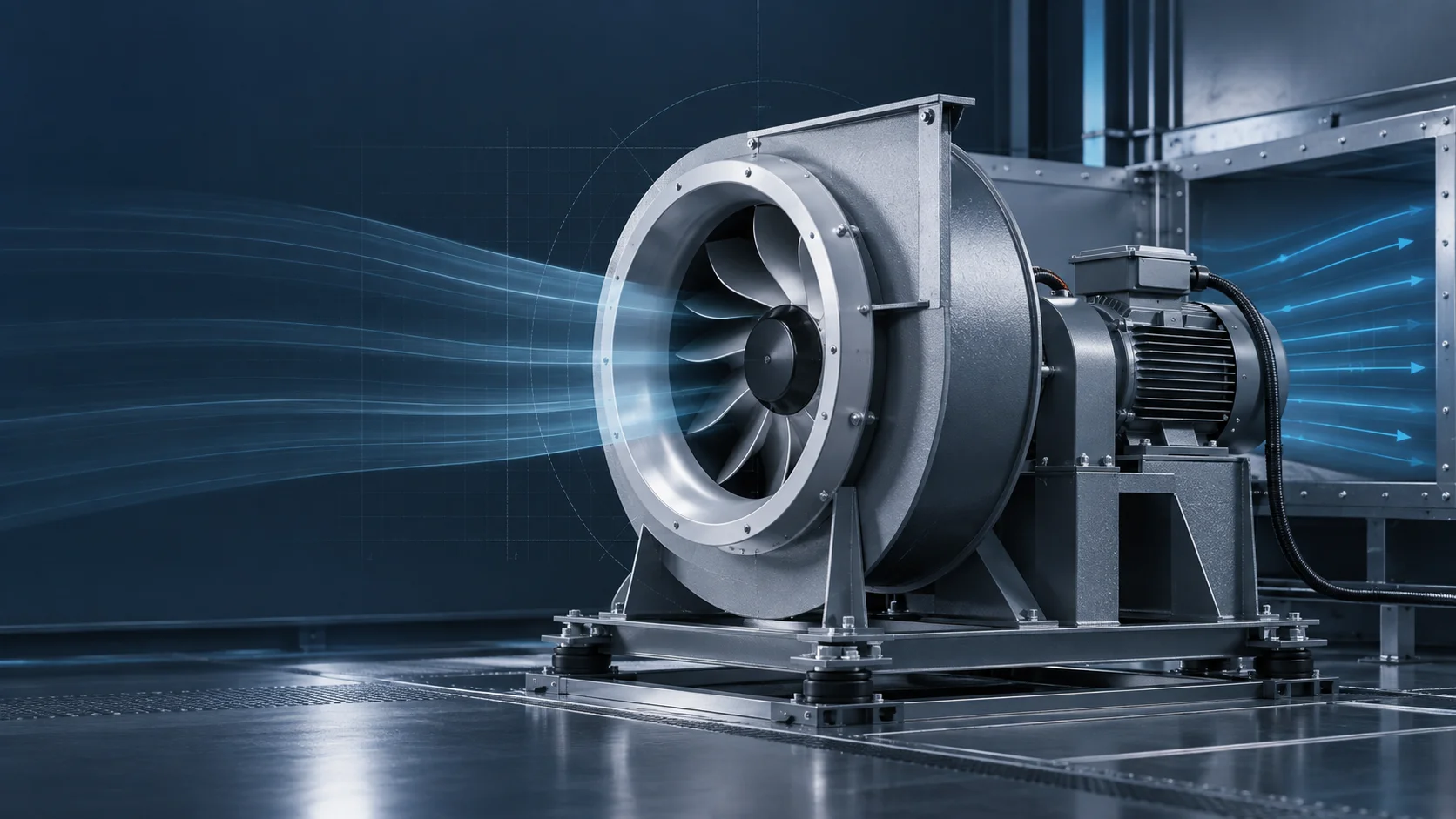
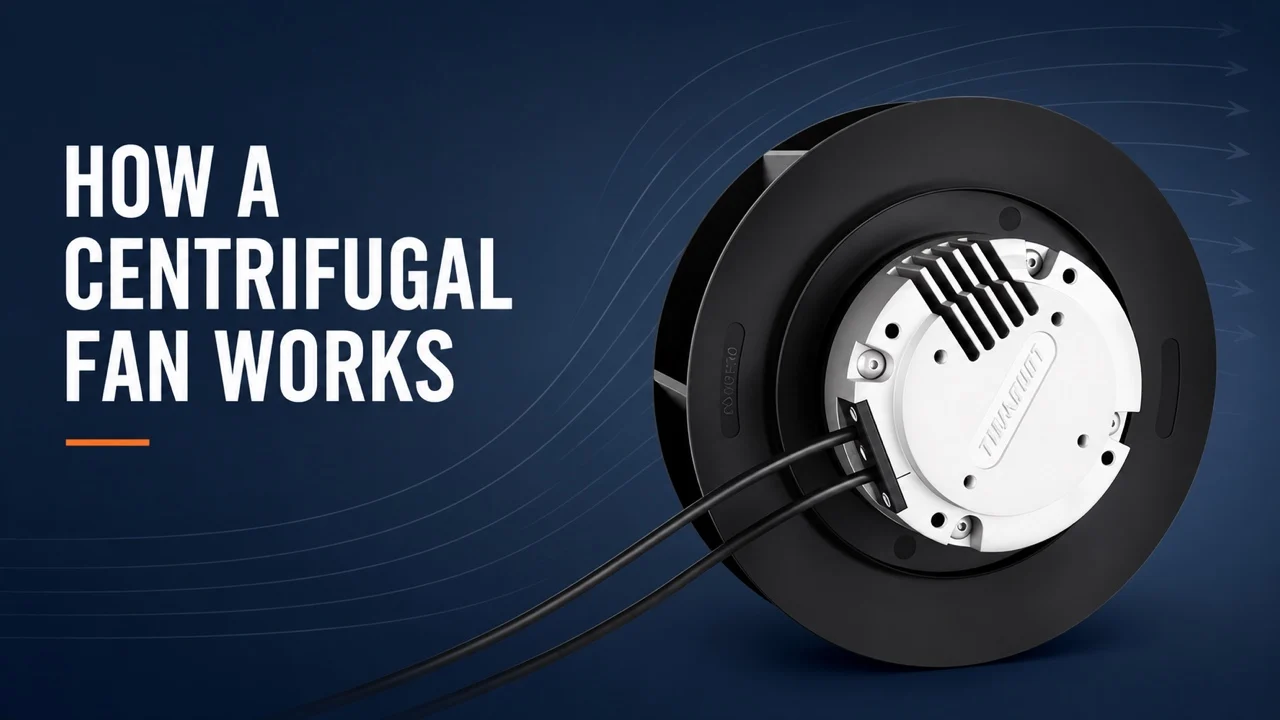
LONGWELL’s centrifugal fan family is useful for browsing possible architectures. It does not establish a hot-gas rating for any variant. A model outline can show dimensions, mounting and a model label while leaving the wheel alloy, weld condition, permitted gas temperature and smoke approval unspecified. That is why a drawing should accompany, rather than replace, controlled material and operating-limit records.
Bearings, shaft, and drive need separate limits
Bearing risk is governed by the temperature at the bearing and the lubricant’s specified range, not a generic rule that grease life always halves after a fixed temperature increase. Check bearing type, clearance, lubrication method, relubrication interval, expected housing temperature, and the protection response if cooling fails. Read the bearing comparison guide as background; the exact bearing and lubricant data still control the selection.
A shaft extension, insulation arrangement, cooling element, or remote drive may be proposed to reduce heat transfer. None is automatically required at one universal gas temperature. Ask for the thermal path and installation drawing of the exact assembly, including required airflow around any cooling element. Verify that guards or nearby structures do not obstruct it. Motor insulation class alone is not permission to expose a motor to any hot surrounding air; use the motor’s actual local ambient and duty rating.
Direct and belt drive arrangements put different parts near the hot zone and introduce different alignment and maintenance questions. The drive arrangement guide can help frame the comparison, but neither arrangement proves thermal suitability without a complete fan and motor specification.
Compare the whole assembly through the operating cycle
Cold gas can be denser than the rated hot gas. Depending on the system and control, cold start may therefore change absorbed power and motor loading. Check the fan curve and motor power on a declared gas basis for startup as well as hot running. Verify stable operation, vibration, allowable speed, clearances, bearing temperature and surface protection through each phase. If a filter or damper changes system resistance, include that range in the check.
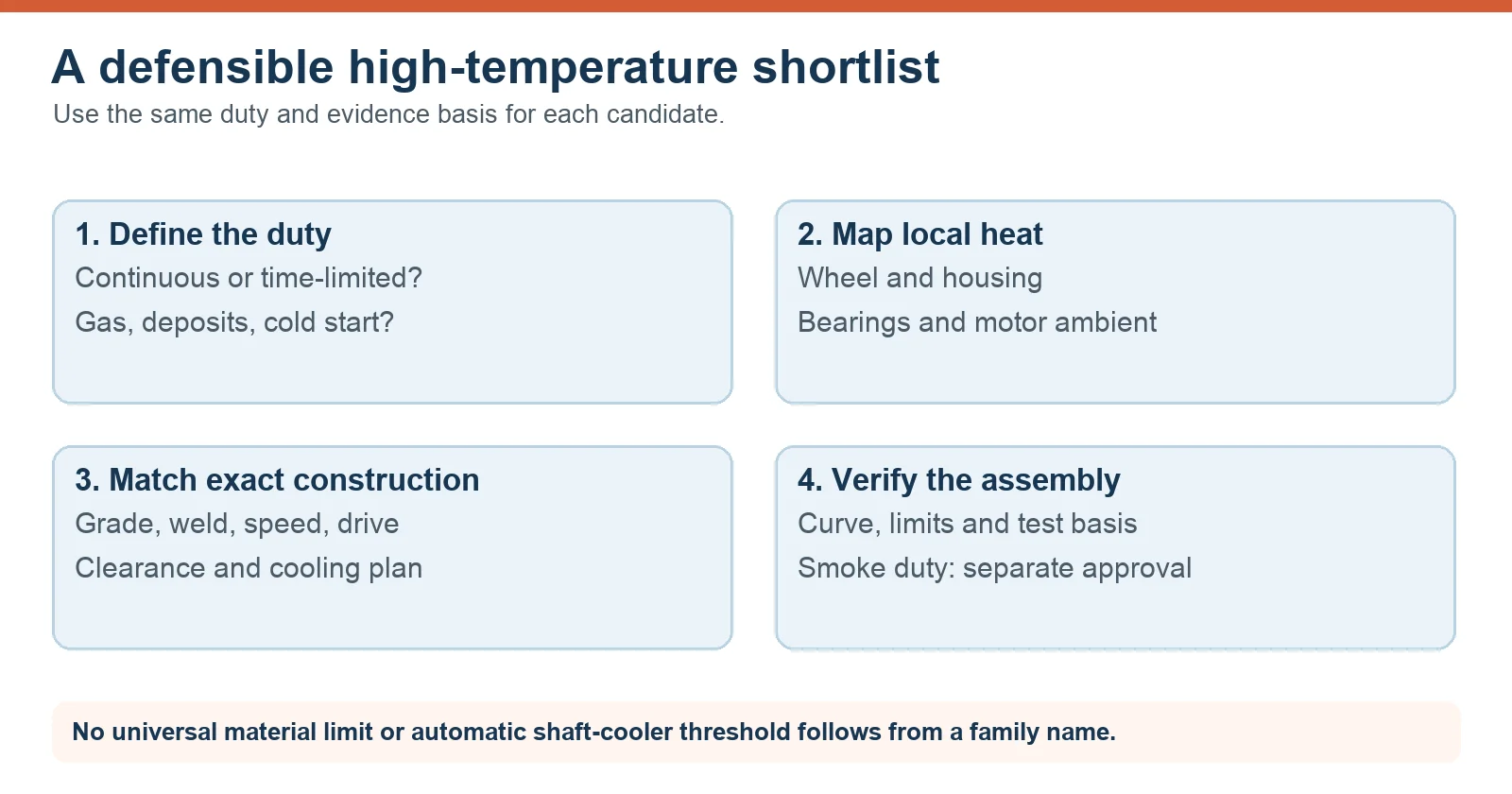
For each shortlisted model, request the exact suffix, revision-controlled drawing, wheel and fastener materials, weld details, temperature-time envelope, speed and power limits, cooling requirements, and any test or inspection records that actually cover the configuration. If a record only describes a family, keep the candidate provisional. A visible product form or broad application label is a starting point for questions, not proof of application fit.
Smoke extraction is a separate decision
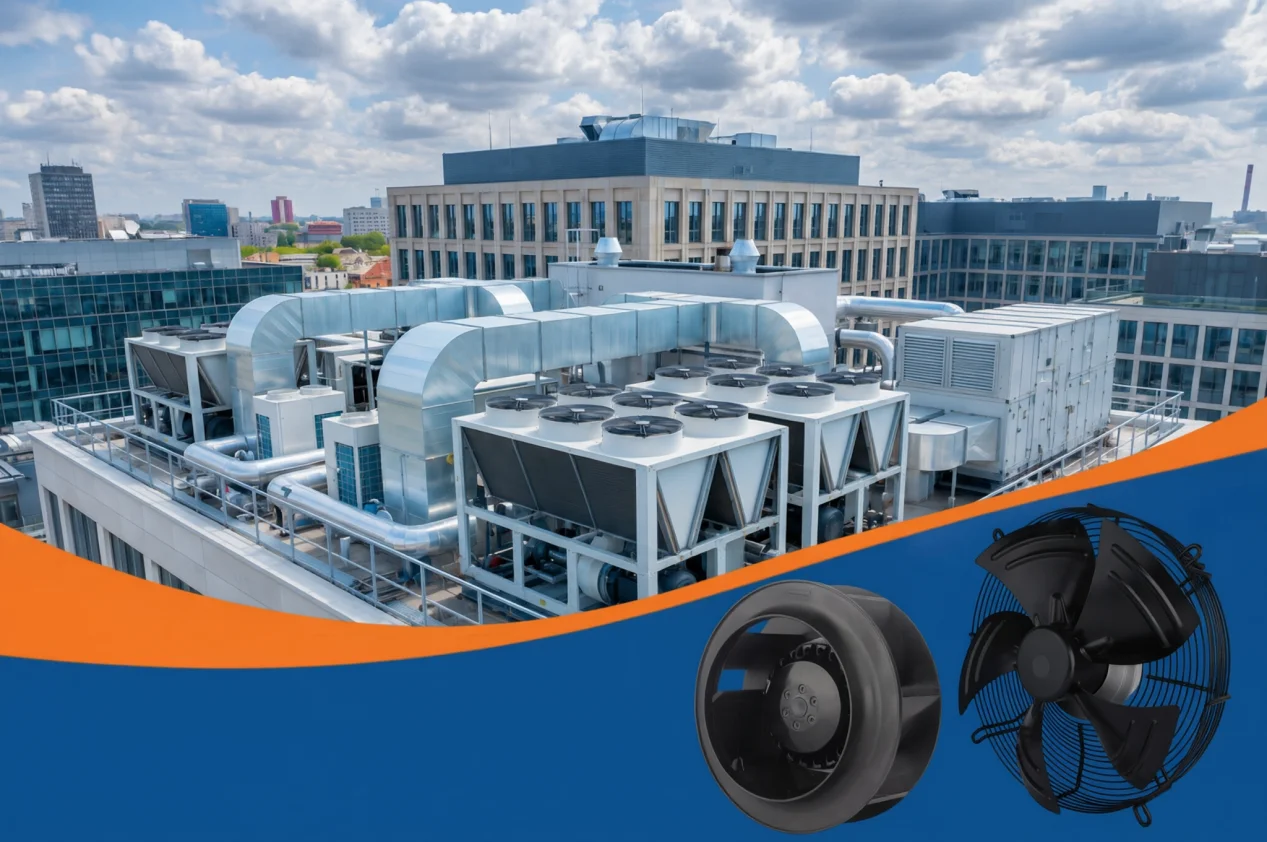
Hot process air does not automatically make a fan suitable for emergency smoke control. Smoke duty can impose a specified temperature and duration, system function, wiring, installation, and approval requirements for the complete assembly. Verify the applicable jurisdiction and exact certificate or declaration, including covered model, configuration, installation conditions, and revision. Do not transfer a process-fan temperature claim or a generic certificate icon to smoke-extract approval.
For a process application, the release question is whether the documented assembly meets the declared gas and mechanical duty. For smoke control, the release question also includes the applicable complete-assembly approval and installation scope. Keep those two checks distinct even if the fans look similar in a photograph.
What to send for a useful engineering review
Send the airflow and pressure range, temperature-time profile, startup condition, gas composition, moisture and deposits, operating hours, cycling, space around the motor and bearings, duct support arrangement, and any applicable smoke-control requirement. Request a response tied to one exact model and suffix, with its drawing, curve basis, materials, component temperatures, protection plan and approval scope. This turns “high-temperature fan” from a marketing label into a checkable equipment choice.
Choose the right fan impeller
Longwell manufactures 10 fan impellers in-house. Send airflow, static pressure and voltage — an engineer replies with a matching model, performance curve and price within one working day.