
Cross-Flow Fans for Electrical Heater Air Delivery
Electrical heaters need a fan arrangement that moves air through the element and grille within the available housing depth. Define the required delivery pattern, resistance and temperature exposure first. LONGWELL cross-flow and centrifugal references support comparisons for long outlets or compact, directed air passages.
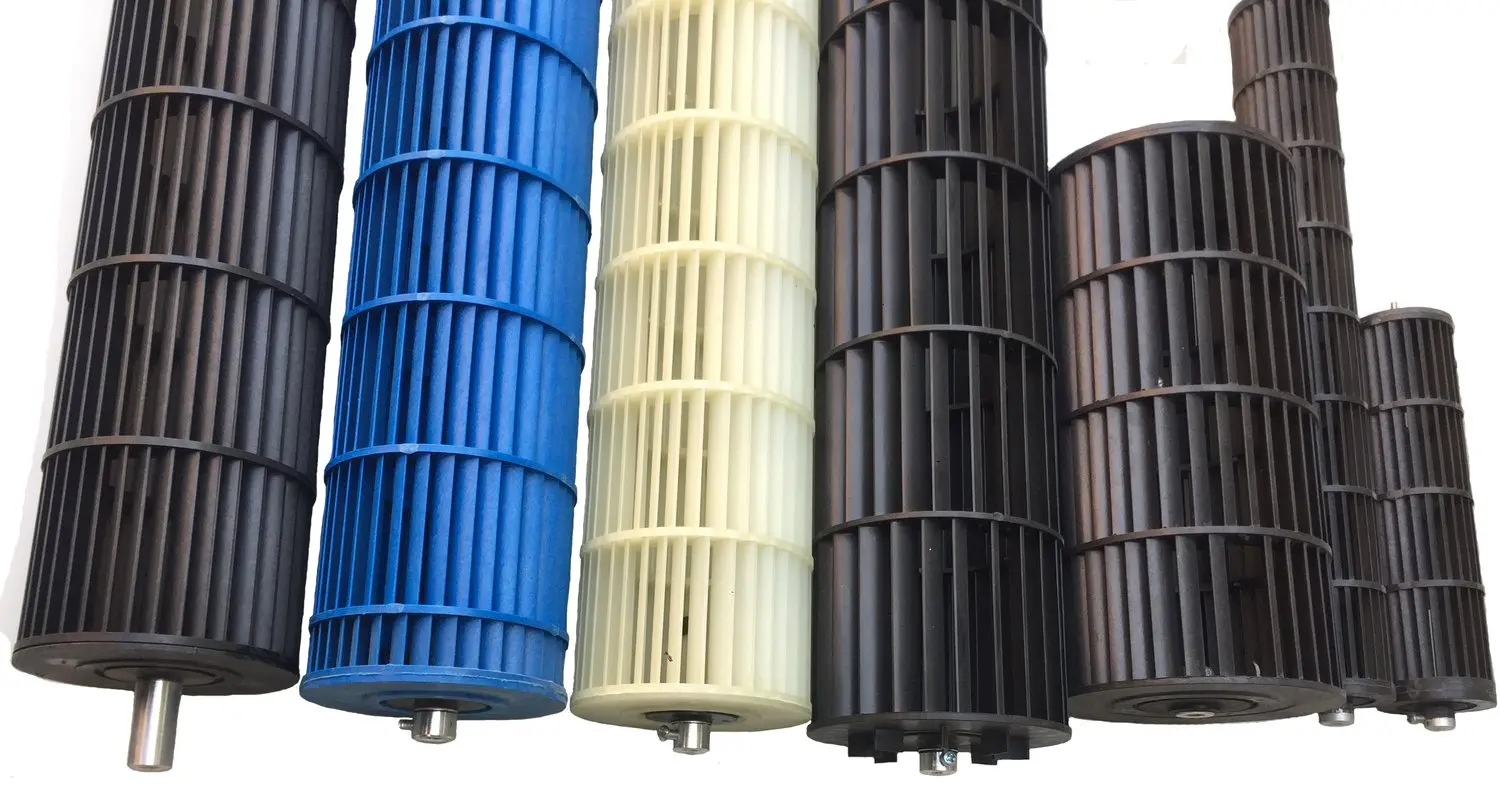
Match the outlet and the heater air passage
Use the heater drawing to define how room air reaches the element and leaves the grille. Fan selection should account for that full passage, the minimum airflow required by the equipment design and temperature at the motor location. Installed sound and operating controls belong in the same brief.
Choose the outlet format
Record outlet length, installation depth, rotor clearance and the available motor position. Review whether the heater needs a long discharge opening or a compact directed passage. Compare candidate fan formats using the intended housing geometry, since the final airflow pattern depends on the complete inlet, fan and outlet arrangement.
- Outlet length and available depth
- Rotor clearance and motor side
- Inlet and discharge housing geometry
Define airflow through the heater
Provide the airflow requirement at the combined resistance of the heater element, grille and any filter. Include the equipment’s minimum-flow requirement and the intended operating settings. Describe how the heater controller responds to the fan condition so the proposed arrangement can be evaluated as part of the complete appliance.
- Element, filter and grille losses
- Required airflow at each setting
- Minimum-flow and heater control requirements
Check heat soak and installed sound
Record temperatures near the motor, bearings and air stream during normal use and after the heating element is switched off. Define the fan’s expected run-on or restart behaviour. Compare sound in the intended housing at stated speed settings, including the mounting and vibration conditions that affect the user experience.
- Motor and bearing temperatures
- Run-on and restart sequence
- Installed sound and mounting conditions
Match the fan family to the equipment.
Compare the proposed model at the required airflow and pressure, then check the installation and control interface.
Cross-flow fan families
Compare cross-flow families where a long narrow heater outlet is required. Confirm rotor length, motor position and airflow at the actual element and grille resistance.
Explore this fan family →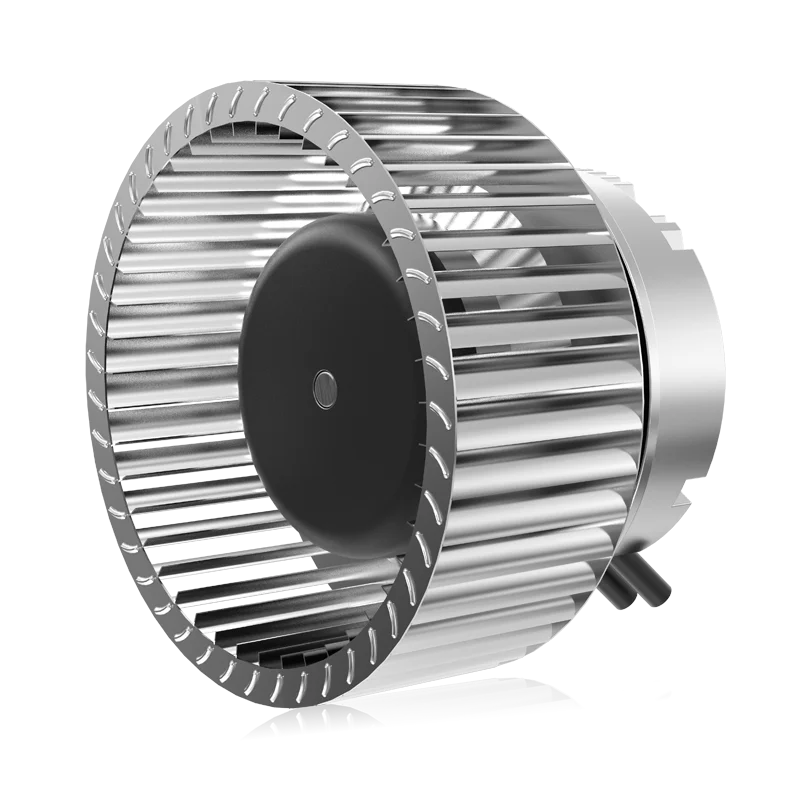
Forward-curved centrifugal impellers
Review forward-curved formats for a compact heater air passage where the complete housing can accommodate them. Request the assembly curve and temperature limits for assessment.
Explore this fan family →Product images show family configurations. Request the drawing, curve and electrical information for the exact model being considered.
What should your fan enquiry include?
Share these application details so the fan proposal can be reviewed against your equipment.
Bring the equipment context to the fan review.
A drawing, the operating condition and a clear control requirement make the proposed configuration easier to compare. For a replacement, include the existing nameplate and wiring details.
Discuss your application →Reference material for the next step.
Compare rotor lengths and motor arrangements, then request model-specific airflow, temperature and mounting information for the proposed outlet layout.
EC forward-curved series · PDFEC forward-curved fan catalogue ↗Compare the forward-curved family with your available housing space and duty point; obtain the complete assembly curve for selection.
Engineering checklistFan replacement controls checklist ↗Record electrical, control and mechanical interfaces when comparing an existing fan with a proposed replacement in the complete equipment.
Catalogs support initial selection. Confirm the current specification and approved configuration with the project team.
Why is outlet length important for a cross-flow fan enquiry?
It helps define the rotor length, mounting and discharge arrangement that fit the heater. Include housing depth and motor position as well. The complete inlet and outlet geometry needs review with the fan because the resulting air delivery cannot be established from rotor length alone.
Should the enquiry include temperatures after switch-off?
Yes, when heat remains in the appliance after the element is switched off. Record the relevant motor and bearing exposure and describe the intended fan sequence. That information helps evaluate the model’s installation limits and the controller requirements across the complete heater operating cycle.
Continue with the equipment you are designing.
Share your equipment and operating conditions.
Send the drawing, target duty and project timing. Add the existing fan details when you need a replacement.