
Fans for air heaters and heating registers
Define how air must pass through the heating register and reach the occupied space. Coil or element resistance, mounting height, discharge direction and sound requirements influence the fan choice. Review normal temperature, shutdown heat soak and heater-control interlocks together with the complete proposed fan and heater configuration.
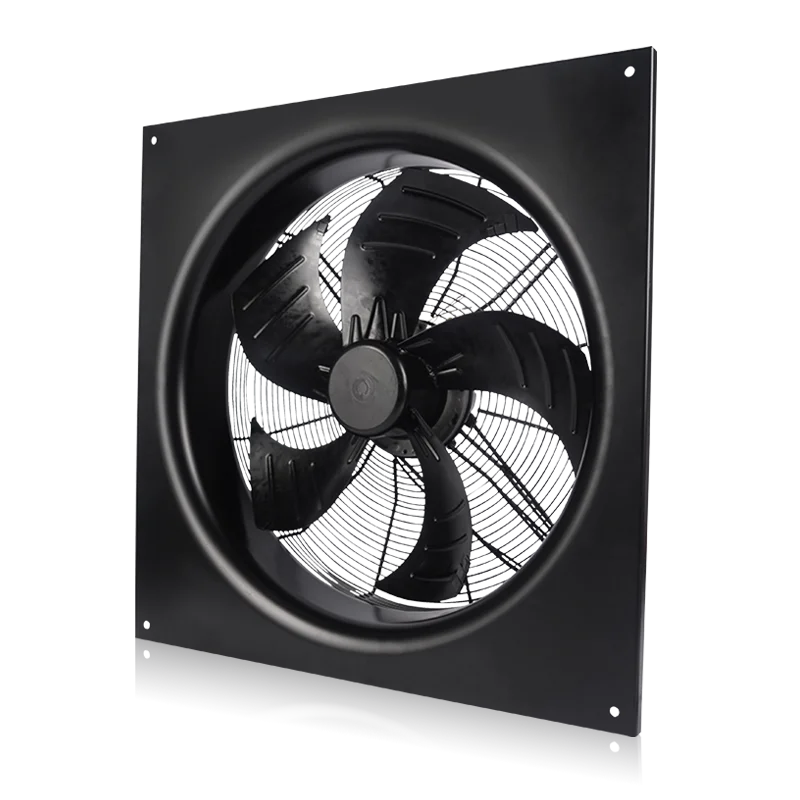
Connect the heating register to the room air path
An air heater uses a fan to move air across a heating register and distribute warmth. The heating source, discharge arrangement and installation position determine the equipment requirement. This page helps specify the fan and its interface while keeping heating output and protective controls within the complete heater review.
Define register flow and discharge direction
Provide the airflow required by the heating-register designer and the pressure loss through the register, guards and discharge fittings. Include mounting height and the intended direction of air movement in the room. Agree how distribution and sound will be checked at occupied locations with the finished heater installed.
- Register airflow and pressure loss
- Mounting height and discharge direction
- Occupied-zone distribution and sound target
Check running temperature and shutdown heat soak
Describe temperatures at the fan inlet and motor during operation, including the heating source and fan position. Review what happens when the heater stops or airflow is reduced. Request model-specific temperature limits and confirm the assembly’s clearances, wiring and service access against the expected conditions throughout the operating sequence.
- Air-stream and motor ambient temperatures
- Heat-soak conditions after shutdown
- Clearances and electrical installation route
Coordinate the fan with heater protection
Provide the heater controller’s start, stop and speed sequence. Identify the required response to low airflow, fan failure or an over-temperature signal, and confirm how the proposed fan communicates with the equipment controls. Validate the complete heater operation with the responsible equipment designer rather than treating the fan as the protective system.
- Fan start and heater-enable sequence
- Low-airflow and fault response
- Post-run and over-temperature handling
Match the fan family to the equipment.
Compare the proposed model at the required airflow and pressure, then check the installation and control interface.
EC axial fan configurations
Review axial fans for heaters with a suitable register and direct discharge arrangement. Confirm airflow at resistance and the temperatures permitted at the fan and motor.
Explore this fan family →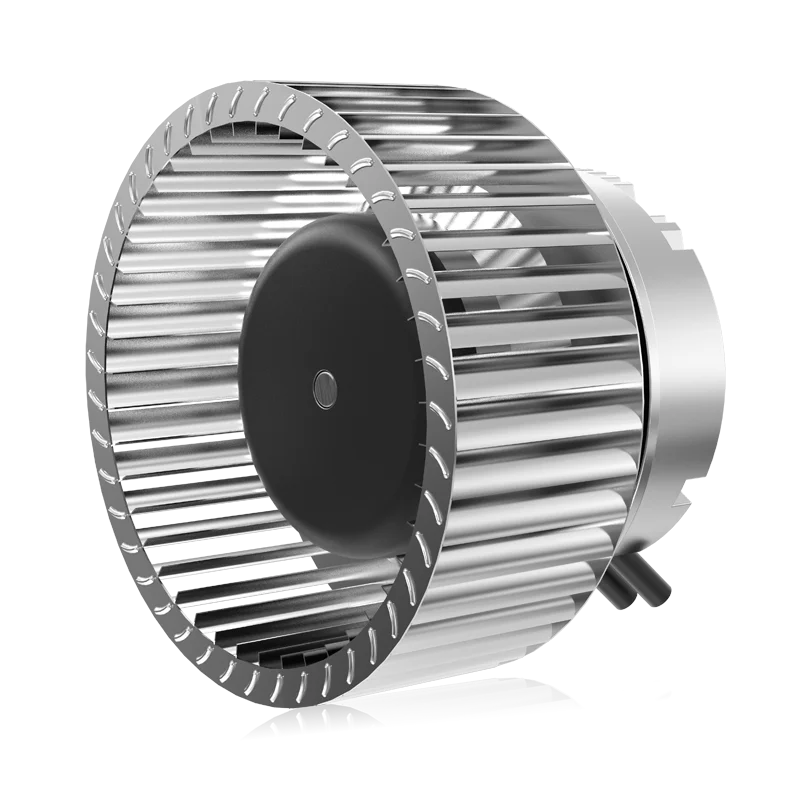
Forward-curved impellers and fans
Review forward-curved configurations for enclosed heater designs with a matching housing and air path. Include register resistance, motor location and the full operating-temperature sequence.
Explore this fan family →Product images show family configurations. Request the drawing, curve and electrical information for the exact model being considered.
What should your fan enquiry include?
Share these application details so the fan proposal can be reviewed against your equipment.
Bring the equipment context to the fan review.
A drawing, the operating condition and a clear control requirement make the proposed configuration easier to compare. For a replacement, include the existing nameplate and wiring details.
Discuss your application →Reference material for the next step.
Compare the axial series and installation dimensions before requesting operating-point, electrical and environmental data for the selected configuration.
Engineering checklistFan replacement: fit and controls ↗Check operating duty, mounting, supply, wiring and control behaviour before treating an existing fan and a proposed replacement as interchangeable.
Catalogs support initial selection. Confirm the current specification and approved configuration with the project team.
Does the fan temperature rating cover heater shutdown?
Check the actual fan and motor conditions after the heat source stops or airflow changes. The local temperature may differ from the normal inlet condition. Provide the complete operating sequence and confirm the selected model’s limits, installation and controller response with the heater designer.
Can fan airflow alone establish the heating output?
Heating output depends on the heating source, register conditions, airflow and equipment controls together. Use the register designer’s required duty to select the fan, then assess the complete heater at the intended operating conditions and distribution arrangement for the occupied space.
Continue with the equipment you are designing.
Share your equipment and operating conditions.
Send the drawing, target duty and project timing. Add the existing fan details when you need a replacement.