
Combustion-Air Blower Review for Oil-Condensing Heating Equipment
For oil-condensing equipment, define the combustion-air blower together with the burner manufacturer. Provide pressure-flow requirements, mounting, control interfaces and exposure conditions at the fan position. LONGWELL blower references can support initial configuration screening, followed by a model-specific review for the complete burner and appliance.
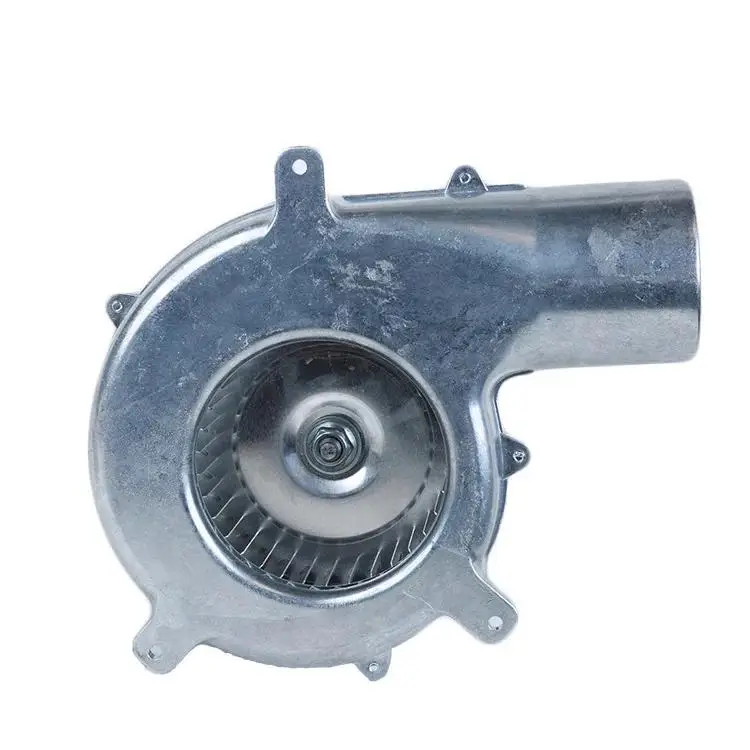
Establish the air-side role before comparing models
Keep combustion-air supply, any exhaust-gas extraction and enclosure cooling separate in the equipment brief. Describe the medium present at the proposed blower location and the relevant normal and transient conditions. A product-family name alone does not establish an oil-burner or condensing-appliance configuration.
Prepare the burner-air duty
Provide the pressure and airflow needed at the burner’s operating points, together with the intake arrangement. Identify the blower’s position and confirm the medium it handles. Where the proposal concerns combustion-air supply, make that role explicit rather than sending only the appliance’s output rating or a generic blower photograph.
- Burner pressure and airflow points
- Intake arrangement and fan position
- Handled medium at the blower
Assess temperature and moisture exposure
Record the handled-air temperature and motor-compartment temperature separately, including shutdown conditions. Describe any route by which condensate or contaminants could reach the blower. Use this information to request the selected model’s materials, installation limits and relevant documentation before the burner assembly is released for prototype evaluation.
- Air-stream and motor temperatures
- Condensate and contamination route
- Material and installation requirements
Agree interfaces with the burner manufacturer
Send inlet, outlet, mounting and seal drawings together with the required supply and controller signals. Identify the feedback or switching behaviour needed during starting, operation and stopping. Agree the complete assembly test plan with the burner manufacturer, including the acceptance criteria for the proposed blower configuration.
- Mating dimensions and seals
- Supply and control sequence
- Burner assembly acceptance criteria
Match the fan family to the equipment.
Compare the proposed model at the required airflow and pressure, then check the installation and control interface.
AC blower for combustion-air assessment
Use the AC blower reference for air-side configuration screening. Suitability for a particular oil burner requires review of the complete model and appliance duty.
Explore this fan family →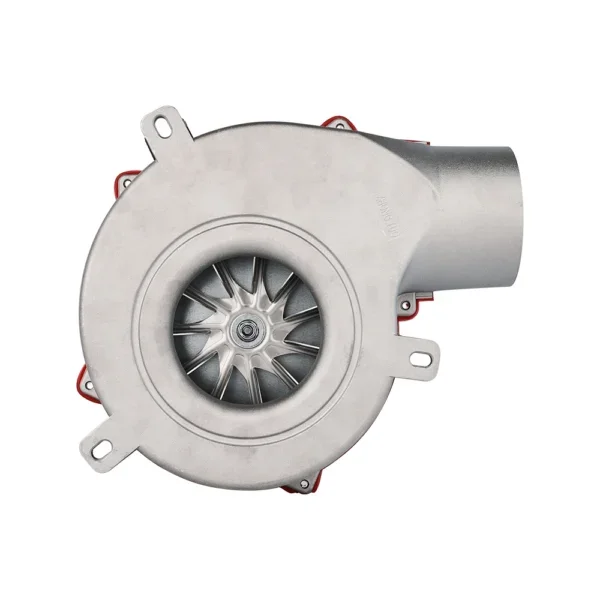
Compact blower configuration reference
Compare compact blower arrangements where the burner manufacturer has defined a suitable air-side role. Submit medium, temperature, sealing and control requirements for model review.
Explore this fan family →Product images show family configurations. Request the drawing, curve and electrical information for the exact model being considered.
What should your fan enquiry include?
Share these application details so the fan proposal can be reviewed against your equipment.
Bring the equipment context to the fan review.
A drawing, the operating condition and a clear control requirement make the proposed configuration easier to compare. For a replacement, include the existing nameplate and wiring details.
Discuss your application →Reference material for the next step.
Use the AC family references to discuss supply and mounting options; confirm the specific model’s medium and temperature limits.
Product-family catalogue · PDFGas-blower catalogue ↗Compare available gas-blower configurations, then request the complete model drawing and performance curve for the defined appliance air path.
Engineering checklistFan replacement controls checklist ↗Record electrical, control and mechanical interfaces when comparing an existing fan with a proposed replacement in the complete equipment.
Catalogs support initial selection. Confirm the current specification and approved configuration with the project team.
Does a gas-blower product listing prove oil-burner suitability?
No. The listing is a configuration reference, while the oil burner requires its own defined air duty, exposure limits and integration assessment. Ask the manufacturer to review the complete proposed model against the burner’s requirements and agree the necessary documentation before proceeding with sample evaluation.
How should exhaust-gas duty be described in an enquiry?
Identify the actual extracted medium, temperature range, condensate and contaminant exposure at the blower location. Keep that request separate from clean combustion-air supply. Those conditions must be assessed against an appropriate complete model; they should not be inferred from the appearance of a general blower.
Continue with the equipment you are designing.
Share your equipment and operating conditions.
Send the drawing, target duty and project timing. Add the existing fan details when you need a replacement.