
Fan selection for cold-room evaporator air circulation
Plan evaporator airflow around the room, the stored load and the coil. The fan must support the required distribution while operating within the specified cold and defrost conditions. Provide rack geometry, operating temperatures, coil resistance and the control sequence so the proposed configuration can be assessed in context.
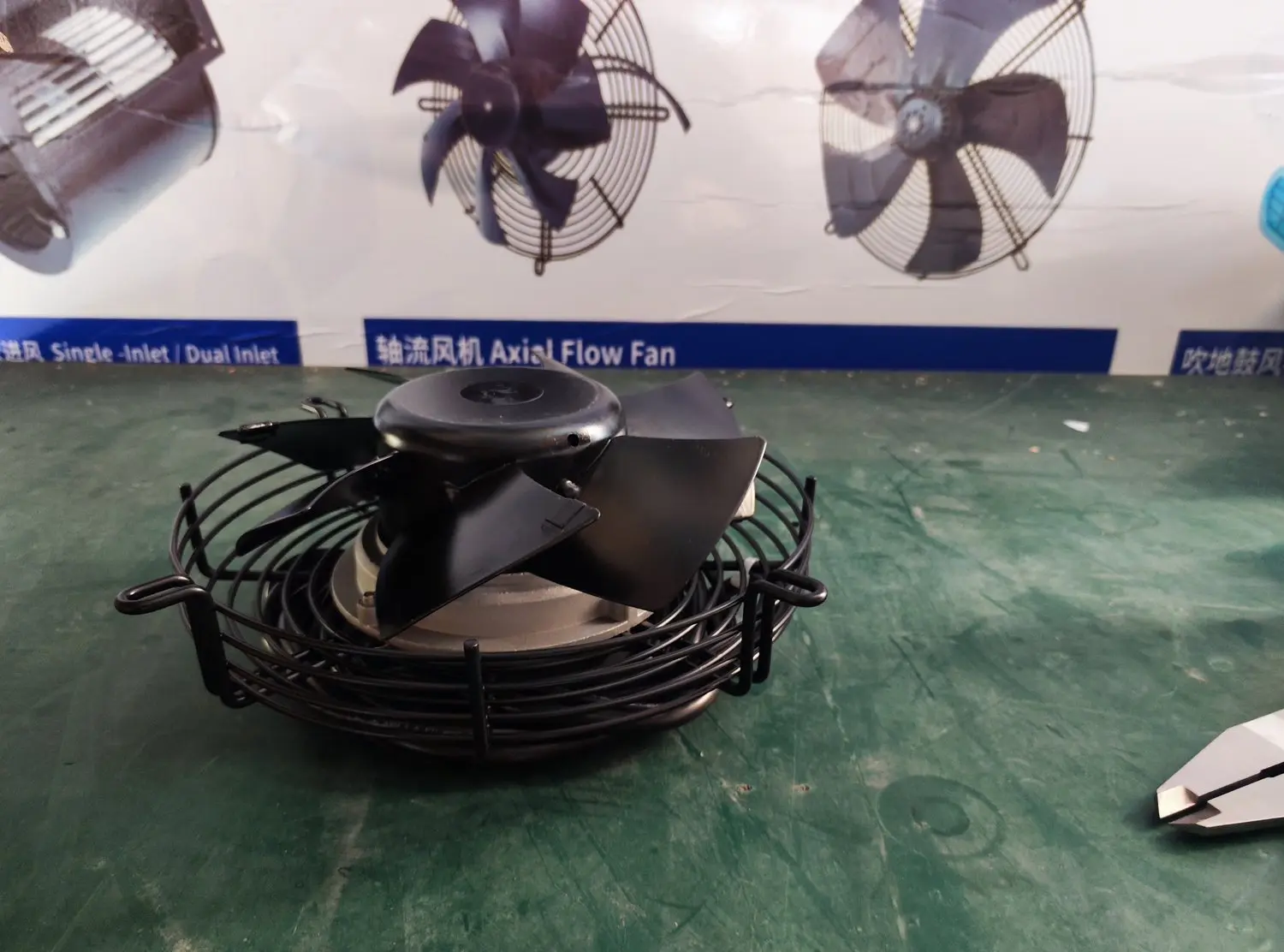
Review the room air path beyond the evaporator
The evaporator fan moves air through the coil and into the refrigerated space. Racks, product stacking and return paths affect where that air travels. Use the room layout and temperature-control requirement to define the operating brief, then verify distribution with the installed equipment and representative loading.
Match coil airflow to the loaded room
Provide the coil airflow and pressure loss together with room dimensions, racks and stored-product arrangement. Identify the supply and return paths, including clearance around the evaporator. Review the distribution objective with the cold-room designer so air movement through the actual load is considered before the fan is selected.
- Room dimensions and rack arrangement
- Coil airflow and pressure requirement
- Discharge and return-air clearances
Describe cold start and defrost exposure
State the lowest operating temperature and the conditions during and after defrost. Identify condensation, possible ice exposure and the controller’s fan restart sequence. Request model-specific temperature and moisture limits, and include the equipment’s installation orientation and cable arrangement in the review of the proposed evaporator assembly.
- Cold start and normal temperature range
- Defrost and delayed-restart sequence
- Condensate, ice and installation orientation
Plan maintenance and operating verification
Leave access to inspect the coil and replace the fan without damaging nearby pipework or wiring. Define how airflow distribution, input power and sound will be assessed at the intended speed. For a replacement, record the current mounting, direction of rotation and controls before comparing the candidate at the same duty.
- Fan removal and coil-cleaning access
- Rotation, wiring and mounting dimensions
- Loaded-room acceptance and measurement points
Match the fan family to the equipment.
Compare the proposed model at the required airflow and pressure, then check the installation and control interface.
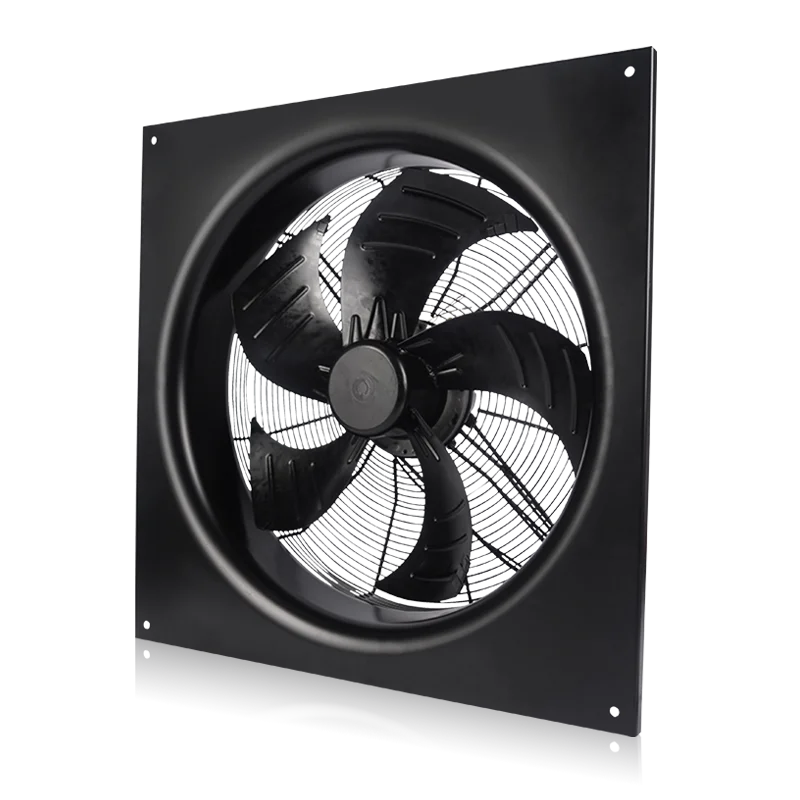
EC axial fan configurations
Review axial configurations for evaporator coils with a compatible mounting arrangement. Confirm the selected model’s cold, moisture and defrost conditions with the equipment specification.
Explore this fan family →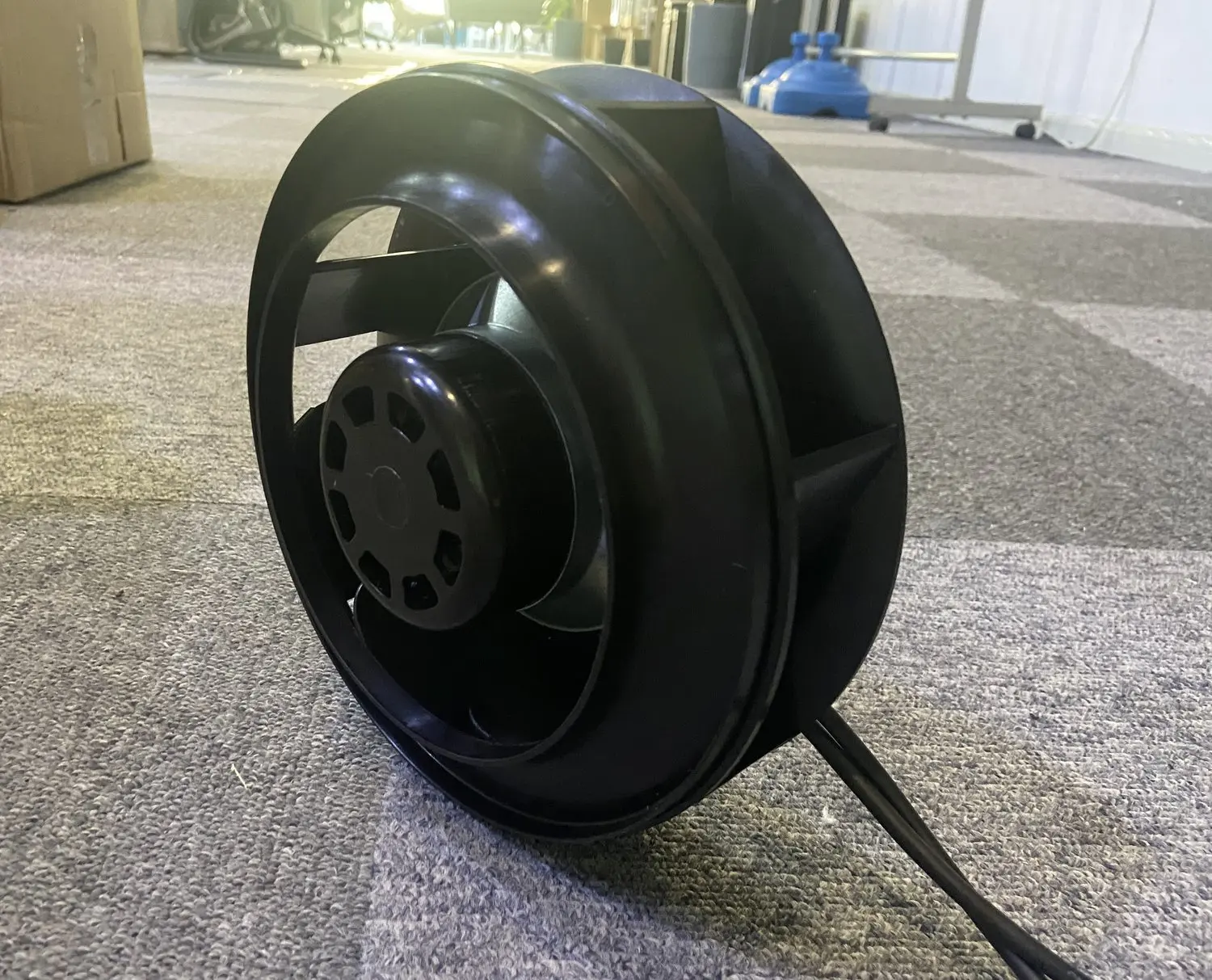
Compact centrifugal configurations
Review compact centrifugal formats for enclosed evaporator designs that require a radial air path. Match installation space and resistance, and verify the relevant temperature limits.
Explore this fan family →Product images show family configurations. Request the drawing, curve and electrical information for the exact model being considered.
What should your fan enquiry include?
Share these application details so the fan proposal can be reviewed against your equipment.
Bring the equipment context to the fan review.
A drawing, the operating condition and a clear control requirement make the proposed configuration easier to compare. For a replacement, include the existing nameplate and wiring details.
Discuss your application →Reference material for the next step.
Compare the axial series and installation dimensions before requesting operating-point, electrical and environmental data for the selected configuration.
Series catalog · PDFEC backward-curved centrifugal fans ↗Use the series information to narrow the mechanical format; confirm inlet conditions, controls and the proposed model performance separately.
Engineering checklistFan replacement: fit and controls ↗Check operating duty, mounting, supply, wiring and control behaviour before treating an existing fan and a proposed replacement as interchangeable.
Catalogs support initial selection. Confirm the current specification and approved configuration with the project team.
Does the fan’s airflow establish uniform room temperature?
Airflow through the fan is only part of the room design. Product stacking, return paths, coil performance and control operation influence temperatures. Define representative loaded conditions and measuring locations, then check the installed evaporator and room against the agreed distribution requirement.
Can a fan restart immediately after defrost?
Use the evaporator designer’s sequence for the specified coil and environment. Provide the expected temperature and moisture conditions and confirm the fan’s documented limits. Review restart timing with the equipment controls rather than treating it as a general feature of the fan family.
Continue with the equipment you are designing.
Share your equipment and operating conditions.
Send the drawing, target duty and project timing. Add the existing fan details when you need a replacement.