
Fans for Electronics and Telecommunications Cabinet Cooling
Electronics cooling starts with the heat released inside the equipment and the path available for removing it. Separate component cooling, cabinet ventilation and room-level air handling. Prepare the operating point, power budget and control interface for the fan’s actual position before comparing product families.
Move air through the heat sources that matter
Compact power supplies and larger telecom cabinets have different resistance, space and supply requirements. This page helps equipment builders connect those requirements to a fan proposal. Include the complete enclosure and expected service conditions so the evaluation addresses installed cooling rather than a free-air catalog figure.
Cool components and power supplies
Identify heat sinks, boards and power modules that need forced airflow. Provide their heat losses and permissible temperatures, then show the channels and obstructions around them. Review the fan frame, depth and outlet direction alongside connector access so the selected component fits the real electronics assembly.
- Heat sources and component temperature limits
- Heat-sink channels and board clearances
- Fan depth, direction and connector access
Ventilate telecom and power cabinets
Specify the cabinet’s heat losses, ambient conditions and fan power budget. Include filters, louvres and internal partitions in the resistance review. Outdoor exposure and condensation require a configuration-specific assessment; cabinet protection cannot be established from the fan’s appearance or the rating of a different assembly.
- Cabinet heat load and power ceiling
- Filter/louvre resistance and recirculation paths
- Outdoor exposure and enclosure requirements
Define control, feedback and maintenance
Confirm the electrical supply and its tolerance, the speed-command format and whether feedback reports rotation or a fault. Review startup and blocked-fan behavior with the controller. Plan filter inspection and replacement access, and use the actual installed configuration when checking temperatures under normal and degraded conditions.
- Supply range and speed-command definition
- Tachometer versus alarm output
- Fault response and filter-service access
Match the fan family to the equipment.
Compare the proposed model at the required airflow and pressure, then check the installation and control interface.
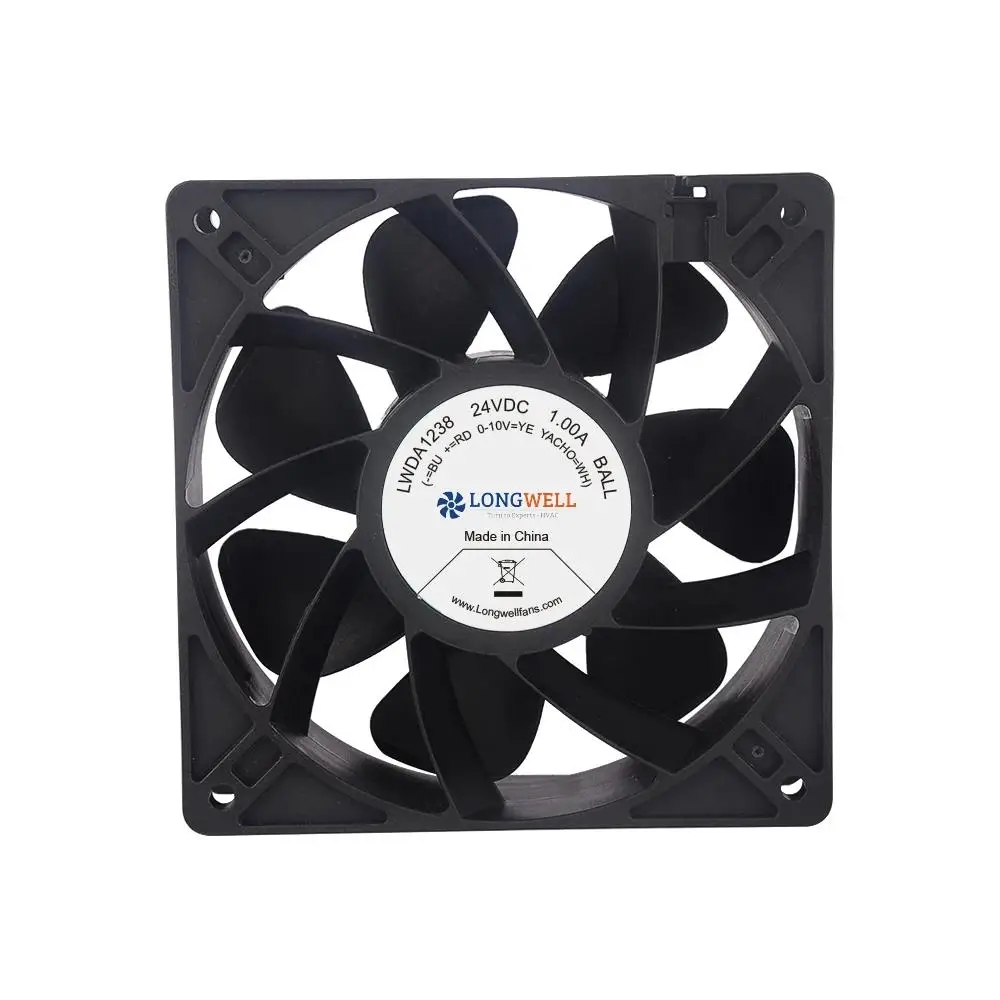
Compact DC axial fans
Review compact DC axial formats for board, heat-sink and power-supply positions. Confirm the required resistance, connector pinout and controller interface for the exact version.
Explore this fan family →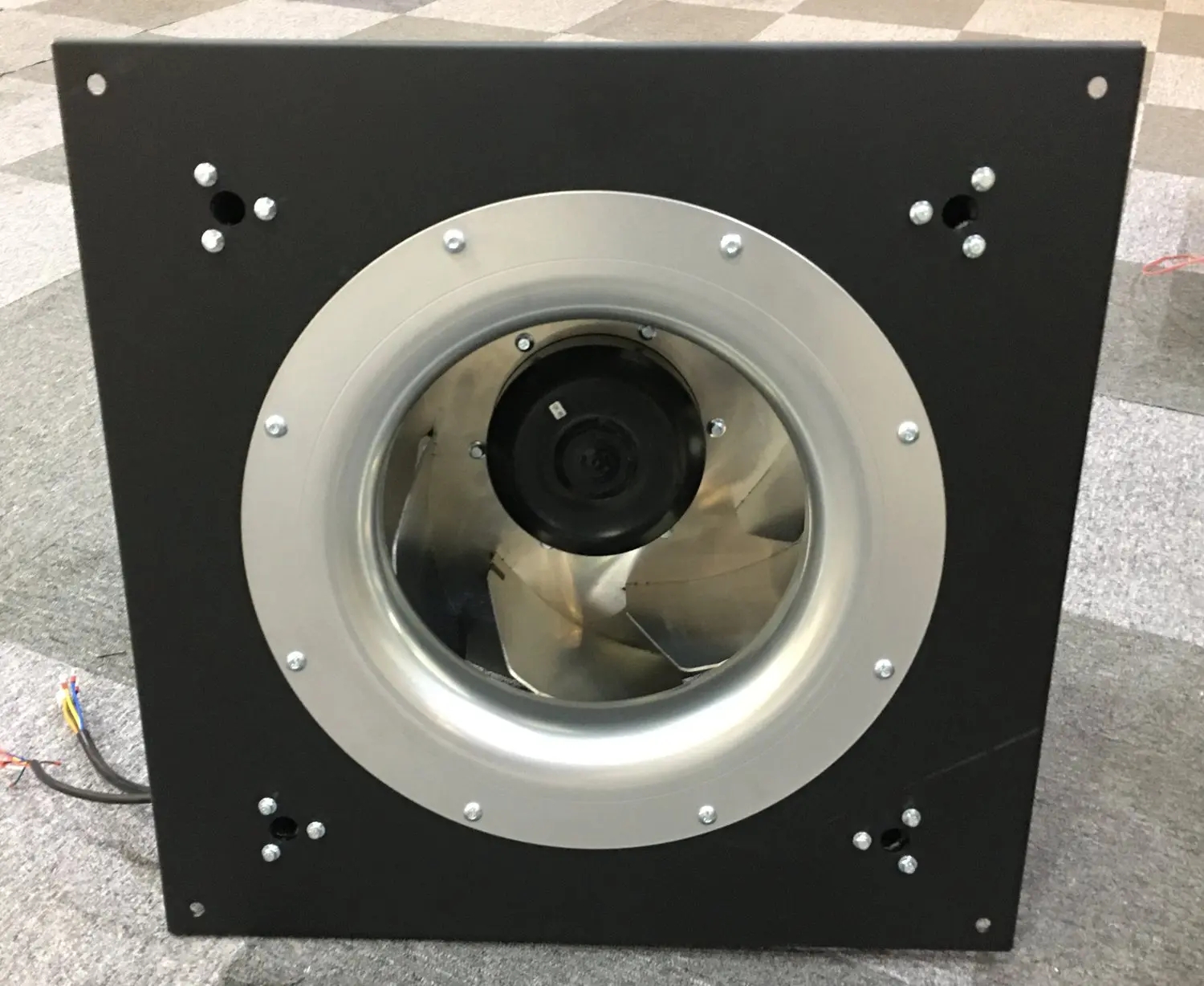
Panel-mounted centrifugal options
Review centrifugal arrangements for cabinets with restrictive filters or internal channels. Match the panel, inlet ring and available depth to the required operating point.
Explore this fan family →Product images show family configurations. Request the drawing, curve and electrical information for the exact model being considered.
What should your fan enquiry include?
Share these application details so the fan proposal can be reviewed against your equipment.
Bring the equipment context to the fan review.
A drawing, the operating condition and a clear control requirement make the proposed configuration easier to compare. For a replacement, include the existing nameplate and wiring details.
Discuss your application →Reference material for the next step.
Compare compact fan formats, then request the selected electrical specification, connector definition and operating data for the enclosure.
Engineering checklistFan replacement and controls checklist ↗Use the interface checklist when replacing an existing fan; record mechanical fit, supply, control input and feedback separately.
Catalogs support initial selection. Confirm the current specification and approved configuration with the project team.
Does a four-wire connector establish compatibility?
No. The wires may serve different supply, speed-command and feedback functions, and their pin order can vary. Confirm the exact connection diagram, signal levels and controller expectations. Similar dimensions and connectors do not establish an electrically compatible replacement.
How should an outdoor cabinet fan be specified?
Describe the cabinet location, condensation, dust, water exposure and cleaning or maintenance practice. Review those conditions together with the complete mounting and enclosure arrangement. Request the proposed model’s relevant documentation and verify temperatures and fault response within the actual cabinet.
Continue with the equipment you are designing.
Share your equipment and operating conditions.
Send the drawing, target duty and project timing. Add the existing fan details when you need a replacement.