
Blowers for Conventional Gas-Heating Appliance Air Paths
Prepare a conventional gas-heating blower enquiry with the appliance airflow diagram and operating sequence. The required configuration depends on the blower’s position, pressure-flow duty and thermal exposure. LONGWELL gas-blower references provide a basis for discussing the complete model with the appliance manufacturer.
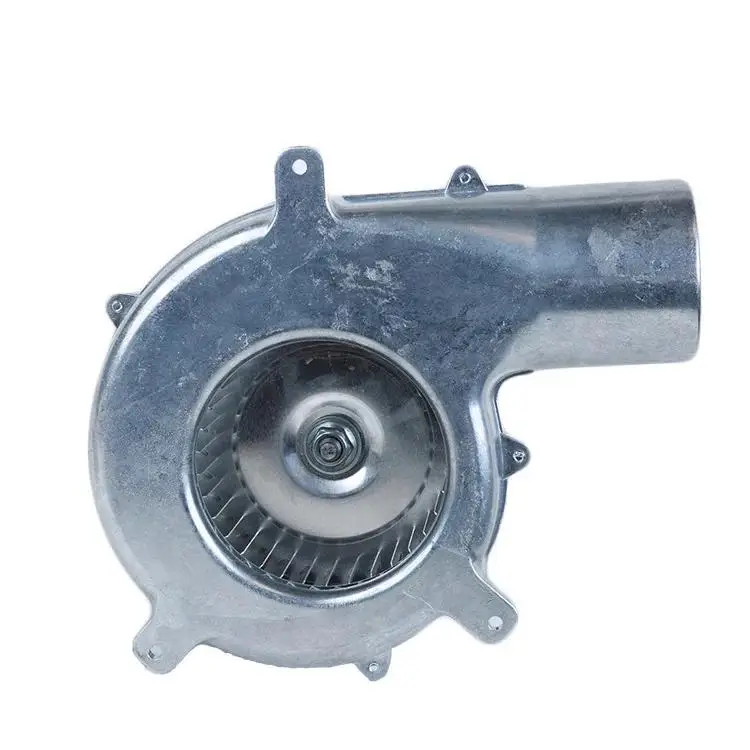
Review the blower in its actual circuit
A combustion-air supply position and an extraction position can expose a blower to different media and temperatures. Establish the intended role before comparing catalogue references. Include the complete intake and discharge arrangement, the mechanical interfaces and the operating sequence needed by the appliance controller.
Specify pressure and airflow together
State the required airflow at the resistance of the intended appliance and connected air path. Include starting and running conditions, and identify the air temperature used for each duty point. Avoid using motor input or a nominal heater rating as the sole basis for identifying the blower configuration.
- Pressure-flow points for operation
- Intake and discharge arrangement
- Air condition for each duty point
Check housing and mounting interfaces
Provide drawings of the inlet, outlet, fixing points and seal locations. Record rotation requirements and available clearance around the motor and connection points. If replacing an existing unit, include its nameplate and configuration identification so dimensional similarities can be checked alongside electrical and air-path requirements.
- Inlet and outlet mating dimensions
- Fixing, sealing and rotation details
- Existing part identification and clearances
Document the full appliance sequence
Describe the speed command or switching sequence, any required feedback, and how the appliance reacts when the expected fan condition is absent. Include startup and shutdown timing requirements as equipment inputs. Temperature and medium suitability must be confirmed for the complete proposed model before an appliance integration test.
- Supply and command arrangement
- Feedback and appliance response
- Startup and shutdown test requirements
Match the fan family to the equipment.
Compare the proposed model at the required airflow and pressure, then check the installation and control interface.
AC gas-blower reference
Compare the AC blower housing and interface arrangement with the appliance drawing. Confirm the complete model at the required air duty and operating temperatures.
Explore this fan family →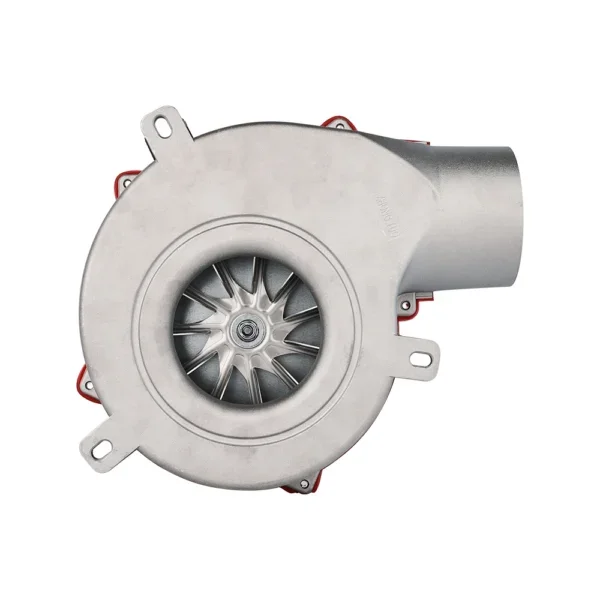
Compact gas-blower configurations
Use the compact gas-blower reference to discuss alternative mechanical or motor configurations. Supply the handled medium and controller requirements with the enquiry.
Explore this fan family →Product images show family configurations. Request the drawing, curve and electrical information for the exact model being considered.
What should your fan enquiry include?
Share these application details so the fan proposal can be reviewed against your equipment.
Bring the equipment context to the fan review.
A drawing, the operating condition and a clear control requirement make the proposed configuration easier to compare. For a replacement, include the existing nameplate and wiring details.
Discuss your application →Reference material for the next step.
Use the AC family references to discuss supply and mounting options; confirm the specific model’s medium and temperature limits.
Product-family catalogue · PDFGas-blower catalogue ↗Compare available gas-blower configurations, then request the complete model drawing and performance curve for the defined appliance air path.
Engineering checklistFan replacement controls checklist ↗Record electrical, control and mechanical interfaces when comparing an existing fan with a proposed replacement in the complete equipment.
Catalogs support initial selection. Confirm the current specification and approved configuration with the project team.
Is an extraction blower selected the same way as an intake blower?
Both need a defined pressure-flow duty, but their exposure can differ. Identify whether the blower handles intake air or a specified extracted medium, and provide temperatures and contamination conditions at its location. Review these conditions against the documentation for the complete proposed model.
What is needed when replacing an existing gas-heating blower?
Provide the old part number, nameplate and assembly drawing, along with the air-path duty and appliance controls. Compare feedback, sealing, rotation and temperature limits as well as fit. The replacement should then be assessed within the appliance’s complete starting, running and stopping sequence.
Continue with the equipment you are designing.
Share your equipment and operating conditions.
Send the drawing, target duty and project timing. Add the existing fan details when you need a replacement.