
Fan Selection for Filter-Based Air Purifiers
An air purifier needs a fan matched to its filters, housing and operating modes. Start with the appliance airflow objective and acceptable sound, then review resistance at clean and loaded-filter conditions. The complete purifier determines clean-air delivery; a fan rating alone does not.
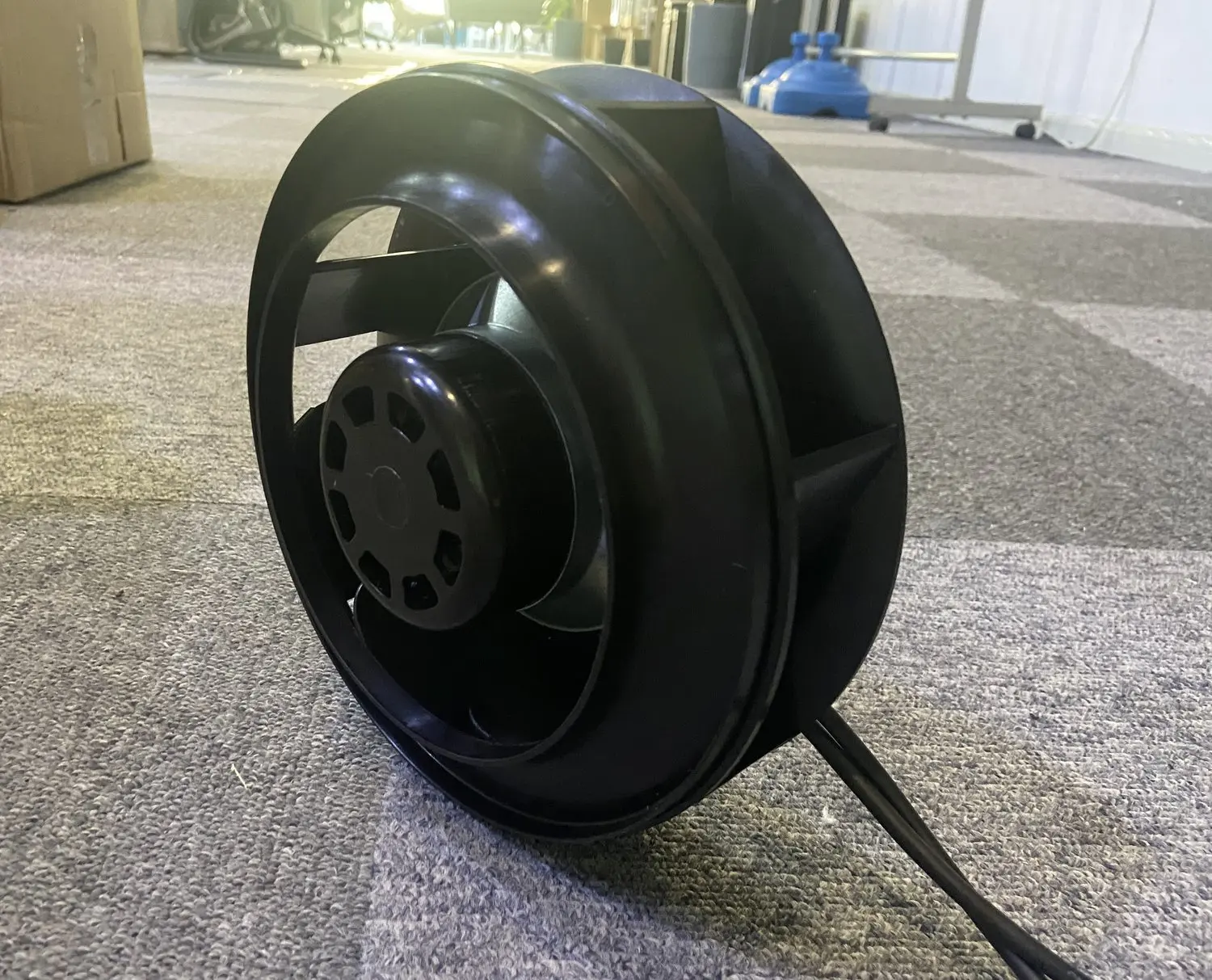
Match airflow, filtration resistance and appliance sound
This page helps appliance builders define the fan task before comparing compact components. Filter area, leakage paths and inlet restrictions can change the installed result. Review the housing layout and control sequence together with the fan curve, then test the proposed assembly in the finished air purifier.
Why a High-Efficiency Filter Is Not Enough for Room Cleaning
An efficient filter needs enough room air to pass through it. Purifier performance depends on the complete air path, the fan speed people actually use and the operating time. Particle CADR describes the complete purifier’s clean-air delivery and is distinct from the fan’s free-air flow.
LONGWELL fan selection. Evaluate LONGWELL EC backward-curved centrifugal fans with the actual filter and housing. Choose a pressure/flow duty and usable noise level, then test the complete purifier. Fan airflow is an input to design; it must not be relabeled as a measured purifier CADR.
Candidate fan family only. Fan airflow is not purifier CADR; no health outcome or whole-purifier certification is claimed.
Operating requirements for this example
In the purifier housing, maintaining flow through the actual filtration stack and outlet.
- Target room size and whole-unit particle CADR
- Filter pressure loss when clean and throughout service
- Required airflow at the normal user-selected speed
- Housing layout, inlet clearance and discharge direction
- Acoustic limit, mounting space and vibration sensitivity
- Supply, speed control and whole-unit verification method
Use the existing product section to distinguish the fan positions and configurations. The animation illustrates one air path; it does not qualify a model for every machine on this page.
Share the filter resistance, target room duty and noise limit with LONGWELL to evaluate the fan and housing together. The email link opens a draft for you to complete and send.
Define the filter path and loaded condition
Provide the filtration stages, their pressure losses and the intended replacement condition. Include grilles and internal channels in the air-path assessment. Compare the fan’s operating points as resistance changes, and identify what the appliance controller should do when the filter approaches its service limit.
- Filter types, area and pressure-loss data
- Clean and replacement-condition operating points
- Housing bypass paths and inlet restrictions
Design the sound profile across user modes
Quiet operation depends on the fan, mounting and enclosure together. State the acoustic measurement method and limits for each intended mode, including nighttime and boost settings. Review vibration transmission and tonal behavior in the assembled product rather than relying only on a free-standing fan measurement.
- Night, normal and boost operating modes
- Sound measurement conditions and positions
- Mounting stiffness and housing resonance
Validate control and complete-appliance performance
Define how the appliance commands speed and detects a stopped or blocked fan. Check startup at the intended low-speed setting, along with power input and airflow in the housing. Evaluate clean-air delivery using the complete appliance and agreed filter configuration before making an end-product performance claim.
- Speed input and rotation or fault feedback
- Low-speed startup and blocked-path response
- Complete-unit airflow and clean-air-delivery tests
Match the fan family to the equipment.
Compare the proposed model at the required airflow and pressure, then check the installation and control interface.
Backward-curved centrifugal fans
Review backward-curved centrifugal formats for filter paths requiring pressure capability. Select the curve, inlet arrangement and control version against the assembled purifier’s operating modes.
Explore this fan family →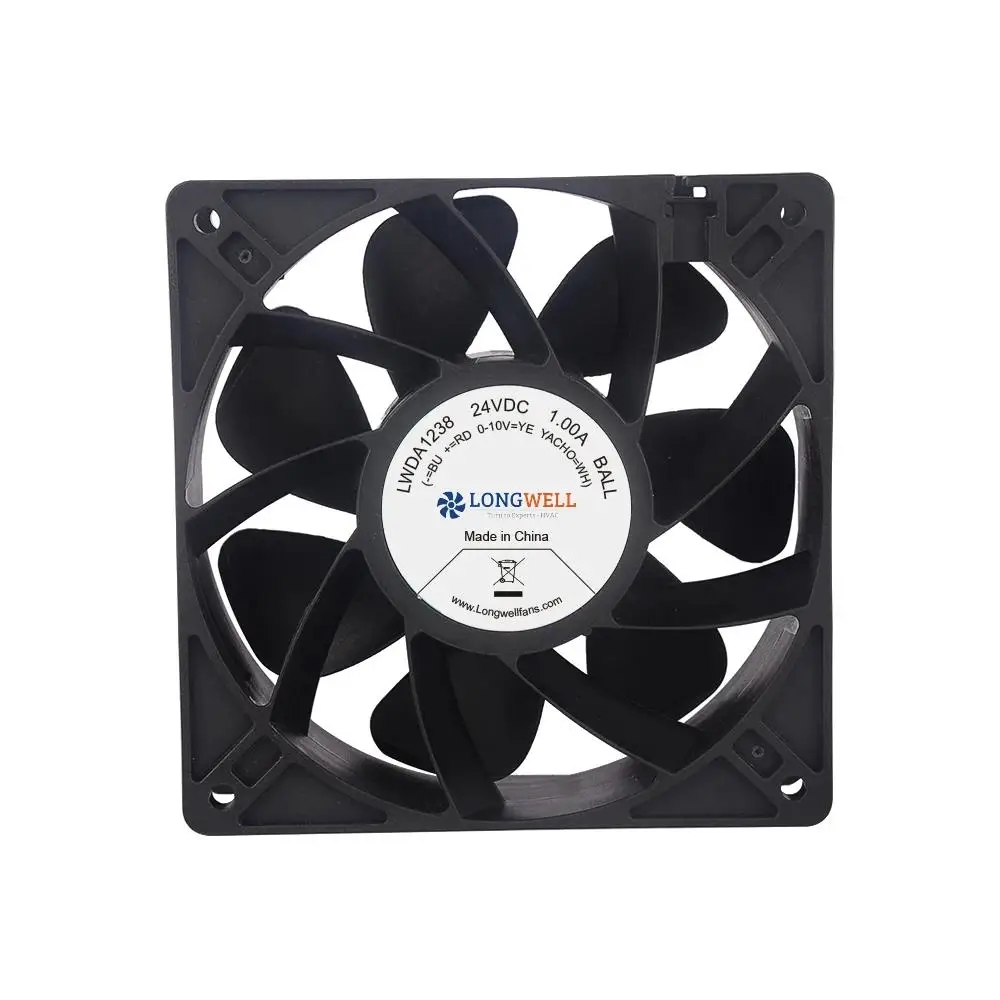
Compact DC axial fans
Consider compact axial formats only where the verified filter and housing resistance fits their curves. Confirm installed airflow, sound and feedback in the proposed appliance.
Explore this fan family →Product images show family configurations. Request the drawing, curve and electrical information for the exact model being considered.
What should your fan enquiry include?
Share these application details so the fan proposal can be reviewed against your equipment.
Bring the equipment context to the fan review.
A drawing, the operating condition and a clear control requirement make the proposed configuration easier to compare. For a replacement, include the existing nameplate and wiring details.
Discuss your application →Reference material for the next step.
Explore compact centrifugal fan options, then request model data at the clean and loaded-filter operating points for your purifier.
Series catalog · PDFCompact DC cooling fan catalog ↗Review compact frame options and confirm control, feedback and installation limits for the proposed low-resistance appliance air path.
Catalogs support initial selection. Confirm the current specification and approved configuration with the project team.
Is fan airflow the same as purifier clean-air delivery?
No. Clean-air delivery is an appliance-level result influenced by the filter, leakage, housing and operating mode as well as airflow. Use the selected fan curve for component selection, then evaluate the complete purifier with the intended filter configuration and test method.
Should selection use only a new filter?
Include the expected loaded-filter condition. As resistance increases, the installed airflow and electrical operating point can change. Agree the service limit and control strategy, then check the fan and appliance at representative filter conditions instead of basing selection on a new filter alone.
Continue with the equipment you are designing.
Share your equipment and operating conditions.
Send the drawing, target duty and project timing. Add the existing fan details when you need a replacement.