
Fans for Room-Level Residential Ventilation Equipment
Room-level ventilation can be useful where a central duct network is impractical. Fan selection starts with the wall or window installation, required airflow and acceptable room sound. Define whether the equipment uses separate air paths or an alternating sequence before reviewing a component.
Fit the fan to the complete room unit
Compact residential units combine the fan with grilles, filters and sometimes a heat-storage or heat-recovery element. Their arrangement determines resistance and airflow direction. This page helps equipment builders prepare the dimensions, operating sequence and test requirements needed to assess a fan within that assembly.
Choose the supply and extract arrangement
State whether the unit uses simultaneous supply and extract or alternates direction through one passage. Identify any paired-unit coordination and the required cycle. Direction reversal is a model-specific capability; verify the proposed fan and controller together instead of assuming that any axial fan is reversible.
- Separate or alternating airflow paths
- Direction and timing of each operating mode
- Paired-unit and controller coordination
Review the wall passage and room acoustics
The available depth must accommodate the fan, grilles, filter and any heat-recovery element while preserving service access. Include their resistance when reviewing airflow. Identify the room-side measurement position and operating modes for sound evaluation, including low-speed operation and any temporary boost function.
- Wall thickness and internal assembly drawing
- Grille, filter and core resistance
- Room-side sound limits by operating mode
Confirm moisture and fault behavior
Describe exposure to condensation, wind-driven moisture and cleaning. Review cable routing, connectors and the intended enclosure protection with the unit designer. Agree how the unit starts, stops and reports a fault, and include those conditions in the sample test plan before freezing the configuration.
- Condensation paths and cleaning exposure
- Supply tolerance and connector arrangement
- Startup, shutdown and fault indication
Match the fan family to the equipment.
Compare the proposed model at the required airflow and pressure, then check the installation and control interface.
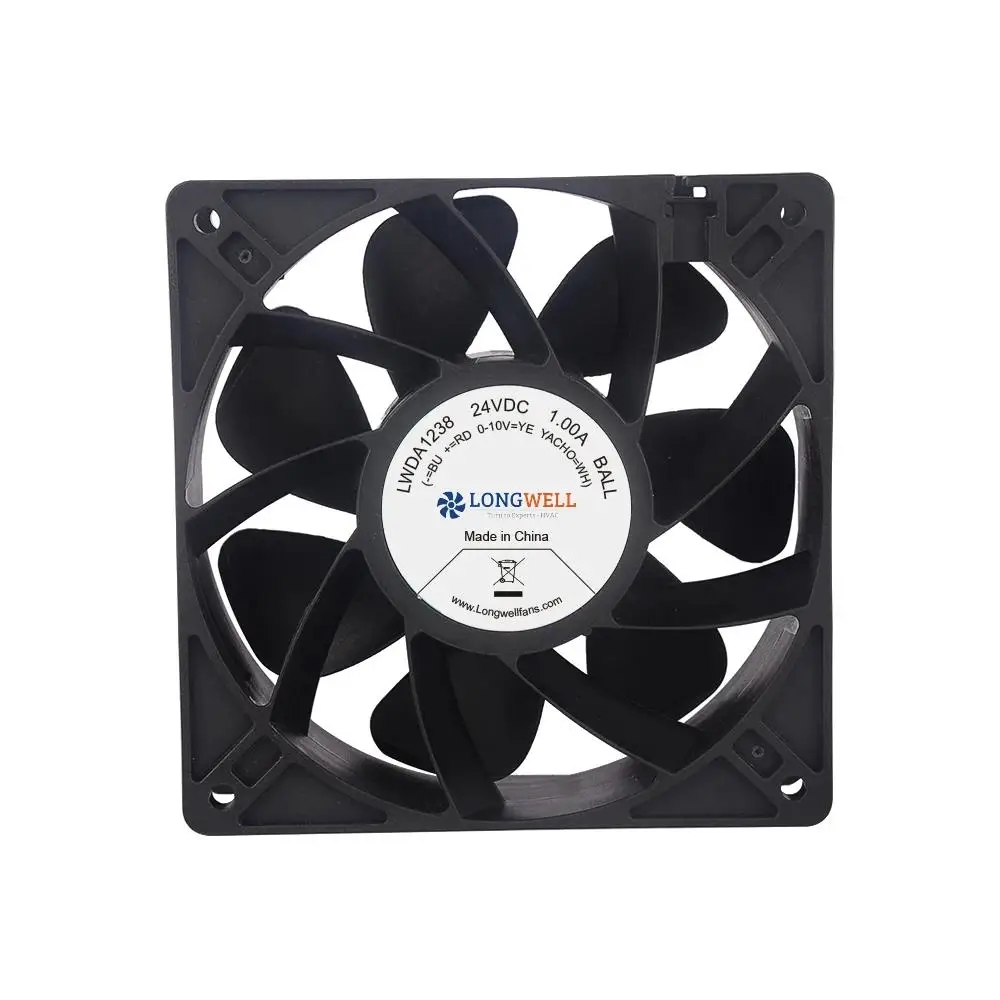
Compact DC axial fans
Review compact axial formats for room units where the required operating point and installation fit. Reversal, control inputs and feedback must be confirmed for the selected version.
Explore this fan family →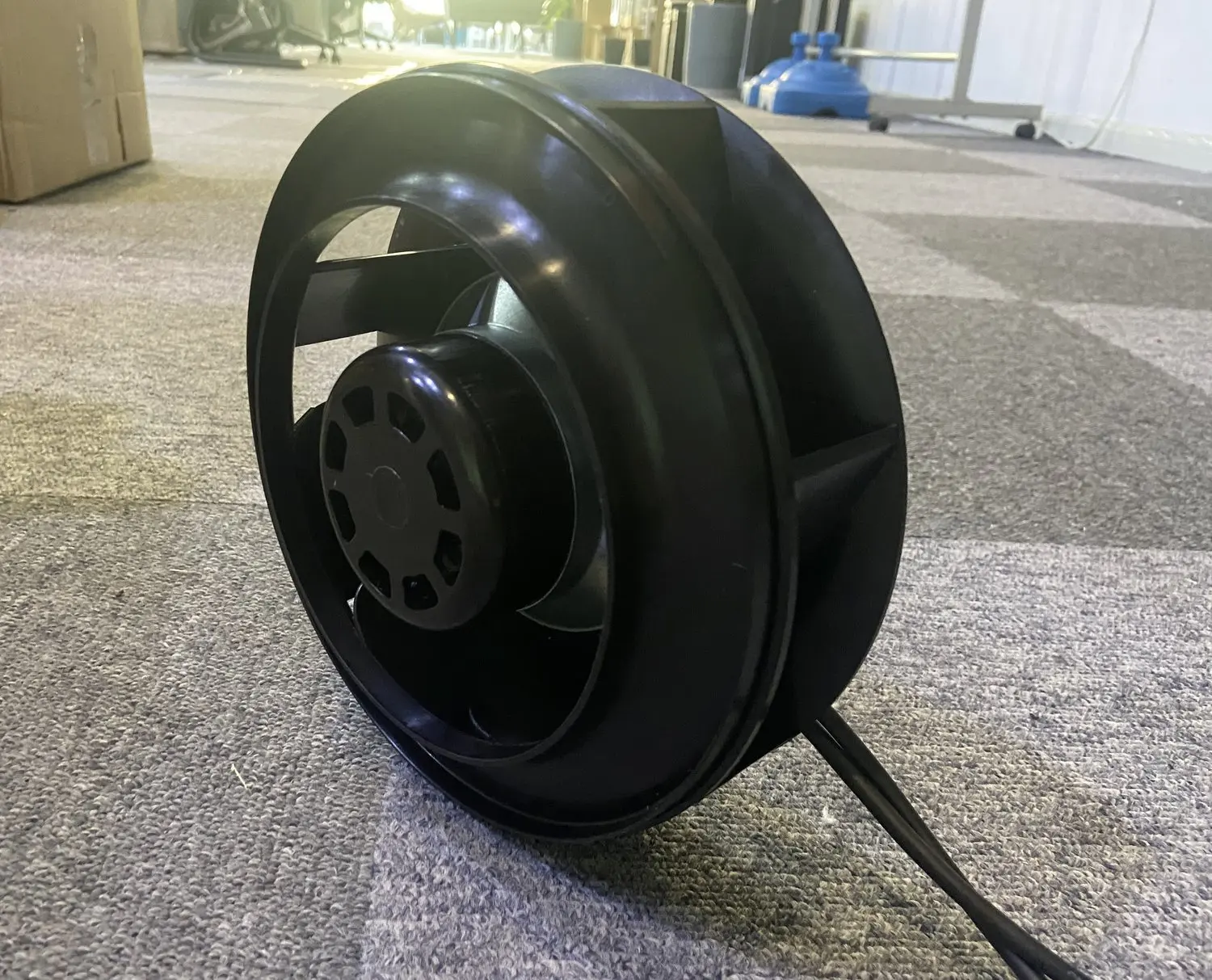
Backward-curved centrifugal fans
Review small centrifugal formats where a separate supply or extract path needs pressure capability. Match the fan with the filter, internal channel and housing geometry.
Explore this fan family →Product images show family configurations. Request the drawing, curve and electrical information for the exact model being considered.
What should your fan enquiry include?
Share these application details so the fan proposal can be reviewed against your equipment.
Bring the equipment context to the fan review.
A drawing, the operating condition and a clear control requirement make the proposed configuration easier to compare. For a replacement, include the existing nameplate and wiring details.
Discuss your application →Reference material for the next step.
Compare compact fan frames and request the exact electrical and control specification for the proposed room-level ventilation sequence.
Series catalog · PDFEC backward-curved fan catalog ↗Review centrifugal component formats for compact air paths, then confirm the selected curve and mounting drawing with the unit design.
Catalogs support initial selection. Confirm the current specification and approved configuration with the project team.
Can a standard fan reverse direction for an alternating unit?
Do not assume this from the fan format alone. Confirm whether the exact motor, electronics and impeller arrangement supports the required directional cycle. The complete unit must be checked for airflow, startup, sound and interaction with its heat-recovery element in each operating direction.
Which dimensions matter beyond the fan diameter?
Provide the wall depth, sleeve diameter, grille positions, filter or core thickness and available mounting points. Cable routing and access for cleaning also consume space. Review these together so a fan that fits physically can still operate with adequate inlet and outlet clearance.
Continue with the equipment you are designing.
Share your equipment and operating conditions.
Send the drawing, target duty and project timing. Add the existing fan details when you need a replacement.