
Fan Replacement Checks for Fit and Controls
A replacement fan must fit the equipment, deliver the required operating point and work with the existing electrical controls. Begin with the original nameplate, installation drawing and connection details. Similar diameter, appearance or connector shape is not enough to establish that two fans are interchangeable.
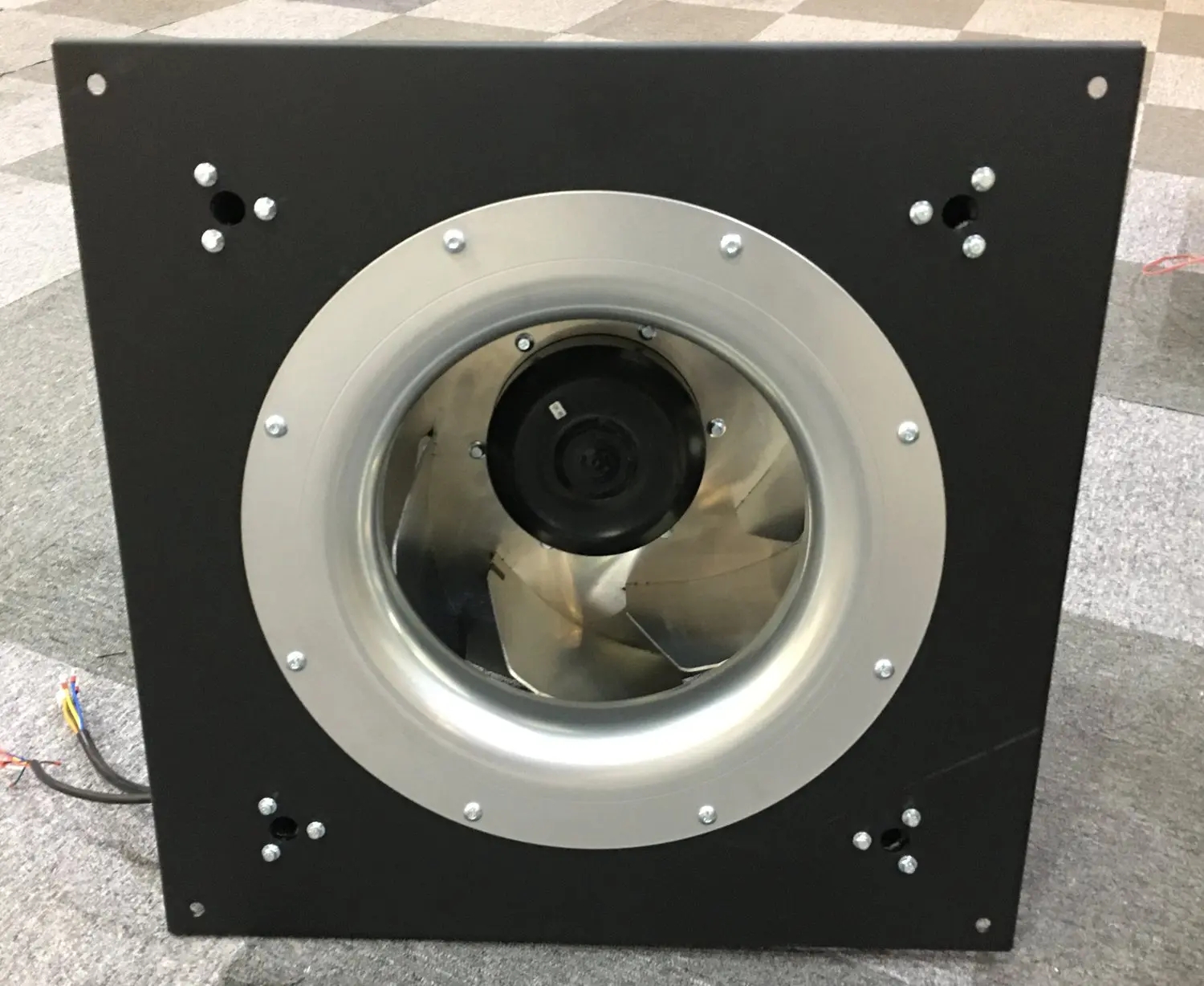
Build an evidence-based comparison of the two components
This page supports replacement enquiries for installed fans in cabinets, ventilation units and other equipment. It helps identify the mechanical, aerodynamic and electrical checks needed before ordering a candidate. Record any changed configuration and validate the proposed fan within the equipment rather than relying on a brand or format comparison.
Identify the original fan and installation
Photograph the nameplate and connections, and record the complete model including suffixes. Measure the mounting, available depth, inlet ring and discharge clearances. Note rotation and airflow direction, cable length and service constraints so the proposal can distinguish a direct component fit from an installation requiring modification.
- Full model, suffix and nameplate photographs
- Mounting, inlet geometry and available depth
- Airflow direction, wiring length and service access
Compare electrical and control interfaces
Confirm the supply voltage, frequency or DC range and the relevant protection arrangement. Record speed-command and feedback definitions, including connector pin order. Review startup, low-speed operation and fault signals with the existing controller; matching the wire count does not establish equivalent functions or acceptable behavior.
- Supply and required protection arrangement
- Pinout, speed command and feedback definition
- Startup, low-speed and fault behavior
Check performance in the intended equipment
Compare the original and candidate at the required airflow and pressure together. Include expected filter or system changes and review input power and sound under comparable conditions. Agree a trial and acceptance record before treating the selection as a confirmed replacement, particularly where mounting or control changes are needed.
- Equivalent airflow and pressure operating point
- Power and sound under comparable conditions
- Trial configuration and equipment acceptance criteria
Match the fan family to the equipment.
Compare the proposed model at the required airflow and pressure, then check the installation and control interface.
Panel-mounted centrifugal options
Review centrifugal options for replacements in restricted cabinets and ventilation units. Confirm panel dimensions, inlet conditions and control compatibility rather than assuming a format-level interchange.
Explore this fan family →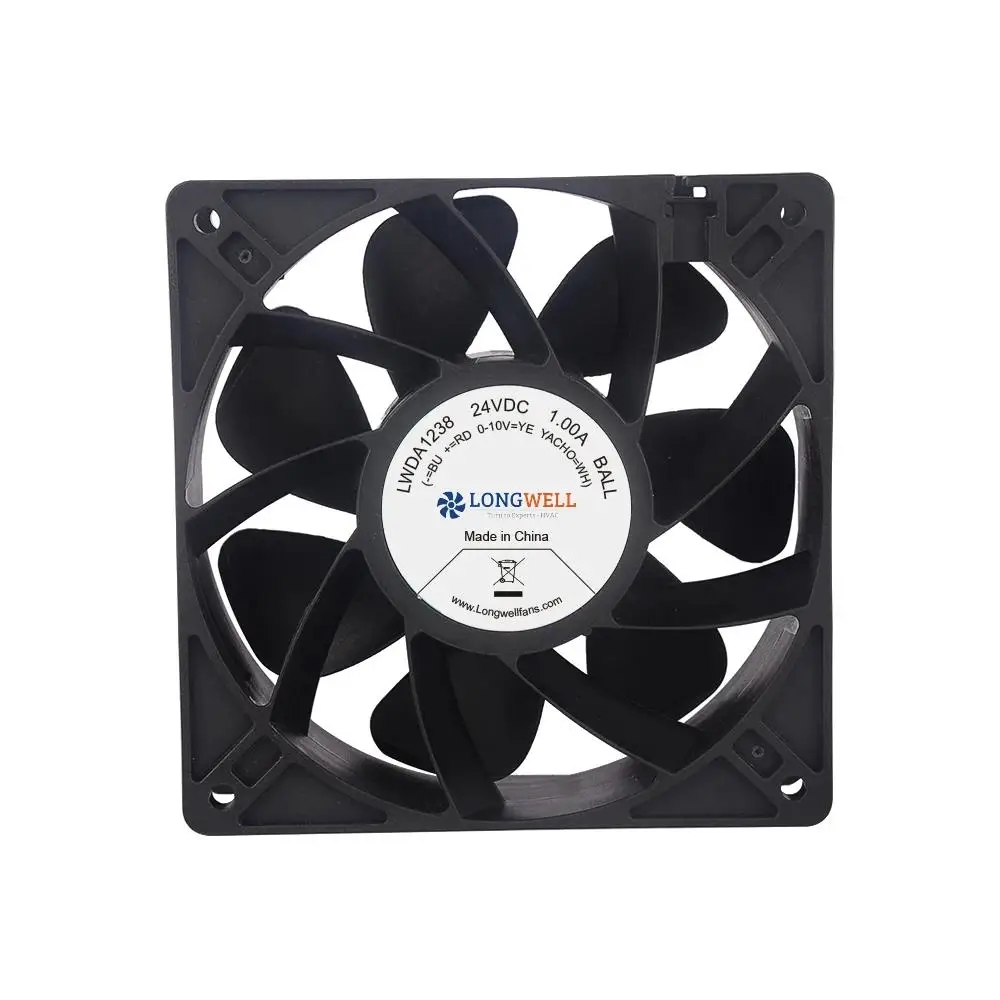
Compact DC axial fans
Review compact DC options where the original fan serves electronics. Confirm the complete pinout, operating point and monitoring behavior for the selected replacement version.
Explore this fan family →Product images show family configurations. Request the drawing, curve and electrical information for the exact model being considered.
What should your fan enquiry include?
Share these application details so the fan proposal can be reviewed against your equipment.
Bring the equipment context to the fan review.
A drawing, the operating condition and a clear control requirement make the proposed configuration easier to compare. For a replacement, include the existing nameplate and wiring details.
Discuss your application →Reference material for the next step.
Use the replacement checklist to gather mounting, supply and control details before comparing a candidate with the original fan.
Selection guideFan cross-reference guide ↗Use the cross-reference guide as an enquiry starting point, supported by the original nameplate and actual equipment requirements.
Catalogs support initial selection. Confirm the current specification and approved configuration with the project team.
Does a matching diameter mean the fan is interchangeable?
No. Mounting holes, depth, inlet geometry, airflow direction, electrical supply and control signals can differ. Even a physical fit may operate at a different point in the equipment. Review the complete model and installation, then confirm the candidate through the agreed compatibility and performance checks.
Which documents are most useful when the old datasheet is missing?
Start with clear nameplate and wiring photographs, the equipment drawing and measured installation dimensions. Provide the controller signal definitions and any available airflow or pressure measurements. Identify missing information explicitly so the replacement review can establish what needs measurement or confirmation before a candidate is approved.
Continue with the equipment you are designing.
Share your equipment and operating conditions.
Send the drawing, target duty and project timing. Add the existing fan details when you need a replacement.