
Fans for Household and Commercial Appliance Air Paths
Appliance fan selection starts with the function of the air: drying, extraction, cavity circulation or cooling electrical components. LONGWELL fan and motor references help compare those roles using the actual housing, resistance and exposure conditions, then prepare a model enquiry for the complete appliance assembly.
Explore the applications in this industry.
Choose the air path before choosing the fan
An appliance can contain hot, moist or contaminated passages alongside a separate electronics compartment. Map those circuits, then define conditions at the proposed fan position. Compare useful product formats against each air path, with its own operating cycle and exposure requirements.
Drying and moisture management
For dryers and dishwashers, describe the circulation or extraction route and the resistance of filters, ducts and heat-exchange sections. Record moisture and condensation exposure at the fan itself. Include the operating cycle and cleaning access so the proposed assembly can be reviewed against conditions during use, shutdown and service.
- Drying-air route and pressure loss
- Moisture and condensation at the fan
- Operating cycle and cleaning access
Oven circulation and component cooling
Separate the hot cavity from the motor compartment and from fascia or electronics cooling. Send drawings of the motor, shaft, impeller and mounting arrangement for circulation duties. For a separate room-air cooling circuit, define its own airflow and temperature requirements rather than assuming the same fan can serve both positions.
- Cavity and motor temperatures
- Shaft, impeller and mounting layout
- Separate electronics-cooling duty
Extraction, housing and installed sound
For extractor hoods and other exhaust appliances, include filters, outlet connections and duct resistance in the duty point. Define the available housing and service access, including how deposits are removed. Compare sound at the required installed operating settings, with the complete air passage and appliance mounting in place.
- Filters and connected duct losses
- Housing and cleaning arrangement
- Installed sound at each setting
Match the fan family to the equipment.
Compare the proposed model at the required airflow and pressure, then check the installation and control interface.
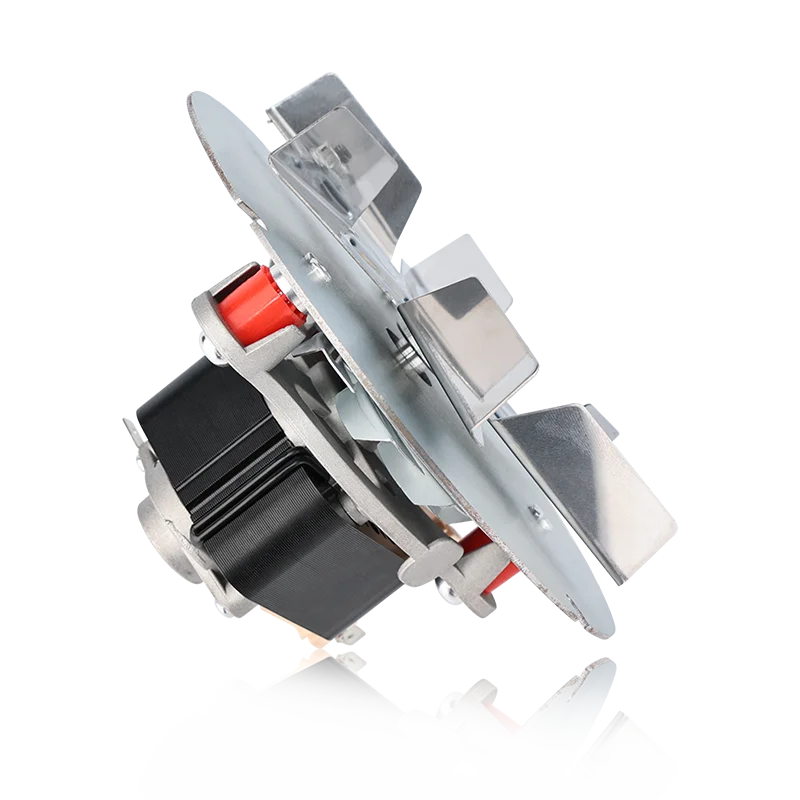
Oven fan-motor assemblies
Review motor-and-impeller formats for an oven’s defined circulation arrangement. Confirm shaft geometry, mounting, motor cooling and the temperatures that apply to the complete assembly.
Explore this fan family →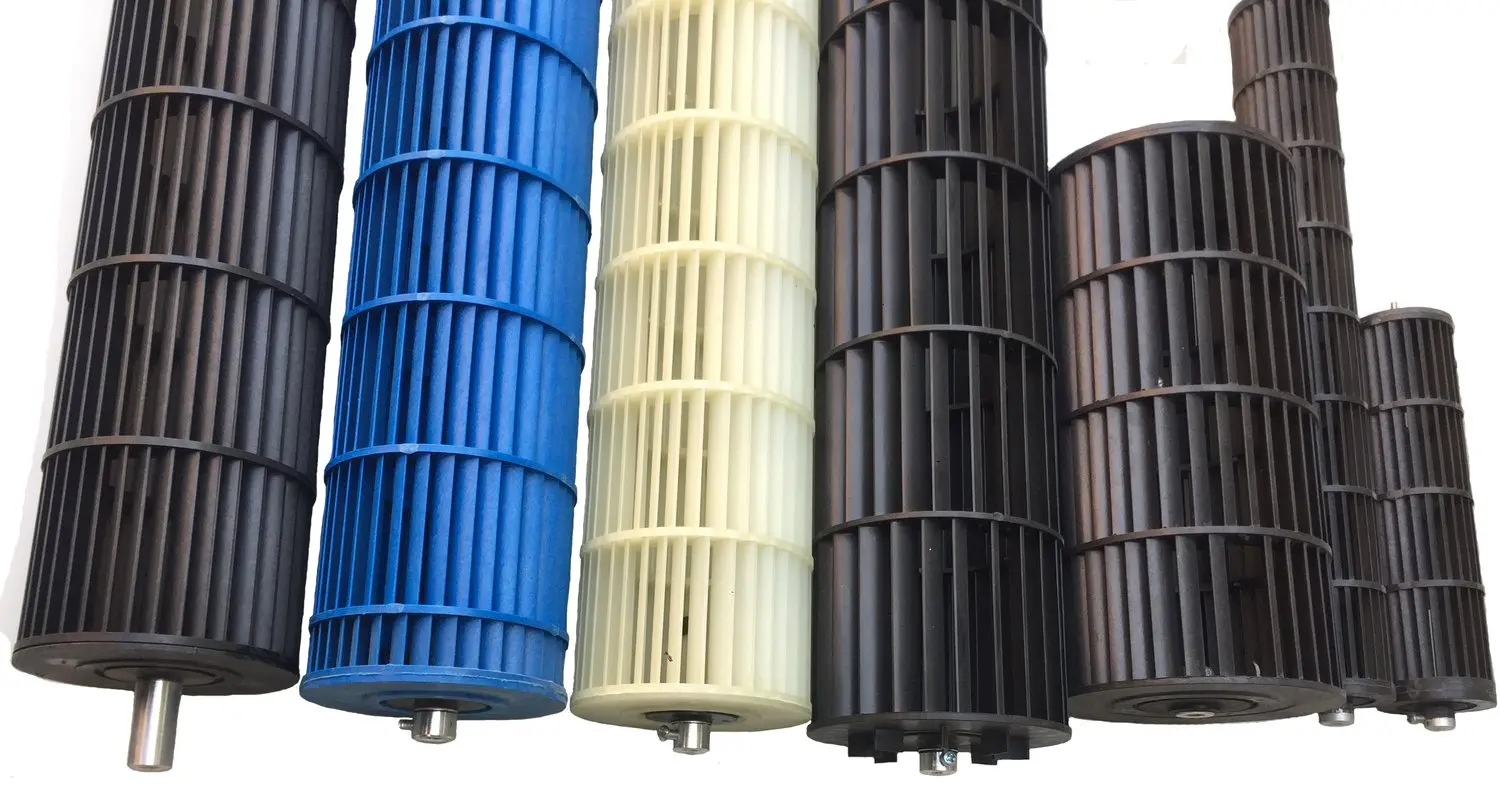
Cross-flow fan families
Compare cross-flow families for long narrow outlets in a defined appliance air path. Request model-specific data for the required temperature, moisture and mounting conditions.
Explore this fan family →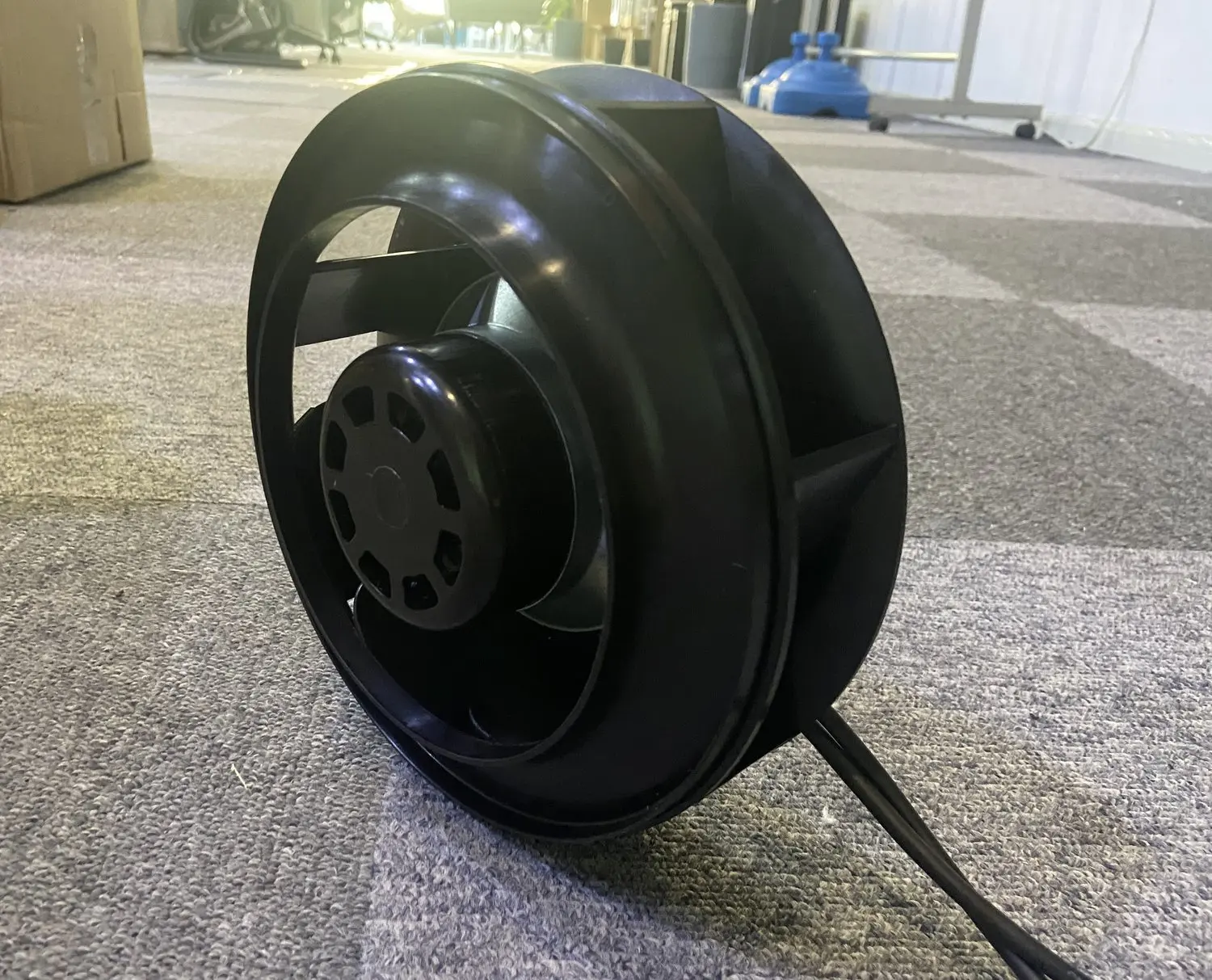
EC backward-curved centrifugal fans
Review centrifugal formats where the appliance air path has a specified pressure requirement. Confirm the complete model’s exposure limits and installation clearances before choosing a sample.
Explore this fan family →Product images show family configurations. Request the drawing, curve and electrical information for the exact model being considered.
What should your fan enquiry include?
Share these application details so the fan proposal can be reviewed against your equipment.
Bring the equipment context to the fan review.
A drawing, the operating condition and a clear control requirement make the proposed configuration easier to compare. For a replacement, include the existing nameplate and wiring details.
Discuss your application →Reference material for the next step.
Review the published motor and impeller references, then confirm shaft geometry, motor cooling and temperature limits for the oven assembly.
Cross-flow series · PDFCross-flow fan catalogue ↗Compare rotor lengths and motor arrangements, then request model-specific airflow, temperature and mounting information for the proposed outlet layout.
EC centrifugal series · PDFEC backward-curved fan catalogue ↗Use the family references for initial comparison, then confirm the selected assembly with its inlet geometry and required operating point.
Catalogs support initial selection. Confirm the current specification and approved configuration with the project team.
Can an appliance use different fan formats in the same product?
Yes, where it contains different air circuits. An oven may need a dedicated circulation assembly and a separate electronics-cooling fan; a drying appliance may also have several airflow roles. Specify the pressure, temperature and exposure requirements independently for each position before comparing available configurations.
What should an appliance sample request include?
Provide the housing drawing, operating cycle and required pressure-flow points, together with the proposed fan location. Add exposure conditions, electrical interfaces, sound targets and cleaning access. These inputs support a specific sample configuration and a test plan that reflects the complete appliance rather than an isolated fan.
Continue with the equipment you are designing.
Share your equipment and operating conditions.
Send the drawing, target duty and project timing. Add the existing fan details when you need a replacement.