LONGWELL / Heat pumps

Heat-Pump Fans for Coil Airflow and Operating Modes

Prepare heat-pump fan selection around the outdoor coil and the complete enclosure. Supply airflow and pressure requirements for heating, cooling where applicable, and relevant transition modes, together with ambient exposure and acoustic targets. LONGWELL EC axial references provide a starting point for the model review.

Coil resistanceDefrost conditionsInstalled acoustics
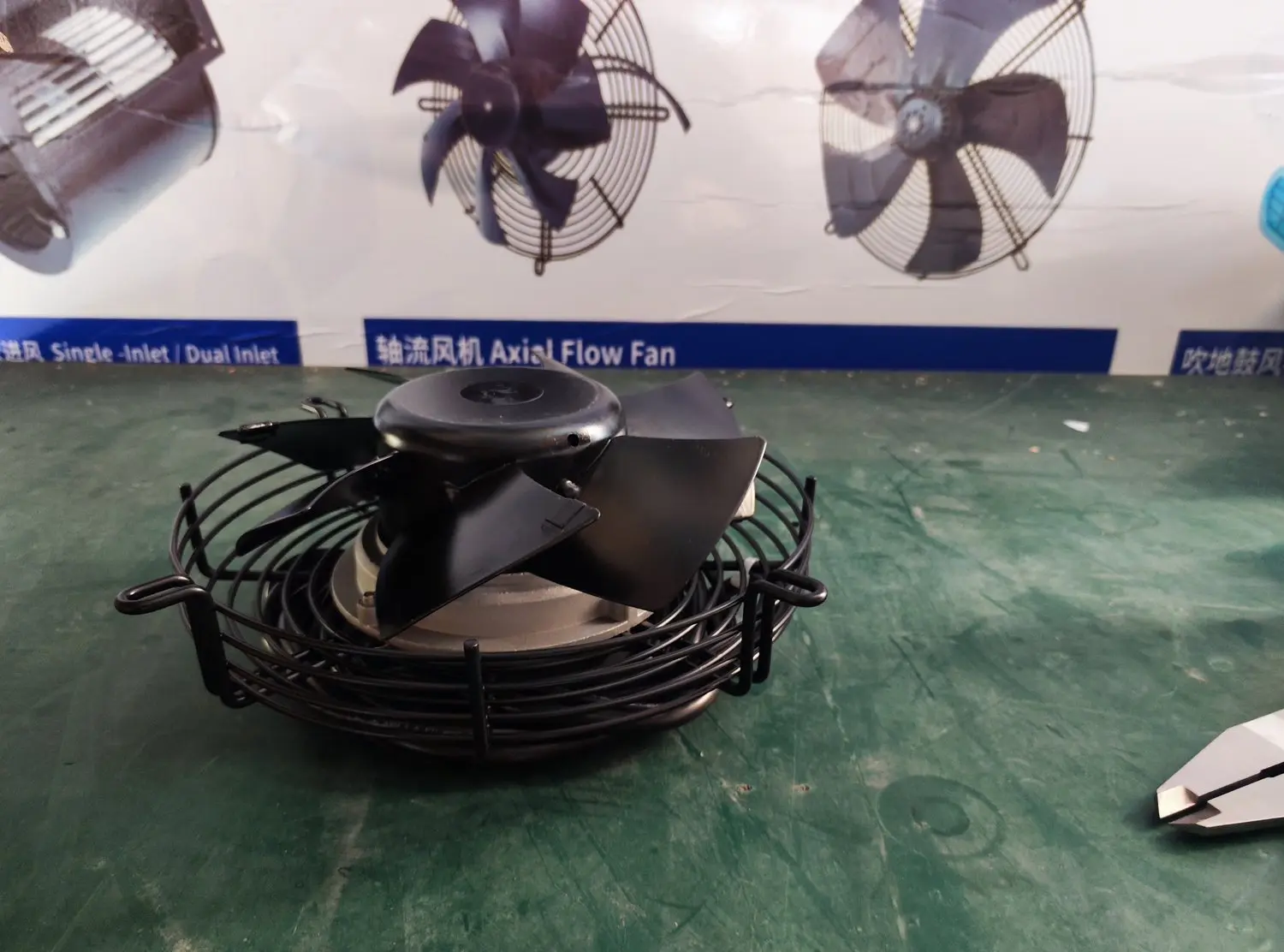
LONGWELL axial fan sample on a workbench
LONGWELL axial fan sample on a workbench; a product reference for coil-airflow review.
01 / Application & operating conditions

Select at the installed coil duty

The fan operates with a coil, guards, panels and surrounding clearances. Use their combined resistance and the equipment mode schedule to compare candidate fans. For integrated ventilation systems, define the ducted-air duty separately from the outdoor-coil duty so each fan can be selected on its own requirements.

WATCH THE APPLICATION PRINCIPLE · ENGLISH

How a heat pump takes heat from winter air

In heating mode, the outdoor evaporator is colder than the incoming air. The fan renews air at the fins, allowing heat to pass into the refrigerant. Frost and inlet restrictions change the air-side operating conditions.

English narration and on-screen captions · 83 seconds · Equipment and flow paths are schematic.

Product scope in this film: Evaluate LONGWELL EC axial candidates with the actual coil, clearances, controls and outdoor conditions. Defrost operation and complete heat-pump performance require equipment-specific validation.

Explore the LONGWELL fan family  ·  Share your equipment and air-path requirements

01

Map heating and transition duties

Record the required airflow and external static pressure for each heat-pump operating condition. State the air condition used for the duty calculation and describe the coil and inlet arrangement. Include the control response around defrost and restart so the proposed fan can be reviewed against the intended sequence.

  • Mode-by-mode airflow and pressure
  • Coil, grille and inlet geometry
  • Defrost and restart sequence
02

Resolve the outdoor installation

Check fan diameter, inlet clearance, guard position and panel mounting against the equipment drawing. Identify rain, condensation, corrosion exposure and the relevant motor ambient temperatures. Include service access and cable routing in the mechanical review; these details help define a configuration that can be evaluated in the actual enclosure.

  • Mounting pattern and guard clearance
  • Water and corrosion exposure
  • Cable routing and service space
03

Compare sound and control together

Define the supply and speed command, then compare the sound target at specified fan operating points. Distinguish the fan’s measured data from the assembled outdoor unit, where panels and inlet conditions can affect the result. Agree feedback requirements and the equipment response to a fan fault before prototype testing.

  • Command range and feedback format
  • Sound measurement distance and mode
  • Prototype enclosure test conditions
02 / Product routes for this application

Match the fan family to the equipment.

Compare the proposed model at the required airflow and pressure, then check the installation and control interface.

LONGWELL axial fan sample on a workbench

EC axial fans

An EC axial family for outdoor-coil air movement. Select using the installed duty, guard geometry and specified ambient exposure rather than free-air flow alone.

Explore this fan family →
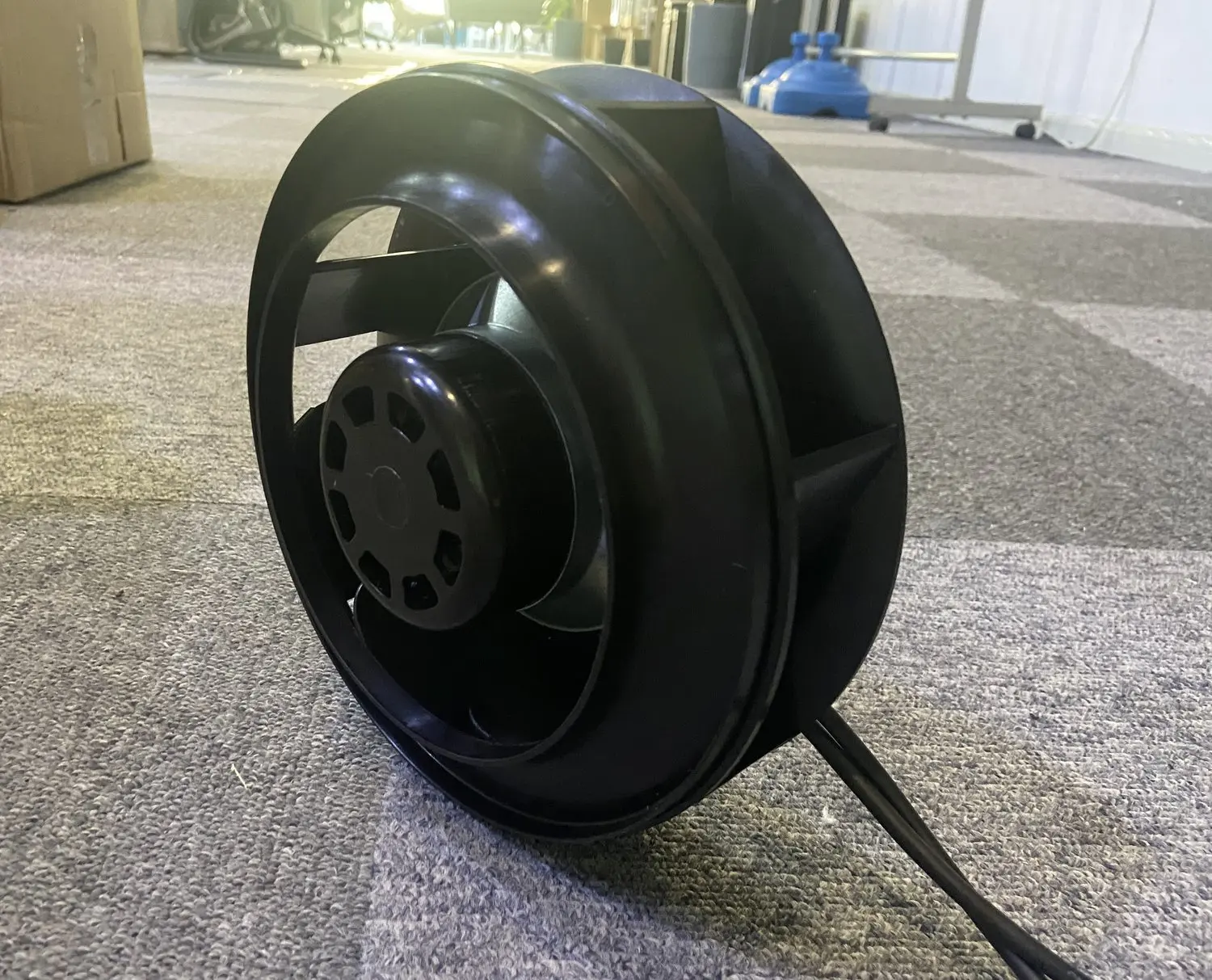
LONGWELL compact EC backward-curved impeller sample

EC backward-curved centrifugal fans

Consider EC centrifugal formats where the heat-pump package includes a separate ducted ventilation path. Define that duct and filter duty independently of the outdoor fan.

Explore this fan family →
Select a model for this applicationLONGWELL Fan Selector — every model with its catalogue curve, datasheet and drawing. No login.
Or enter the duty point directly

Airflow and static pressure at the installed condition — the selector returns every model whose curve covers it, with margin, power and noise.

Library: Ø25–1,000 mm, single units up to about 52,000 m³/h — larger duties go straight to an engineer. Prefer to talk it through? Send your specs to an engineer

Product images show family configurations. Request the drawing, curve and electrical information for the exact model being considered.

03 / Prepare a useful selection brief

What should your fan enquiry include?

Share these application details so the fan proposal can be reviewed against your equipment.

01Heat-pump layout and fan position
02Coil and enclosure resistance by mode
03Required airflow and inlet air conditions
04Outdoor exposure and defrost sequence
05Supply, command, feedback and fault logic
06Mounting drawing and installed acoustic target

Bring the equipment context to the fan review.

A drawing, the operating condition and a clear control requirement make the proposed configuration easier to compare. For a replacement, include the existing nameplate and wiring details.

Discuss your application →
04 / Technical resources

Reference material for the next step.

Catalogs support initial selection. Confirm the current specification and approved configuration with the project team.

Should outdoor and ventilation fans use the same selection point?

Specify them separately when the package has distinct air paths. The outdoor fan works against the coil and enclosure, while a ventilation fan may also serve ducts, filters or heat-recovery components. Their pressure requirements and operating schedules can therefore differ within the same system.

How should fan noise be compared between candidates?

Compare data at the same airflow, pressure and measurement conditions, then verify the assembled unit. Include the fan speed or control setting, measurement position and enclosure arrangement in the test record. Catalogue sound figures alone do not describe every heat-pump installation or operating mode.

From application to a concrete proposal

Share your equipment and operating conditions.

Send the drawing, target duty and project timing. Add the existing fan details when you need a replacement.

Send your requirements →