
Blower Selection for Commercial Condensing Boiler Systems
Commercial condensing equipment needs a blower brief for each burner or appliance, including low-load operation and startup. LONGWELL gas-blower references support configuration discussions when pressure-flow requirements, air-path exposure, service access and the controller interface are defined for the complete commercial heating system.
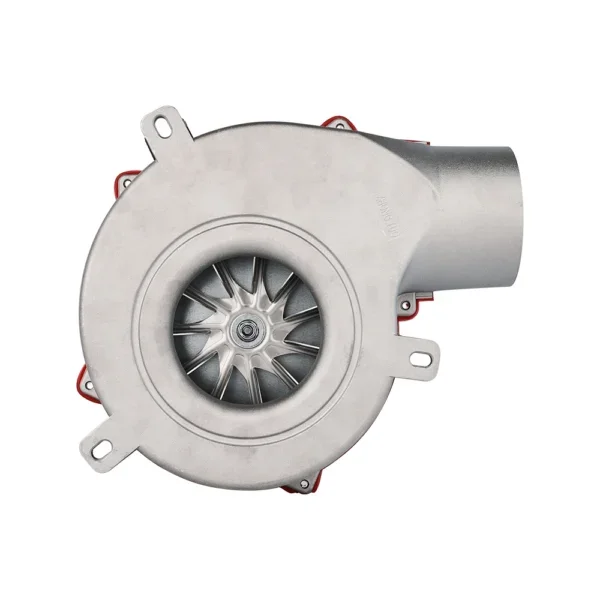
Define each appliance before reviewing the cascade
A commercial heating installation may combine several appliances or burners. Size and review each blower against its own air circuit, then document how appliance staging changes the operating schedule. The enquiry should identify continuous and transient requirements without treating total plant output as a blower specification.
Build a per-burner duty table
List airflow and pressure requirements for each burner or boiler module across its firing range. Include low-load operation and startup rather than supplying only the maximum system output. State intake and exhaust boundary conditions so the blower proposal is assessed against the correct appliance circuit and installation arrangement.
- Individual burner or module duty
- Minimum-load and startup requirements
- Intake and exhaust boundary conditions
Plan access and exposure conditions
Provide the mounting drawing with removal clearances, inlet and outlet interfaces and cable access. Identify handled-medium temperature separately from the motor-compartment temperature. Describe condensate paths and any repeated wetting conditions so the proposed housing, sealing and mounting arrangement can be reviewed before the equipment layout is fixed.
- Removal space and mounting interfaces
- Condensate route and wetting conditions
- Normal and transient temperatures
Coordinate control and service records
Record the command and feedback interface for each appliance and describe the required response to loss of the blower signal. Keep the fan model and configuration identifiable within the equipment service documentation. Agree sample test points with the appliance manufacturer, including operation after staging changes and scheduled shutdowns.
- Command and feedback per appliance
- Configuration identification for service
- Staging and shutdown test points
Match the fan family to the equipment.
Compare the proposed model at the required airflow and pressure, then check the installation and control interface.
Compact gas-blower configurations
Review gas-blower configurations against the individual commercial appliance air circuit. Request the complete model curve, interface drawing and documented operating limits for assessment.
Explore this fan family →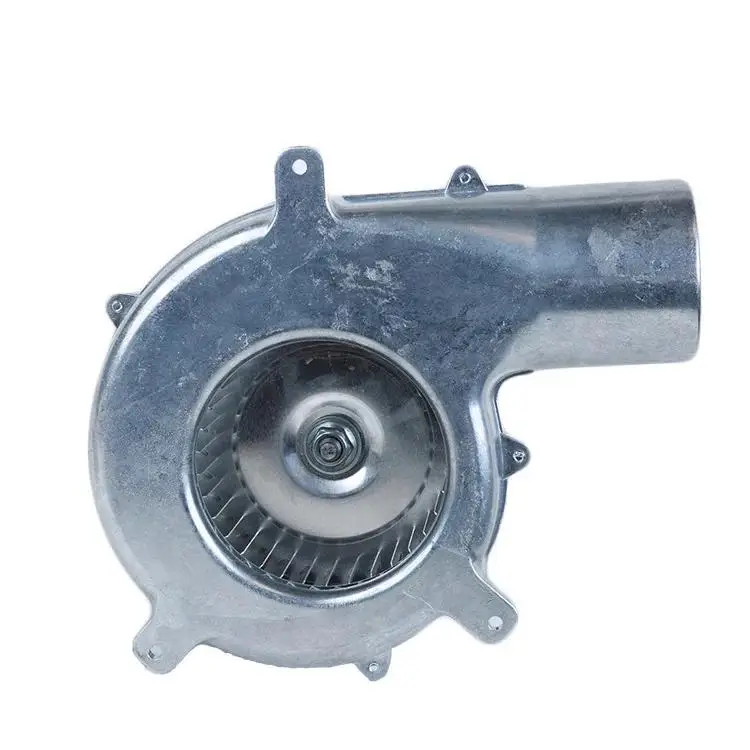
AC gas-blower reference
Compare an AC blower reference where its electrical and mechanical arrangement fits the burner brief. Required output and environmental suitability remain model-specific review items.
Explore this fan family →Product images show family configurations. Request the drawing, curve and electrical information for the exact model being considered.
What should your fan enquiry include?
Share these application details so the fan proposal can be reviewed against your equipment.
Bring the equipment context to the fan review.
A drawing, the operating condition and a clear control requirement make the proposed configuration easier to compare. For a replacement, include the existing nameplate and wiring details.
Discuss your application →Reference material for the next step.
Compare available gas-blower configurations, then request the complete model drawing and performance curve for the defined appliance air path.
AC series catalogue · PDFAC gas-blower catalogue ↗Use the AC family references to discuss supply and mounting options; confirm the specific model’s medium and temperature limits.
Engineering checklistFan replacement controls checklist ↗Record electrical, control and mechanical interfaces when comparing an existing fan with a proposed replacement in the complete equipment.
Catalogs support initial selection. Confirm the current specification and approved configuration with the project team.
Can total plant output determine the blower model?
It is not a sufficient selection input. A plant may contain multiple independent appliances, and each air circuit has its own pressure-flow requirement. Provide the duty for each burner or module, together with its operating range and air-path arrangement, before comparing blower configurations.
What should a cascade project include in its blower enquiry?
Include the number of appliances, their individual duties and the intended staging schedule. Add controller interfaces, intake and exhaust boundary conditions and access requirements for replacement. The blower review should remain traceable to each appliance configuration and its agreed validation procedure within the installation.
Continue with the equipment you are designing.
Share your equipment and operating conditions.
Send the drawing, target duty and project timing. Add the existing fan details when you need a replacement.