
Blowers for Burner Combustion-Air Configuration Review
Burner blower selection starts with airflow and pressure across the required operating range, together with the burner’s mechanical and control interfaces. LONGWELL blower references support a configuration discussion once those inputs are defined. The complete burner assembly determines the required validation and documentation for the proposed model.
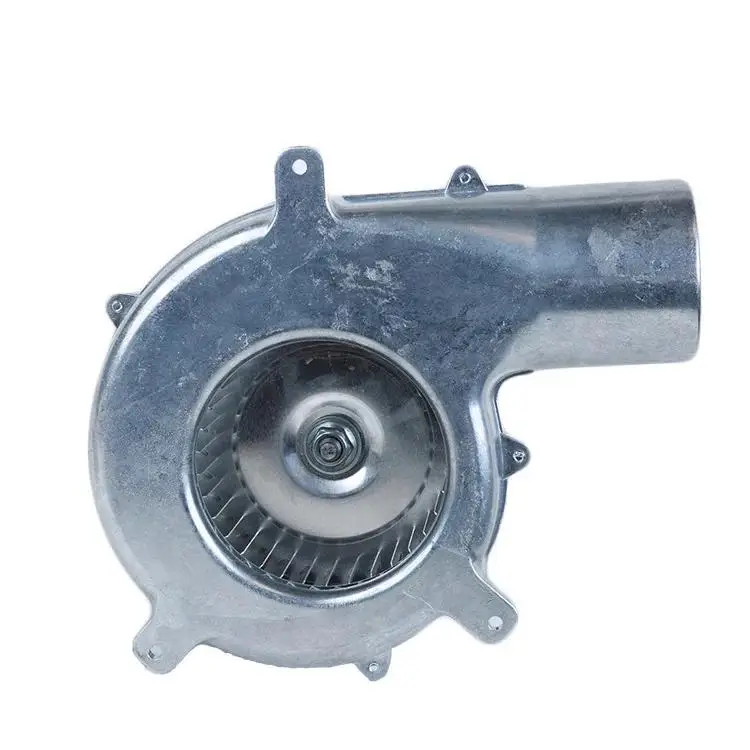
Use a burner-air duty table
Prepare a list of the required air duties, inlet conditions and controller states. This gives the blower review a measurable starting point and helps distinguish motor or housing choices from the requirements of the complete burner. A nominal burner output alone is not an operating-point specification.
Cover the operating range
Provide the required combustion-air pressure and airflow at the burner’s minimum and maximum operating conditions and any other specified test points. Include startup requirements and the intake arrangement. State the air conditions used for the duty figures so the proposed fan curve can be reviewed on a comparable basis.
- Pressure-flow table across firing range
- Startup airflow requirements
- Intake air conditions and geometry
Resolve the mechanical air interface
Send a drawing showing the blower inlet, discharge connection, rotation and mounting points relative to the burner. Record seal requirements and the available clearance around the motor. Explain any restrictions near the inlet or outlet, because the complete arrangement must be considered when evaluating the required air delivery.
- Mounting, rotation and discharge connection
- Inlet clearance and flow restrictions
- Seals and motor-compartment space
Agree the control and validation plan
Specify the supply and motor-control arrangement, required feedback and controller response to loss of the expected blower signal. Include the intended start, modulation and stop sequence in the enquiry. Ask for model-specific curves, drawings and limits, then agree the necessary burner assembly checks with the equipment manufacturer.
- Supply, command and feedback
- Start, modulation and stop sequence
- Model documents and burner test criteria
Match the fan family to the equipment.
Compare the proposed model at the required airflow and pressure, then check the installation and control interface.
AC gas-blower reference
Review the AC blower reference against burner-air pressure, mounting and supply requirements. Confirm the full model configuration and its documented operating conditions before sample selection.
Explore this fan family →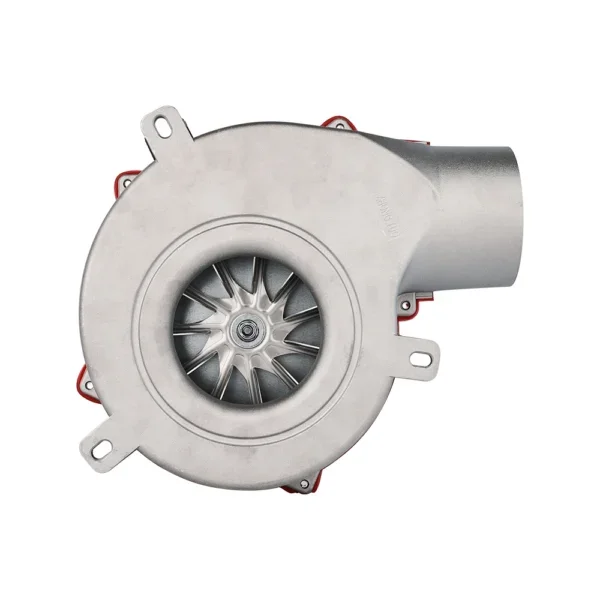
Compact gas-blower configurations
Compare compact blower configurations where their interfaces match the burner layout. Provide the complete air duty and control brief to assess the proposed assembly.
Explore this fan family →Product images show family configurations. Request the drawing, curve and electrical information for the exact model being considered.
What should your fan enquiry include?
Share these application details so the fan proposal can be reviewed against your equipment.
Bring the equipment context to the fan review.
A drawing, the operating condition and a clear control requirement make the proposed configuration easier to compare. For a replacement, include the existing nameplate and wiring details.
Discuss your application →Reference material for the next step.
Use the AC family references to discuss supply and mounting options; confirm the specific model’s medium and temperature limits.
Product-family catalogue · PDFGas-blower catalogue ↗Compare available gas-blower configurations, then request the complete model drawing and performance curve for the defined appliance air path.
Engineering checklistFan replacement controls checklist ↗Record electrical, control and mechanical interfaces when comparing an existing fan with a proposed replacement in the complete equipment.
Catalogs support initial selection. Confirm the current specification and approved configuration with the project team.
Can burner output replace a pressure-flow specification?
No. Burner output does not describe the resistance of the intake, mixing and burner passages. Provide the required air duty at the relevant firing conditions, together with the inlet arrangement. Those inputs are needed to compare a blower configuration and its operating curve meaningfully.
Which control details belong in the initial blower enquiry?
Include the electrical supply, command format, expected feedback and the burner controller’s response when the required signal is absent. Describe the starting, modulation and stopping sequence as well. These details help assess the complete motor-and-blower assembly and prepare a traceable equipment test plan.
Continue with the equipment you are designing.
Share your equipment and operating conditions.
Send the drawing, target duty and project timing. Add the existing fan details when you need a replacement.