
Fan selection for beverage coolers and drinks machines
Identify whether the fan circulates air around beverages or rejects heat from the condenser. These paths have different resistance, temperature and installation constraints. Bring the cabinet layout, service access, door-use pattern and sound target together with the electrical interface before comparing a proposed component or replacement.
Build the fan brief around the drinks-machine layout
Beverage equipment places cooling components close to shelves, compressors, wiring and service openings. A useful fan review identifies the actual air path and the expected loading or access pattern. Compare delivered duty, installation fit and sound in that context rather than relying on a general continuous-duty description.
Separate beverage circulation and heat rejection
Map the internal circulation path around shelves and bottles separately from the condenser inlet and discharge. Provide the required airflow and resistance for the component being reviewed. Include the intended loading and door-use pattern for the cabinet, and identify obstructions around the condenser compartment in the installed machine.
- Internal or condenser fan role
- Shelf loading and door-use pattern
- Inlet, discharge and coil restrictions
Fit the assembly into serviceable space
Measure the complete motor, impeller, guard and mounting arrangement against the cabinet drawing. Confirm rotation, wiring route and removal access. Describe condensate, cleaning and inlet-temperature conditions for that location, then request the selected model’s relevant limits rather than treating every fan inside the machine as having the same exposure.
- Assembly dimensions and mounting pattern
- Rotation, wiring and replacement route
- Condensate, cleaning and inlet temperature
Review retail sound and control behaviour
State where sound will be assessed, such as a counter or nearby seating area, and the operating setting. Confirm the speed command and any required feedback with the machine controller. Compare electrical input over the actual duty schedule, keeping remote monitoring functions separate unless the proposed controller and interface support them.
- Sound location and operating mode
- Speed command and feedback needs
- Power comparison and daily duty schedule
Match the fan family to the equipment.
Compare the proposed model at the required airflow and pressure, then check the installation and control interface.
Compact DC axial fans
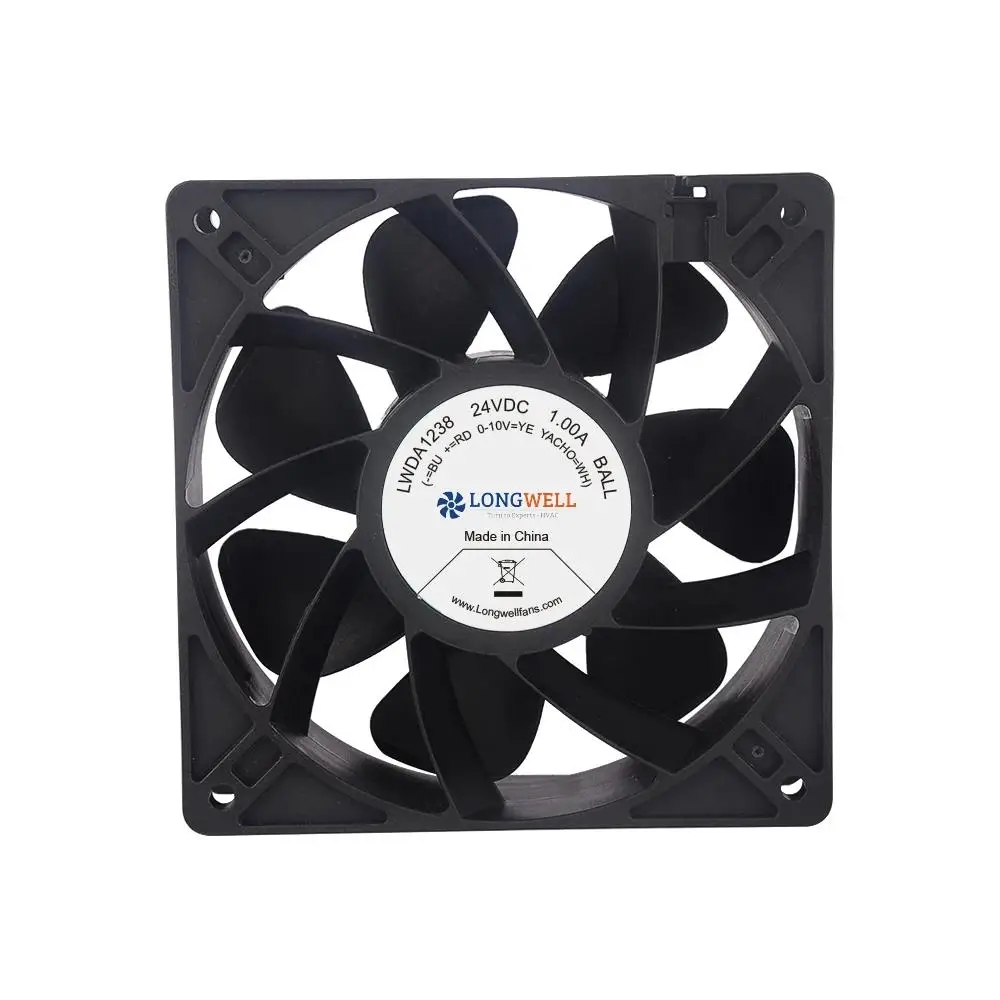
Review compact DC axial formats for beverage-cabinet or condenser positions that fit their duty. Confirm mounting, temperature exposure, rotation and controls within the complete appliance.
Explore this fan family →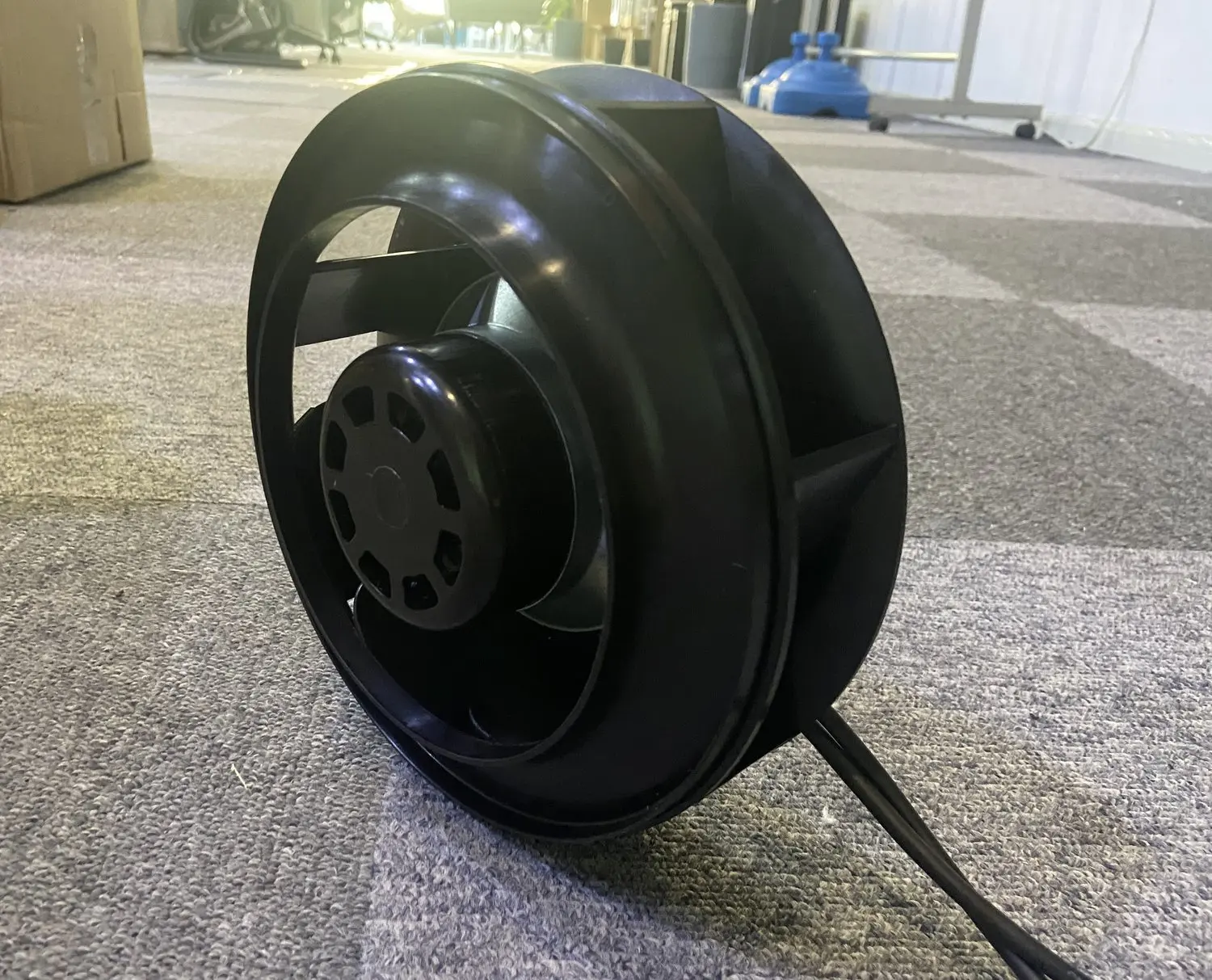
Compact centrifugal configurations
Review compact centrifugal assemblies where the beverage machine uses a compatible constrained air path. Check the full mounting envelope and the required coil or duct resistance.
Explore this fan family →Product images show family configurations. Request the drawing, curve and electrical information for the exact model being considered.
What should your fan enquiry include?
Share these application details so the fan proposal can be reviewed against your equipment.
Bring the equipment context to the fan review.
A drawing, the operating condition and a clear control requirement make the proposed configuration easier to compare. For a replacement, include the existing nameplate and wiring details.
Discuss your application →Reference material for the next step.
Compare compact fan formats, then request the selected electrical specification, connector definition and operating data for the enclosure.
Series catalog · PDFEC backward-curved centrifugal fans ↗Use the series information to narrow the mechanical format; confirm inlet conditions, controls and the proposed model performance separately.
Engineering checklistFan replacement: fit and controls ↗Check operating duty, mounting, supply, wiring and control behaviour before treating an existing fan and a proposed replacement as interchangeable.
Catalogs support initial selection. Confirm the current specification and approved configuration with the project team.
Can one fan serve both the cabinet and condenser roles?
Review the machine’s air paths first. The cabinet circulation and condenser heat-rejection duties can have different temperatures, resistance and control sequences. Even if a common fan family is considered, validate the complete model separately for each proposed position and operating condition.
Does an EC fan provide remote monitoring automatically?
Only the documented interface of the selected fan and the machine controller determines the available monitoring. Specify the command, feedback and alarm information required, then check how the system uses it. An EC label alone does not establish networking or remote maintenance functions.
Continue with the equipment you are designing.
Share your equipment and operating conditions.
Send the drawing, target duty and project timing. Add the existing fan details when you need a replacement.