
Fan Selection for Hybrid Heat-Pump and Boiler Systems
Hybrid heating combines separate heat-pump and boiler air duties within one installation. Define the outdoor-coil fan and combustion-air blower independently, then document how the equipment controllers coordinate operating modes. LONGWELL axial and blower references help turn that system outline into two traceable model enquiries.
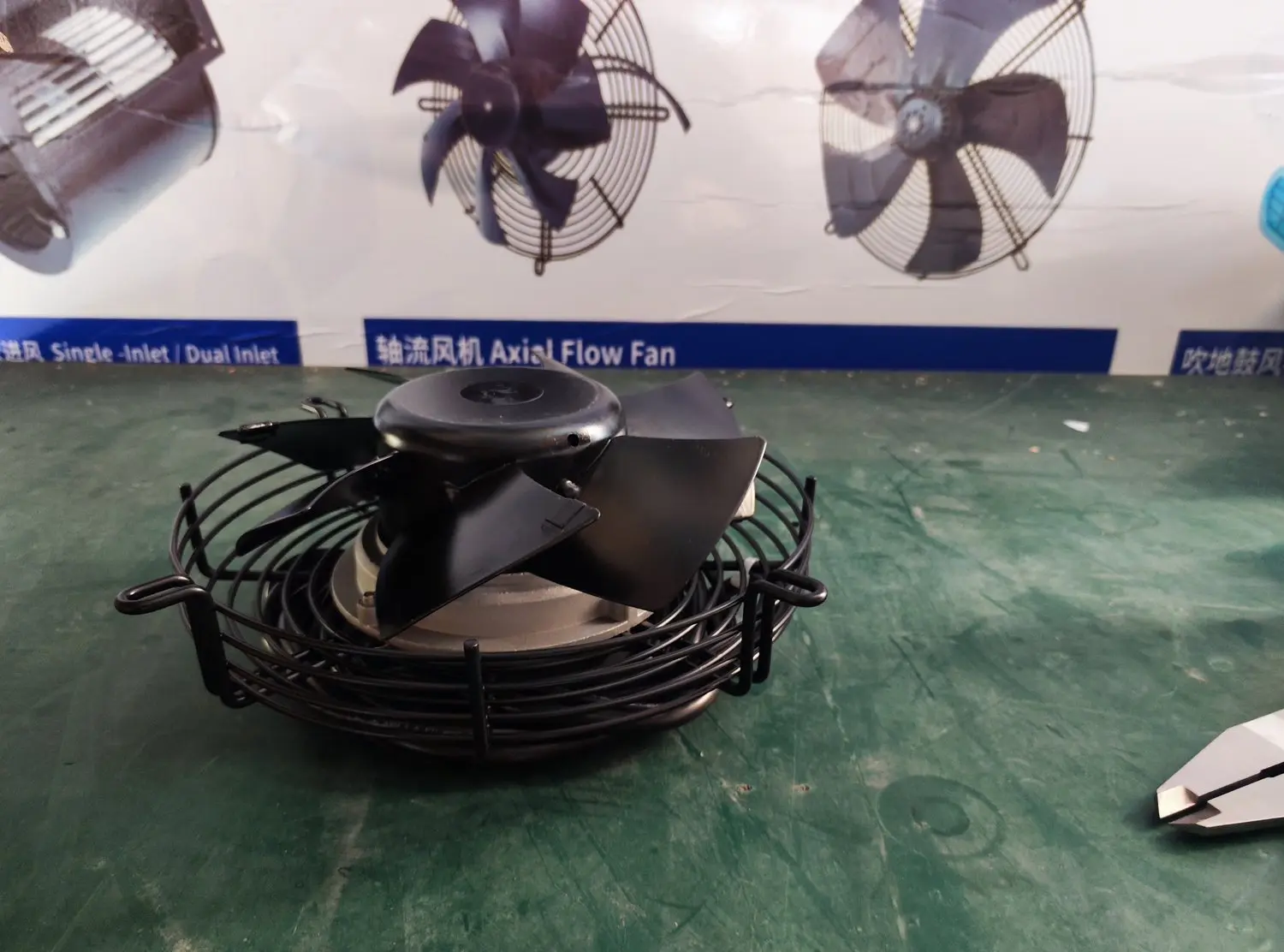
Keep each fan duty traceable to its appliance
The outdoor fan must serve the heat-pump coil, while the boiler blower follows its own appliance air circuit and control sequence. A coordinated heating system still needs separate fan specifications. Use the operating schedule to identify which duties occur together and which require individual testing.
Define the heat-pump side
Supply the outdoor-coil fan duty for the required heat-pump operating modes, including environmental and defrost conditions. Describe the enclosure, guards and installation clearances. Set the installed acoustic target for the actual mode schedule so the fan review considers both the required airflow and the equipment surroundings.
- Coil duty and operating modes
- Outdoor exposure and defrost sequence
- Enclosure and installed sound target
Define the boiler side
Provide the boiler blower’s medium, airflow and pressure range separately from the heat-pump specification. Include mounting and sealing details, relevant temperatures and the appliance control sequence. The heating package schedule may change boiler usage, but the blower still needs to meet the requirements of the complete boiler configuration.
- Boiler pressure-flow range
- Medium and condensate exposure
- Mounting and appliance controls
Coordinate interfaces and evaluation
Describe when each appliance operates and how the system controller requests a change of mode. Keep command, feedback and fault responsibilities clear at each interface. If evaluating energy use, define the comparison conditions and measured inputs for the complete heating system rather than attributing a system result to one fan alone.
- Appliance staging and changeover
- Command and fault responsibilities
- Measured comparison conditions
Match the fan family to the equipment.
Compare the proposed model at the required airflow and pressure, then check the installation and control interface.
EC axial fans
Review EC axial fans for the heat-pump coil duty, with the specified enclosure, outdoor exposure and sound target for each relevant operating mode.
Explore this fan family →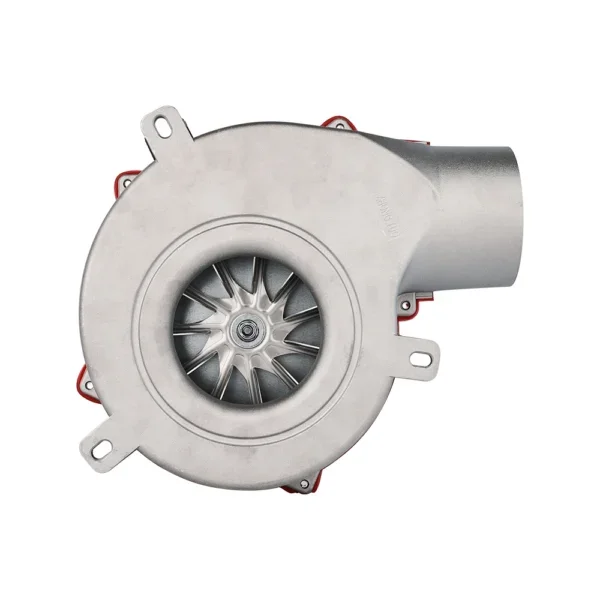
Compact gas-blower configurations
Review the boiler blower as a separate appliance component. Provide the combustion-air circuit, complete controller requirements and model-specific validation needs alongside the selection.
Explore this fan family →Product images show family configurations. Request the drawing, curve and electrical information for the exact model being considered.
What should your fan enquiry include?
Share these application details so the fan proposal can be reviewed against your equipment.
Bring the equipment context to the fan review.
A drawing, the operating condition and a clear control requirement make the proposed configuration easier to compare. For a replacement, include the existing nameplate and wiring details.
Discuss your application →Reference material for the next step.
Review axial fan formats and series information before requesting operating-point, acoustic and installation data for the selected configuration.
Product-family catalogue · PDFGas-blower catalogue ↗Compare available gas-blower configurations, then request the complete model drawing and performance curve for the defined appliance air path.
Engineering checklistFan replacement controls checklist ↗Record electrical, control and mechanical interfaces when comparing an existing fan with a proposed replacement in the complete equipment.
Catalogs support initial selection. Confirm the current specification and approved configuration with the project team.
Does the hybrid controller replace each appliance’s blower requirements?
The system controller coordinates heat sources, while each appliance retains its own air-path and operating requirements. Provide both levels of control information. The fan enquiry should identify which controller issues the command, which feedback is required and how the complete equipment handles abnormal operation.
Can a fan catalogue predict hybrid-system energy savings?
A fan catalogue can support component comparison at specified duty points. Hybrid-system energy use also depends on the heat-source schedule, equipment performance and installation conditions. Define the baseline and measurement method for the complete system before attributing a result to a fan or blower change.
Continue with the equipment you are designing.
Share your equipment and operating conditions.
Send the drawing, target duty and project timing. Add the existing fan details when you need a replacement.