
Fan Selection for Central Residential Ventilation Systems
A central residential ventilation unit serves several rooms through a duct network. Select supply and extract fans around the required room airflows, resistance and sound limits. Where heat recovery is included, review both air paths and their operating modes within the complete unit.
Balance the two air paths across operating modes
This page supports fan selection for ventilation boxes, heat-recovery units and ducted residential systems. It helps identify what changes between normal ventilation, boost and other scheduled modes. The proposal should include mounting, electrical interfaces and access for filters and fan replacement, alongside the required operating data.
WATCH THE APPLICATION PRINCIPLE · ENGLISH
Why a heat-recovery ventilator needs two fans
A plate heat-recovery ventilator has separate supply and extract air paths. In the winter example, heat crosses the exchanger plates while each fan moves its own air stream through filters, the core and ductwork.
English narration and on-screen captions · 69 seconds · Equipment and flow paths are schematic.
Product scope in this film: The example is a fixed-plate sensible HRV. Evaluate LONGWELL backward-curved EC centrifugal candidates for each installed duty; the film does not demonstrate rotary or moisture-transfer exchangers.
Explore the LONGWELL fan family · Share your equipment and air-path requirements
Define supply and extract duties separately
List the required airflow at the terminals and the pressure losses along each air path. Include the heat exchanger where fitted, along with filters and distribution ducts. Establish how the unit will be balanced and what the fan must deliver as filters become loaded.
- Supply and extract airflow requirements
- Clean and loaded-filter pressure losses
- Heat-exchanger and duct resistance
Review acoustic paths and installation space
Noise can reach rooms through the ductwork and through vibration transferred to the unit housing. Identify the sound requirement and measurement position, then review mounting stiffness, clearances and any planned attenuation. Ensure filters and fans can be accessed without dismantling the surrounding building installation.
- Room-side and casing sound requirements
- Fan mounting and inlet clearances
- Filter removal and replacement access
Coordinate fans with the ventilation controls
Describe normal, boost and scheduled operation, together with any bypass or frost-management sequence supplied by the unit designer. Confirm the available speed command and feedback for the proposed model. Check startup and fault behavior during unit testing, including the response if one air path becomes restricted.
- Normal and boost operating points
- Controller commands and feedback definition
- Bypass, frost and fan-fault sequences
Match the fan family to the equipment.
Compare the proposed model at the required airflow and pressure, then check the installation and control interface.
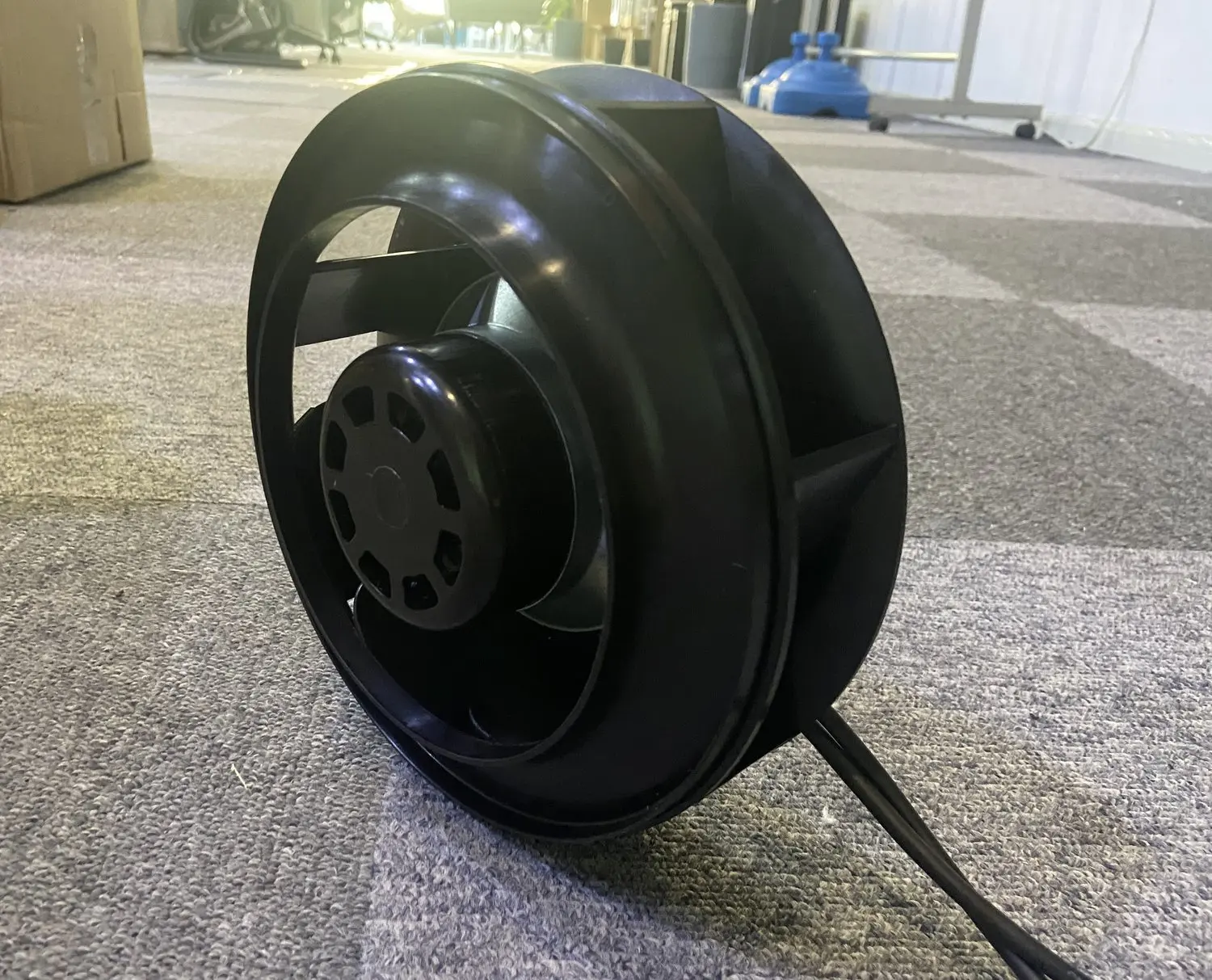
Backward-curved centrifugal fans
Review backward-curved fan components for ventilation units with filters and heat exchangers. Confirm inlet geometry, housing clearances and the required supply or extract operating point.
Explore this fan family →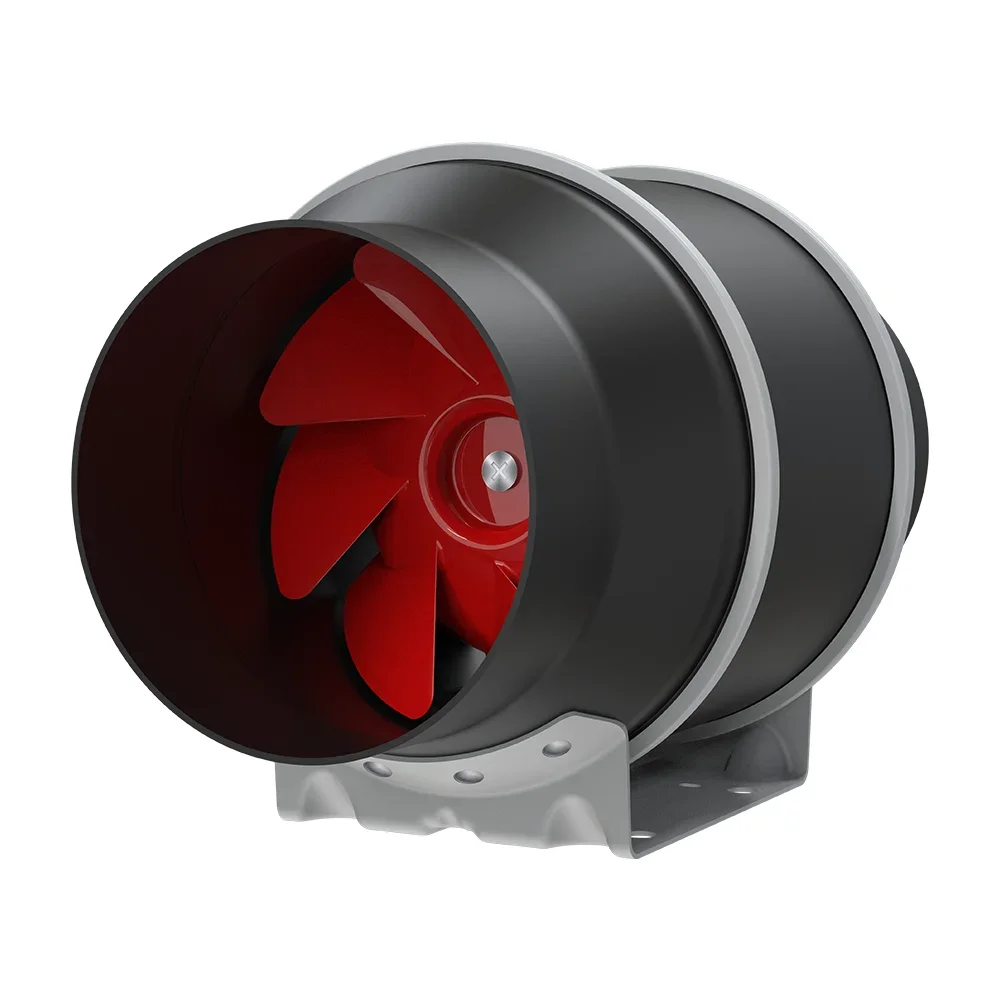
Inline duct fan formats
Consider inline assemblies for defined ducted positions where the system design calls for them. Check duct connections, maintenance access and acoustic treatment before selecting a configuration.
Explore this fan family →Product images show family configurations. Request the drawing, curve and electrical information for the exact model being considered.
What should your fan enquiry include?
Share these application details so the fan proposal can be reviewed against your equipment.
Bring the equipment context to the fan review.
A drawing, the operating condition and a clear control requirement make the proposed configuration easier to compare. For a replacement, include the existing nameplate and wiring details.
Discuss your application →Reference material for the next step.
Compare centrifugal fan formats and request operating data for the supply and extract duties of the proposed ventilation unit.
Series catalog · PDFEC mixed-flow duct fan catalog ↗Review inline fan arrangements alongside the duct layout, connection dimensions and installation requirements for the intended position.
Catalogs support initial selection. Confirm the current specification and approved configuration with the project team.
Can the same fan be used for supply and extract?
It may be possible when both duties and installation conditions fit the selected model. The two paths can have different filter, duct and heat-exchanger resistance. Compare each operating point and control requirement rather than assuming that matching airflow means identical fan duties.
Does choosing a fan establish heat-recovery performance?
Heat recovery depends on the complete unit, including its exchanger, air balance, leakage and control sequence. The fan provides airflow against the specified resistance. Confirm the unit’s thermal, airflow and acoustic performance using the equipment designer’s test plan and operating conditions.
Continue with the equipment you are designing.
Share your equipment and operating conditions.
Send the drawing, target duty and project timing. Add the existing fan details when you need a replacement.