
Fans for Airflow in Harvest Storage Rooms
Harvest storage requires an airflow plan matched to the produce, packing arrangement and storage system. Define whether air must pass through the stored load, circulate around it or exchange with outdoors. Select fans against that resistance and the conditions specified by the storage designer.
Follow the airflow through the actual stored load
A room’s dimensions alone do not define its fan duty. Crates, bulk stacks, ducts and refrigeration coils can direct or restrict the air. This page helps storage-equipment builders identify those paths and prepare fan operating points without claiming produce quality or shelf-life outcomes from a component specification.
Review packing and distribution paths
Provide the crop, stacking method and locations of supply and return openings. Identify whether air passes through a bulk load or around containers, and include the associated resistance. Look for bypass routes that could leave part of the load underserved even when the fan delivers its expected total airflow.
- Bulk or container storage arrangement
- Through-load resistance and bypass routes
- Supply and return distribution layout
Match fans to coils and storage conditions
Where refrigeration is used, include the coil and any frost-related operating changes in the airflow review. State the intended temperature and humidity conditions, condensation exposure and cleaning method. Confirm the chosen fan’s materials, installation and electrical configuration for that location rather than borrowing a general low-temperature claim.
- Coil resistance and defrost-related modes
- Temperature, humidity and condensation exposure
- Materials, drainage and cleaning requirements
Plan seasonal operation and verification
Storage duties may change as the room fills, the produce condition changes or the season progresses. Describe the operating schedule and control stages. Agree where airflow and temperature distribution will be checked in the loaded room, and retain the measurement conditions when comparing candidate configurations or operating costs.
- Loading stages and seasonal operating hours
- Fan speed or staged-control requirements
- Loaded-room measurement positions and conditions
Match the fan family to the equipment.
Compare the proposed model at the required airflow and pressure, then check the installation and control interface.
Axial fan components
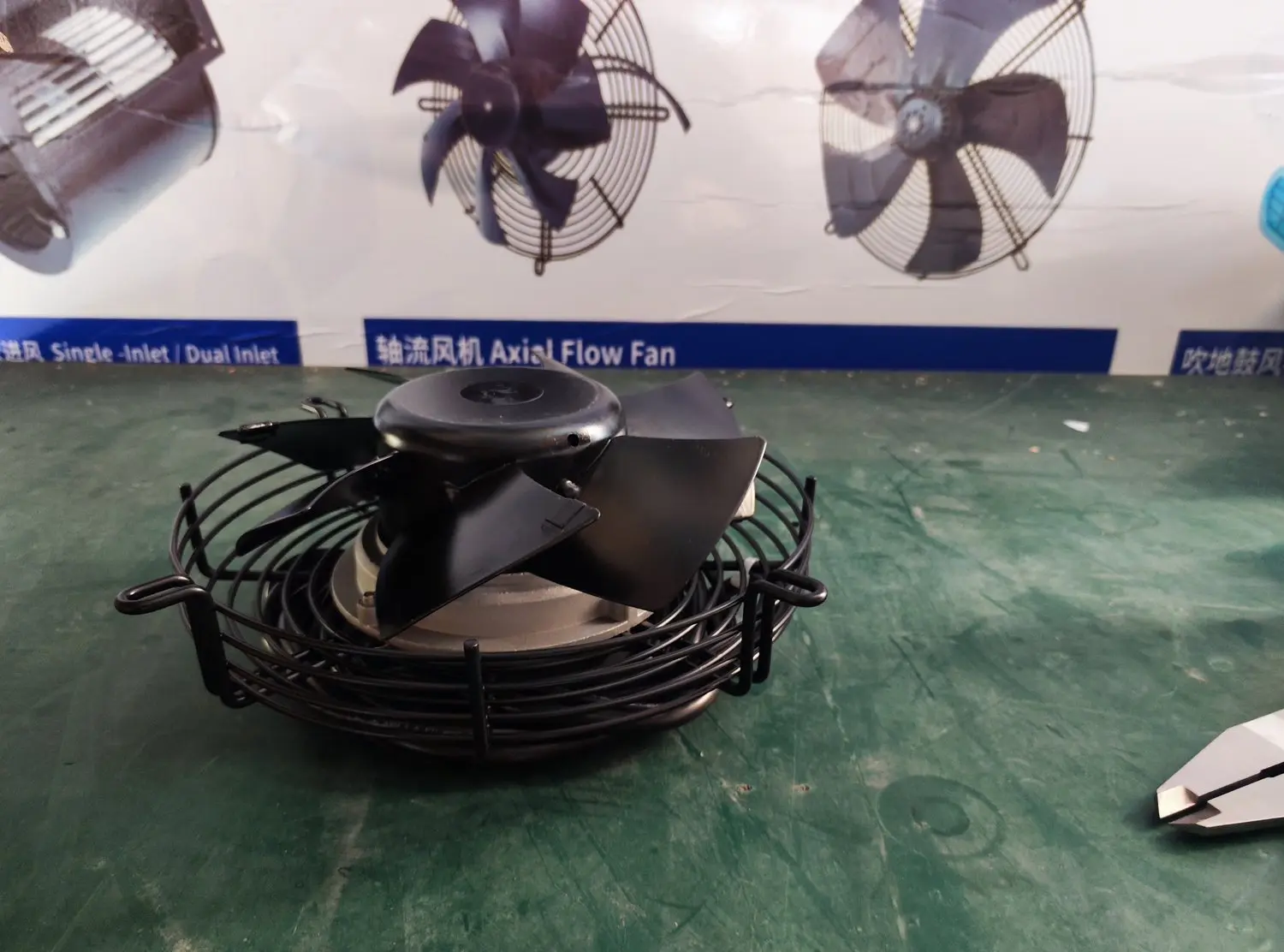
Review axial components for circulation and coil-air duties where the confirmed operating point fits. Check low-temperature, moisture and defrost conditions for the exact configuration.
Explore this fan family →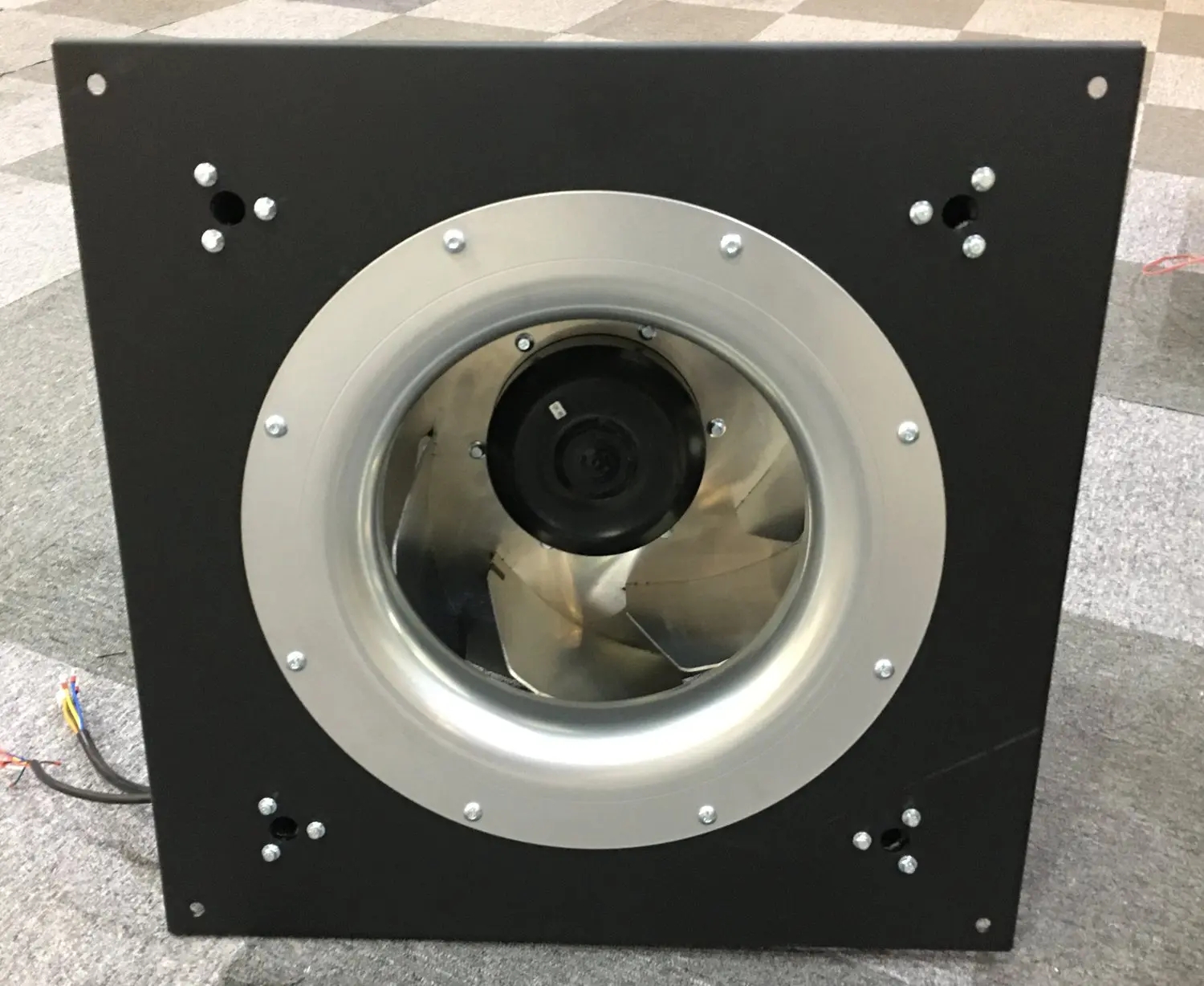
Panel-mounted centrifugal options
Review centrifugal arrangements where ducts, coils or stored-load resistance require them. Confirm inlet clearance, distribution geometry and the operating point of the complete installation.
Explore this fan family →Product images show family configurations. Request the drawing, curve and electrical information for the exact model being considered.
What should your fan enquiry include?
Share these application details so the fan proposal can be reviewed against your equipment.
Bring the equipment context to the fan review.
A drawing, the operating condition and a clear control requirement make the proposed configuration easier to compare. For a replacement, include the existing nameplate and wiring details.
Discuss your application →Reference material for the next step.
Compare axial fan formats and request environmental and operating data for the intended storage-room location and control modes.
Series catalog · PDFEC backward-curved fan catalog ↗Review centrifugal options where the storage airflow path includes significant resistance; confirm the proposed curve and installation drawing.
Catalogs support initial selection. Confirm the current specification and approved configuration with the project team.
Can a fan specification establish produce shelf life?
A fan specification describes a component under stated conditions. Produce outcomes depend on the crop, handling, storage conditions and the complete airflow and refrigeration arrangement. Use the storage designer’s requirements and loaded-room checks to assess the system; do not infer shelf life from airflow alone.
Why include the loaded room in the airflow review?
The stored load can change resistance and create bypass routes that are absent in an empty room. Provide the packing arrangement and expected loading range. Check distribution at representative positions so selection reflects the airflow available to the produce, not just the fan outlet.
Continue with the equipment you are designing.
Share your equipment and operating conditions.
Send the drawing, target duty and project timing. Add the existing fan details when you need a replacement.