
Fan selection across refrigeration and cold-chain equipment
Identify the refrigeration component the fan serves: evaporator circulation, condenser heat rejection, a display cabinet or a wet cooling installation. Each air path has different temperature, resistance and maintenance conditions. Start with the equipment duty, then compare the mechanical format, electrical interface and documented operating limits.
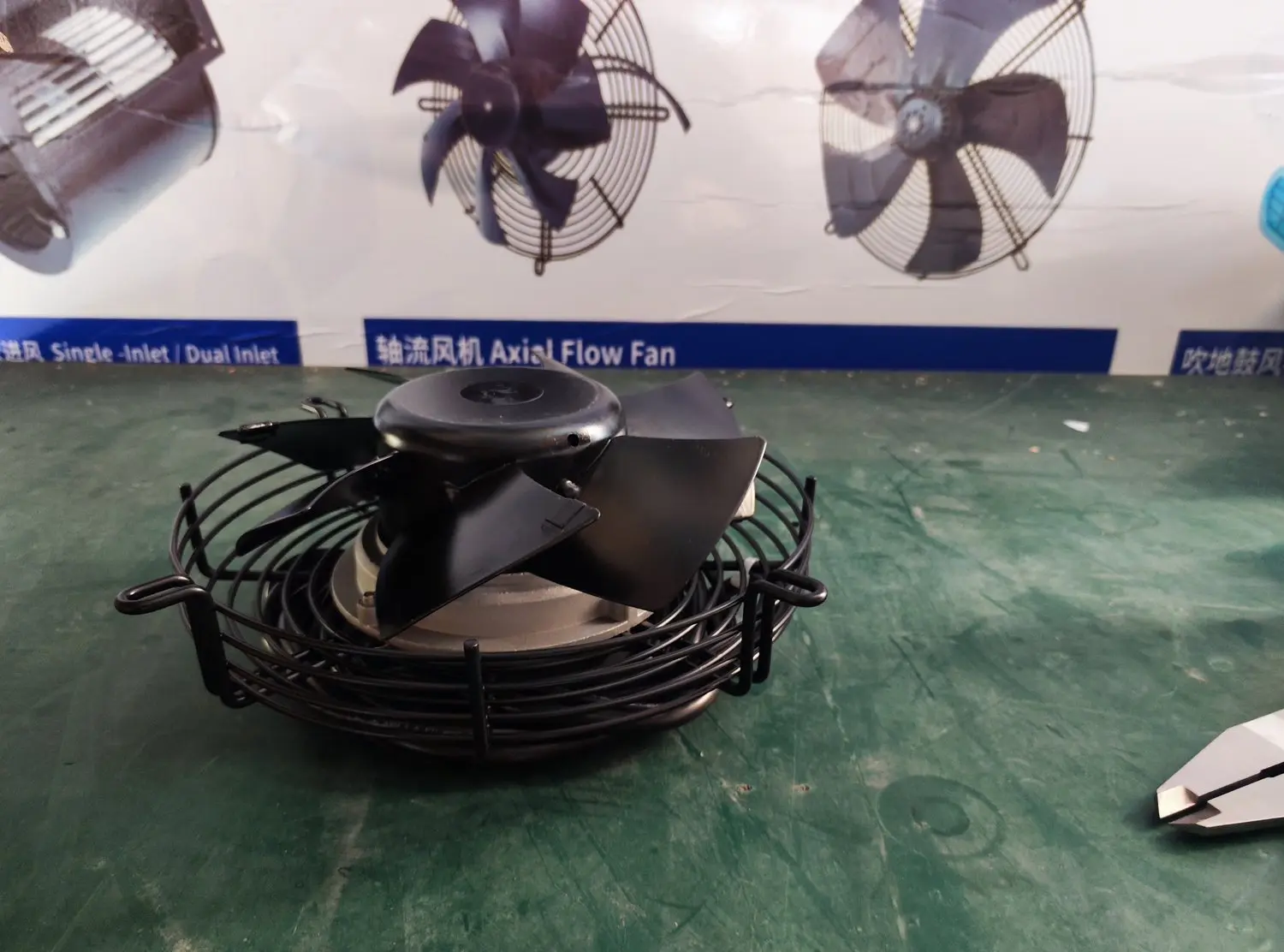
Explore the applications in this industry.
Choose the air-side duty before the fan family
This refrigeration entry page connects equipment builders to the application that matches their project. Keep the cold side, ambient heat rejection and any wet cooling stage distinct. Their airflow, environmental exposure and controls should be specified separately even when they belong to the same refrigeration system.
Separate evaporator and condenser requirements
An evaporator fan distributes air through the refrigerated space, while a condenser fan moves air across the heat-rejection coil. Identify which component is being designed and provide its airflow and pressure requirement. Include the cold-side temperature and defrost sequence or the condenser’s highest expected inlet-air temperature, as appropriate.
- Component and heat-exchanger duty
- Airflow at the actual coil resistance
- Cold-side or outdoor operating limits
Describe the enclosure and exposure
Map the fan mounting, guards, inlet clearance and service route. For cabinets, include the stored-product layout and access pattern; for outdoor or wet equipment, describe weather, splash and cleaning conditions. Request the model documentation relevant to those conditions instead of transferring assumptions from a different refrigeration application.
- Cabinet or outdoor installation drawing
- Moisture, dirt and cleaning conditions
- Access for inspection and replacement
Review control and replacement economics
State how the equipment commands the fan across its operating schedule. Record the existing model, delivered airflow and input power for a retrofit, then compare candidates at the same duty. Coordinate the fan interface with defrost, condenser-pressure or cabinet controls according to the component being served.
- Supply and equipment-control interface
- Existing duty and electrical baseline
- Operating schedule and comparison conditions
Match the fan family to the equipment.
Compare the proposed model at the required airflow and pressure, then check the installation and control interface.
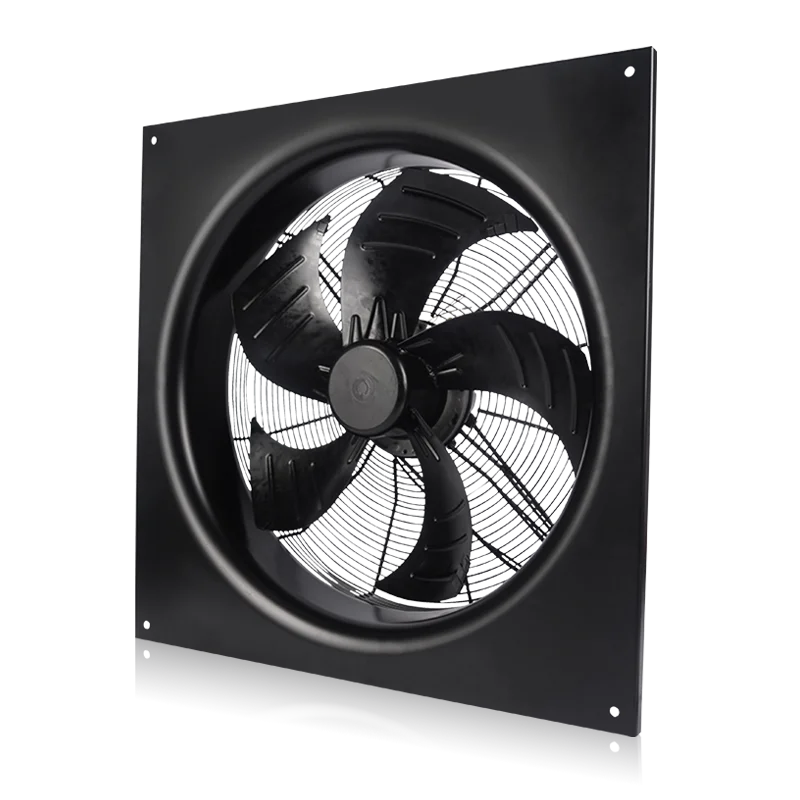
EC axial fan configurations
Review axial fan configurations for air paths through refrigeration coils or ventilation openings. Confirm the required pressure, inlet temperature and exposure for the chosen component.
Explore this fan family →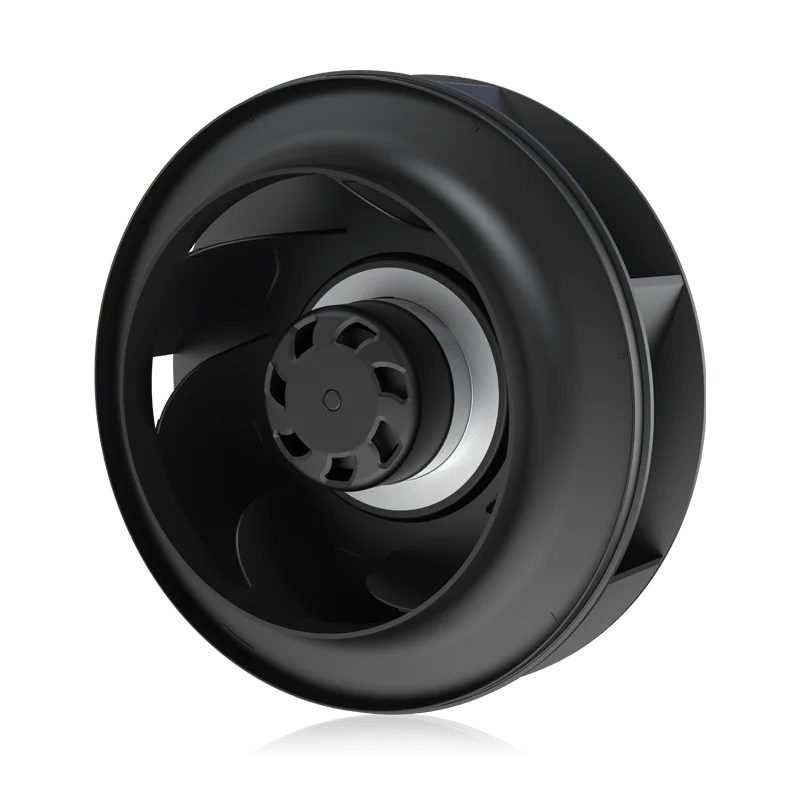
Backward-curved centrifugal fans
Review centrifugal formats where an enclosure or connected air path requires their configuration. Match the fan to the actual resistance, mounting and service arrangement.
Explore this fan family →Product images show family configurations. Request the drawing, curve and electrical information for the exact model being considered.
What should your fan enquiry include?
Share these application details so the fan proposal can be reviewed against your equipment.
Bring the equipment context to the fan review.
A drawing, the operating condition and a clear control requirement make the proposed configuration easier to compare. For a replacement, include the existing nameplate and wiring details.
Discuss your application →Reference material for the next step.
Compare the axial series and installation dimensions before requesting operating-point, electrical and environmental data for the selected configuration.
Series catalog · PDFEC backward-curved centrifugal fans ↗Use the series information to narrow the mechanical format; confirm inlet conditions, controls and the proposed model performance separately.
Engineering checklistFan replacement: fit and controls ↗Check operating duty, mounting, supply, wiring and control behaviour before treating an existing fan and a proposed replacement as interchangeable.
Catalogs support initial selection. Confirm the current specification and approved configuration with the project team.
Can one fan specification cover the whole refrigeration system?
Separate the duties first. Cold-side circulation, condenser heat rejection and wet cooling can expose fans to different temperatures, resistance and controls. A common product family may be considered, but the complete model needs to be reviewed for each specific installation.
How should an EC retrofit saving be assessed?
Record the existing input power and delivered duty, then compare the proposed arrangement at equivalent conditions. Include operating hours, control changes and installation work in the project assessment. An EC designation or a catalog efficiency statement does not establish the equipment saving.
Continue with the equipment you are designing.
Share your equipment and operating conditions.
Send the drawing, target duty and project timing. Add the existing fan details when you need a replacement.