
Centrifugal Fans for Extractor Hood Airflow and Filters
Extractor hood fans must be selected against the complete air passage, including grease filters, internal turns and the ducted or recirculating outlet. Define the required airflow at each operating setting and the installed sound target. LONGWELL centrifugal references help compare appropriate housing and impeller arrangements.
Use the resistance of the complete hood
Start with the filter and outlet arrangement, then compare fan configurations at the intended operating points. Include space for the housing, inlet and motor, as well as access for cleaning. Capture performance and user-perceived sound need evaluation in the assembled hood and installation arrangement.
Define ducted or recirculating duty
Identify the intended outlet mode and include the resistance of the filters and internal hood passage. For a ducted installation, supply the expected duct length, bends and termination arrangement. For recirculation, include the additional treatment components so airflow requirements can be assessed against the correct complete path.
- Outlet mode and filter configuration
- Duct length, bends and termination
- Airflow target for each speed setting
Review the impeller and housing together
Provide the available inlet, scroll or plenum space and outlet connection dimensions. Check motor position, rotation and removal access in the hood drawing. A bare impeller reference does not define the performance of the finished blower; request the relevant assembly curve and review how it fits the planned air passage.
- Housing and impeller envelope
- Motor position and outlet dimensions
- Complete assembly curve and rotation
Account for deposits and sound
Describe grease exposure, filter servicing and the intended cleaning process at the fan location. Confirm the selected model’s permitted exposure and maintenance arrangement. Compare installed sound with the intended filters and mounting at stated operating points, and include how the hood controller changes speed across the available user settings.
- Grease exposure and cleaning access
- Sound conditions with installed filters
- Speed settings and control interface
Match the fan family to the equipment.
Compare the proposed model at the required airflow and pressure, then check the installation and control interface.
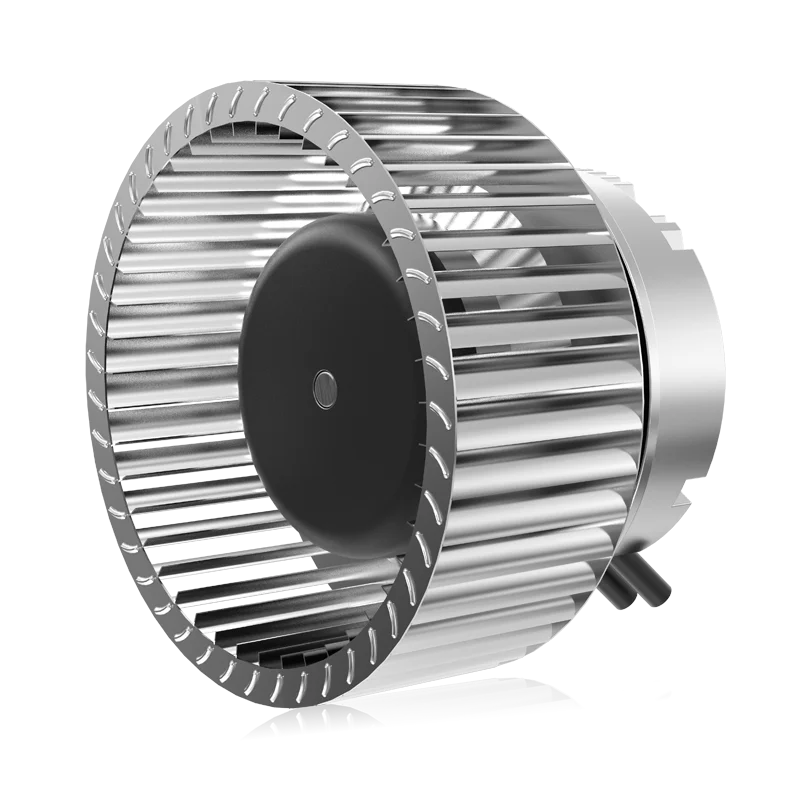
Forward-curved centrifugal impellers
Review forward-curved impellers with the hood’s complete housing arrangement. Compare the assembly at filter and duct resistance, with specified cleaning and motor-exposure conditions.
Explore this fan family →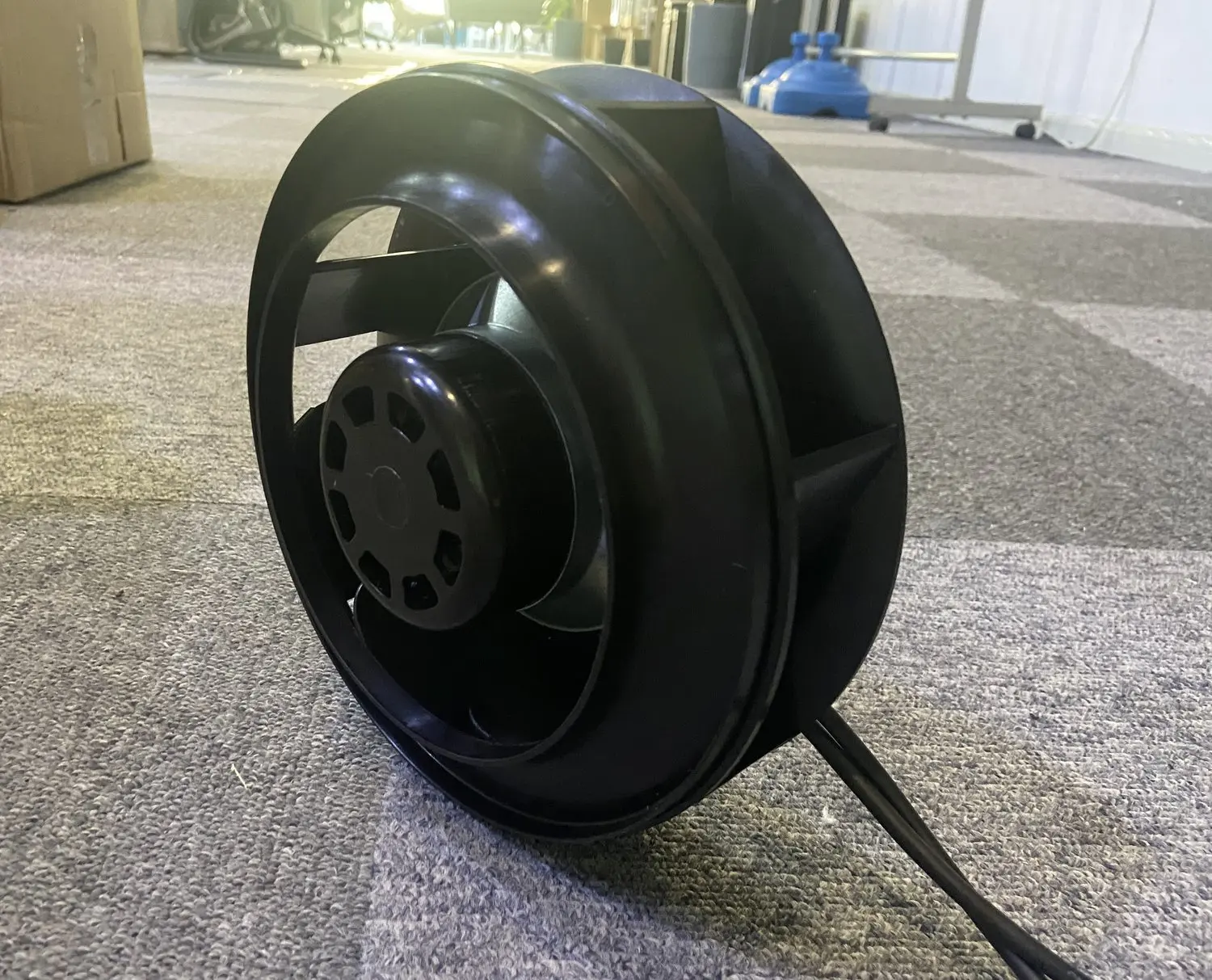
EC backward-curved centrifugal fans
Consider backward-curved centrifugal configurations where the hood layout and required duty support them. Check inlet clearance, pressure-flow data and access for servicing the chosen assembly.
Explore this fan family →Product images show family configurations. Request the drawing, curve and electrical information for the exact model being considered.
What should your fan enquiry include?
Share these application details so the fan proposal can be reviewed against your equipment.
Bring the equipment context to the fan review.
A drawing, the operating condition and a clear control requirement make the proposed configuration easier to compare. For a replacement, include the existing nameplate and wiring details.
Discuss your application →Reference material for the next step.
Compare the forward-curved family with your available housing space and duty point; obtain the complete assembly curve for selection.
EC centrifugal series · PDFEC backward-curved fan catalogue ↗Use the family references for initial comparison, then confirm the selected assembly with its inlet geometry and required operating point.
Engineering checklistFan replacement controls checklist ↗Record electrical, control and mechanical interfaces when comparing an existing fan with a proposed replacement in the complete equipment.
Catalogs support initial selection. Confirm the current specification and approved configuration with the project team.
Does free-air airflow describe the installed extractor hood?
Free-air data does not include the resistance of filters, internal passages or connected ductwork. Compare candidates at the specified installed duty points and then assess the complete hood. State the filter condition and outlet arrangement whenever airflow and sound results are compared between configurations.
Can a fan change compensate for any kitchen duct arrangement?
The fan and connected air path need to be reviewed together. Supply duct dimensions, bends and the termination arrangement so their resistance is included in the duty. A proposed fan change should be assessed against the available housing, electrical interface and complete hood performance requirements.
Continue with the equipment you are designing.
Share your equipment and operating conditions.
Send the drawing, target duty and project timing. Add the existing fan details when you need a replacement.