
Fans for Auxiliary Cooling in Medical Equipment
Medical-equipment fan enquiries need a clearly defined air path and component role. This page addresses auxiliary cooling of electronics and power supplies, separate from patient breathing, treatment or fluid paths. Prepare the thermal, acoustic and integration requirements for evaluation by the equipment manufacturer.
Define the cooling boundary before comparing components
Imaging, diagnostic and laboratory equipment can contain heat-producing boards, power supplies and control modules. Their cooling requirements depend on operating modes and enclosure design. A fan proposal should identify its exact configuration and supporting documents without implying approval of a medical device or a patient-related airflow function.
Identify the auxiliary electronics heat load
Show the boards, power supplies and other components requiring cooling, with their losses and permitted temperatures. Include active, standby and other relevant equipment states. Keep the cooling air path clear in the drawing so the fan’s task can be evaluated separately from any patient-related or process function.
- Electronics losses by equipment operating state
- Component limits and enclosure air-path drawing
- Separation from patient or process air paths
Review sound, vibration and cleaning exposure
Define acoustic and vibration limits for the installed equipment, including measurement locations and operating modes. Review mounting and enclosure resonance near sensitive assemblies. Describe cleaning agents, dust and moisture exposure so the selected fan configuration can be assessed for its actual location within the equipment.
- Installed sound and vibration criteria
- Mounting and nearby sensitive components
- Cleaning, dust and moisture conditions
Prepare component data for equipment evaluation
Agree the required electrical, material and test documentation with the equipment manufacturer. Confirm supply, controls and rotation or alarm feedback for the proposed version. Evaluate temperatures and fault behavior in the complete enclosure, retaining the component identity and conditions with the equipment-level verification record.
- Exact model and configuration documentation
- Supply, speed input and fault feedback
- Equipment-level thermal and fault-test plan
Match the fan family to the equipment.
Compare the proposed model at the required airflow and pressure, then check the installation and control interface.
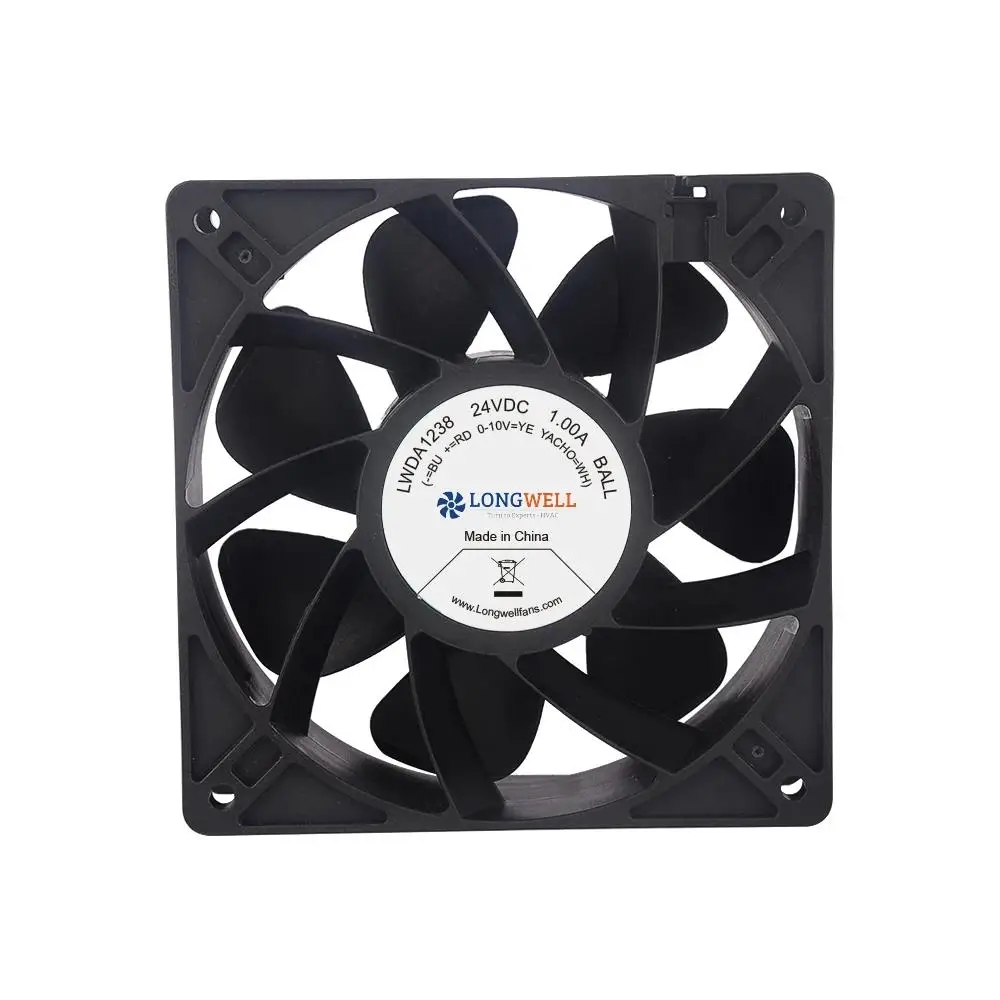
Compact DC axial fans
Review compact DC axial formats for auxiliary boards and power supplies. Confirm the operating point and interfaces within the equipment manufacturer’s configuration-specific evaluation process.
Explore this fan family →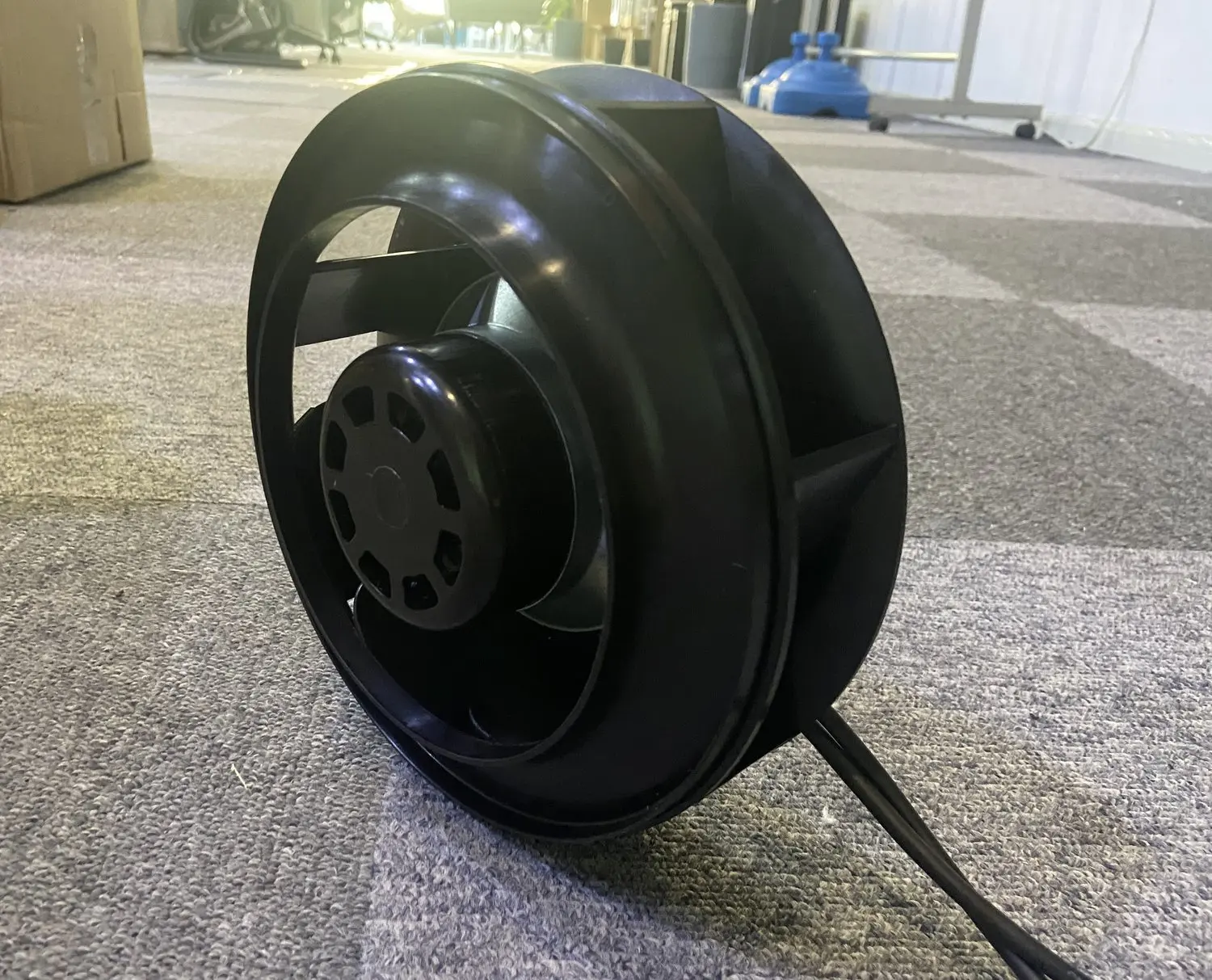
Backward-curved centrifugal fans
Review small centrifugal formats for auxiliary enclosures with filters or restricted channels. Confirm mounting, vibration and electrical requirements for the proposed equipment configuration.
Explore this fan family →Product images show family configurations. Request the drawing, curve and electrical information for the exact model being considered.
What should your fan enquiry include?
Share these application details so the fan proposal can be reviewed against your equipment.
Bring the equipment context to the fan review.
A drawing, the operating condition and a clear control requirement make the proposed configuration easier to compare. For a replacement, include the existing nameplate and wiring details.
Discuss your application →Reference material for the next step.
Compare compact fan formats and request model-specific electrical, material and operating information for the auxiliary cooling position.
Series catalog · PDFEC backward-curved fan catalog ↗Review centrifugal component formats, then request the selected curve and drawing to support the equipment manufacturer’s integration assessment.
Catalogs support initial selection. Confirm the current specification and approved configuration with the project team.
Does a fan catalog establish medical-device approval?
No. A catalog provides preliminary component information. The equipment manufacturer must evaluate the exact fan configuration and its integration against the device requirements. The product images on this page do not establish approval for patient treatment, life support or a complete medical device.
Can these fans be selected for a patient breathing circuit?
That is a different application from the auxiliary electronics cooling covered here. Identify the intended air path and function at the start of the enquiry. A patient breathing or treatment requirement needs its own component assessment, documentation and equipment qualification rather than reuse of an electronics-cooling proposal.
Continue with the equipment you are designing.
Share your equipment and operating conditions.
Send the drawing, target duty and project timing. Add the existing fan details when you need a replacement.