
Fans for Commercial Dishwasher Drying and Vapour Air Paths
Commercial dishwashers need a clear fan brief for drying airflow, a defined vapour-extraction path or separate electrical-compartment cooling. Provide the machine cycle, pressure loss and conditions at the fan location. LONGWELL centrifugal references support comparison after steam, condensation, cleaning exposure and installation requirements are specified.
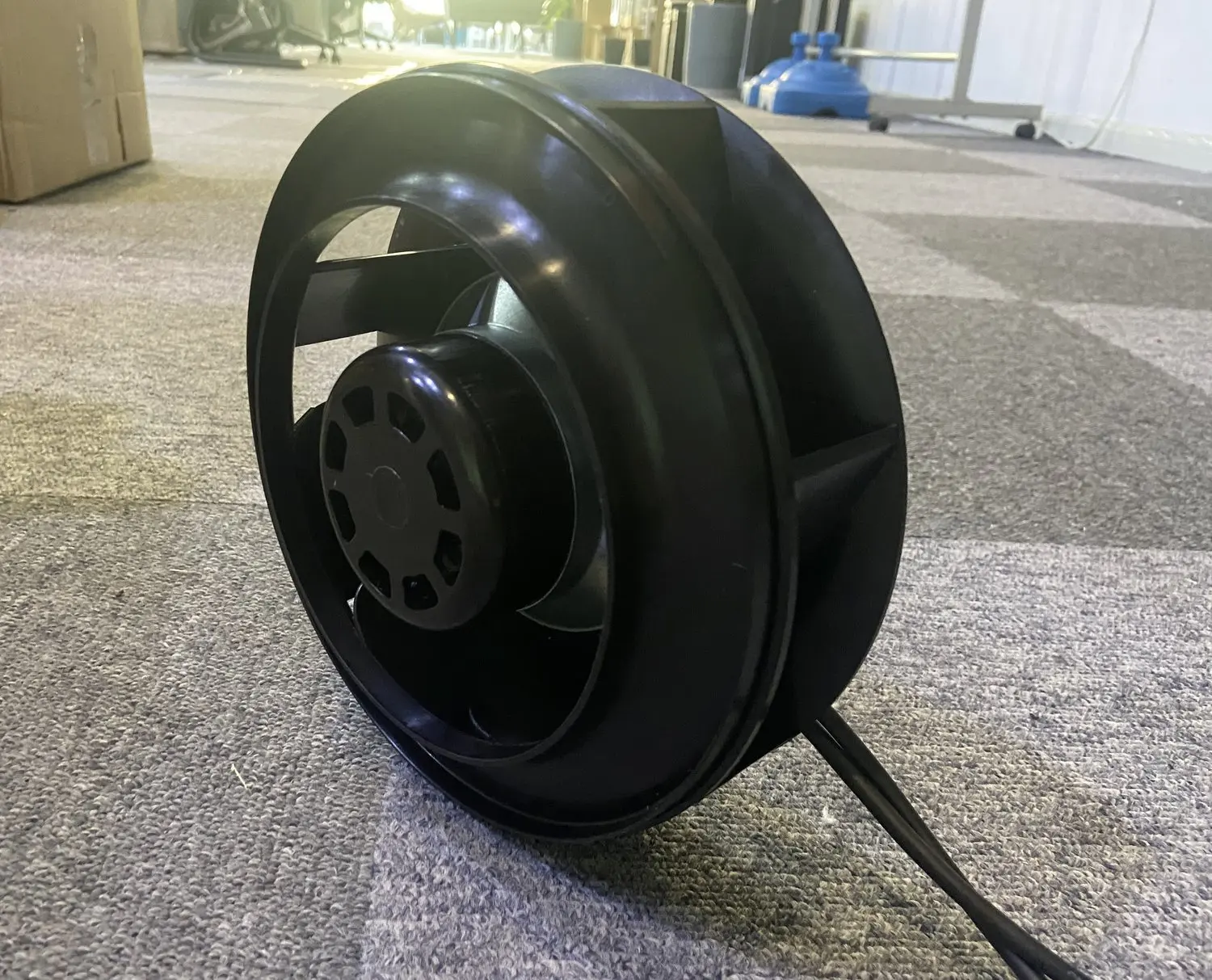
Specify the fan position within the machine
A fan’s exposure depends on how the commercial dishwasher routes drying air and vapour. Show the relevant passage, any heat-recovery section and the fan’s position relative to moisture. Use the actual operating cycle and cleaning conditions to define a candidate assembly and an equipment validation plan.
Define drying and vapour duties separately
Identify the fan’s role and provide the air-path drawing with inlet and discharge connections. Include resistance from ducts and heat-exchange sections, and state airflow requirements through the machine cycle. If the design includes vapour extraction, describe that specific medium and operating condition rather than assuming a dry-air fan selection covers it.
- Drying or extraction circuit role
- Pressure losses through the machine path
- Airflow and medium through each cycle stage
Review steam, condensation and cleaning
Record air-stream and motor temperatures and identify possible condensation at the housing, shaft and electrical connections. Describe exposure to cleaning agents and the intended cleaning method. Confirm model-specific material and installation limits with the supplier, and provide the mounting orientation and drainage details relevant to the proposed fan position.
- Steam and condensation exposure
- Cleaning agents and service method
- Mounting orientation and drainage
Integrate repeated operation and servicing
State the operating schedule and the speed-control or switching sequence for the machine. Include feedback requirements, acoustic targets and access to remove or inspect the fan. Agree the test conditions for the complete machine, keeping drying performance and any vapour-management requirements distinct from the catalogue rating of an individual component.
- Cycle schedule and controller interface
- Sound target and removal clearance
- Machine test and service requirements
Match the fan family to the equipment.
Compare the proposed model at the required airflow and pressure, then check the installation and control interface.
EC backward-curved centrifugal fans
Review centrifugal configurations for a defined machine air path. Confirm the complete model’s moisture, temperature and cleaning limits before using it in the proposed position.
Explore this fan family →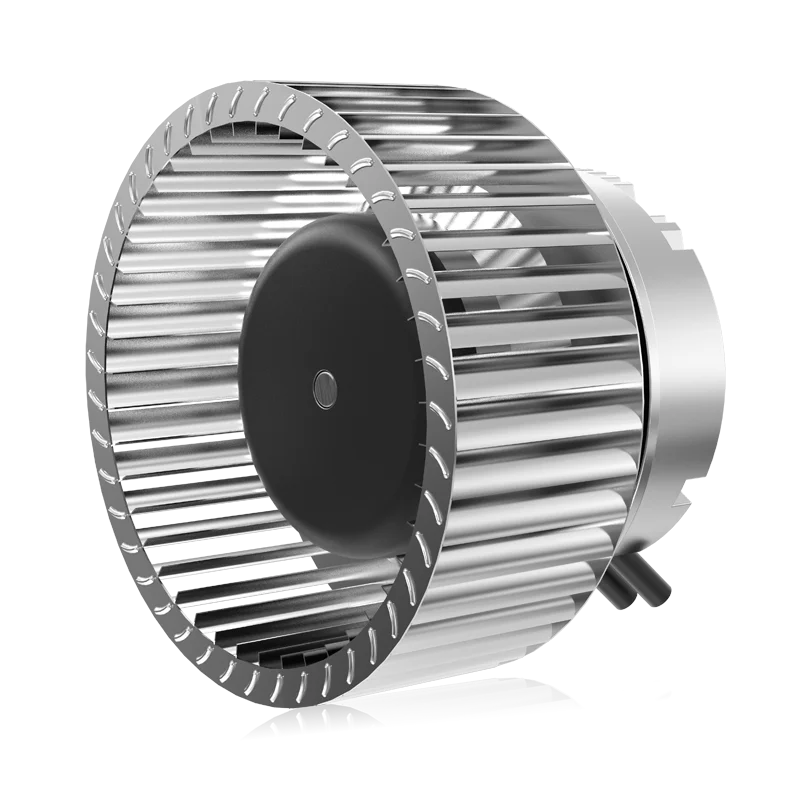
Forward-curved centrifugal impellers
Compare forward-curved impeller formats with the intended housing and pressure-flow duty. Request assembly documentation that addresses the actual mounting and air-path exposure conditions.
Explore this fan family →Product images show family configurations. Request the drawing, curve and electrical information for the exact model being considered.
What should your fan enquiry include?
Share these application details so the fan proposal can be reviewed against your equipment.
Bring the equipment context to the fan review.
A drawing, the operating condition and a clear control requirement make the proposed configuration easier to compare. For a replacement, include the existing nameplate and wiring details.
Discuss your application →Reference material for the next step.
Use the family references for initial comparison, then confirm the selected assembly with its inlet geometry and required operating point.
EC forward-curved series · PDFEC forward-curved fan catalogue ↗Compare the forward-curved family with your available housing space and duty point; obtain the complete assembly curve for selection.
Engineering checklistFan replacement controls checklist ↗Record electrical, control and mechanical interfaces when comparing an existing fan with a proposed replacement in the complete equipment.
Catalogs support initial selection. Confirm the current specification and approved configuration with the project team.
Does moisture resistance establish suitability for a steam-extraction position?
The actual operating conditions need to be defined more fully. Supply the medium, temperature, condensation and chemical exposure at the proposed location, together with the installation orientation. Review these requirements against the complete model’s documentation and the commercial dishwasher’s validation procedure before selecting the assembly.
How should a heat-recovery section be included in the enquiry?
Show it in the air-path drawing and provide its resistance and operating conditions through the relevant cycle stages. Identify any resulting condensation near the fan and describe service access. These details help define the required operating point and the installation conditions for the complete fan assembly.
Continue with the equipment you are designing.
Share your equipment and operating conditions.
Send the drawing, target duty and project timing. Add the existing fan details when you need a replacement.