“Explosion-proof fan” is a starting label, not a complete selection decision. A safe choice begins with the documented hazard at the installation location, then checks the exact fan assembly and its approved scope. A motor marking, a catalogue photograph or the name of an industry cannot answer those questions alone.
This guide is for engineers and buyers preparing a hazardous-location fan review. It explains what evidence to request and how to keep gas, vapor and dust duties separate. The video illustrates the sequence; the project’s classification and applicable local rules remain controlling.
1. Start with the actual material and location
Ask what can be present: a flammable gas or vapor, combustible dust, or ignitable fibers. Then identify where it can appear and under what operating or fault conditions. The same building can contain locations with different classifications. A paint booth, a solvent store and a dust collector are useful prompts for an assessment; their names do not establish a particular zone or division.
In the United States, OSHA’s hazardous-location rule distinguishes gas or vapor, combustible-dust and fiber hazards and addresses equipment approved for the classified location. European equipment requirements are described in Directive 2014/34/EU. Which system applies is a project and jurisdiction question. Obtain the controlled area-classification drawing, substance data and governing specification before discussing a fan model.
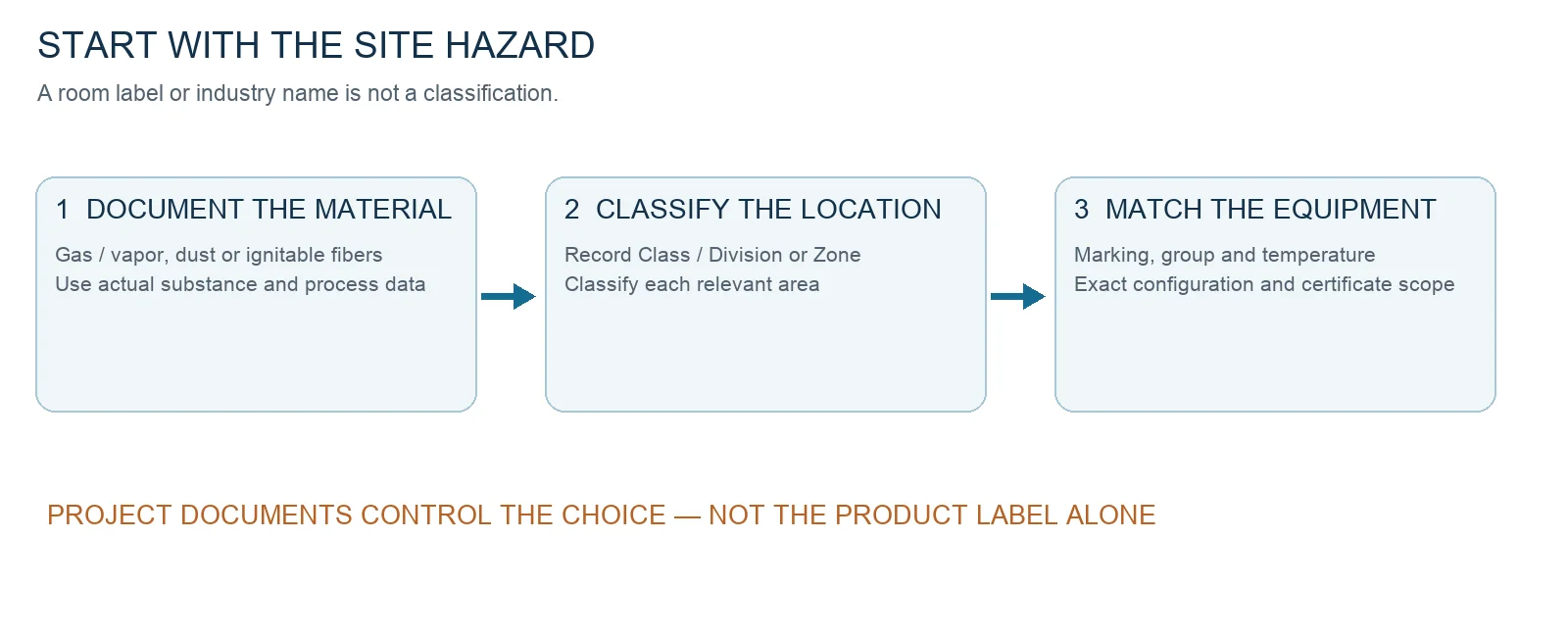
2. Translate classification into equipment requirements
The classification document is an input, not the final equipment approval. Compare the required marking with the actual gas or dust group, temperature designation or maximum surface temperature, ambient range and any limitations. Do not carry a gas suitability statement across to a combustible-dust duty. A Zone label is also not interchangeable with a Class/Division label without a reviewed equivalence under the applicable rules.
Read the whole marking and the certificate or listing for the exact configuration. The same series name may cover different motors, voltages, impellers, enclosures or accessories. A catalogue family can help generate a candidate list; it cannot establish that a particular variant is suitable for a classified location. If a datasheet gives conflicting operating limits, resolve the revision with the manufacturer before selection.
3. Check electrical and mechanical ignition sources together
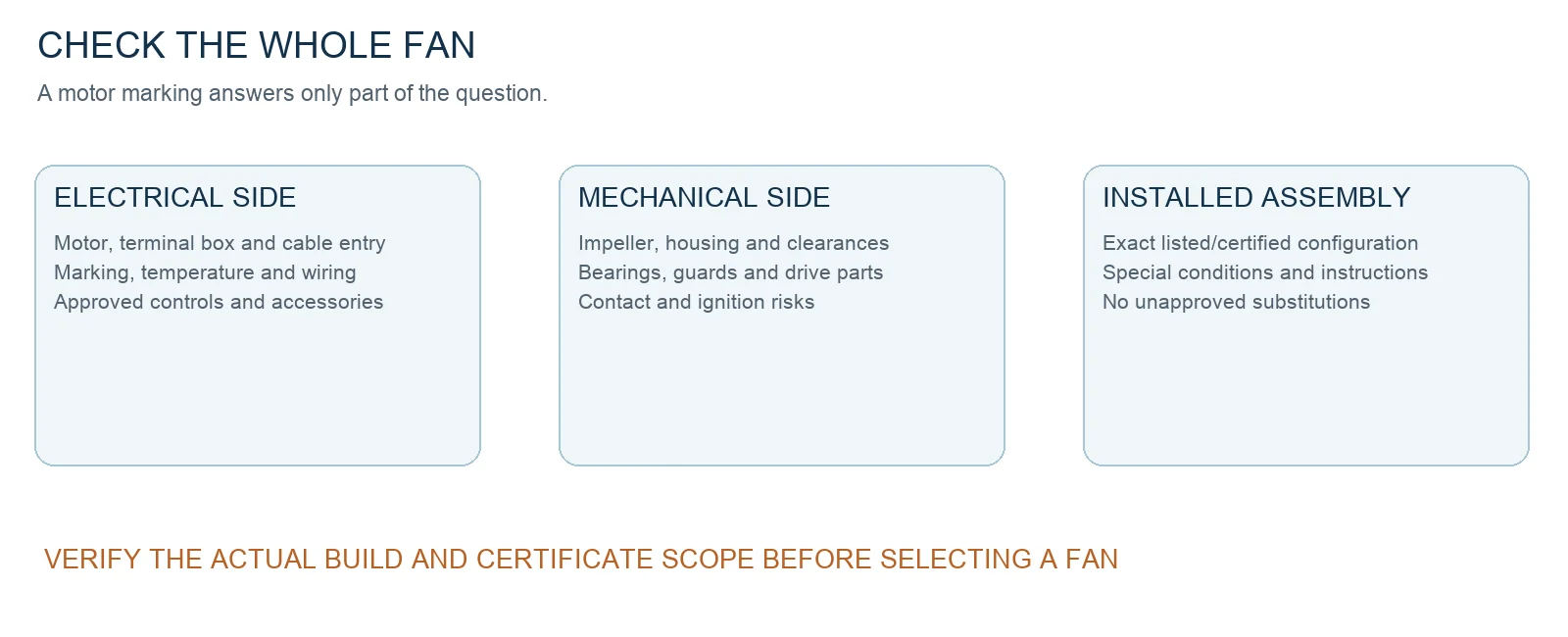
The motor is only one part of the installed fan. Review the terminal box, cable entry, wiring and any protective device against the approved assembly. Separately, inspect the impeller, housing, clearances, bearings, guards and drive components for the mechanical risks addressed by the specification. A worn bearing or shifted wheel can change contact conditions; a motor certificate alone does not describe that mechanical assembly.
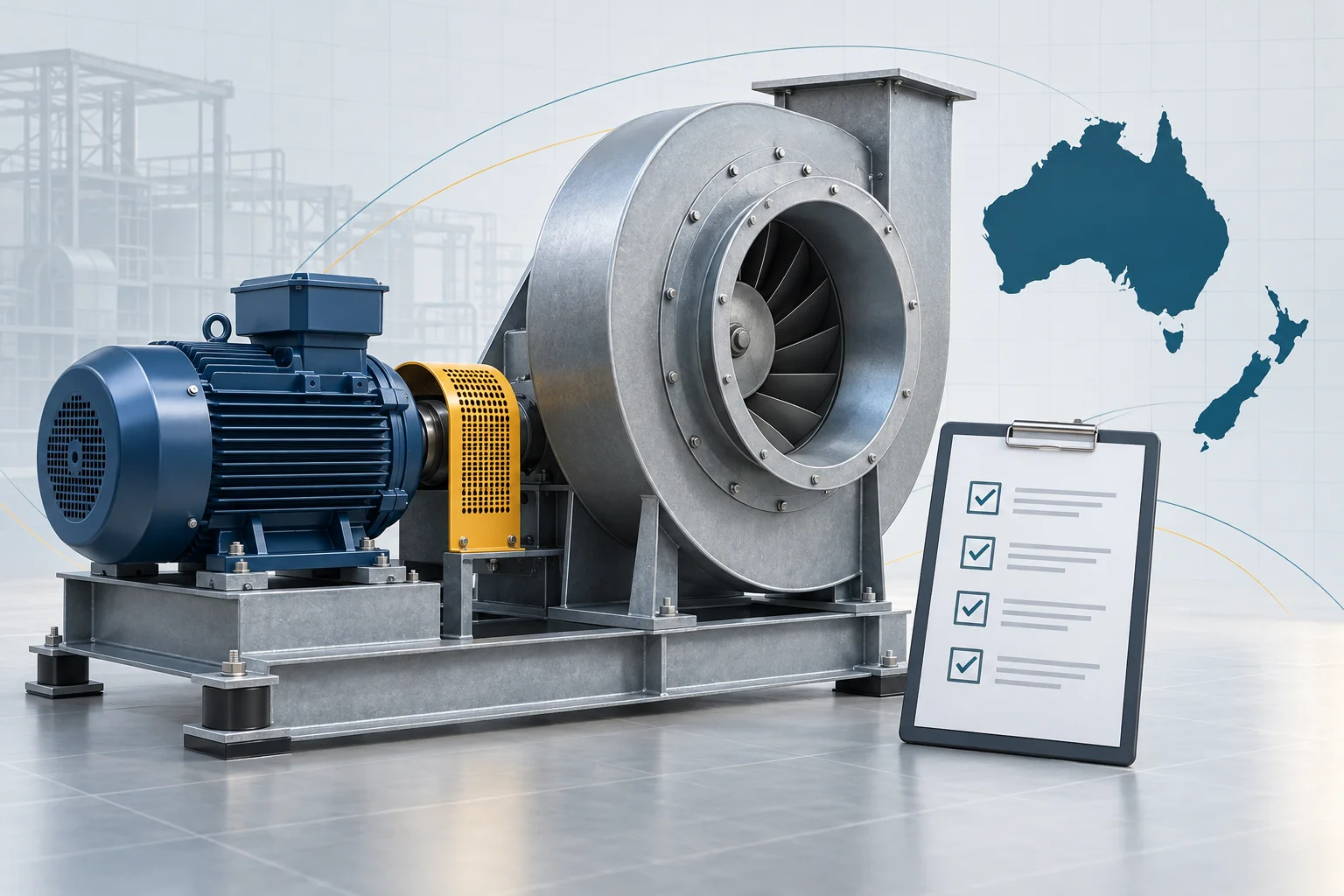
Terms such as spark-resistant construction, flameproof enclosure and dust protection describe different measures. None is a free substitute for another. Ask which component and ignition source each document covers, and whether the final combination appears within the manufacturer’s approved scope. The figure below is a review map, not a certification statement for any pictured product.
4. Ask for an exact, current document set
Before a purchase order, request the model and suffix, current revision of the datasheet and drawing, nameplate marking, complete certificate or listing reference where applicable, and installation instructions. Confirm the certificate holder, covered product, hazardous-area marking, special conditions and status through the relevant authoritative system. If the package covers a motor but says nothing about the fan assembly, record that gap rather than describing the full fan as certified.
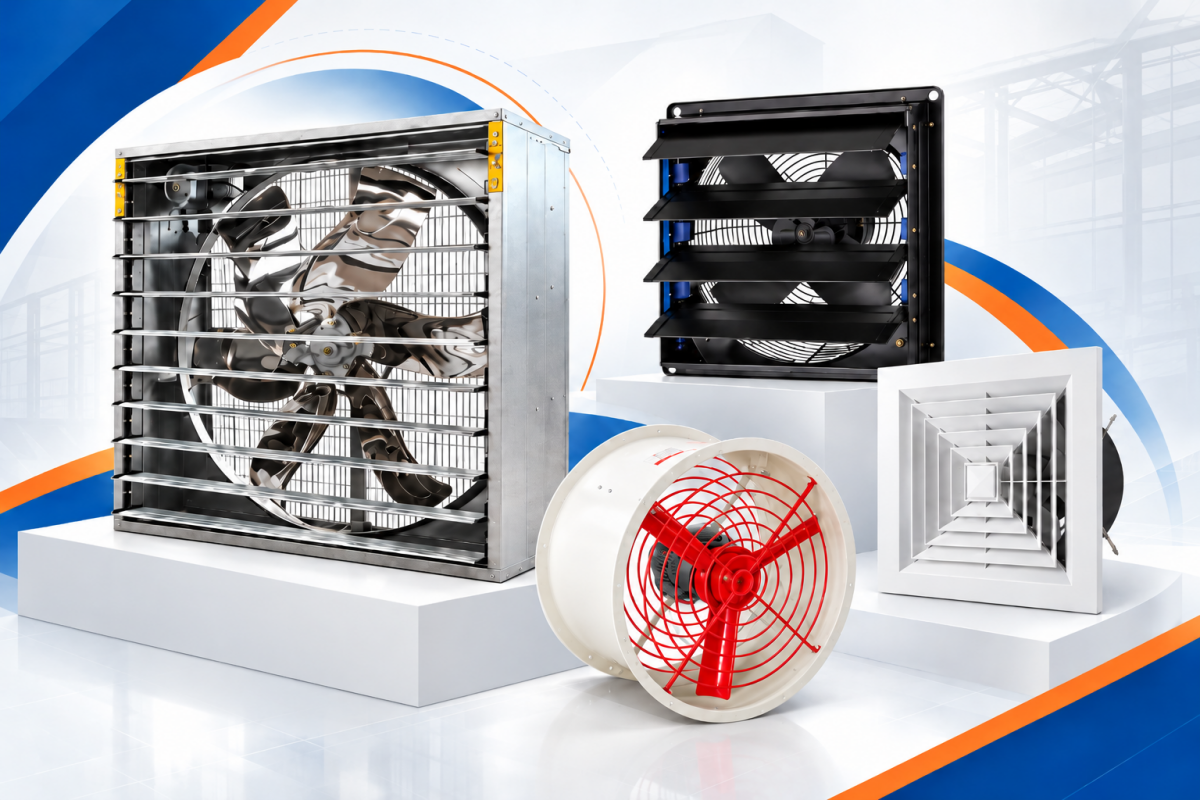
The LONGWELL explosion-proof fan family is a place to identify possible constructions for review. It is a family catalogue, not evidence that every version fits every hazardous area. Pair any candidate with the project classification, required duty point and the exact approved documentation. A live product page may show a photograph or dimensions; those facts still do not establish a certificate’s scope.
5. Treat installation and changes as part of the selection
The installed condition must match the documents: cable glands or seals, grounding and bonding, protective devices, mounting clearances, temperature limits and permitted accessories all need review. Follow the manufacturer’s instructions and the authority responsible for the installation. A field substitution, new hole, different terminal box or unapproved repair can move the equipment outside the reviewed configuration.
Ventilation may reduce a process risk, but it does not erase a documented area classification by assertion. Process safeguards such as leak detection, isolation or shutdown remain separate design decisions. For context, the paint booth ventilation guide discusses an air path, while the dust collection guide explains system resistance. Neither guide is an approval for hazardous-location service.
6. Give the supplier a reviewable brief
Send the classified-area drawing and jurisdiction, substance or dust information, required protection marking, ambient conditions, airflow and pressure at the operating point, voltage and controls, installation orientation, and any accessory or maintenance constraints. Ask the supplier to return one exact model and revision with its complete documentation and the gaps still requiring project approval. If the site information is missing, a responsible response is a list of required inputs rather than a guessed product recommendation.
A useful final check is simple: can the engineer trace each requirement from the site document to a named item in the proposed assembly and its supporting record? If any link is missing, keep the candidate under review. That approach makes the fan decision easier to audit and gives the installer a clear boundary for later changes.
Have a classified-location fan project? Email the project brief to LONGWELL sales.