An HVAC blower motor replacement does not have one dependable installed price. The motor is only one line in the job. Diagnosis, motor and control architecture, the boundary of the replacement, cabinet access, site conditions, and proof after startup can change the invoice even when two motors look similar.
For an owner or facility buyer, the useful question is not “What does a blower motor cost?” It is “What exact scope does this quote buy, and what evidence will show that the repair works in this unit?” This guide gives you a comparison method, not a universal price or a do-it-yourself electrical procedure.
Start with the installed-cost boundary, not a price range
Break the estimate into separate blocks: the motor or assembly; a capacitor or electronic control where applicable; diagnosis and installation labor; access, travel, shutdown, or after-hours conditions; and commissioning. Freight, taxes, disposal, permits, and repeat attendance may also need an explicit included-or-excluded line.
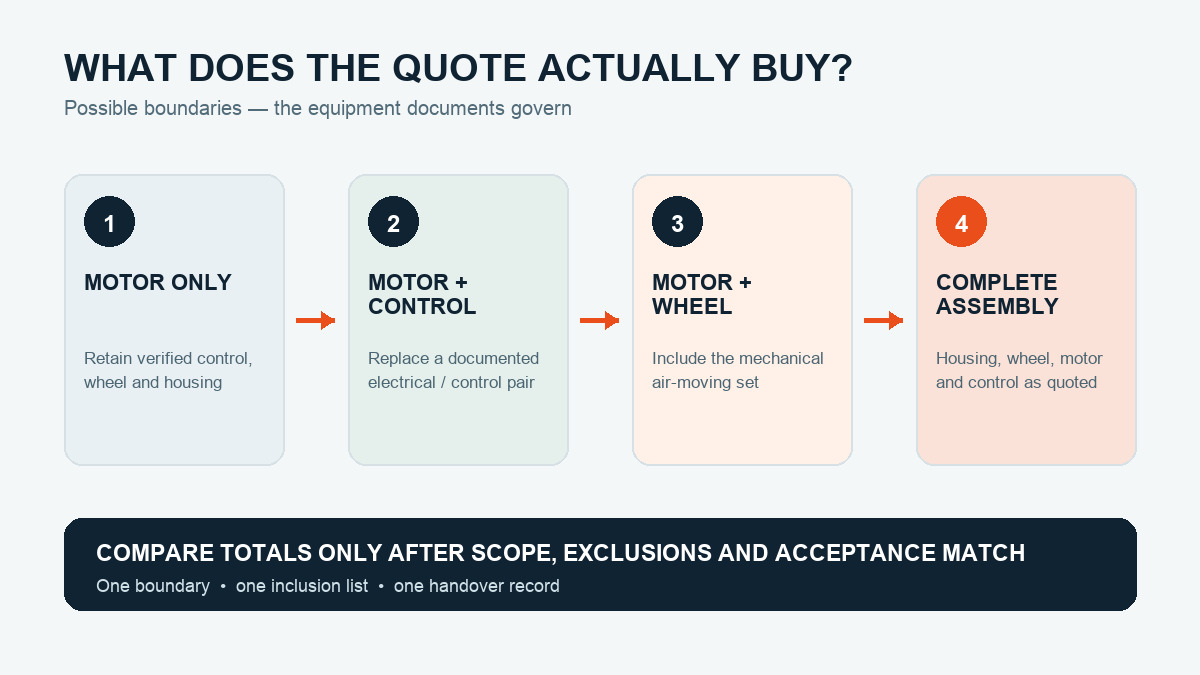
This structure prevents a common comparison error. A motor-only offer and a complete blower-assembly offer are not two prices for the same work. Neither is a quote that includes commissioning comparable with one that ends when the motor turns. Normalize the boundary first; compare totals second.
Diagnose the failed function before pricing a motor
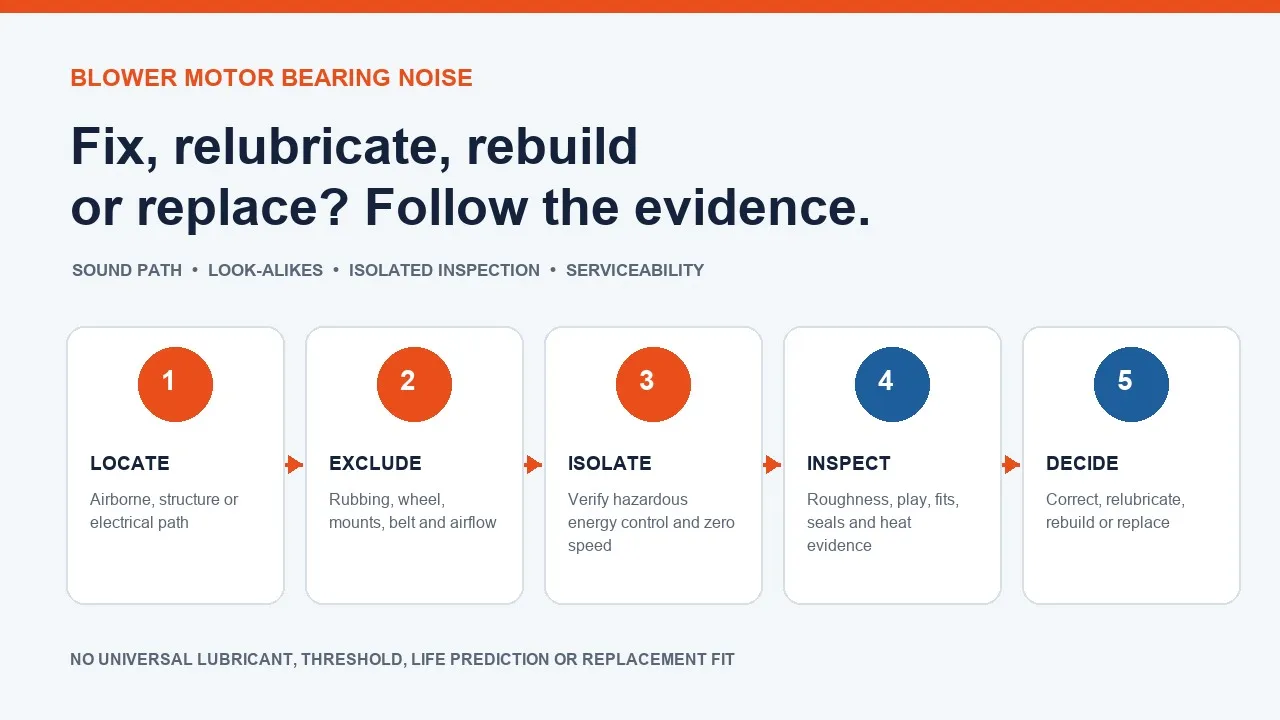
A no-start, low-airflow, or noisy complaint does not by itself prove motor failure. The service diagnosis should distinguish the power supply, control request, capacitor where present, electronic module, motor, wheel and shaft condition, and airflow restriction. The exact tests and limits must come from the unit documentation and be performed by qualified personnel.
Ask the contractor to state the observed symptom, the tests performed, the measured results, and the reason the proposed component is the failed boundary. This makes the quotation auditable, reduces the chance of buying a motor when the root cause is elsewhere, and lets different bidders price the same diagnosed problem.
Separate PSC and electronically controlled replacement paths
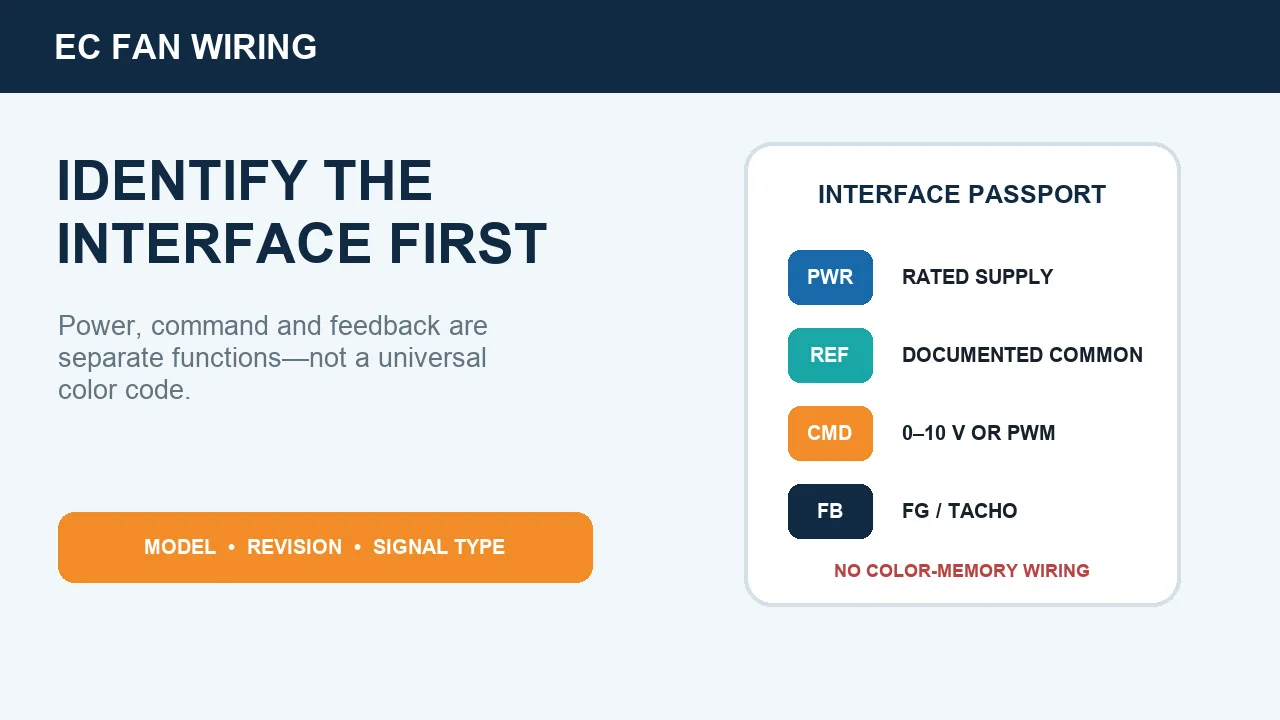
A permanent-split-capacitor motor may involve a separate capacitor and speed leads. An electronically controlled motor can add a module, signal requirements, setup, and fault information. Those architectures can require different parts, wiring checks, and acceptance evidence. Similar frame size, shaft diameter, or horsepower does not establish interchangeability.
Build an identity record before asking for alternatives: equipment manufacturer and model, original motor and module part numbers, nameplate data, voltage and phase, control method, rotation reference, shaft and mount, wheel interface, and required operating duty. The Longwell motor and drive-system family is useful for architecture discovery only after those requirements are fixed; it is not approval for an unknown unit.
Name the replacement boundary in plain language
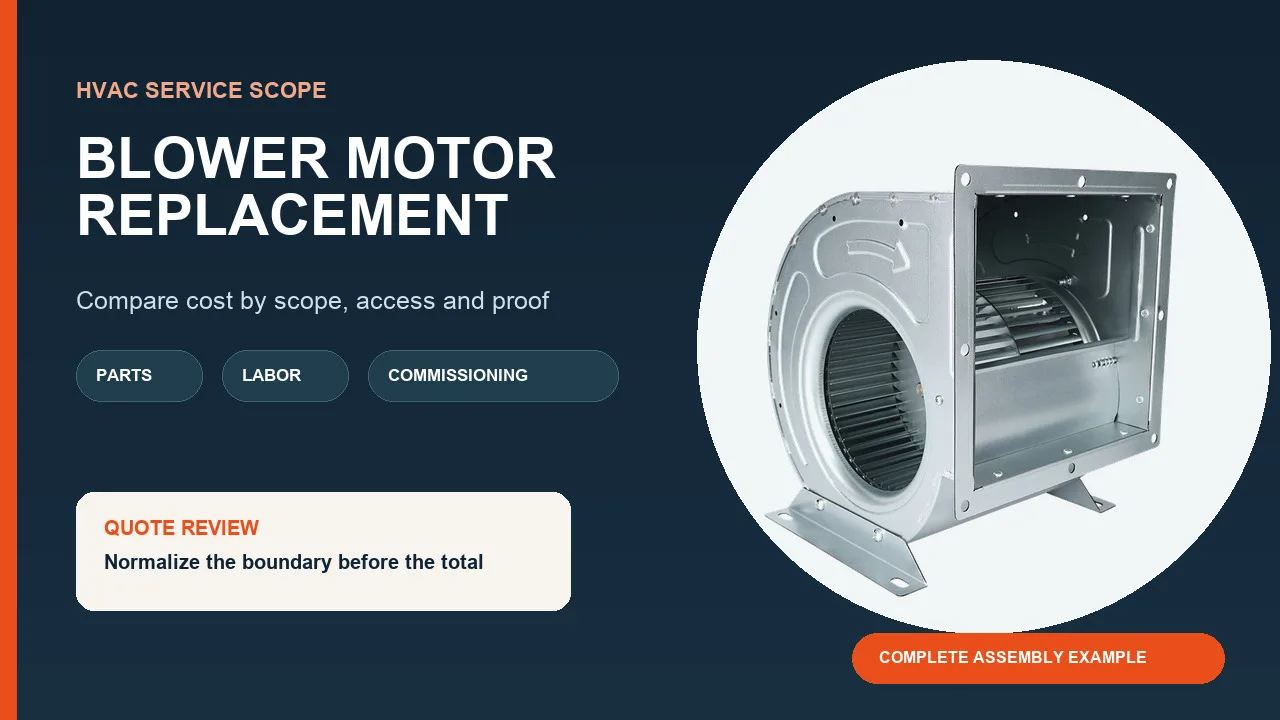
Each quotation should say whether it covers the motor only, a matched motor-and-control set, a motor-and-wheel set, or the complete blower assembly. It should also identify the exact items retained from the original equipment. A damaged wheel, seized hub, worn mount, unavailable module, or unit-specific assembly rule can expand the appropriate boundary.
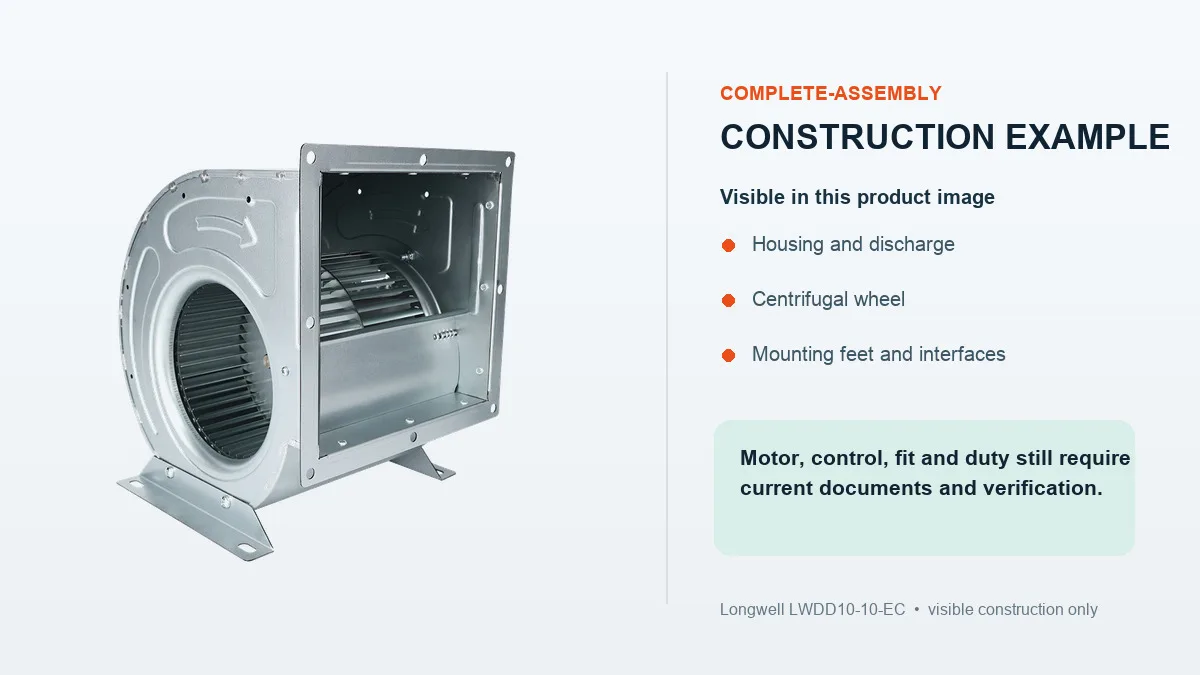
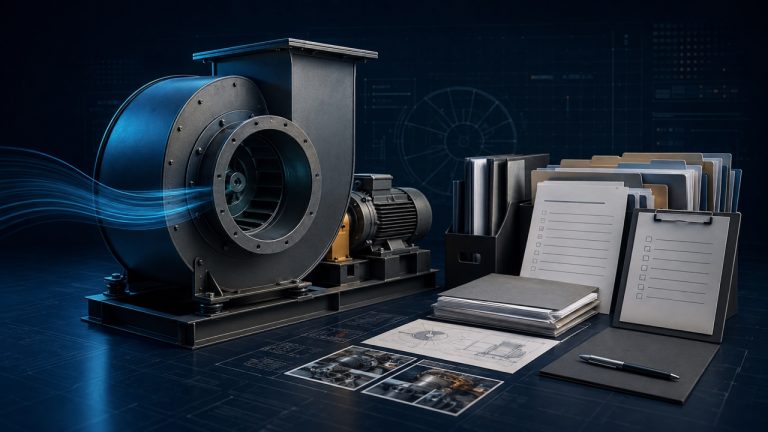
The pictured Longwell unit is a complete-assembly construction example, not a replacement recommendation. The direct-driven centrifugal blower family can help a buyer understand assembly-level options, but only current equipment documents and a verified interface record can establish suitability.
Price the access path and site conditions
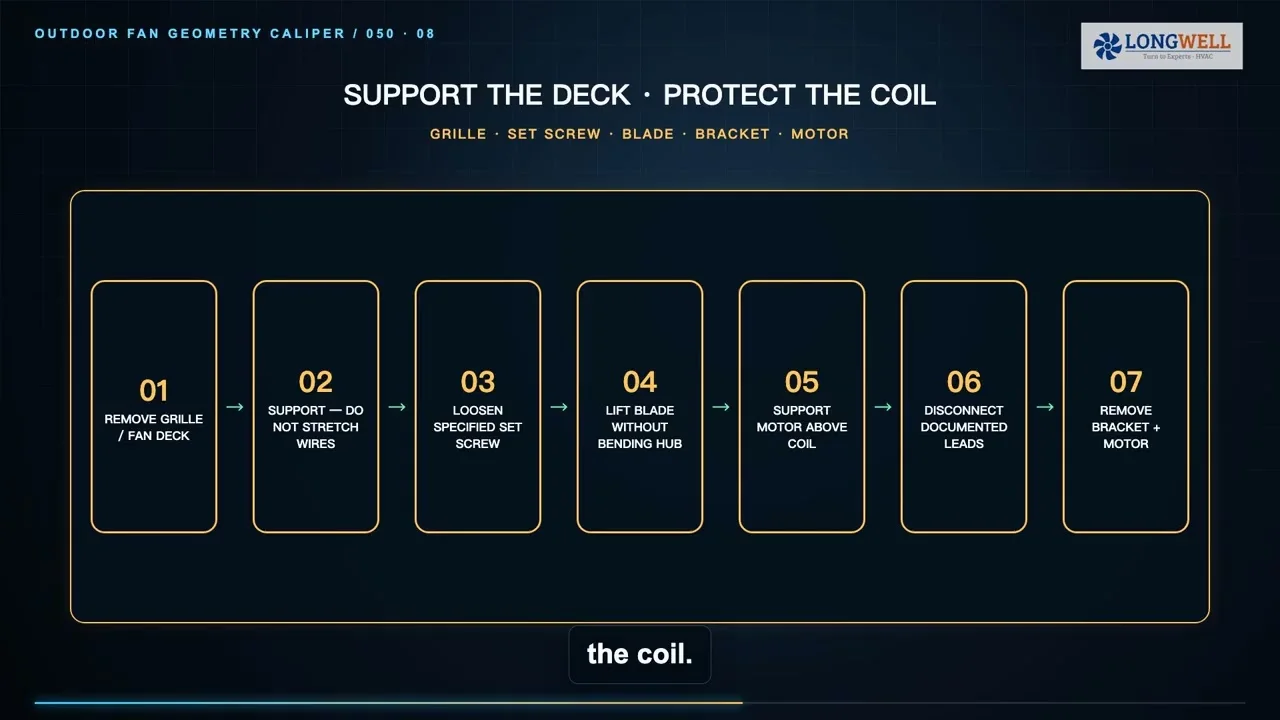
Labor follows the real removal and restoration path. Record the cabinet, access panels, surrounding services, connectors, wheel hub, lifting space, and route out of the equipment. Tight clearances, obstructing components, a stuck hub, difficult harness transfer, roof or ceiling access, and a controlled shutdown window can add work without changing the motor label.
Site photographs are useful when they explain these conditions, but they do not replace inspection. Ask the bidder to list access assumptions and the rule for handling a concealed defect discovered after opening the unit. This is more informative than arguing over an unbounded labor allowance.
Normalize every quote on one worksheet
Put each bidder against the same checklist: exact part or assembly number; motor and control architecture; capacitor or module; diagnosis; removal and installation; wheel, hub, mount, or balancing work; wiring and setup; access assumptions; travel and shutdown conditions; commissioning; warranty; disposal; and exclusions. Mark every field included, excluded, provisional, or not applicable.
Then compare differences, not just totals. One offer may appear lower because it excludes a control module, difficult access, a second visit, or operating verification. Another may include a larger assembly because the manufacturer services the unit at assembly level. The worksheet should reveal that distinction before authorization.
Make commissioning a priced deliverable
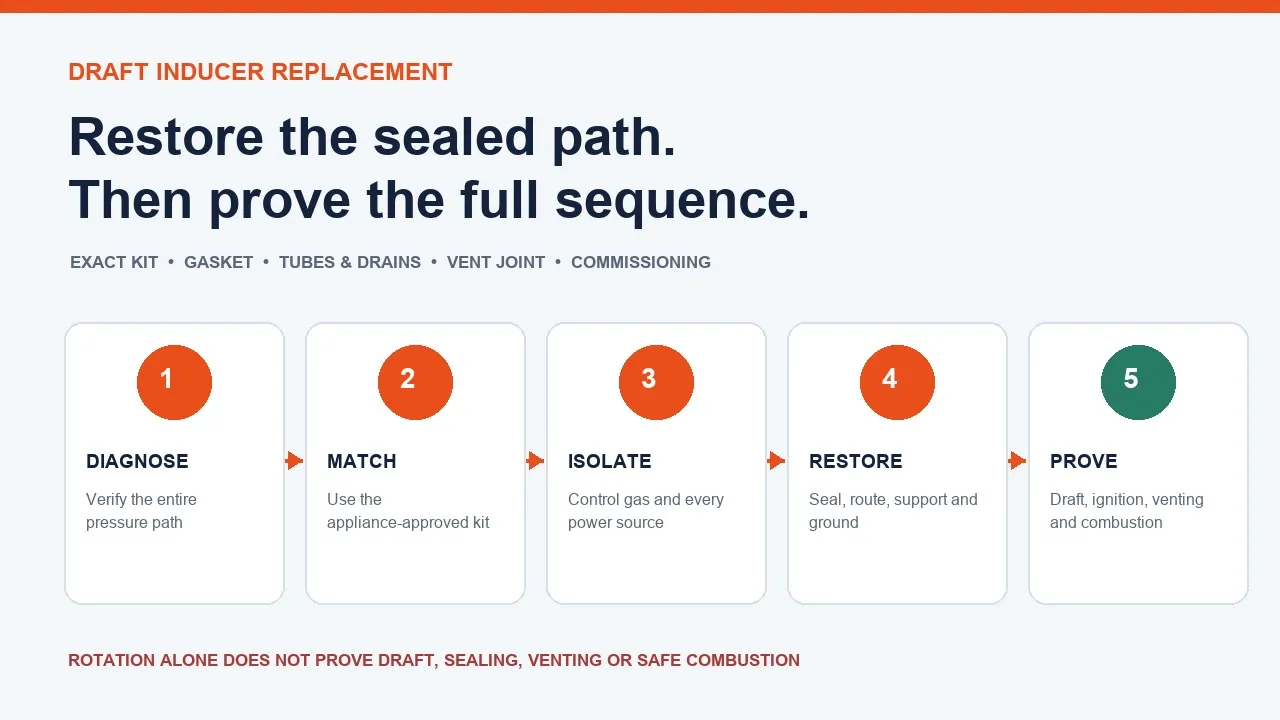
A new motor spinning is not complete proof. The acceptance record may need rotation, control response or selected speed, running voltage and current, airflow or pressure where specified, vibration and sound observations, temperature trend, and restored panels, seals, guards, and clearances. Limits must come from the motor, unit, and project requirements.
Where airflow is part of acceptance, use the documented operating point rather than a free-air impression; this fan curve guide explains the relationship between airflow and pressure. The handover should preserve old and new component identities, relevant readings, settings, warranty terms, and unresolved limitations.
Send a comparison-ready review packet
For a useful review, provide the equipment model, motor and control labels, symptoms, diagnostic findings, access photographs, electrical and control requirements, proposed replacement boundary, each quote’s inclusions and exclusions, and the commissioning criteria. HVAC equipment can contain hazardous voltage, stored energy, sharp metal, and rotating parts; authorized personnel must follow the equipment manual, the site energy-control procedure, and applicable requirements.
Choose the right blower
Longwell manufactures 247 blowers in-house. Send airflow, static pressure and voltage — an engineer replies with a matching model, performance curve and price within one working day.