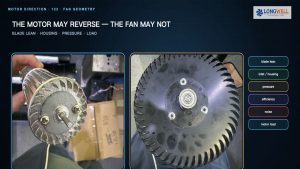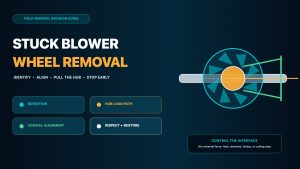
An AC fan that stops and starts again deserves a timeline, not an instant parts order. First identify which fan stopped: the outdoor condenser fan or the indoor blower. The two move air through different parts of the system, and a symptom that sounds similar can point to different checks. A pause after several minutes is useful evidence, but it does not by itself prove a thermal overload, failed capacitor or worn motor.
Leave the equipment off and arrange service if you see smoke, smell burning, hear scraping or notice repeated protective trips. Do not reach into a fan, remove an energized panel or test a capacitor yourself. If the outdoor compressor appears to keep running while its fan is stopped, switch the system off: Carrier’s condenser-fan guidance describes the risk of continuing to run the unit without that airflow.
Record the sequence before resetting the unit
Write down the thermostat setting, whether cooling was being requested, which fan ran, when it stopped, and whether the compressor stopped with it. Note any fault code, breaker trip, unusual sound and approximate outdoor conditions. If it restarts, record what happened immediately before the restart. This simple event log is more useful to a service technician than saying the motor fails every so often.
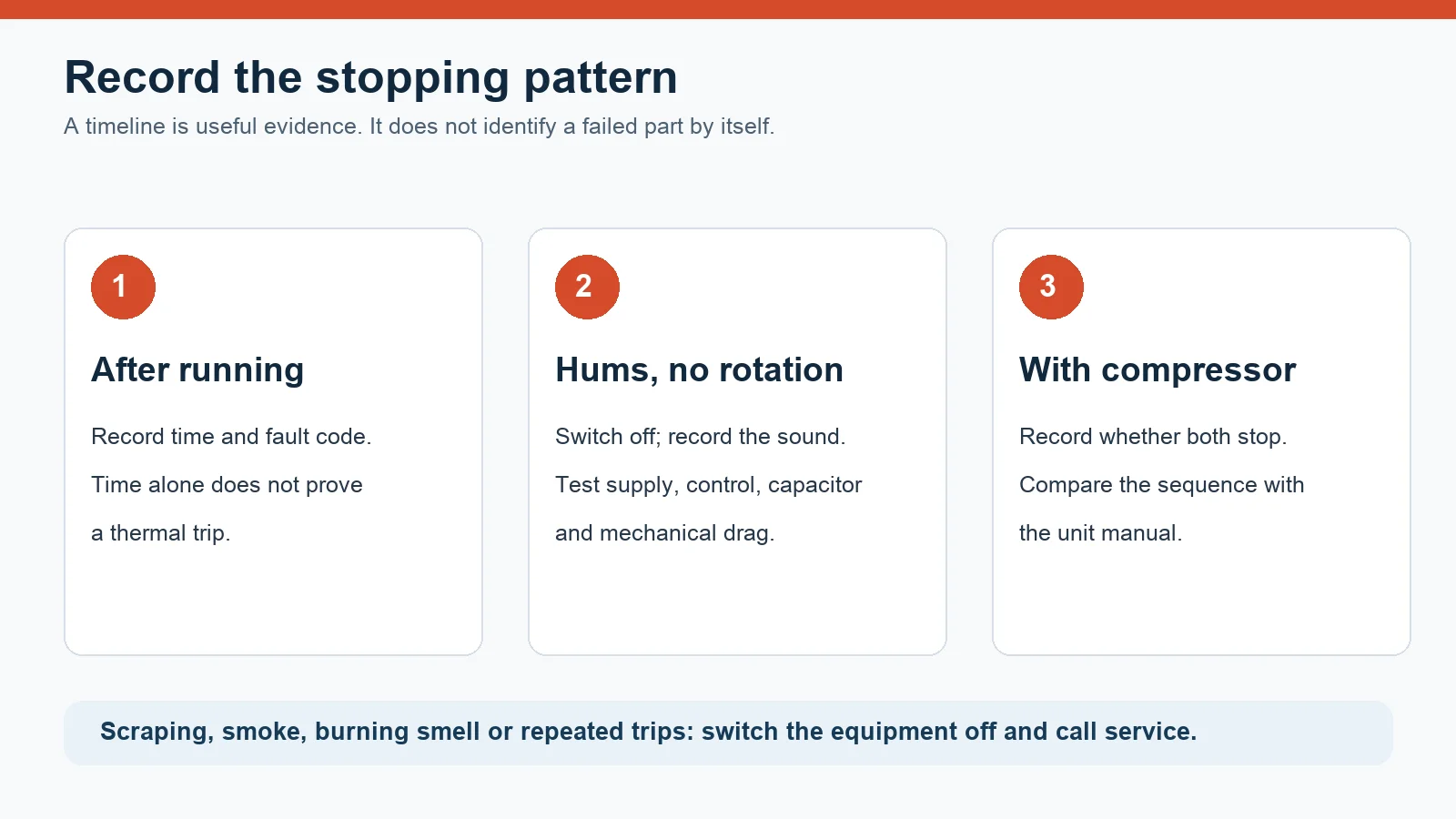
A motor protector can be one possible cause of a run-stop-restart cycle on some designs. The same pattern can also arise from unit controls, supply interruptions or another protective action. Likewise, a hum without rotation is a reason to stop the system and investigate; it does not justify buying a capacitor before the motor type and electrical condition are known. The diagram deliberately separates what you observed from what still needs testing.
Identify the outdoor fan or indoor blower
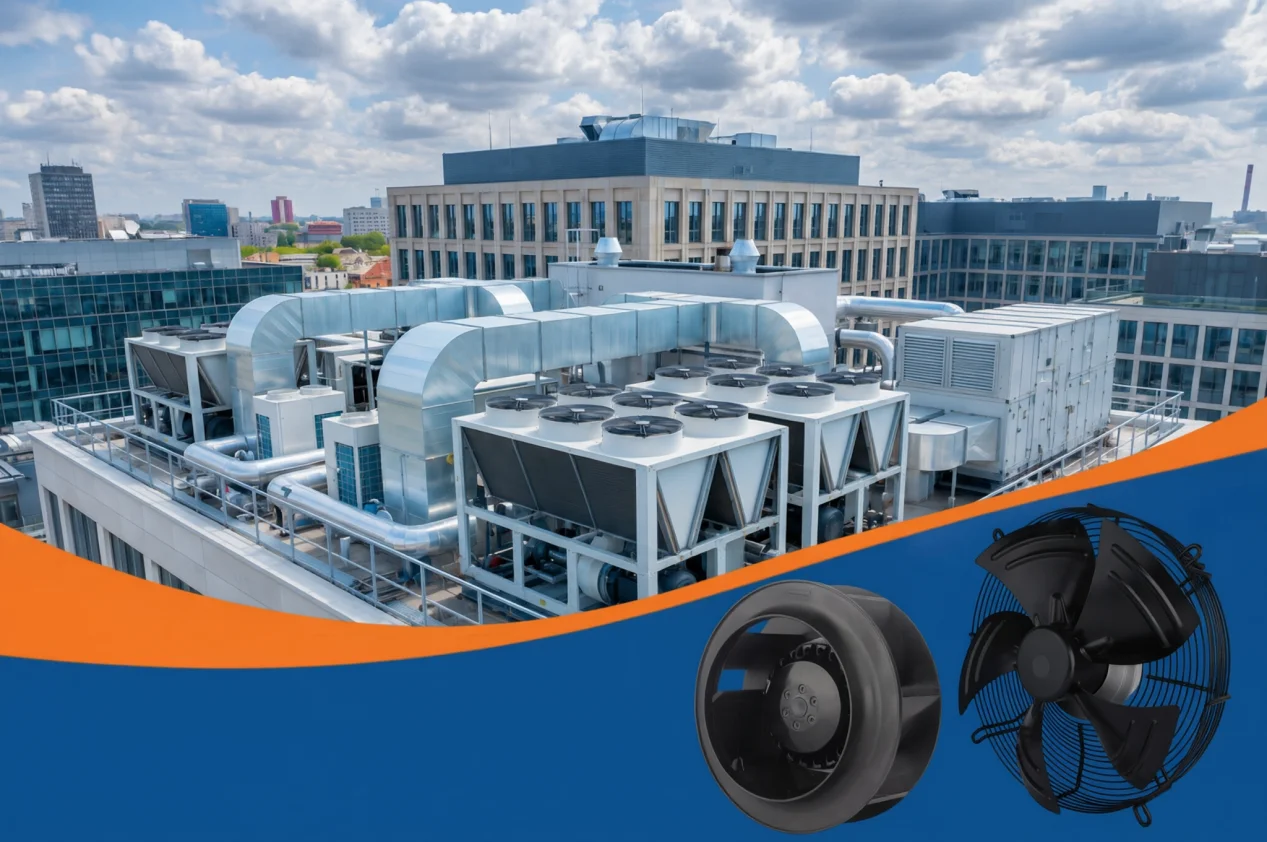
The outdoor condenser fan moves air across the condenser coil, while the indoor blower moves return air through the indoor unit and supply ducts. Look from a safe position and note the location of the stopped fan. For an outdoor fan, report visible debris, coil condition and whether the compressor appears to continue. For an indoor blower, note the accessible filter, blocked return or supply grilles, thermostat call and any unit fault display. These are observations, not permission to open guarded equipment.
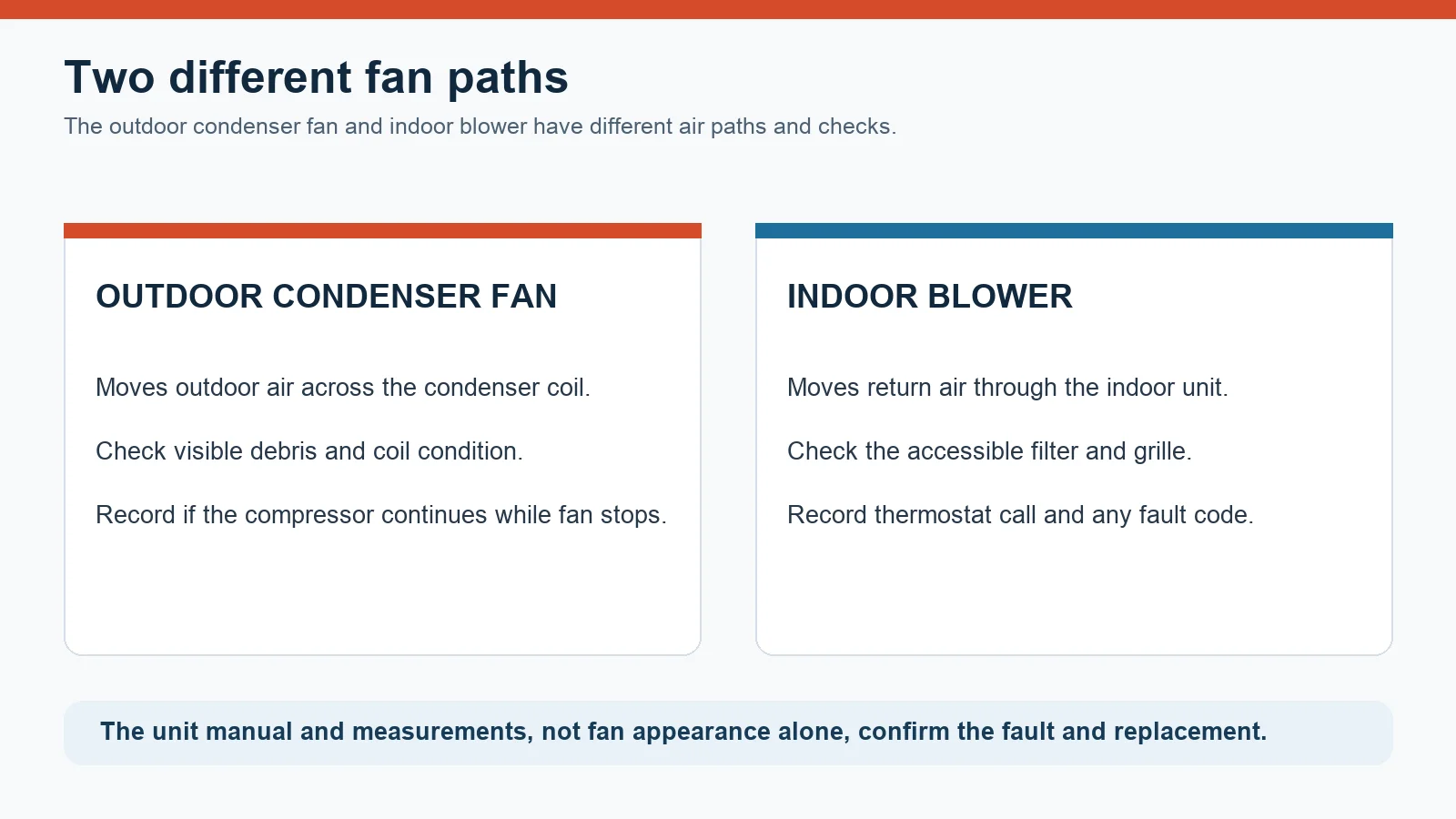
Keep the two air paths separate in your report. A dirty indoor filter may reduce cooling and affect the indoor air path; it does not establish why an outdoor condenser motor stopped. Our condenser-fan replacement guide discusses the outdoor assembly specifically. It should be read with the equipment maker’s instructions, rather than treated as a universal wiring or fault-finding procedure.
What a qualified technician should test
The exact diagnostic sequence depends on the unit and its motor and control design. With the equipment made safe according to the service procedure, a technician can confirm the call for operation, supply and control output, motor and fan freedom of movement, and any required capacitor or control components. Electrical readings need comparison with the correct nameplate and service manual. A capacitor reading from another model or a nominal value found online is not enough.
The technician should also check the airflow path and the reason for any protective shutdown. Cleaning a visible obstruction may be appropriate, but it is not proof that a motor is healthy; replacing a motor without checking the load and controls can leave the original problem in place. Ask which measurement or observed fault supports the diagnosis, what action was taken, and whether the unit completed its normal operating sequence afterward.
Do not select a replacement by appearance alone
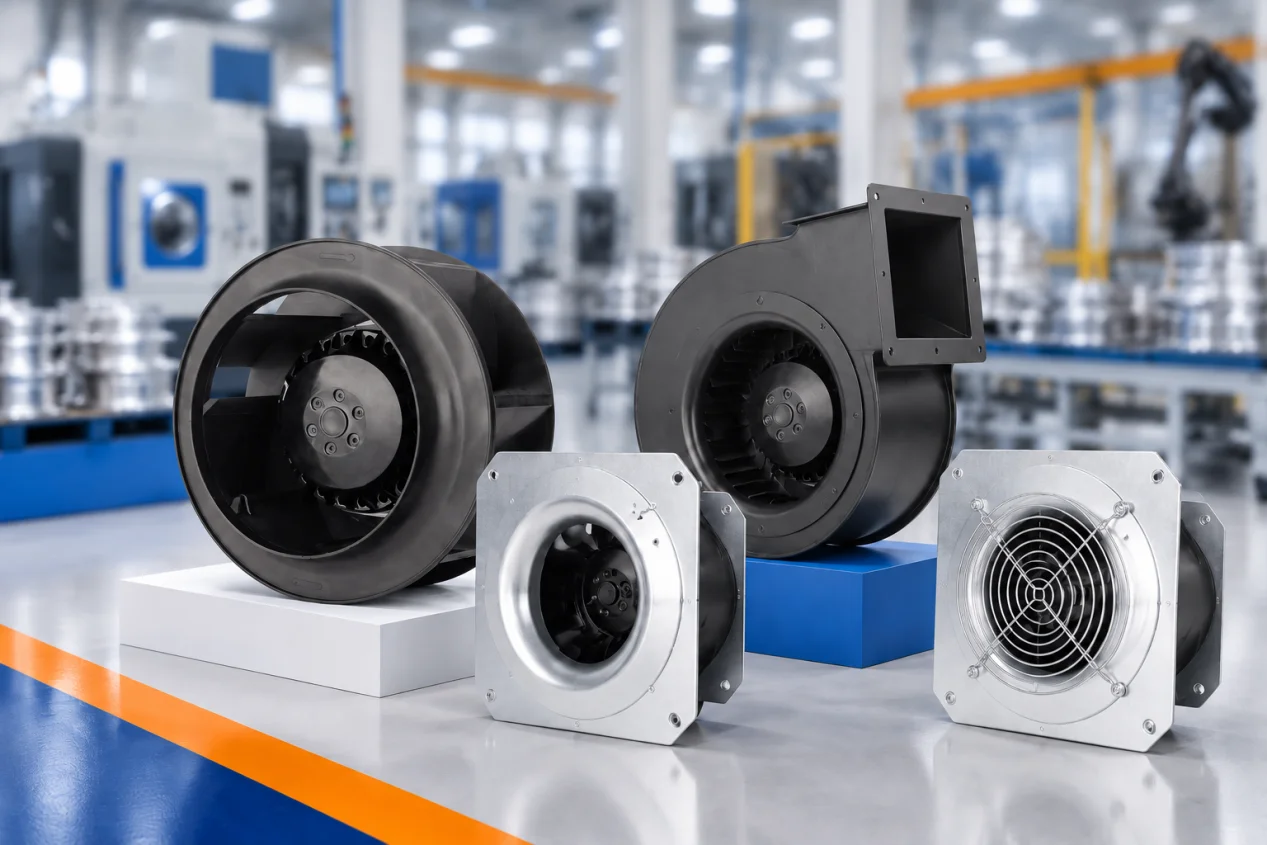
A fan can look similar while differing in supply, rotation, speed, control method, mounting, shaft or blade geometry. For an OEM or service replacement, gather the full existing model and suffix, unit model, electrical data, drawing and required airflow duty. The LONGWELL fan-replacement checklist sets out the fit, duty and control questions to resolve before ordering.
Our AC axial fan family illustrates one available product family. That family page identifies a type of fan; it does not establish that any listed model fits your condenser, has passed a test in your equipment, or will solve an intermittent stop. A complete suffix-specific drawing and applicable performance information must be checked against the actual installation.
A useful handoff after the visit
- Keep the event timeline and any fault-code photo with the unit model and date.
- Ask which fan stopped and whether the compressor and controls stopped at the same time.
- Record the measurements and the exact part numbers used in the diagnosis.
- Confirm the unit completed a normal operating cycle after the work.
If the symptom returns, those records let the next technician compare conditions rather than restart the investigation from memory. For an OEM project, the same information helps an engineer assess whether the proposed fan, motor and control interface match the intended duty. It is a better route than assuming all intermittent stopping is a capacitor problem or that a visually similar motor is interchangeable.