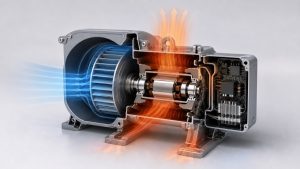
Single-inlet and double-inlet centrifugal fans solve different packaging problems. The question for an air-handling-unit or equipment buyer is whether the exact fan assembly can deliver the required airflow and pressure inside the available cabinet, with a workable inlet approach and service path. Two inlets do not establish twice the airflow, two independent fans, or built-in redundancy. Those conclusions require separate evidence.
Trace the air path before comparing catalog numbers
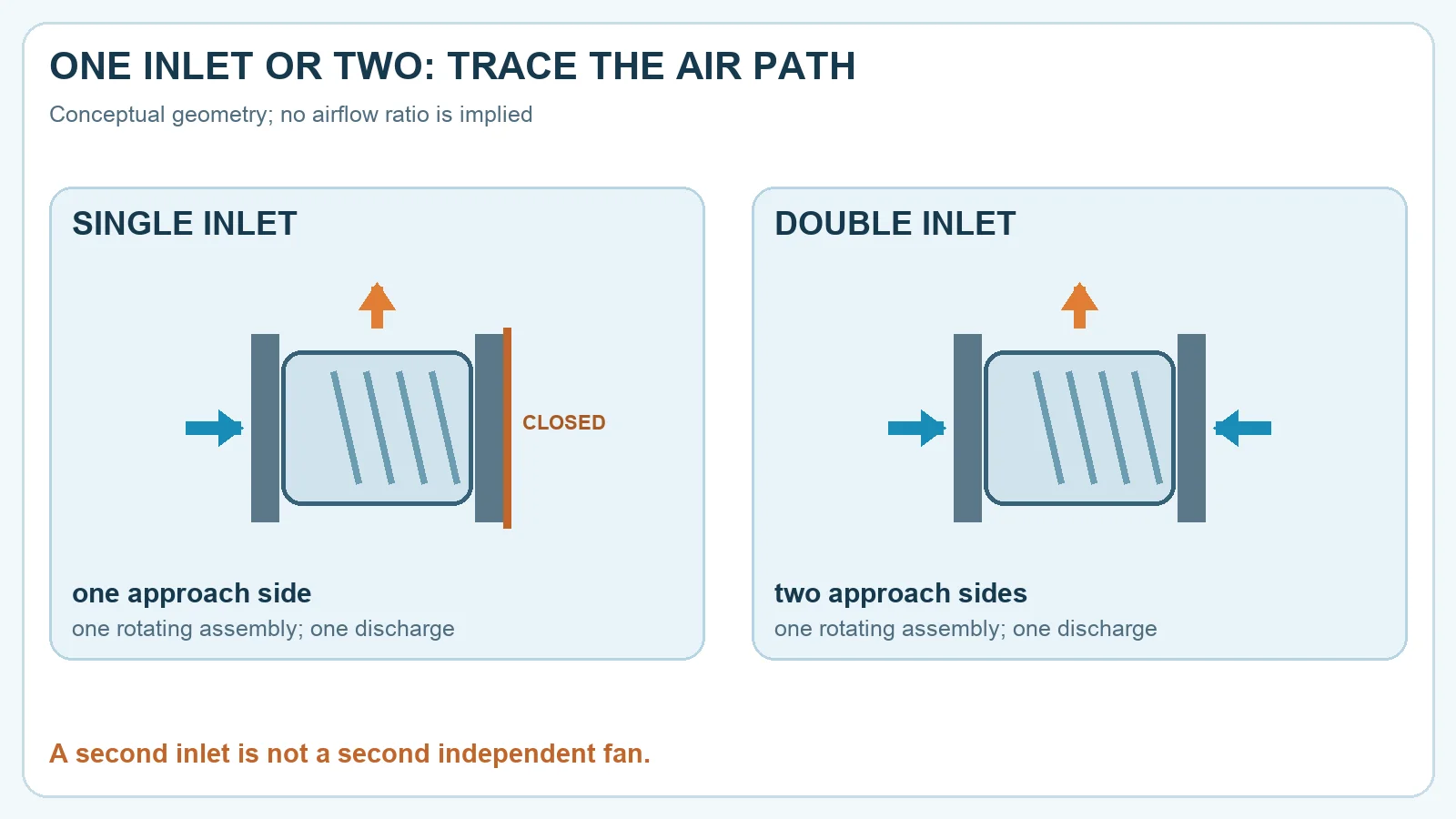
A single-inlet arrangement admits air at one wheel eye. A double-inlet arrangement admits air from both sides of a common rotating assembly and discharges through its scroll. The second approach path affects the plenum, cabinet, guards and maintenance clearances. It does not make the two sides independent machines. If a project needs continued airflow after one fan fails, specify separate fan units and a control and isolation strategy for the degraded condition.
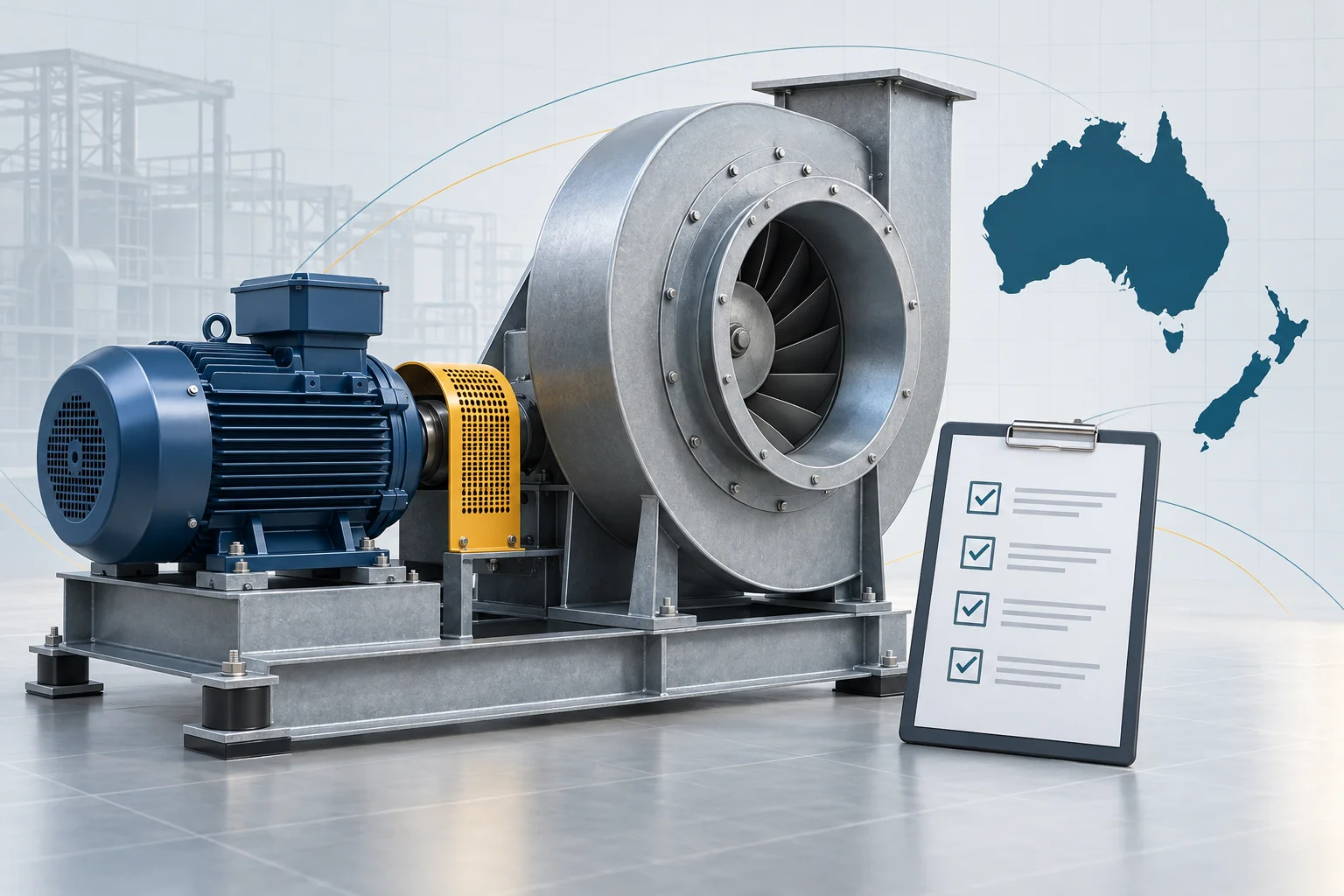
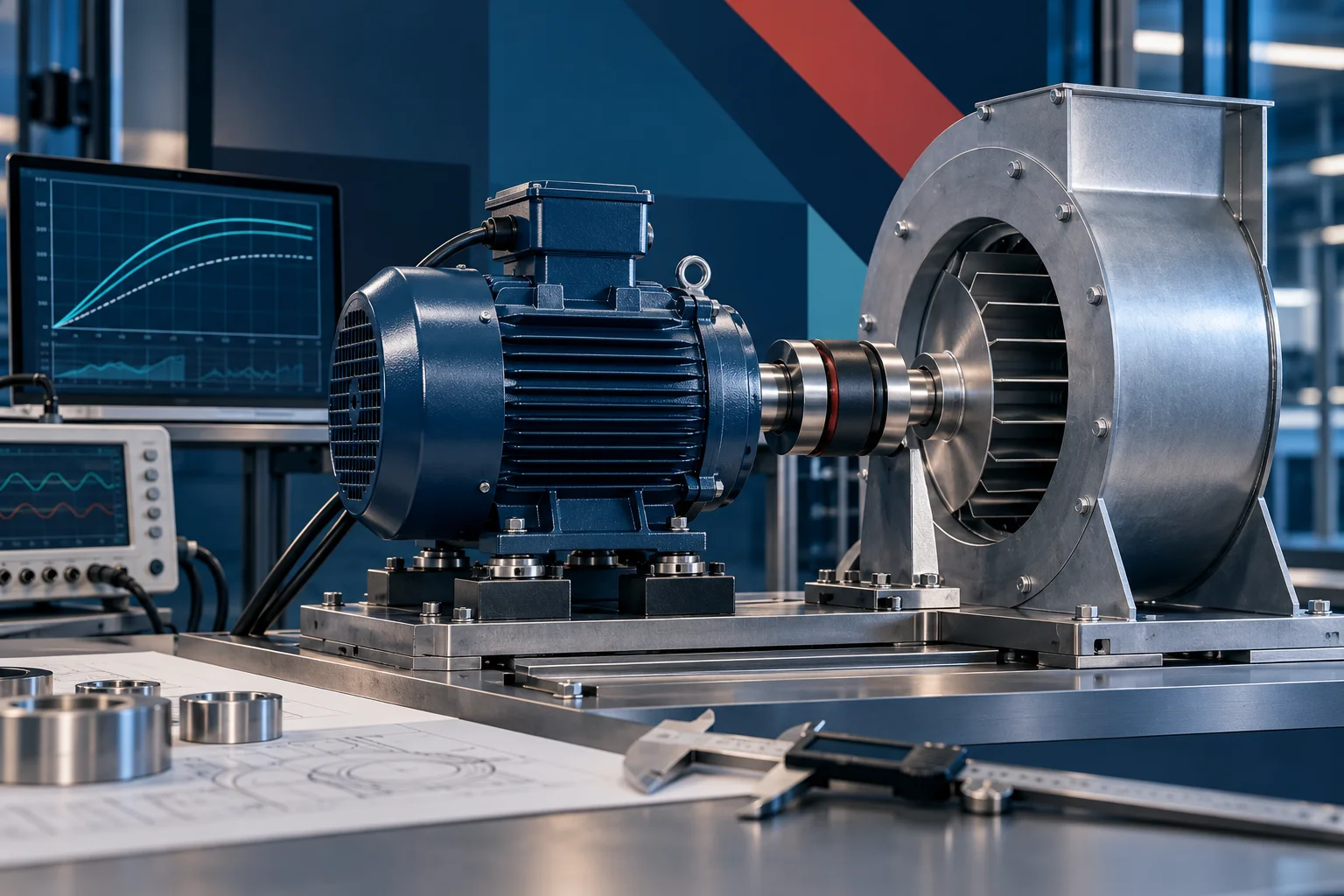
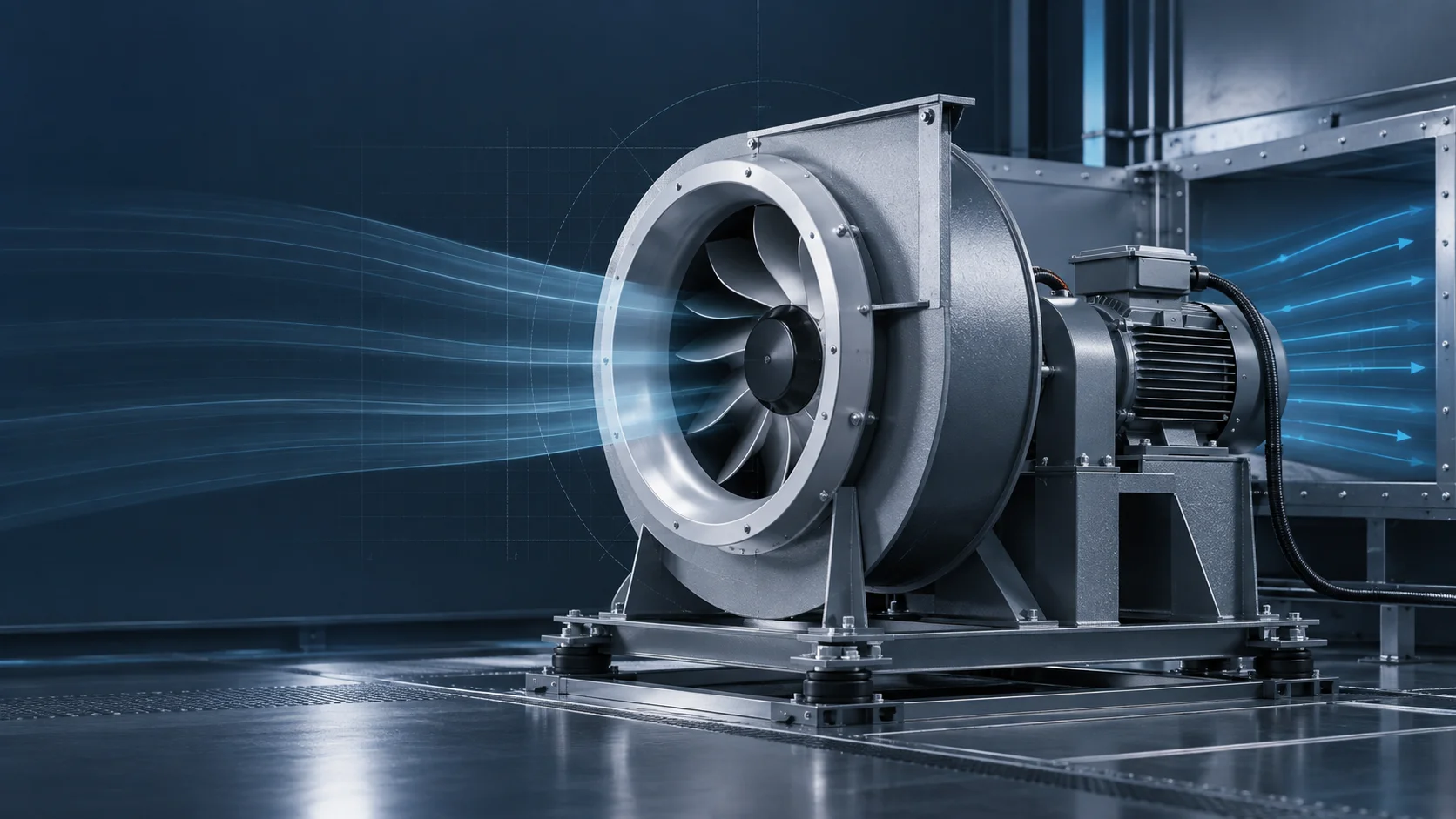
The diagram separates these geometries without assigning a flow ratio. Actual wheel width, diameter, blade shape, inlet cones, casing, speed and motor arrangement vary by model. The current LONGWELL DDM catalog identifies a housed commercial centrifugal blower family and gives dimensions and model performance tables. It is useful for confirming a candidate series, not for inferring how an unrelated single-inlet fan would perform.
Match the duty point, not the maximum figures
Define required volume flow, the static or total pressure basis, air density, filter and coil resistance, and the operating states before selecting a fan. A maximum-flow point and a maximum-pressure point usually refer to different positions on a curve. They cannot be combined as one operating point. Request the exact model, suffix, speed, electrical supply, control state and documented curve for each candidate. Compare them at the same stated duty and test boundary.
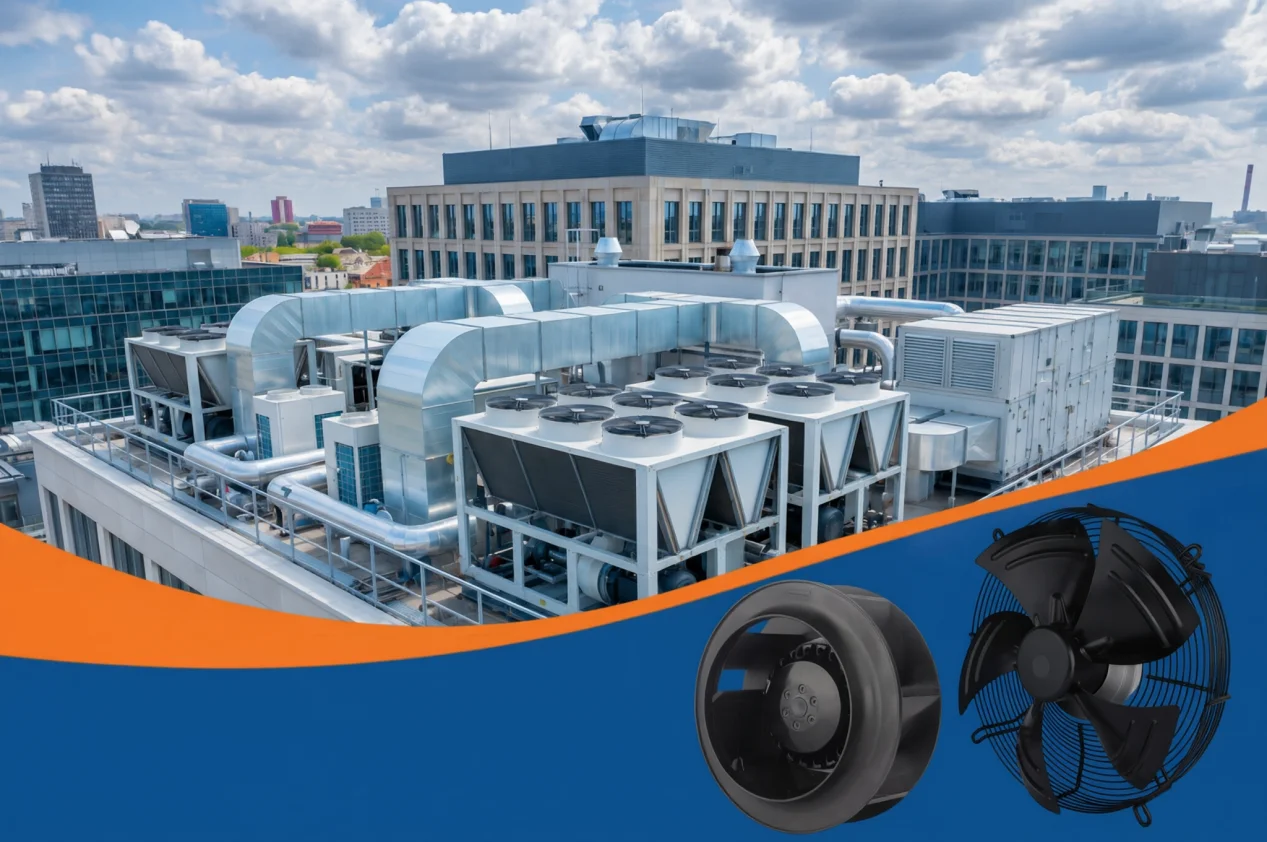
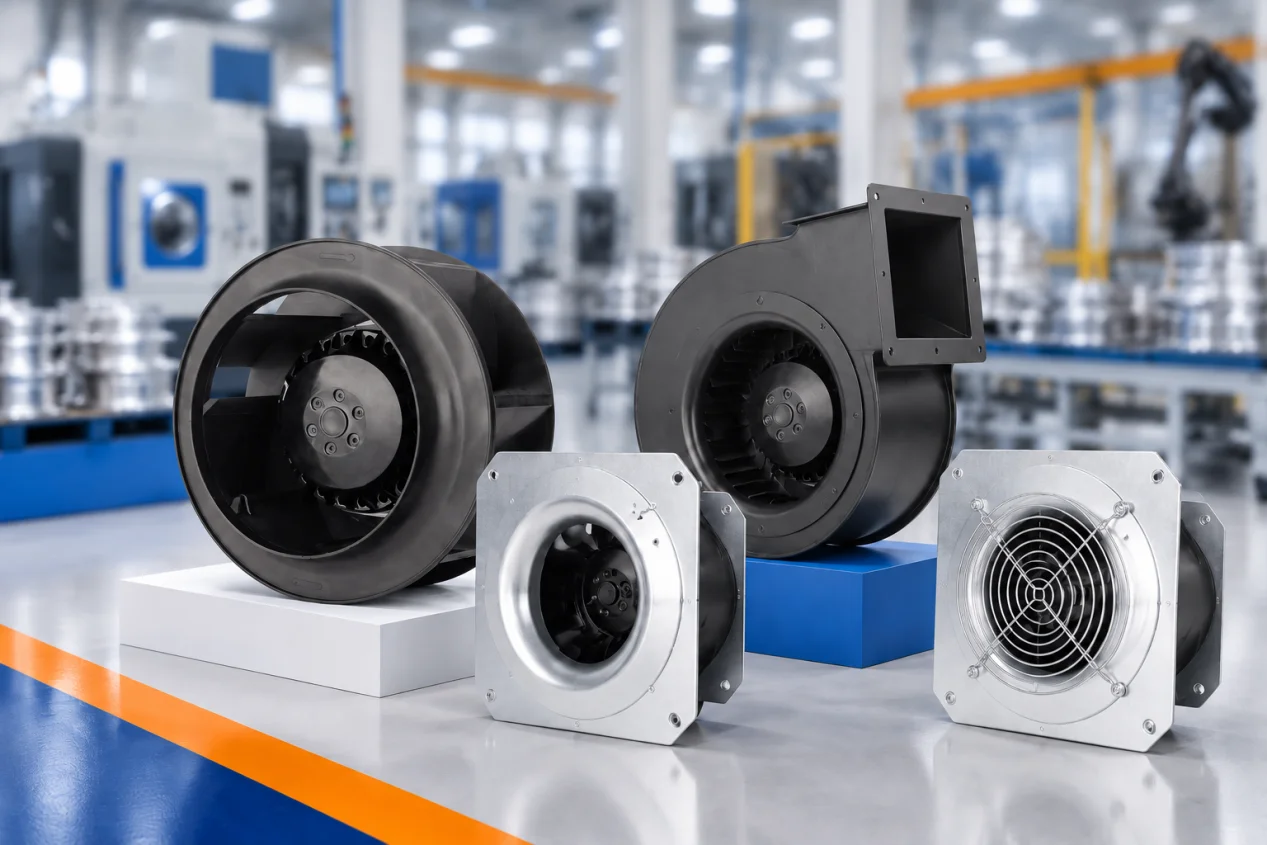
The public LONGWELL single-inlet forward blower family and dual-inlet forward blower family show that both arrangements are offered. These are family routes, not a matched pair or a promise of interchangeable performance. An old curve on this article belonged to a backward-curved model outside that comparison; it could not prove a single-versus-double-inlet claim and has been removed. Use the current, exact candidate documents instead.
Draw both inlet approaches in the actual cabinet
For a single-inlet fan, show the approach to its one inlet, nearby walls, turns and access for the drive and wheel. For a double-inlet fan, show both sides. A coil, filter frame, damper, cabinet wall, partition or drive component can disturb one side even when the opposite side is open. The inlet arrangement on a laboratory curve may differ from the installed plenum. AMCA’s system-effect explanation describes how uneven inlet flow and nearby obstructions can change installed performance. It does not supply a universal clearance for every LONGWELL fan or validate this cabinet.
Ask the equipment designer for a dimensioned plan and section, not only an exterior footprint. Record the inlet openings, clearance on each active side, discharge transition, filters at clean and loaded states, damper positions, panel removal route and any inlet guard. If the available geometry differs from the test arrangement, have the supplier and system designer assess the resulting duty instead of applying a guessed correction or a fixed “half-diameter” rule.
Check the whole rotating and electrical assembly
Motor location and shaft support are design choices, not reliable labels attached to every single- or double-inlet fan. Verify the actual motor, drive, bearings, supports and access panels on the drawing. For a belt-driven model, include pulley, belt, guard and tensioning access. For a direct-drive model, include the motor location and electrical service space. Obtain the specified starting and control behavior, allowable operating range, power input and sound information for the exact arrangement.
Do not assume that a double-inlet fan automatically cancels bearing load, reduces vibration or protects the motor. Wheel balance, assembled-fan vibration and installed vibration are different measurements. If an operating or sound limit matters, request the applicable test method and condition. The fan maker’s catalog and the AHU designer’s cabinet assessment each cover a different part of that question.
Plan cleaning, isolation and replacement
Maintenance access can decide a shortlist when two candidates meet the same air duty. Check how a technician reaches the wheel, inlet cones, bearings, motor and drive after guards are installed. Show the panel opening and lifting route for a replacement assembly. A wider casing or a second inlet can change these routes, but neither configuration guarantees easy or difficult cleaning by itself. Confirm the actual construction and isolation procedure for the site.
Grease, dust, heat or corrosive air requires a separate material and safety review. An inlet count does not establish suitability for those duties. Do not infer that every single-inlet motor is outside contaminated air or that every double-inlet motor sits inside it. Check the exact assembly drawing, applicable documents and any site-specific protection requirement before releasing a purchase order.
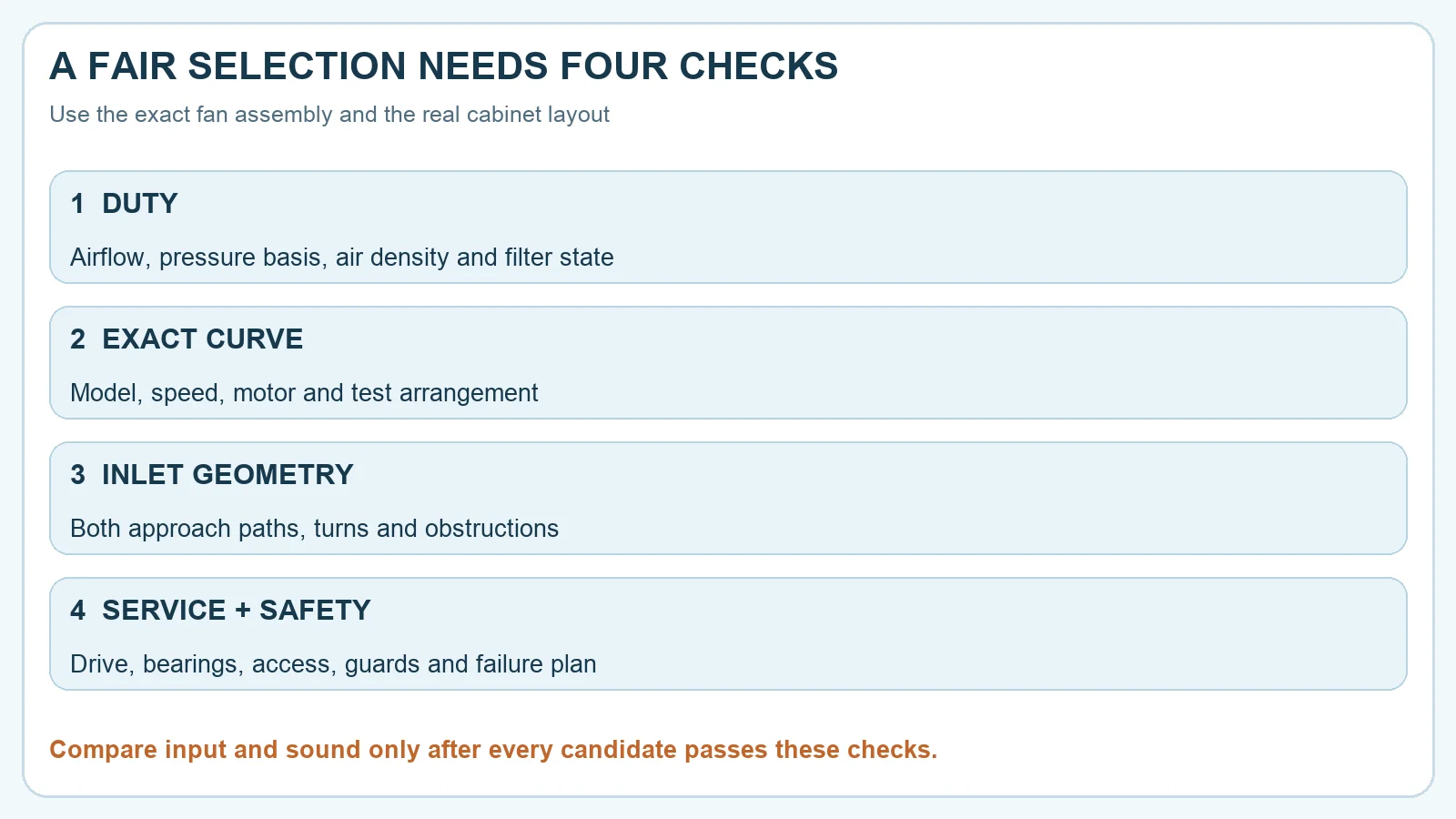
Use a four-part release check
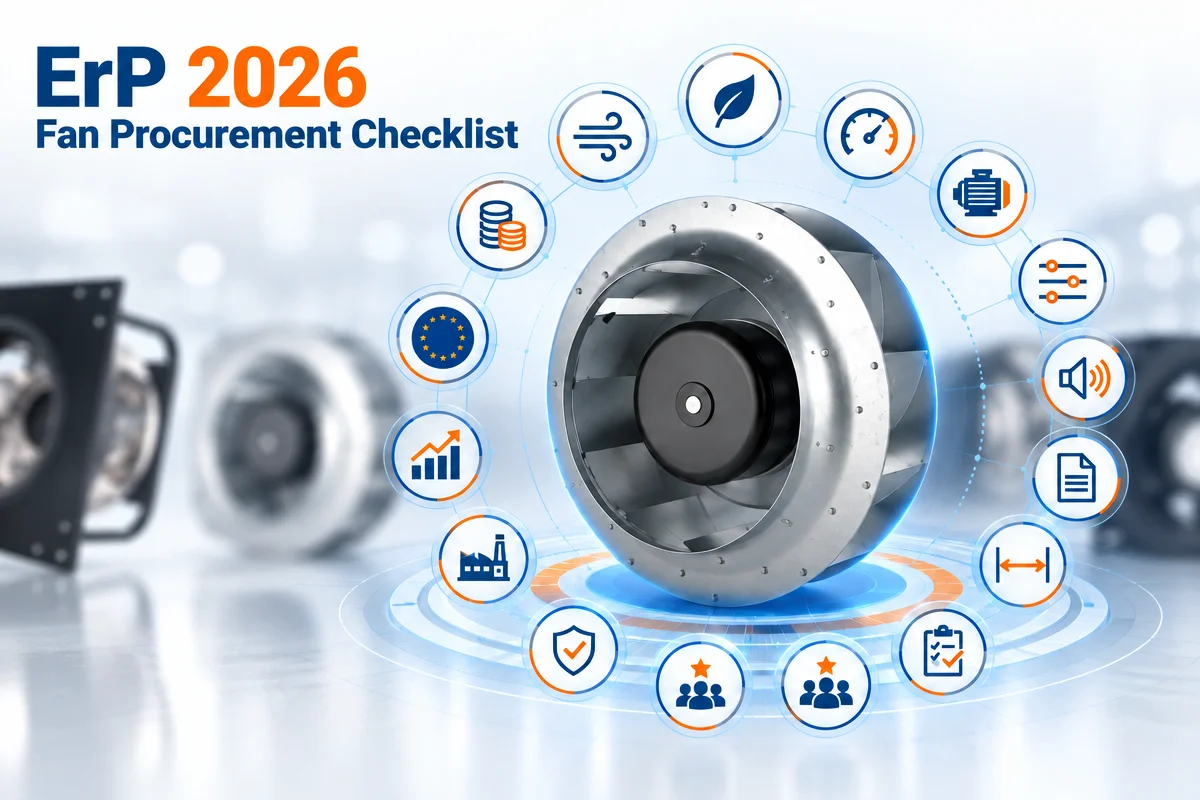
First, lock the duty and pressure definition. Second, obtain the exact tested curve and operating input for each proposed model. Third, reconcile that test with the installed inlet and outlet geometry. Fourth, verify service, guards and the failure plan. Only then compare purchase cost, input energy, sound and available space. The two explanatory figures above are conceptual selection aids, not measured LONGWELL curves or engineering approval for a particular AHU.
For a model-specific review, send the duty point, cabinet drawings, electrical supply, controls and service constraints to sales@longwellfans.com.
Choose the right centrifugal fan
Longwell manufactures 1,130 centrifugal fans in-house. Send airflow, static pressure and voltage — an engineer replies with a matching model, performance curve and price within one working day.