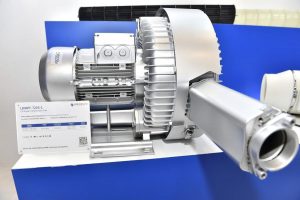
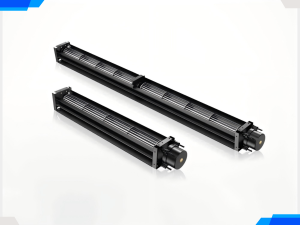
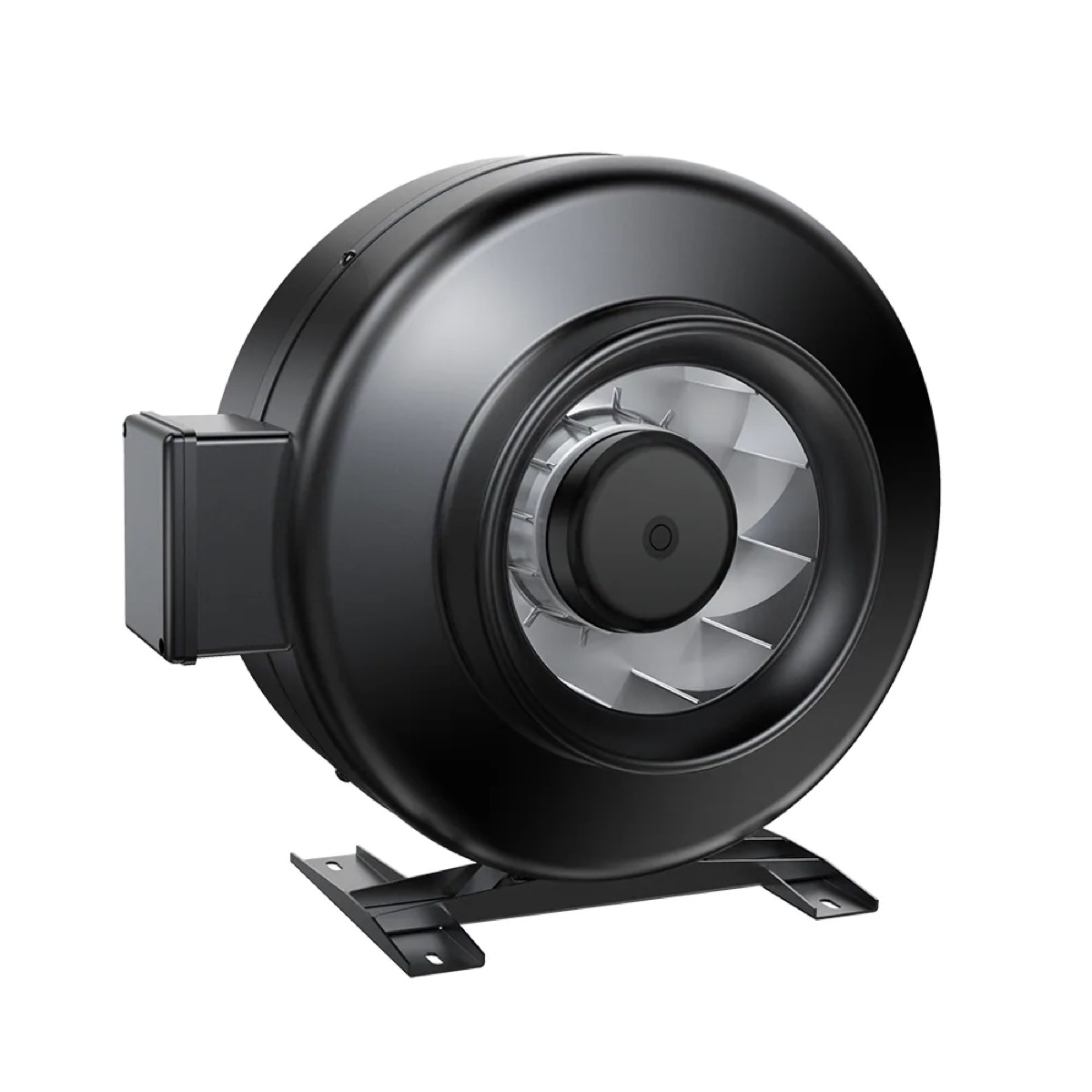
GB 28381-2026 Minimum allowable values of energy efficiency and energy efficiency grades for blowers takes effect on 1 April 2027. A buyer’s first task is not to request a grade. It is to confirm that the machine meets the standard’s blower type, pressure, pressure-ratio and flow scope.
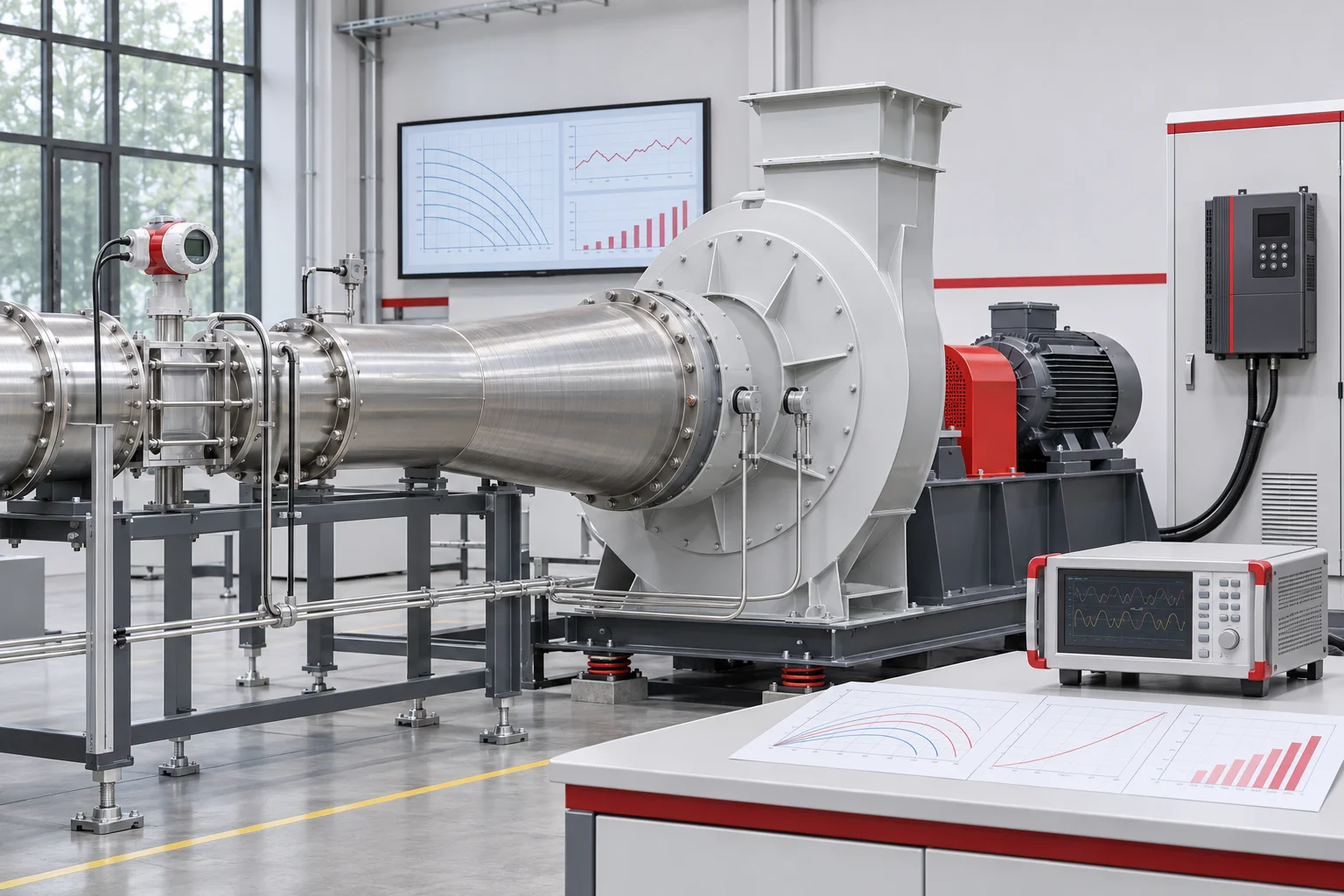
GB 28381-2026 blower scope, specified conditions and efficiency evidence review Information checked 12 November 2026
Transition decision
The official national-standard records show that GB 28381-2026 was published on 31 March 2026 and will take effect on 1 April 2027, fully replacing GB 28381-2012. The new edition extends beyond centrifugal blowers to specified mechanical-bearing centrifugal, axial, suspension-bearing centrifugal, single-stage Roots and screw blowers.
The new standard defines grades 1, 2 and 3, with grade 1 being the highest. For turboblowers, the measured efficiency must not fall below the applicable grade-3 value. For positive-displacement blowers, the measured volumetric specific energy must not exceed the applicable grade-3 value.
Pass the scope gate first
Many HVAC products are marketed as blowers, but a commercial name does not determine GB 28381 scope. The standard sets boundaries for the gas, pressure or pressure ratio, flow, construction and temperature.
|
Blower type |
Key scope conditions |
Efficiency metric |
|---|---|---|
|
Mechanical-bearing centrifugal |
Air; discharge gauge pressure 30 to 200 kPa or overall pressure ratio 1.3 to 3.0; inlet flow 500 to 1,000,000 m³/h |
Polytropic efficiency |
|
Axial |
Same pressure or pressure-ratio condition; inlet flow 60,000 to 1,000,000 m³/h |
Polytropic efficiency |
|
Suspension-bearing centrifugal |
Same pressure or pressure-ratio condition; inlet flow 500 to 400,000 m³/h |
Overall efficiency |
|
Single-stage Roots |
Air; inlet temperature no more than 45 °C; standard volume flow 1 to 1,250 m³/min; pressure rise 9.8 to 98 kPa for positive pressure and 9.8 to 49 kPa for negative pressure |
Volumetric specific energy |
|
Screw |
Air; standard volume flow 2 to 200 m³/min; pressure rise 39.2 to 245 kPa |
Volumetric specific energy |
An ordinary ventilation, air-conditioning or equipment-cooling fan may fall outside the standard when it does not reach these pressure, pressure-ratio or flow boundaries. Retain a written scope decision instead of requiring a GB 28381 grade simply because the catalogue uses “blower.”
Use the correct metric for each type
Mechanical-bearing centrifugal and axial blowers use polytropic efficiency. Suspension-bearing centrifugal blowers use overall efficiency, the ratio of blower absolute power to the input power of the complete drive module. Single-stage positive- and negative-pressure Roots blowers and screw blowers use volumetric specific energy, where a lower number means less energy per unit volume compressed.
The purchase specification should name the blower type, metric, unit, specified condition, guaranteed duty point and required grade. Polytropic efficiency, overall efficiency and volumetric specific energy should not be merged into a generic “fan efficiency” field.
Specified conditions and test methods
The specified condition uses an absolute inlet pressure of 101.3 kPa, suction temperature of 20 °C and relative humidity of 50 percent. Flow is the delivered quantity at the guaranteed performance duty stated in the product technical file.
Turboblowers are measured under GB/T 25630, Roots blowers under JB/T 8941.2 and screw blowers under GB/T 3853. For a suspension-bearing centrifugal blower, the measured overall efficiency may differ from the overall efficiency at the process maximum load stated in the technical file by no more than minus 2 percent.
Where a flow or pressure rise lies between listed table values, the standard provides interpolation methods. Retain the raw values, interpolation inputs, formula, rounding and final grade decision rather than accepting an unsupported grade label.
Drive and motor evidence
GB 28381 links general industrial blowers and petroleum, chemical and gas-industry blowers to their applicable product standards. For a suspension-bearing centrifugal blower, the drive motor and variable-frequency equipment must also comply, as applicable, with GB 18613, GB 30253, GB 30254 or GB/T 12668.902.
The complete blower grade therefore does not replace a separate scope decision for the motor or power-drive system. Bind the blower, motor, inverter, control parameters and tested configuration to the same controlled version.
Supplier evidence package
1. Product type and operating principle, including mechanical bearing, suspension bearing, axial, Roots or screw construction.
2. Gas, inlet state, discharge pressure or pressure rise, overall pressure ratio and design flow.
3. Guaranteed duty point with flow, pressure, temperature, humidity, speed and input power.
4. Applicable table, grade, metric, unit and interpolation record.
5. Complete test report, sample model, critical parts, test date, instruments and raw results.
6. Motor, inverter, coupling, gear or other drive-component models and efficiency evidence.
7. Process maximum load in the technical file and the overall-efficiency deviation decision for a suspension blower.
8. Nameplate, data sheet, instructions, BOM, control software and parameter versions.
9. Production-to-test-sample declaration and critical-component change history.
10. Inventory, order, delivery and compliance transition plan around 1 April 2027.
Buyer review sequence
1. Use pressure, pressure ratio, flow, temperature and construction to decide whether GB 28381 applies.
2. Identify the blower category, efficiency metric and table.
3. Compare the guaranteed duty with the specified condition and record each conversion.
4. Recalculate the grade and check the turboblower efficiency floor or positive-displacement specific-energy ceiling.
5. Reconcile the test sample with the offered and production BOM.
6. Review separate motor, inverter and other drive-component efficiency requirements.
7. Define reassessment triggers for an alternative motor, impeller, bearing, inverter or control parameter.
8. Put the scope decision, report, calculation and change responsibility into the contract and acceptance file.
Common purchasing questions
Does GB 28381 cover every centrifugal fan
No. The standard uses pressure or pressure ratio, inlet flow and construction to define scope. Many low-pressure HVAC centrifugal fans may not reach a 30 kPa discharge gauge pressure or an overall pressure ratio of 1.3 and need an actual parameter review.
Does grade 3 mean failure
No. The standard defines grades 1, 2 and 3, with grade 1 being the highest. The grade-3 value also sets the minimum allowable boundary.
Can polytropic and overall efficiency be compared directly
No. Their definitions and power boundaries differ. Compare the same blower type, metric and specified condition.
Does an inverter automatically improve the grade
No. The grade comes from measurement and calculation under the prescribed method. The inverter model, parameters and loss boundary must match the tested configuration.
What if the exact flow or pressure rise is not listed
The standard permits interpolation within its defined range. Retain the adjacent table values, input parameters, calculation and rounded result.
Send the duty point for a scope review
Send the equipment type, gas, inlet pressure and temperature, discharge pressure or pressure rise, pressure ratio, flow, speed, input power, motor and inverter models, guaranteed duty, current test report and target grade to sales@longwellfans.com. Longwell will first review whether the equipment falls within the stated GB 28381 scope, then confirm the performance and configuration material available for the candidate fan or motor. Final grading, certification and market conformity remain with the responsible manufacturer, laboratory, applicant and authority.
Official sources
- Source 1 National standards full-text system record for GB 28381-2026
- Source 2 National public service platform record for GB 28381-2026
- Source 3 National public service platform replacement link from GB 28381-2012
Choose the right blower
Longwell manufactures 263 blowers in-house. Send airflow, static pressure and voltage — an engineer replies with a matching model, performance curve and price within one working day.