GB 47501-2026 Rotating electrical machines—Safety technical specification took effect on 1 November 2026. Fan, motor and equipment buyers should identify the applicable product standard first, then link construction, materials, protection, testing, markings and change records to the exact model.
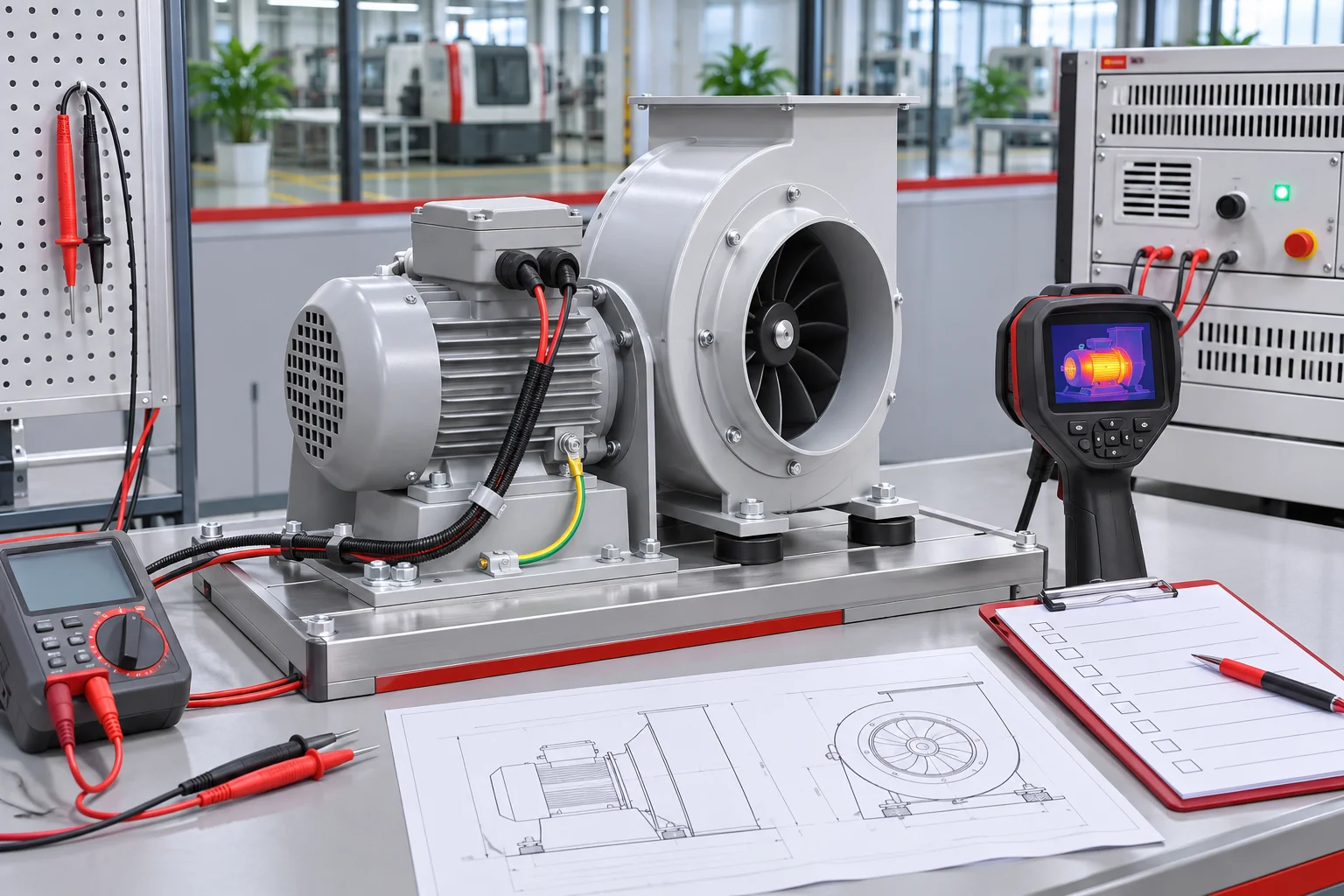
GB 47501-2026 scope and safety evidence review for fan motors Information checked 12 November 2026
Implementation decision
The official national-standard records show that GB 47501-2026 was published on 30 April 2026 and became effective on 1 November. It replaces GB 20237-2006 and GB 20294-2006 and expands their former scope into common safety requirements for rotating electrical machines.
The standard applies to all rotating electrical machines except aerospace and traction motors. It covers motors and generators through design, manufacture, inspection, certification and maintenance. A motor used in a fan will normally require a scope decision, but its applicable inspection items and methods still depend on the relevant product standard.
Identify the product standard first
GB 47501 is a general safety technical specification. It also refers to GB/T 755, GB/T 12350, GB/T 14711, GB/T 4942, GB/T 4208 and the explosive-atmosphere standards, among others. Adding GB 47501 to a data sheet does not complete the safety file.
Record the motor type, ratings, construction, power supply, application, environment and special protection before selecting the product standard. Small-power motors, medium and small rotating machines, explosion-protected motors, crane and metallurgical motors, canned motors and integrated motor-drive assemblies can follow different verification routes.
|
Scope question |
Evidence to obtain |
Review point |
|---|---|---|
|
Which model is being reviewed |
Full model, ratings, drawings, BOM and version |
Report, nameplate and production unit must identify the same model |
|
Which product standard applies |
Written scope decision and referenced-standard list |
GB 47501 does not replace the product standard |
|
Which accessories are integrated |
Capacitor, centrifugal switch, thermal protector, brake and controller list |
An accessory integral to the motor is treated as part of the motor |
|
Which environment is declared |
IP, explosive atmosphere, humidity, corrosion, temperature and installation conditions |
Environmental claims must match the construction and tests |
|
Who issued the result |
Body capability scope, report number, sample identity and date |
Inspection and evaluation results must come from a nationally recognized body with the corresponding capability |
Six parts of the safety evidence file
Enclosure and terminals
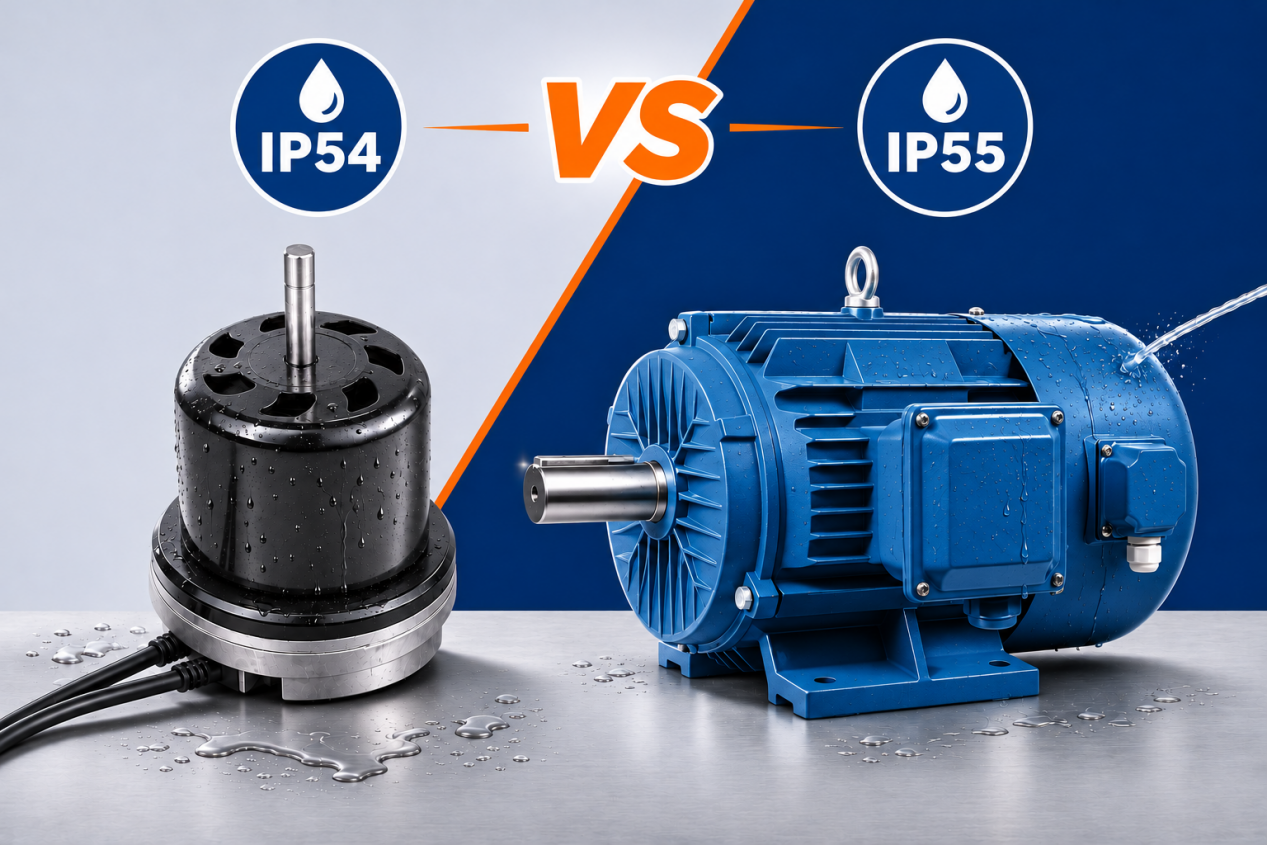
Review the enclosure, terminal box, terminal board, terminals and cable-retaining arrangement. The enclosure and terminal-box protection class must be defined under the relevant product standard. An integrated motor-drive structure also requires review of the complete enclosure. Terminals need adequate current capacity, mechanical strength and contact pressure, while clearances and creepage distances must fit the voltage and product category.
Earthing and electric shock protection
Except where a special provision applies, the motor needs protective earthing. The protective-earth terminal must not serve another purpose, and the connection must be permanent and reliable. Keep the earthing drawing, connection materials, marking, touch-current result and relevant verification evidence.
Insulation and thermal safety
The file should cover internal wiring, insulation system, insulation resistance, thermal testing and dielectric strength. An inverter-fed motor also needs evidence addressing high-frequency pulse voltage on its insulation system. A room-temperature withstand-voltage result cannot substitute for hot, damp-heat or other states required by the product standard.
Mechanical strength and assembly
The assembly must tolerate normal operating vibration. Depending on the product, applicable evidence may include overspeed, short-time excess torque, enclosure strength, terminal-box pressure, terminal strength and flexible-cable anchorage. A lifting eye or similar device also needs the corresponding mechanical-strength evidence.
Materials and environmental resistance
Non-metallic terminal boxes, terminal boards, cooling fans, fan covers and enclosures can require heat-deformation, flammability, tracking-resistance and ageing tests. Metal parts need corrosion protection appropriate to the stated environment. A material grade or supplier change should trigger review rather than a visual and dimensional check alone.
Markings and instructions
Each motor needs a durable nameplate. A motor intended for one direction of rotation needs a visible direction mark. Protective-earth marking, flexible-cord colour, certificate of conformity and instructions are also delivery checks. A repaired or refurbished motor can require an auxiliary nameplate when content has changed.
Review the integrated fan assembly
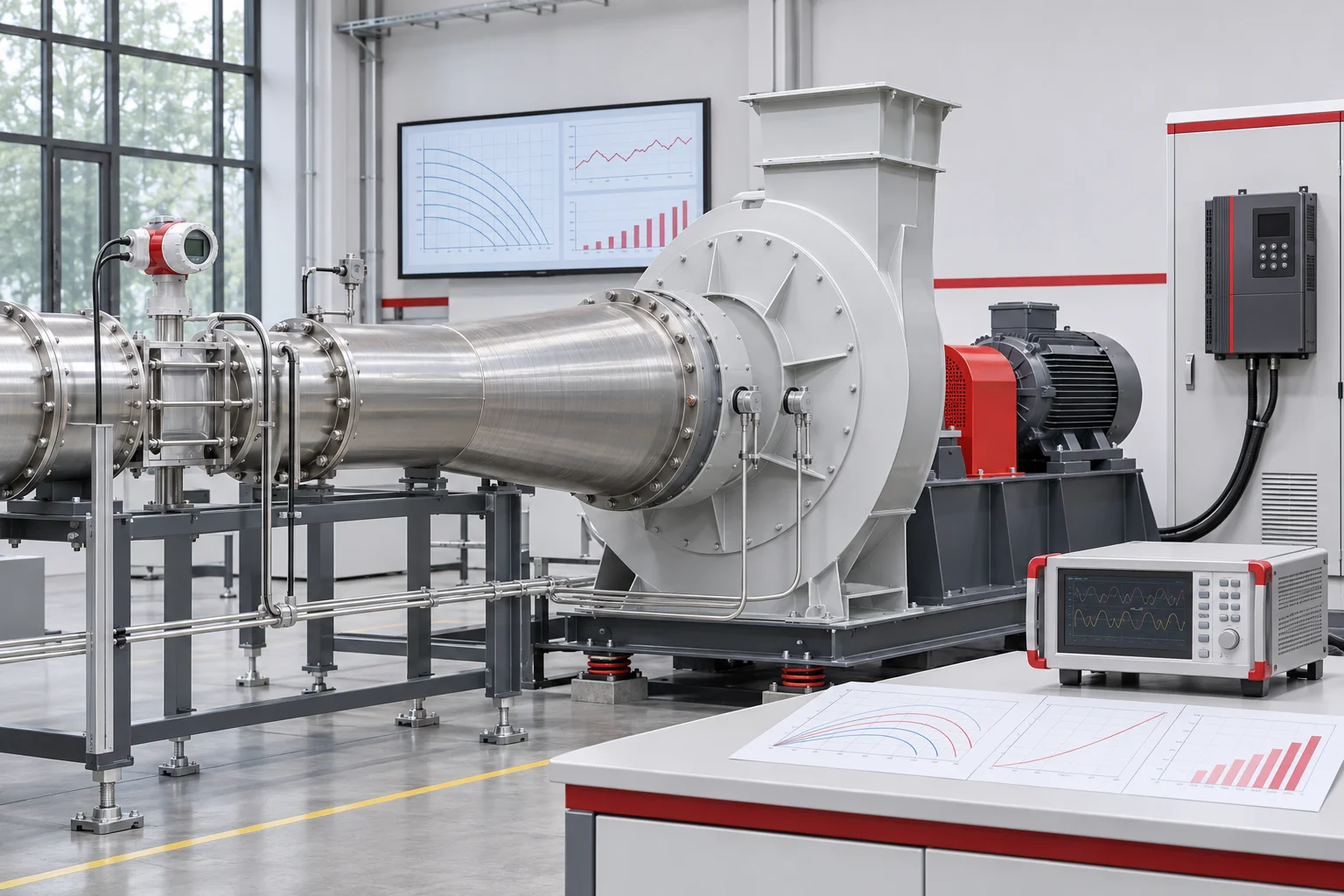
A fan assembly changes the motor’s cooling, mounting, load, vibration and protection conditions. Establish at least these links between the motor report and the fan assembly.
1. Put the motor model, impeller, bracket, fan cover, controller, wiring and firmware versions in a controlled BOM.
2. Confirm motor cooling in the actual mounting orientation, inlet condition and ambient temperature.
3. Compare the motor rating with the fan duty point, input, speed, load and overload-protection setting.
4. Review how the motor enclosure and equipment construction jointly protect against electric shock, rotating parts and water ingress.
5. Retain drawings and photographs for terminals, earthing, wiring route, anchorage, insulation and safety distances.
6. Apply written change review to alternative motors, controllers, insulation materials, plastics and wiring parts.
Do not copy all inspection items into every plan
Table 1 of GB 47501 lists 30 possible safety-performance items, including enclosures, terminals, earthing, thermal and dielectric tests, mechanical strength, damp heat, corrosion, non-metallic materials, clearances and creepage, EMC and markings. The standard also states that these items do not apply to every motor in scope. Selection and implementation must follow the corresponding product standard.
A usable evidence file therefore needs an applicability matrix. Mark every item as applicable, not applicable or provided by the final equipment, and record the basis, method, sample, report and result. Safety performance can be judged compliant only when every applicable item meets its requirement.
Purchasing and production checklist
1. List the motor models for the China market and link each one to its fan assembly and end use.
2. Complete a written scope decision for GB 47501 and the relevant product standard.
3. Freeze drawings, BOM, critical materials, accessories, control parameters, nameplate and instructions.
4. Build an inspection-applicability matrix and retain a reason for every excluded item.
5. Check the issuing body’s recognition and capability scope and the tested sample identity.
6. Review enclosure, terminals, earthing, internal wiring, insulation, thermal safety and mechanical-strength evidence.
7. Include the fan’s real mounting, cooling, load, vibration and environmental conditions in motor verification.
8. Set release conditions for changes to critical parts, materials, controllers and suppliers.
9. Retain equipment accuracy, metrological traceability, sample batch and original production-inspection results.
10. Check nameplate, direction, protective-earth marking, conformity certificate and instructions before shipment.
Common purchasing questions
Does GB 47501 apply to a fan motor
The standard applies to all rotating electrical machines except aerospace and traction motors. Complete a written scope decision for the actual fan motor using its construction, ratings, application and product standard.
Are all 30 items in Table 1 mandatory for every motor
No. The standard states that the list does not apply to every motor. The relevant product standard determines which items are selected and how they are implemented.
Can a capacitor or thermal protector be handled separately
When a capacitor, centrifugal switch, thermal protector, brake or controller is integral to the motor, GB 47501 treats it as part of the motor. Its model and installation belong in the motor evidence file.
Does an existing dielectric test prove GB 47501 compliance
Not by itself. Dielectric strength is one possible item. The file must also address the product standard, sample identity and all applicable structure, thermal, earthing, material, marking and other requirements.
Can a dimensionally identical motor be substituted directly
Dimensions alone are insufficient. A substitution can change load, cooling, insulation, terminals, control, protection and safety distances and therefore needs engineering and compliance review.
Send the model file for an evidence review
Send the motor and fan models, voltage, frequency, power, speed, duty point, mounting, ambient temperature, IP or explosion-protection requirement, control method, BOM, existing reports and target product standard to sales@longwellfans.com. Longwell will review the performance and configuration material available for the exact candidate fan and motor. Final conformity, certification and market access remain with the responsible manufacturer, applicant, recognized body and authority.