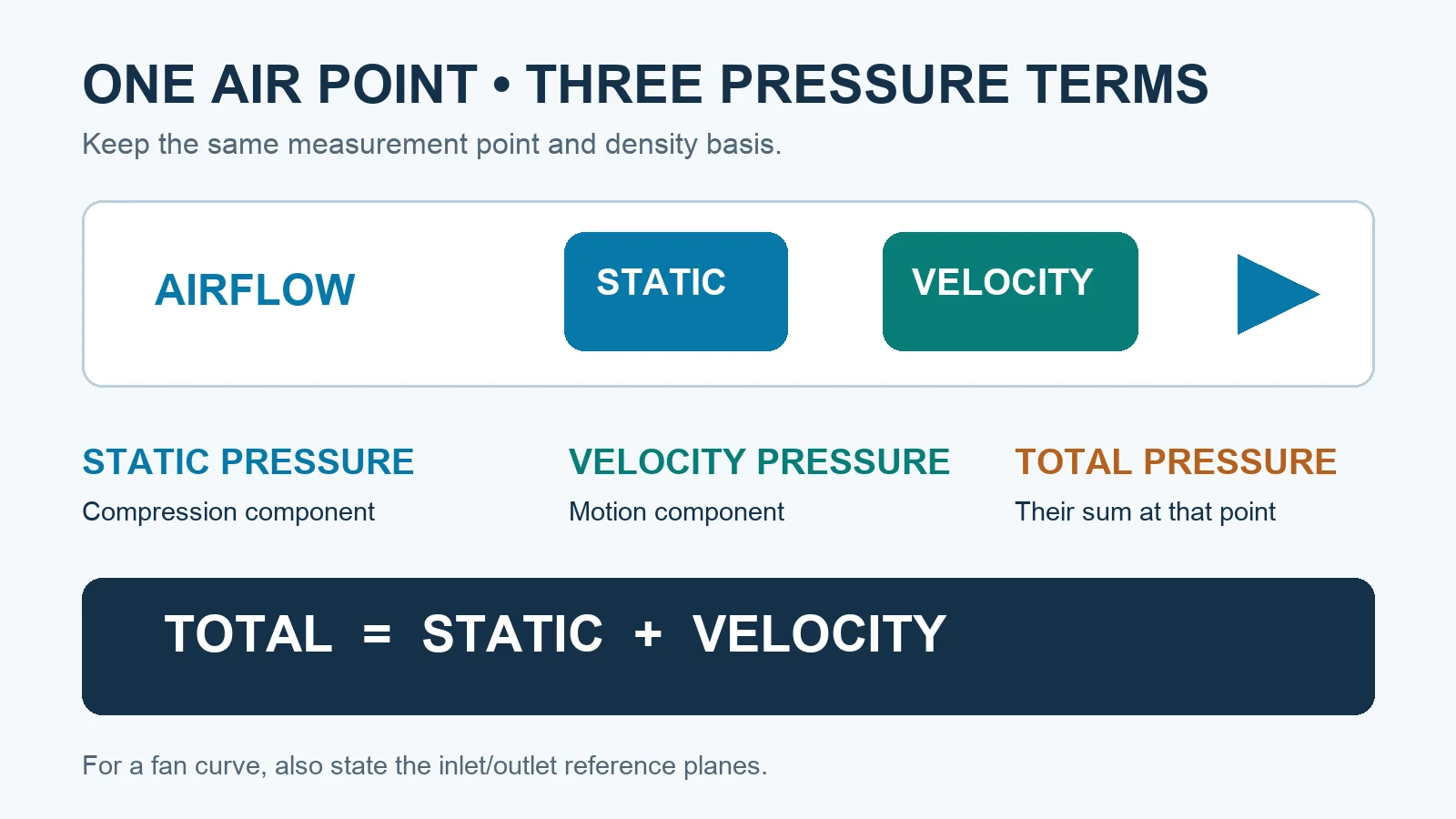
If two fan curves show the same airflow but different pressure, first check the label on the pressure axis. Static pressure, velocity pressure and total pressure are related, but they are not interchangeable. At the same point and reference condition, total pressure equals static pressure plus velocity pressure. Comparing a static-pressure duty point with a total-pressure curve can therefore select the wrong fan even when the airflow number looks right.
This guide explains each term and what a buyer should request before accepting a curve. Its numbers are teaching examples, not LONGWELL ratings. Exact selection requires a controlled curve for the full model suffix, stated test setup, density, speed and installation boundary.
The short answer: pressure type is part of the duty point
A useful fan duty point is not simply “8,000 m³/h at 650 Pa.” It must say whether 650 Pa is fan static pressure or fan total pressure, where the inlet and outlet reference planes are, and which density and test arrangement apply. The pressure definition belongs beside the airflow value every time the point is quoted.
AMCA’s fan-curve guidance describes fan total pressure as fan static pressure plus fan velocity pressure at the stated outlet. Applying that relationship requires consistent reference planes and a defensible outlet velocity. A curve or RFQ that says only “pressure” leaves a material question unanswered.
Static pressure is the component sensed without facing the flow
Static pressure is the pressure component sensed by a properly located wall tap or static port that does not face into the moving airstream. In duct-system work, it is commonly used when discussing the resistance of filters, coils, dampers, silencers, fittings and ductwork. It can be positive or negative relative to the chosen reference.
Location matters. A tap beside an elbow, fan discharge, transition or damper can sit in a distorted field. A reading also needs a sign convention and boundary: one duct section, component loss, external static pressure across equipment, or fan static-pressure rise.
Velocity pressure represents the motion component
Velocity pressure is associated with air speed. For low-speed air, it is approximately one half of density multiplied by velocity squared. That squared term is why a smaller outlet area can make the velocity-pressure component significant even when volumetric airflow is unchanged.
It is not a free reserve that always overcomes filters or coils. A diffuser may recover part of the motion component as static pressure, while friction, separation and turbulence consume total pressure. Recovery depends on real geometry and flow quality, not a generic conversion.
Total pressure is the complete mechanical-pressure account
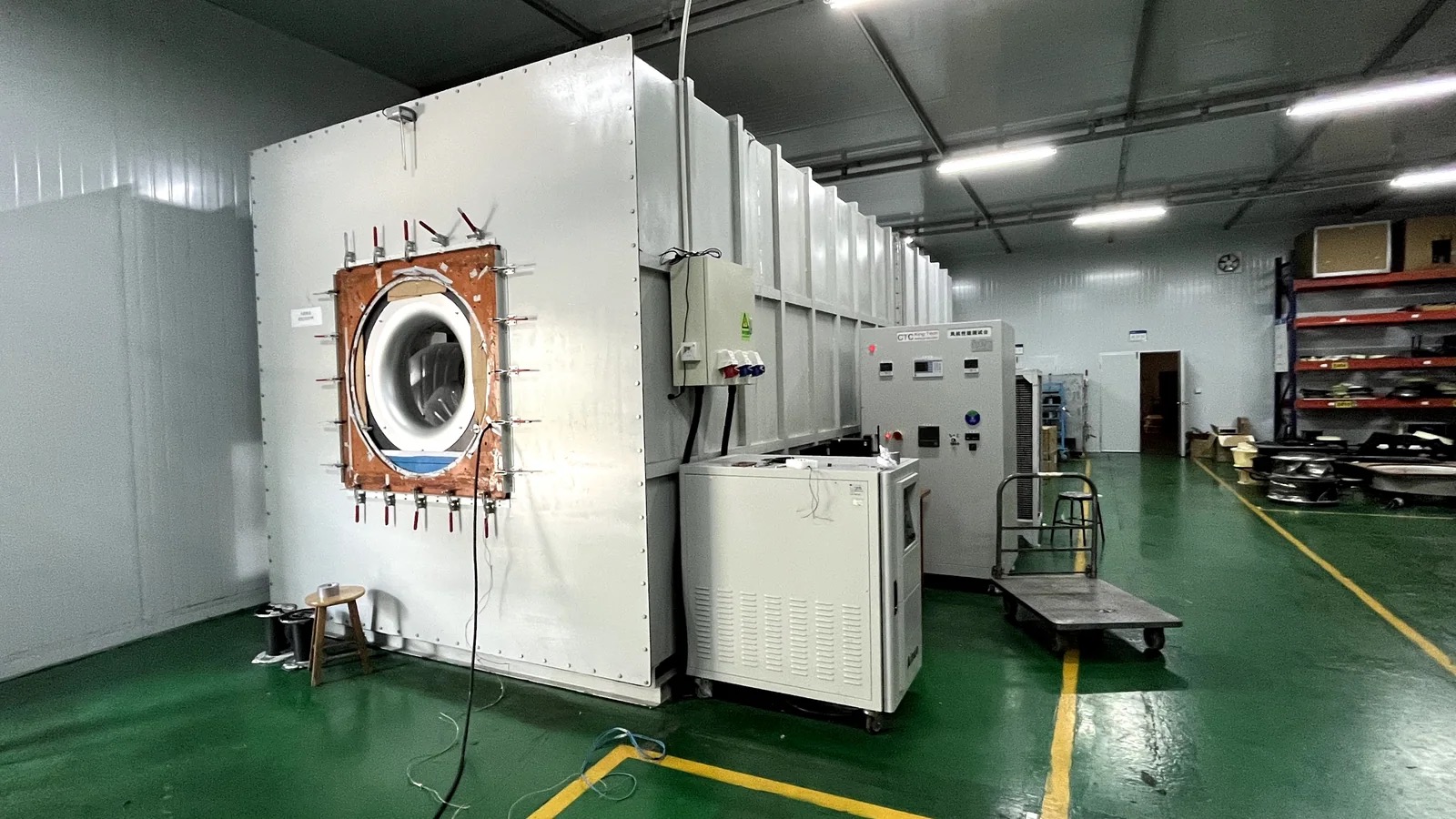
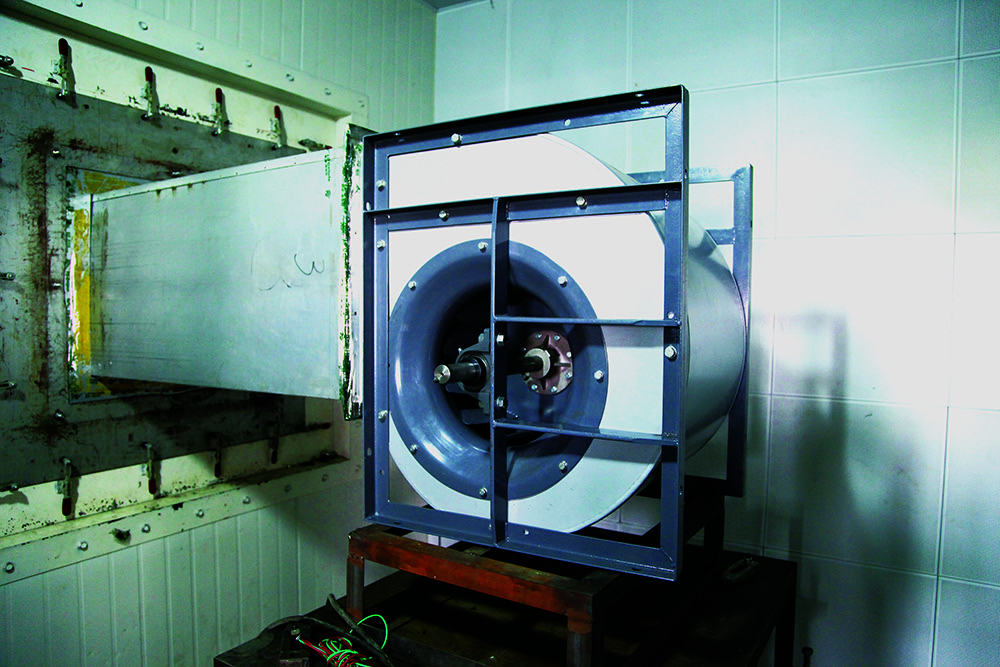
Total pressure combines static and velocity pressure at the same measurement point. Across a fan, total-pressure rise compares outlet total pressure with inlet total pressure at defined reference planes. The U.S. Department of Energy fan sourcebook shows that the measurement arrangement changes which inlet and outlet quantities are available and how fan pressure is reported.
This is why two legitimate curves can differ. One may plot fan static pressure and the other fan total pressure. Neither label makes the hardware better. Before ranking candidates, put both curves on the same airflow, pressure definition, density, speed and configuration basis.
A Pitot-static reading is only as good as its location
A Pitot-static tube uses a forward-facing impact port for total pressure and side ports for static pressure. Their difference is velocity pressure. With density known, that difference can be converted to velocity. In a non-uniform duct profile, one point is rarely representative, so a documented multi-point traverse is more useful than a convenient centreline reading.
Probe alignment, instrument zero, tubing leaks, straight length and swirl affect the result. Record the instrument, traverse grid, duct dimensions, density basis, fan speed and control command. A curve without measurement conditions is not final procurement evidence.
The 650 Pa trap: total pressure is not automatically static pressure
Suppose a system requirement is 8,000 m³/h at 650 Pa fan static pressure. A candidate curve shows 650 Pa fan total pressure at that airflow, and its declared outlet velocity pressure is 120 Pa. Under those teaching assumptions, the corresponding static value is about 530 Pa, not 650 Pa. The candidate would miss the stated static-pressure requirement before installation effects are considered.
Do not reuse the 120 Pa number. Outlet area, airflow, density and test arrangement determine velocity pressure. Use the actual curve definition and reference section, not a subtraction borrowed from another product.
How to compare two curves without mixing definitions
Start at the required airflow and pressure point, not at maximum airflow or shutoff pressure. Then check these items side by side:
- static versus total pressure and the stated inlet/outlet reference planes;
- airflow and pressure units, air density or reference condition, and fan speed;
- complete model suffix, wheel, housing, inlet device and outlet area;
- absorbed power, allowed motor/load margin and control range at the duty point;
- sound data, measurement arrangement and any unstable or prohibited operating region;
- the system curve, dirty-filter or other worst-case resistance, and installed verification plan.
The LONGWELL centrifugal fan families page is a family-discovery route, not proof that a particular model meets a pressure point. The same caution applies to photographs and CAD: they can confirm visible construction, but they cannot establish a pressure curve or installed suitability.
What to put in the RFQ and acceptance plan
Ask the supplier to return the complete model suffix, controlled curve revision, pressure definition, test setup, reference density, speed/control condition and drawing revision. Your RFQ should include normal and worst-case airflow-pressure points, clean and final filter resistance, coil and fitting losses, installation geometry, supply and controls, sound measurement conditions, environment and required documentation.
For a commercial-air-system project, the commercial HVAC fan and motor qualification context is a useful route for organizing the application discussion, but project acceptance still belongs in a written test plan. Define where airflow and pressure will be measured, which instruments and tolerances apply, how speed and density are recorded, and what happens if the installed operating point differs from the submitted curve.
The practical rule is straightforward: keep airflow, pressure type, reference plane and test condition together. Once those four items are explicit, static, velocity and total pressure become useful engineering quantities instead of three labels competing on a sales sheet.