Key Highlights
- Discover how air circulators and fans are different for better cooling.
- Learn how air circulators provide even air distribution for comfort in the whole room.
- Explore how fans are good for direct cooling and personal comfort.
- Find the best cooling solution based on your room size and specific needs.
- Make smart choices with our expert tips on air circulators and fans.
Introduction
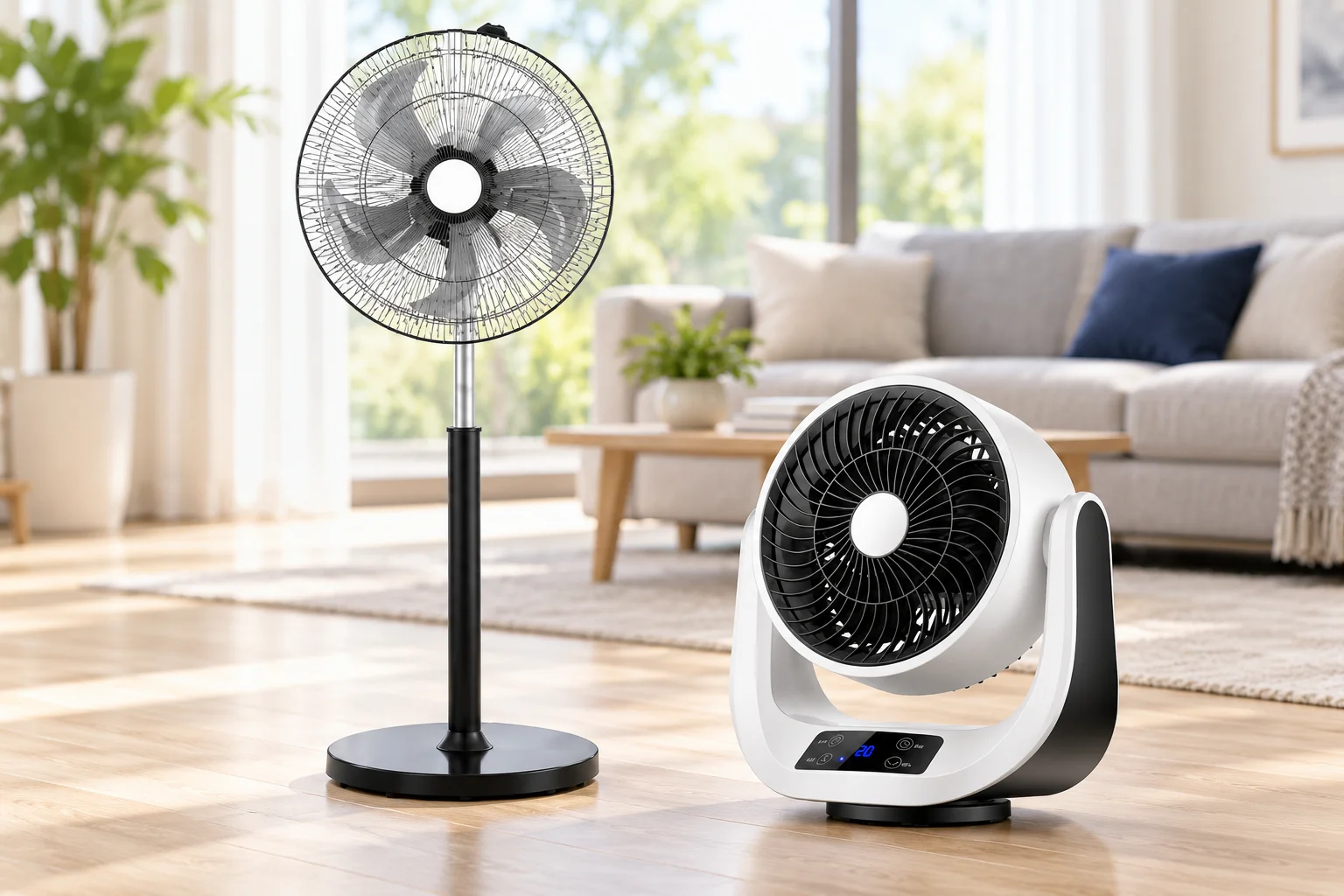
In hot weather, many people ask: air circulator vs. fan – which one is better for staying cool? An air circulator is a type of fan designed to encourage air movement around a room. A conventional desk or pedestal fan is typically used to deliver a direct breeze. Both can help distribute air, but it’s good to know how they operate and what benefits they offer. This guide will show you the differences between air circulators and fans. It will help you understand how to make your home or office feel more comfortable.
Understanding Air Circulators and Fans
What is a Fan?
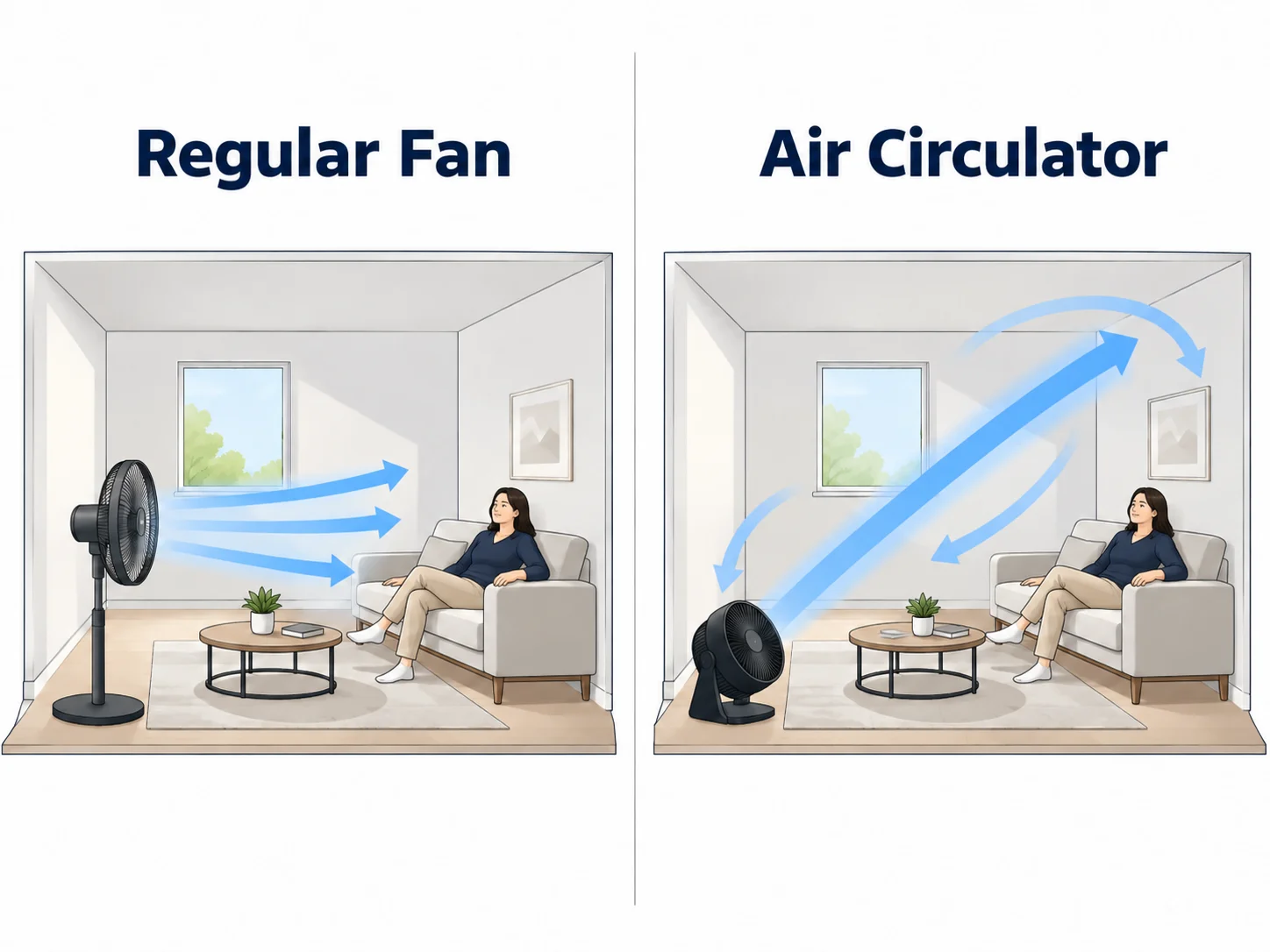
Fans move air straight ahead. This creates a direct breeze that gives quick comfort in a specific area. While this feels nice right away, it does not cool the entire room.
What is an Air Circulator?
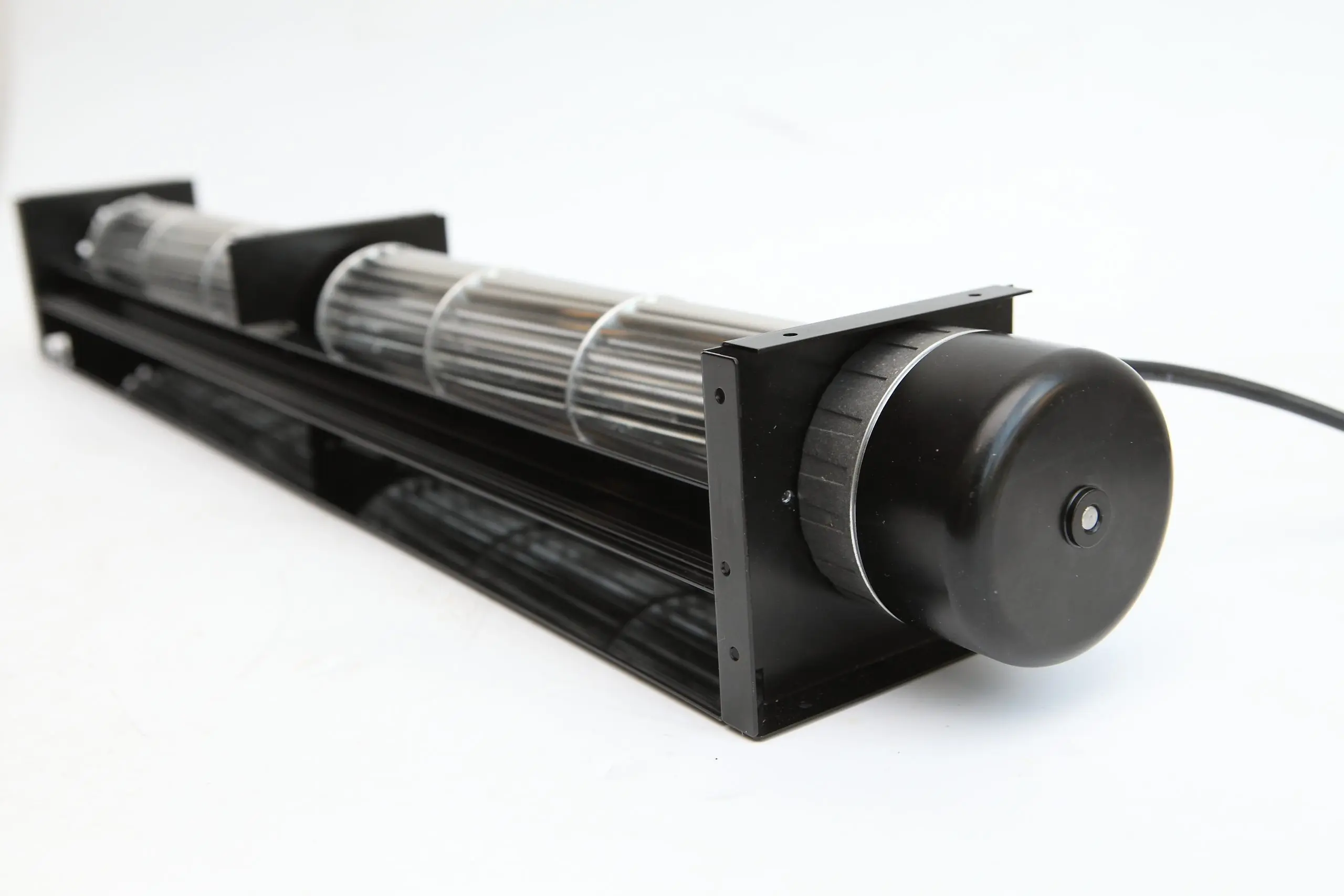
Air circulators and fans make you feel cooler, but they work differently. Air circulators work in a different way. They create a steady flow of air that moves around your entire space. Think of a soft whirlwind that spreads cool air into every corner of the room. This makes it nice for everyone in the room. Understanding how these two devices operate can help you pick the best one for your needs.
The Science Behind Air Movement
The cooler air we feel on our skin is due to heat transfer. Our bodies release heat. When air flows over our skin, it carries that heat away. Fans support this by making a direct breeze. However, this cooling effect often ignores other areas of the room.
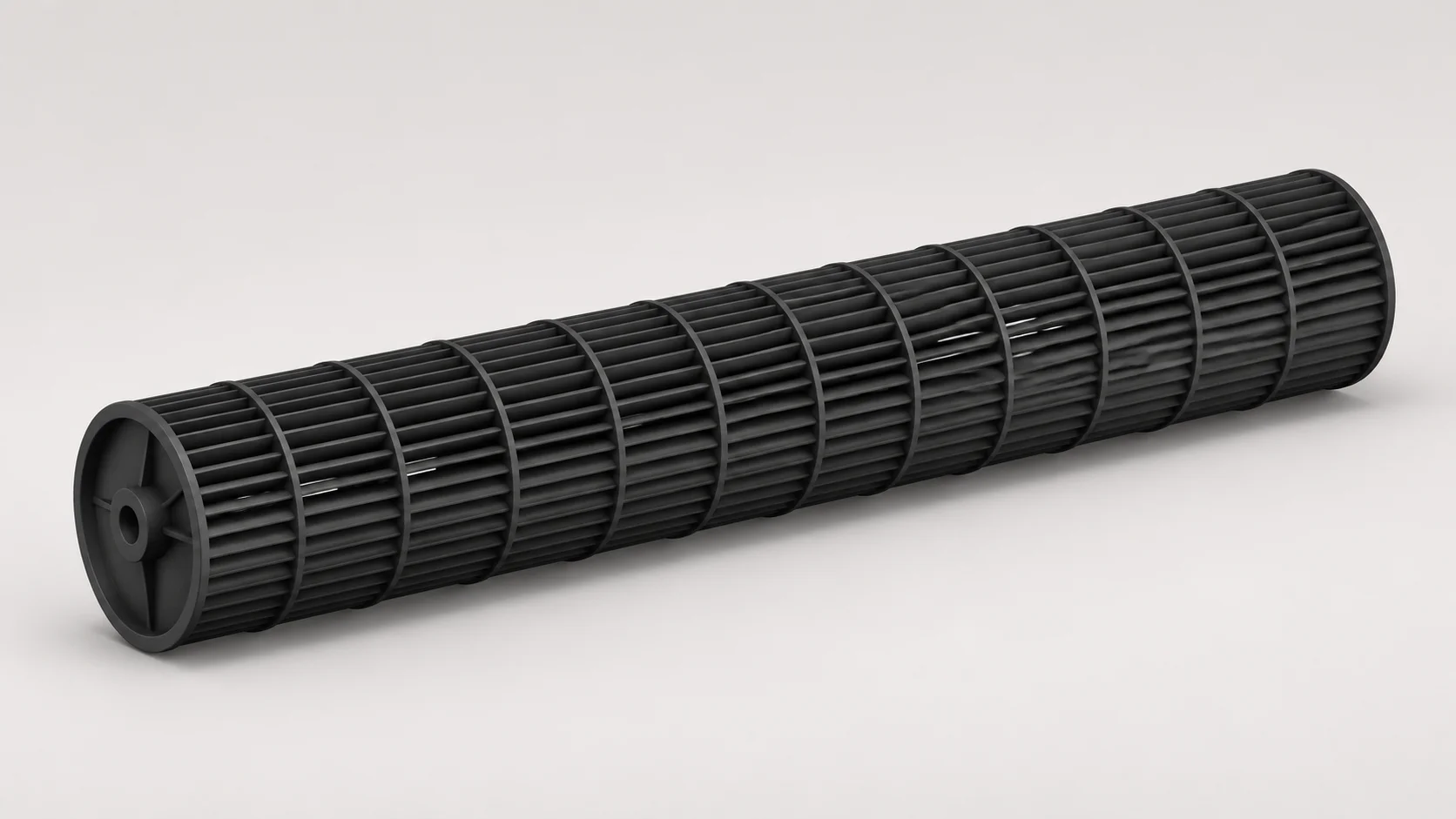
Air circulators help with this by creating a steady flow of air. They have a unique design that makes air swirl. This pulls air from the room and pushes it out. This way, cooler air spreads all around the room.
Air circulators do more than create a breeze. They help improve air circulation. This means they can balance the temperature in the entire room. A change in air flow is what allows an air circulator to cool the whole space more effectively.
Types of Fans and How They Differ from Air Circulators
Air circulators and fans both cool a space. However, they work differently. The key difference is in how they move air. Fans push a direct stream of air to certain spots.
Here are some popular types of fans:
- Tower fans: These fans are slim and take up little space. They move a column of air upwards.
- Ceiling fans: These fans are fixed to the ceiling. They create a downward draft for better coverage.
- Box fans: These fans are known for their strong airflow. They are usually placed in windows.
All fans, while they are different, share one major downside: they do not move air well. Fans mostly cool just one area. This can leave some places feeling warm and stuffy. On the other hand, air circulators are great. They provide better air circulation throughout the room.
Benefits of Using an Air Circulator
Efficient Room Temperature Regulation
An air circulator can spread cool air throughout the whole room. Its unique design allows it to spread air evenly. They keep air moving, which removes hot and cold areas. This makes the experience better for everyone in the room.
Air circulators can help save energy. They balance the temperature in a room. This means we might not need to use air conditioners as much. This can lower energy use and help us cut down on our carbon footprint.
Enhanced Distribution
Air circulators do more than cool the air. They keep air moving, so stale spots don’t occur. These spots can collect dust mites, allergens, and tiny particles. With air always in motion, fresh air goes into every corner of a room. This makes the indoor space healthier.
Using air circulators alone or with air purifiers helps keep the air quality high. This means you can breathe easier and have a cleaner space. These are just some of the benefits of adding an air circulator to your home or office.
Flexible Placement
Compact floor models fit easily into living rooms and offices. The wall-mounted and pedestal designs offer options for larger spaces. Adjustable direction models target areas where airflow is needed, making air circulators useful across different room layouts.
Advantages of Traditional Fans
Traditional fans are still a popular way to stay cool. They come with several benefits that appeal to many people. A big advantage is that they can give cool air directly where it needs to be. When you put a fan in the right place, it can send a fast blast of cool air exactly where you want it.
These fans are available in different shapes, sizes, and styles. This makes them very versatile. You can get small desk fans that are perfect for personal cooling. There are also large pedestal fans designed to cool bigger areas. Whatever your needs, there is a fan type that will work for you.
Direct Cooling Effect
Fans are common in homes and offices. They make a direct breeze just where you need it. This method of cooling is perfect for personal use or for certain areas in a room.
A small desk fan can make a nice breeze while you work. A strong pedestal fan cools a specific seating area very well. Fans are awesome for quickly cooling down. They work simply, so you feel the cooling on your skin. This makes them perfect when you need a quick way to cool off.
However, remember that their focused air flow may not cool larger spaces well.
Versatility and Portability
Traditional fans come in different sizes, styles, and functions. They can meet various needs and preferences. You can find small desk fans that are great for personal use. There are also large industrial fans meant for bigger areas. Each type of fan works well for its intended purpose.
One big advantage of traditional fans is that they are easy to move. They are lighter than air conditioners or ceiling fans. You can easily shift them to where you need. If you want to cool a room, improve ventilation, or feel a nice breeze, traditional fans can help you with that.
Their skill to blend in various settings makes them a good option for homes and businesses.
Air Circulator vs Fans: Application Differences
Home Use: Whole-Room Mixing Instead of a Point Breeze
Traditional fans suit rooms where one or two people stay close to the airflow path, such as a desk or a bedside position. An air circulator fits larger or multi-occupant spaces: placed across the room with the head tilted slightly upward, it keeps air moving in corners the air conditioner barely reaches. Paired with an AC, it pushes cooled air toward the far side of the room, so the system holds the setpoint with less strain.
Office Use: Background Circulation With Targeted Backup
In open-plan offices, a circulator runs continuously alongside the HVAC system to even out temperature across work zones, while a small desk fan remains the right choice when an individual employee wants direct, adjustable airflow at their seat. Noise matters here: the circulator should sit far from workstations, and its role is steady background mixing rather than a personal breeze.
Workshops and Warehouses: Match Airflow to the Task
Selection starts from the airflow target, not the product type. To keep air moving across large occupied zones, choose industrial circulation fans sized to the floor area and mounting height. To deliver a spot breeze at a fixed workstation, a wall-mounted or pedestal fan pointed at the job is more efficient. In tall spaces, mixing the air column also reduces the temperature difference between floor and ceiling, which lowers the heating and cooling load on the building.
Conclusion
In conclusion, deciding between air circulators and traditional fans depends on what you need and like. Air circulators are good for keeping the air temperature steady and making the air feel fresher. Traditional fans, however, give direct cooling and are simple to move. Understanding how each one works can help you pick the best option for your space. Whether you want it for home comfort or to improve work in the office, each choice has its benefits. Think about your specific needs and choose the one that suits your cooling goals best.
Frequently Asked Questions
Can an air circulator replace a traditional fan?
An air circulator can improve air circulation. It’s important to choose one that fits your specific needs and the size of your room. If you want to cool the whole room and have air move evenly, then an air circulator is the best choice.
Which is better for a large room, an air circulator or a fan?
For big rooms, an air circulator is often a better choice. It can move a larger amount of air. This improves overall air circulation. As a result, it cools larger spaces more effectively.
How do air circulators improve air quality?
Air circulators do not improve air quality. They spread air around and help with ventilation. By constantly moving air, they prevent areas of stale air. This creates a fresher and healthier indoor environment.
Where is the best place to put the air circulator fan?
Place an air circulator fan in an open area with a clear path across the room. A floor position near a corner or along a wall is a useful starting point. Angle the head slightly upward to encourage air mixing, and leave space around the intake and outlet.
Choose the right industrial fan
Longwell manufactures 72 industrial circulation fans in-house. Send airflow, static pressure and voltage — an engineer replies with a matching model, performance curve and price within one working day.