What the power systems OEM needed
A North American OEM building containerized power conversion systems needed a 600V axial fan for cooling. Yearly volume was 300 units. Furthermore, they wanted quotes for samples and production together.
Initially the request asked for a barrel-shaped fan. Our engineers read that as a cased or basket-grille type, meant for bolting straight onto an enclosure wall.
Meanwhile a container full of power electronics is a hard place for a fan.
- 600 VAC at 60 Hz, which is basically the whole difficulty.
- Continuous running from -30C to +60C, at both ends.
- An assembly fitting the hole already cut in the container wall.
- Lastly, no more than 75 dB(A), which an industrial site accepts readily.
No airflow target came with the brief. However, analysis of the heat load suggested roughly 7,000 m3/h against at least 100 Pa. That pressure comes from intake louvers, plus the obstruction of the components inside.
Compliance mattered too, although nobody wrote it down. UL 507 governs the finished product in North America, while CE covers wider acceptance.
Winding a 600V axial fan
Six hundred volts is the problem. Standard fans run at 230V, or at 380 to 480V. Consequently nothing off the shelf covers it.
Two workarounds we rejected
We evaluated a standard 480V fan with a step-up transformer first. It works, yet it puts a transformer inside a container already full.
That means added weight, added cost, added complexity in the bill of materials, and one more component that can fail in equipment expected to run unattended.
A DC-powered fan came next, and it failed for a different reason. It forces the customer to provide a specific low-voltage DC rail. In short, it complicates their power design to solve a cooling problem.
Winding the motor for the supply
Ultimately the right answer was a custom motor winding. Realistically that is only practical if you design motors yourself.
So the team opened an NPI project for a dedicated 600 VAC, 60 Hz external rotor motor. That meant recalculating stator windings, wire gauge and turn counts, to reach 1550 RPM while drawing 550W.
Higher voltage stresses insulation harder. Consequently we specified Class F insulation rated to 155C, rather than assuming the standard grade would cope.
The aerodynamic package
Meanwhile a 500mm five-blade impeller in cold-rolled steel does the air work. That pairing balances volume against cost well. Notably, nothing about it had to change for the voltage.
The whole assembly sits in an IP54 basket grille frame, guarding against dust and spray. For a container that lives outdoors, that rating is not optional.
Finally, the finished model is the LWAA4D500S-5MEB-38-00.
Technical Specifications
Here the voltage row is what makes this 600V axial fan unusual. Otherwise every line is a normal 500mm industrial specification.
| Parameter | Value |
|---|---|
| Model Number | LWAA4D500S-5MEB-38-00 |
| Nominal Voltage | 600 VAC |
| Frequency | 60 Hz |
| Speed | 1550 RPM |
| Power Input | 550 W |
| Max Airflow | 8369 m³/h / 4923 CFM |
| Noise Level (LpA) | 75 dB(A) |
| Ambient Temperature Range | -30°C to +60°C |
| Insulation Class | Class F |
| Protection Class | IP54 |
| Work System | S1 (Continuous Duty) |
| L10 Life Expectancy | 30,000 hours at 40°C |
| Impeller Material | Cold-rolled sheet |
| Bearing Type | Maintenance-free deep groove ball bearings |
| Dimensions (Overall Ø x Depth) | 570 mm x 138 mm |
| Certifications | CE, RoHS, Reach |
Technical Documentation
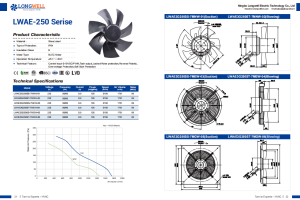
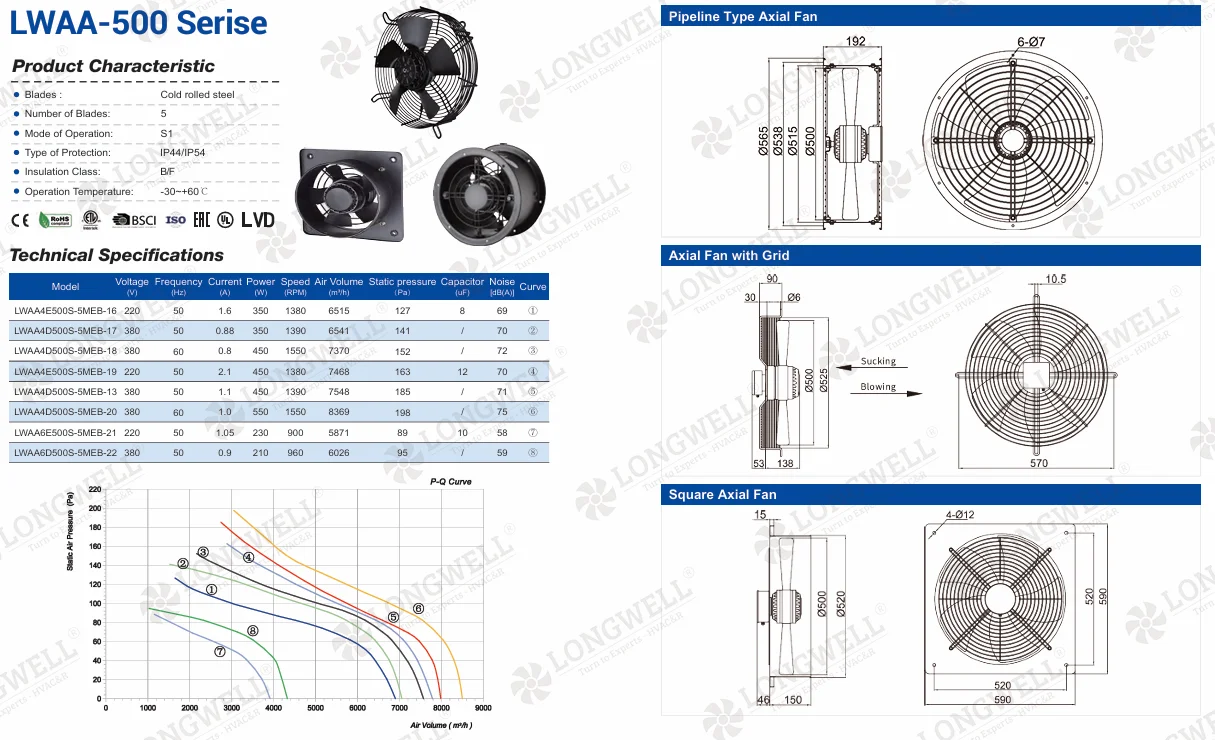
For procurement managers and system integrators, the full technical datasheet provides all necessary electrical, mechanical, and performance data.
LWAA4D500S-5MEB-38-00 Technical Datasheet
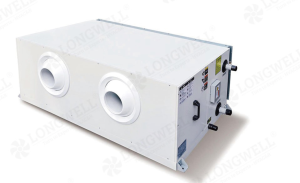
The image shows the general product form factor for the LWAA-500 series.
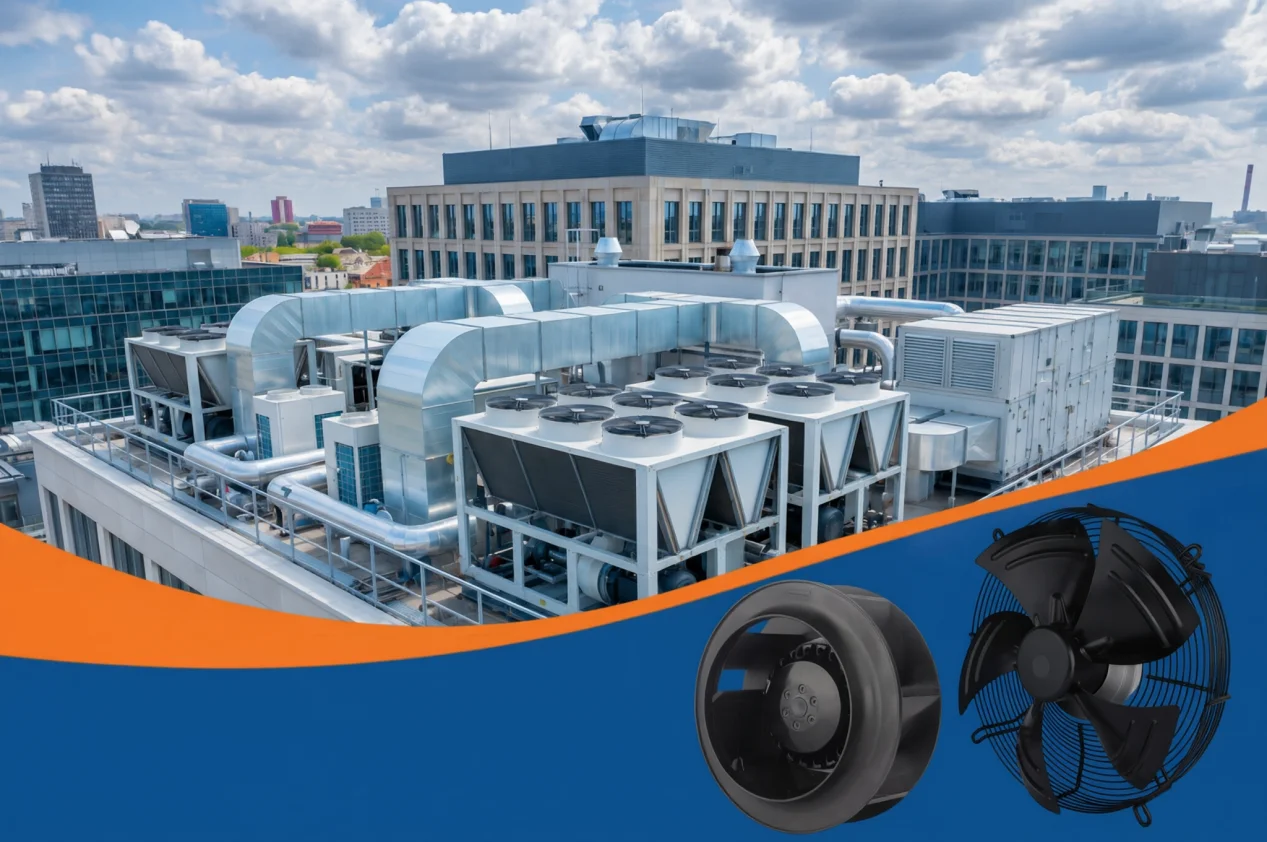
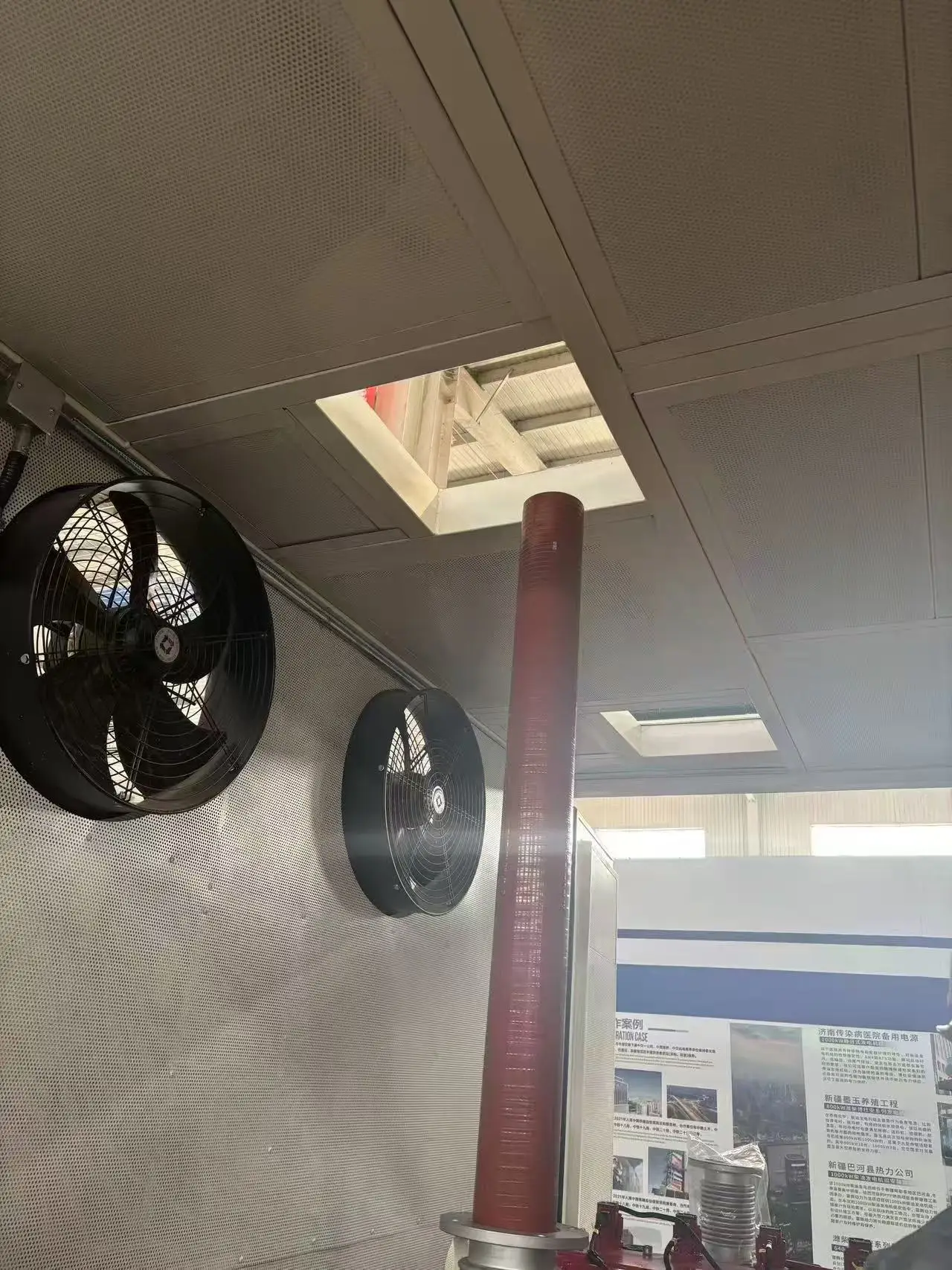
Design engineers can see how the fans are typically mounted for enclosure ventilation in this application photo.
Why the custom voltage was worth doing
At 300 units a year, four things made a custom voltage worth doing.
- A custom motor inside 90 days. Building a 600V axial fan was the whole obstacle here. Our structured NPI cycle covered design, prototyping and validation of the custom motor variant, against the 12 to 18 months imported European brands quote for comparable changes.
- Cost that survives at 300 units. At this volume, unit cost decides whether any custom part is viable. We delivered a fully compliant, custom-engineered solution materially below European-sourced equivalents.
- A managed route to UL. This fan was built to CE. Our experience with UL 507 and UL 1004-1 removes the risk for customers targeting the US and Canada, and our compliance team manages the submission rather than handing it back.
- Measured output, proven life. We measure airflow and pressure to AMCA 210/211 and ISO 5801. Meanwhile an S1 duty motor, Class F insulation and a 30,000-hour L10 bearing life give the proof that cooling a power system needs.
Browse our industrial axial fan range, or the AC axial fan section for standard voltages. Motor insulation classes come from the IEC in IEC 60085.
Questions about custom voltage fans
What is the lead time for samples and the first 300 units?
As a custom NPI project, engineering samples are typically ready in around 70 days, and first production deliveries can begin within 90 days of kickoff. After that first release, standard make-to-order lead time for this industrial fan is 25 to 35 days at 100 units or more.
Is the 600V version UL certified?
This 600V axial fan was certified for CE, per the original project scope. Our motor platforms are designed against UL 507 and UL 1004-1 principles, and we can manage and secure a full UL listing for this model as a separate project, usually taking 60 to 90 days.
Can the speed be controlled?
Yes. This 600V axial fan uses a standard induction motor, which works with an external variable frequency drive. An OEM or integrator can add a third-party VFD to trim airflow against thermal load, which saves energy and reduces noise at part load.
Why not just use a transformer?
Because it solves the electrical problem and creates three others. Namely weight, cabinet space and an extra failure point, all inside equipment that runs unattended. Winding a 600V axial fan costs engineering once. A transformer, by contrast, costs money and reliability on every unit built.
Technical Documentation & Resources
Working on something similar?
Send us the duty point, the envelope and the supply, and our engineers come back with a shortlist rather than a catalog. Meanwhile custom spec sheets and samples run to 90 days. Since 1990 we have built fans for HVAC, cold chain, data center and industrial OEMs.
Browse Related Products:
🏆 ISO 9001 / ISO 14001 / ISO 45001 | CE (TÜV) | UL/ETL | ATEX Zone 21/22 | AMCA 210/211 / ISO 5801 tested
Choose the right axial fan
Longwell manufactures 1,086 axial fans in-house. Send airflow, static pressure and voltage — an engineer replies with a matching model, performance curve and price within one working day.