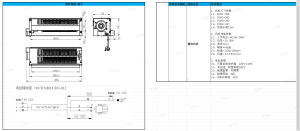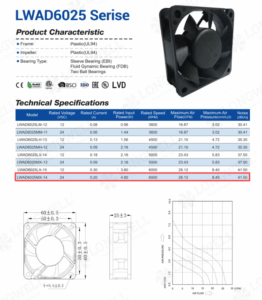
Replacing a Worn Motor Vibration Isolator
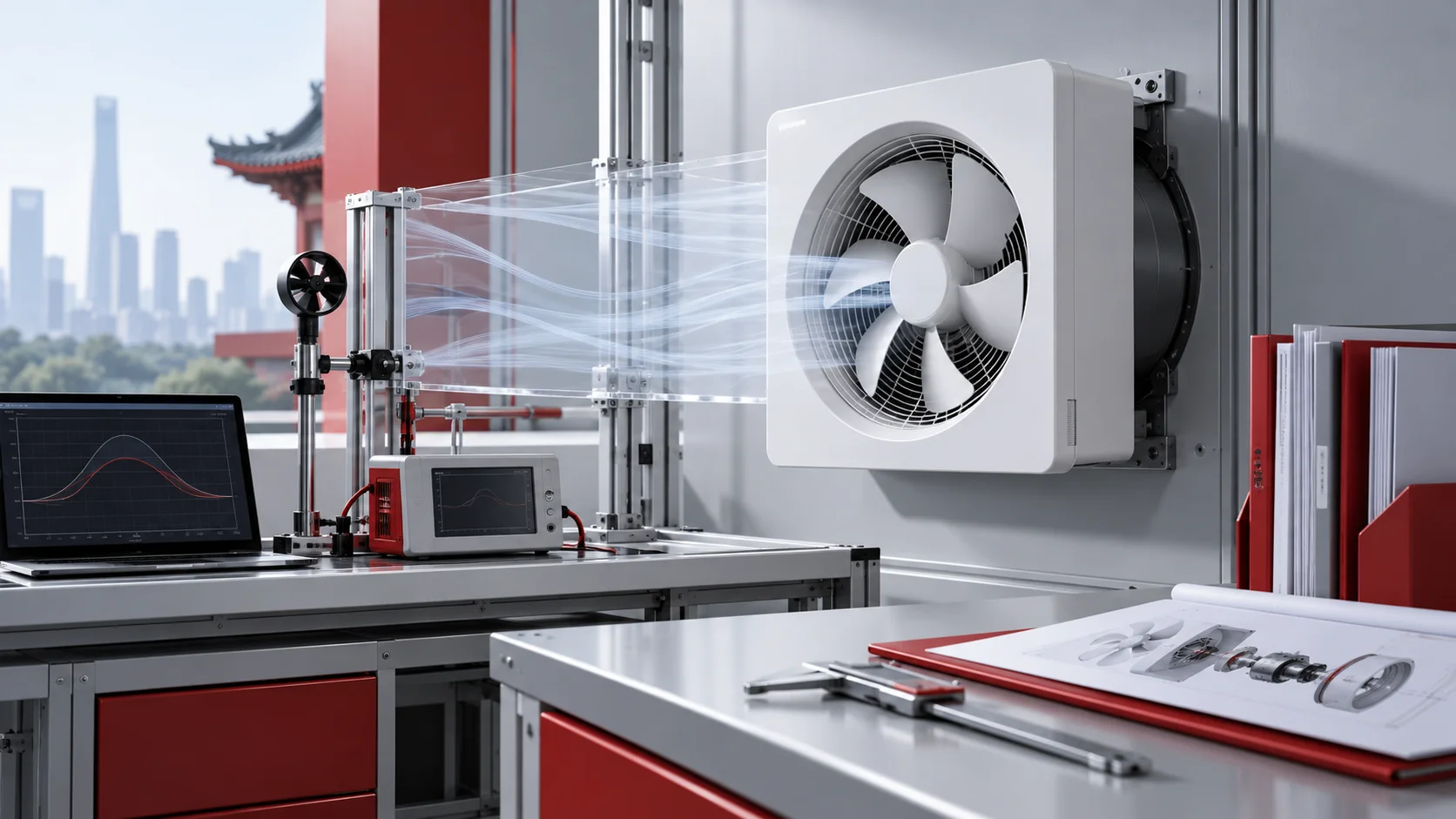
A customer in Russia needed a new motor vibration isolator. They sent us photos of a damaged motor vibration isolator. The customer wanted to mount a fan motor safely. Fans spin at very high speeds during operation. We test fan performance to AMCA 210-16 methods. This testing shows how strong these shaking forces can be. Consequently, this spinning motion creates intense vibration. If the motor bolts straight to the metal frame, the whole machine rattles loudly. Over time, this rattling breaks sensitive internal parts. The motor vibration isolator absorbs this kinetic shaking energy.
First, our engineering team looked at the three photographs. The customer used digital calipers to measure the old part. They did not send a proper CAD file. So, we had to rely on these basic visual measurements. One photo showed a rubber body width of 19.54 mm. Another photo showed a compressed rubber length of 29.72 mm.
Next, we checked the threaded metal studs. The total length of the assembly measured 65.52 mm. Additionally, the customer asked for exactly 1,000 pieces. Furthermore, they asked for standard general-purpose rubber. They also required M6 metal threads on both ends. This small order size presented a clear challenge. Custom molds cost a lot of money. Therefore, we needed a smart engineering plan.
The customer operates out of a Russian regional office. By contrast, our standard fans often go to warmer climates. However, the customer did not ask for extreme cold ratings. Our main job was matching the physical size perfectly. The new part had to fit the existing metal brackets. The M6 threads must hold tight during constant running. Safety standards like IEC/EN 60335 demand secure and stable motor mounts. Finally, we turned these rough numbers into a final factory drawing.
Engineering a Standard Replacement Part
We faced a firm choice about the tooling geometry. The caliper photos showed odd and uneven numbers. First, we thought about making a custom mold. This custom mold would match the 19.54 mm width exactly. We rejected this idea right away.
Why did we say no? The photos showed a highly worn part. Industrial rubber shrinks and squashes under a heavy motor. The 19.54 mm width was just a deformed shape from years of heavy load. Furthermore, a custom mold adds high tooling fees. Even so, a custom design also extends the wait time past our normal 15-30 days. A custom mold takes weeks to cut and test. Standard molds are ready to run on the factory floor right now. In short, broken fans cost money every day they sit idle. Instead, we chose to round the numbers up. We moved the measurements to standard metric sizes.
Matching Standard Tooling Profiles
We designed the central rubber cylinder to be exactly 20 mm wide. Next, we set the rubber length at exactly 30 mm. So, we defined the M6 threaded studs with an 18 mm exposed length.
The math for the assembly is simple. Two 18 mm studs plus a 30 mm body equals a 66 mm total length. Consequently, this 66 mm matches the old 65.52 mm length very closely. The worn part lost less than 0.5 mm over its life. By using these standard dimensions, we skipped all custom mold fees. This choice resulted in a materially lower cost. The customer saved money on their 1,000-piece batch. Also, we kept the production speed high.
Choosing the Right Material
The customer asked for a general-purpose motor vibration isolator. We thought about using a special cold-weather material. After all, the Russian market faces severe winters. Our ThermoFlex designs easily handle -40C to +60C.
However, we rejected the cold-rated upgrade. A cold-weather rubber changes how stiff the final part is. If we change the stiffness, we change how it handles vibration. Too much stiffness might break the fan frame. Furthermore, special rubber costs more money. We had no proof the unit lived outdoors.
Therefore, we used standard commercial-grade rubber. We glued this rubber straight to standard zinc-plated metal studs. This decision traded extreme weather survival for lower cost and absolute physical safety. Finally, we put all these numbers into drawing LW-C02-30-02. This spec sheet guides our factory workers.
Technical Specifications
| Parameter | Value |
|---|---|
| Part Number | LW-C02-30-02 |
| Rubber Body Diameter | 20 mm |
| Rubber Body Length | 30 mm |
| Thread Specification | M6 |
| Thread Length (Per Side) | 18 mm |
| Total Assembly Length | 66 mm (Nominal) |
| Material | General Purpose Rubber / Metal |
| Production Volume | 1,000 pcs |
These dimensions directly control how much the fan motor can move. Meanwhile, the standard M6 thread size ensures the part screws perfectly into the old frame brackets.
Reference: ISO 21940 covers the test method behind these figures.
Technical Documentation
LW-C02-30-02 Production Drawing
Our factory team uses the approved geometry in the attached PDF to build the parts.
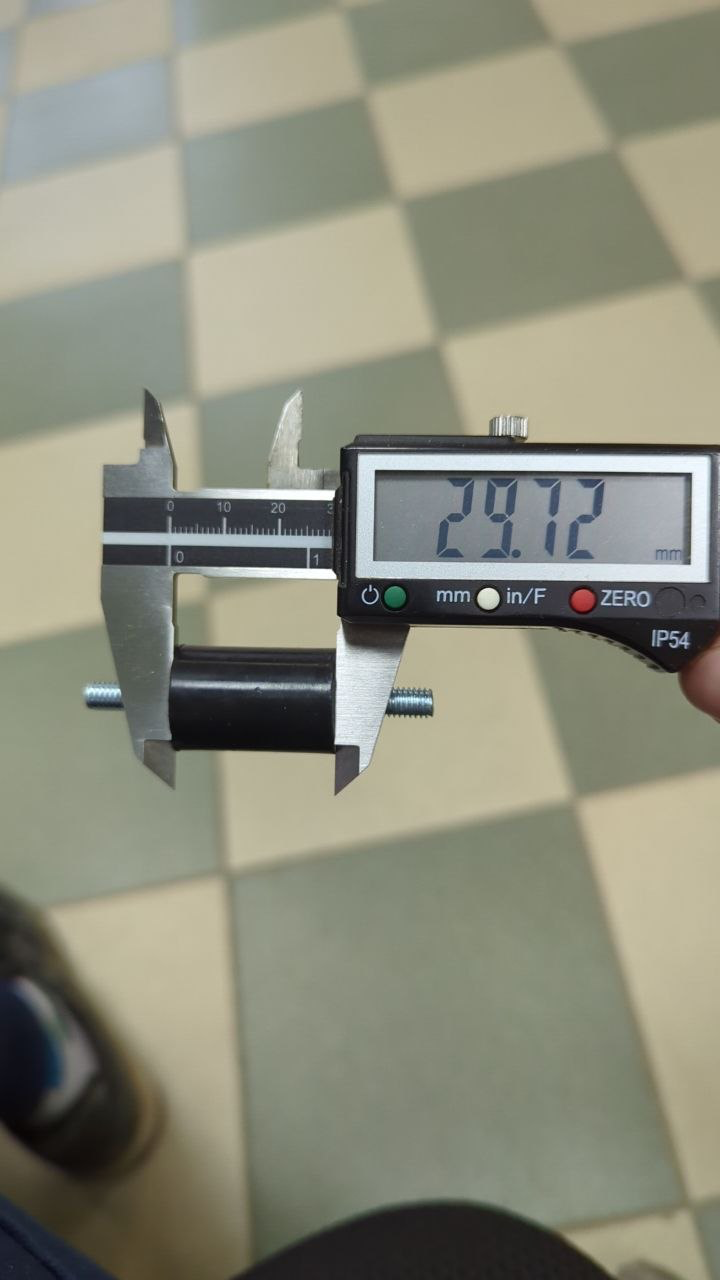
One customer photograph displays the compressed rubber body measuring exactly 29.72 mm long.
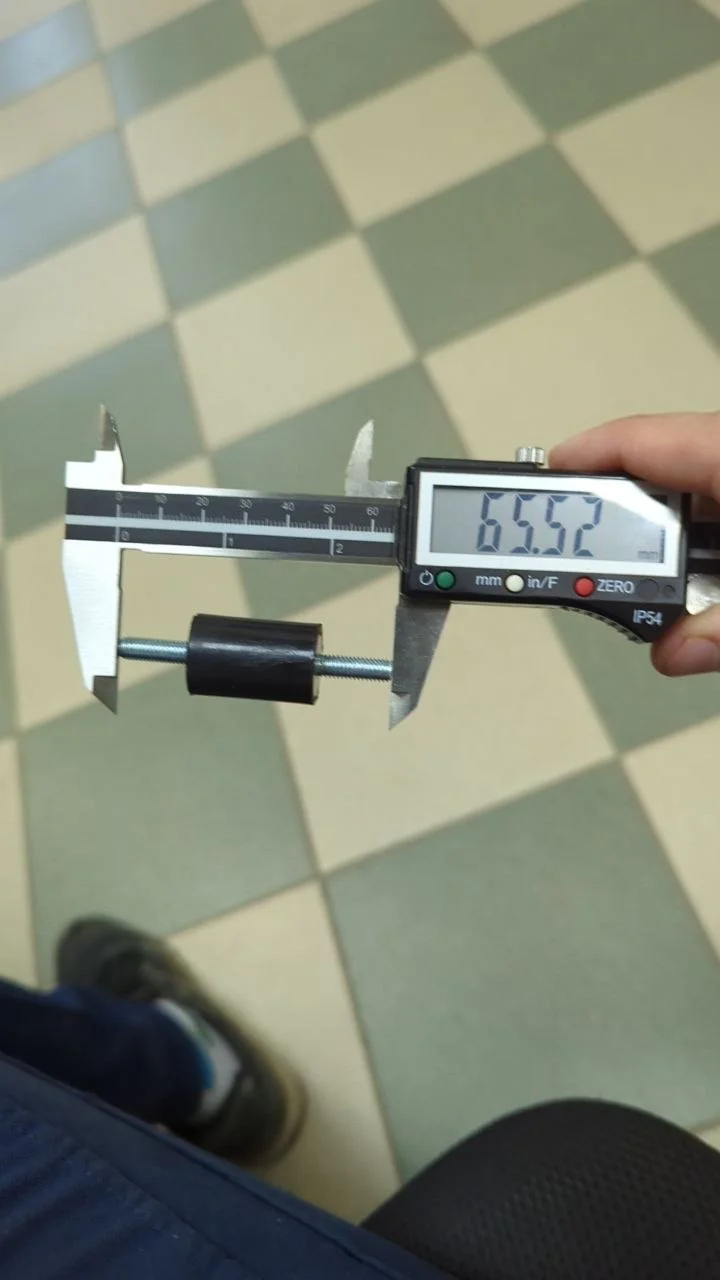
Another caliper reading captures the total part length at 65.52 mm across both metal studs.
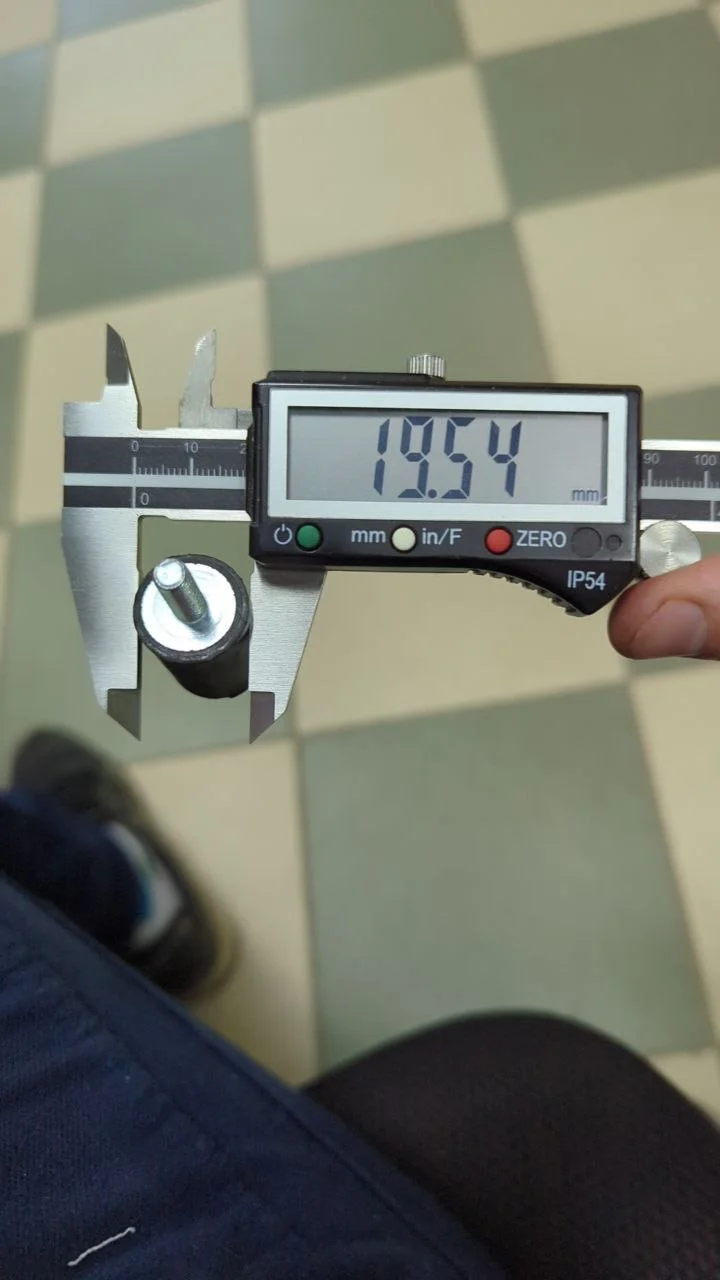
The final visual evidence reveals a deformed cylindrical width of 19.54 mm before standardizing.
How to Specify a Replacement Part
Replacing a broken motor vibration isolator requires careful steps. You must get the details right before you order a new batch.
- First, measure the old rubber gently. Do not squeeze the digital calipers too hard. Old rubber remembers its squashed shape and stays deformed. Therefore, you must guess the original clean size from the worn shape.
- Next, check your metal thread sizes twice. A stripped M6 stud will ruin the whole fan mount. If the thread pitch is wrong, the motor will shake itself apart.
- Always tell your factory about your weather needs. If your fan sits outside in the snow, say so. Factories can use cold-rated rubber to stop the part from cracking.
- Finally, send clear pictures with the calipers visible. Good photos let us reverse-engineer a safe design without a CAD model. We can finish a custom NPI cycle in 90 days with strong visual proof.
Related: Fan Accessories.
Frequently Asked Questions
Technical Documentation & Resources
Browse our axial fans range, the AC axial fans section, or EC axial fans.
Have a Similar Fan Requirement?
Longwell’s engineering team delivers custom spec sheets and samples within 90 days. Since 1990, we have supplied EC fans and blowers to OEMs across HVAC, cold chain, data center, and industrial applications worldwide.
Browse Related Products:
🏆 ISO 9001 / ISO 14001 / ISO 45001 | CE (TÜV) | UL/ETL | ATEX Zone 21/22 | AMCA 210-16 / ISO 5801 tested
Choose the right motors & drive system
Longwell manufactures 37 motors & drive systems in-house. Send airflow, static pressure and voltage — an engineer replies with a matching model, performance curve and price within one working day.