Solving a 3500 Pa System Resistance Problem
Engineers face a tough job when sizing fans for tight spaces. First, the customer needed a very specific high static pressure blower. Next, they had to fit this fan into a small cooling unit. This unit lives inside heavy industrial processing machinery.
Therefore, the fan had to push exactly 190 m³/h of air. Also, it had to work against extreme system resistance. Specifically, the required static pressure was a massive 3500 Pa. Meanwhile, the power supply was a standard 230V AC line.
The local factory grid runs at 50/60 Hz. However, the physical space was very tight. The entire fan had to fit safely inside a box measuring under 200 mm wide. In short, the exact allowed height was 190.7 mm.
The width was 184.4 mm. The depth was limited to 145.2 mm. Furthermore, the machine runs hot all day. So, the fan must survive an ambient temperature up to +70°C.
Since this module works inside an enclosed space, it required an IP20 rating. Finally, Class F insulation was a strict rule for electrical safety. Consequently, finding the right fan was very hard. A normal fan fails long before hitting 1000 Pa.
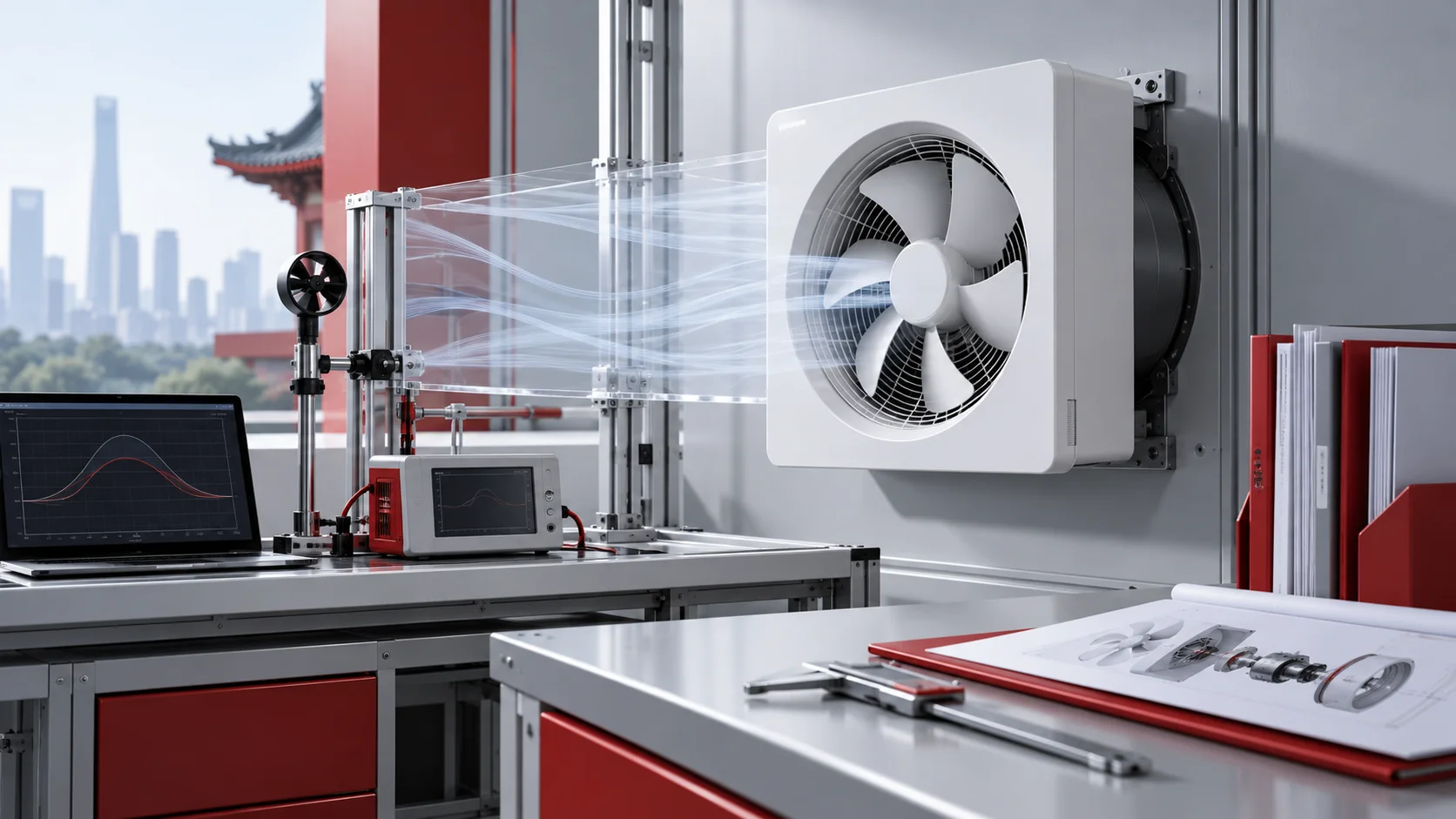
Thus, system designers usually pick a larger fan to get more pressure. But, a bigger fan would not fit the 200 mm limit. Instead, we had to build a custom unit. We tested this design TO AMCA 210-16 methods. This testing proves the exact performance.
Engineering the High Static Pressure Blower
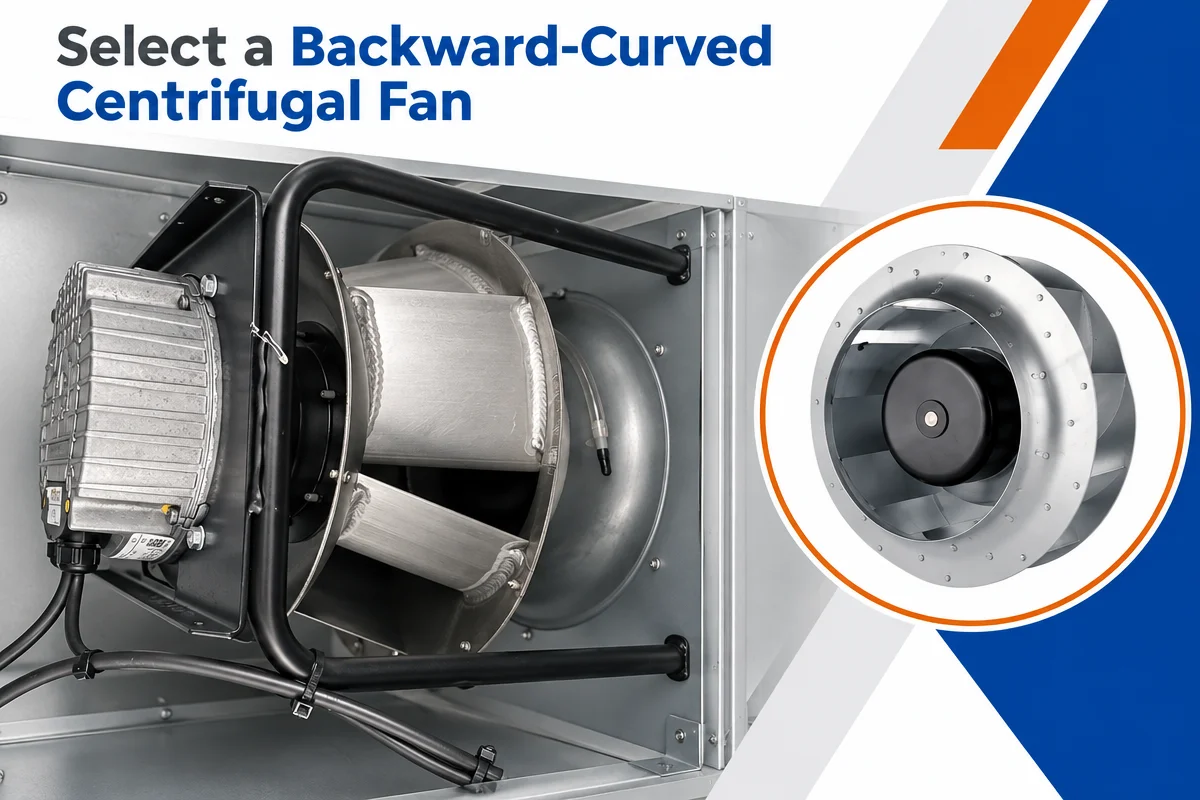
Next, we had to choose the right high static pressure blower design. We looked at standard axial fans first. However, axial fans need multiple stages to reach 3500 Pa. Therefore, they take up too much depth. This extra depth broke the 145.2 mm limit. Instead, we picked a centrifugal design. A centrifugal fan throws air outward to build massive pressure.
Building a Rigid Aluminum Housing
First, we needed a strong shell. High pressure bends thin metal over time. Consequently, a bent shell ruins the internal air flow path. So, we used a cast aluminum volute. The thick aluminum housing does not bend. Thus, it keeps the blade gap perfect even at high loads. Also, the thick metal acts as a heat sink for the motor.
Picking the Best Plastic Impeller
Next, we tested different impeller materials. We rejected stamped steel. In short, steel simply cannot hold the complex aerodynamic shapes needed for high pressure. Instead, we chose an engineered plastic impeller. Plastic is much lighter than metal. Therefore, it spins up faster. Furthermore, the lighter weight puts far less stress on the motor bearings. As a result, the maintenance-free ball bearings last much longer. They spin smoothly for years.
Trading Low Noise for High Pressure
Finally, generating big pressure in a small box requires high speed. The motor spins the fan at a rapid 8500 RPM. Normally, high speed needs a lot of power. Even so, we kept the input power down to 130W. The motor only draws 1.04A. This low power draw saves plant energy.
However, this design choice had a real cost. Running a fan at 8500 RPM makes noise. Fast air is loud air. Thus, the customer had to add thick acoustic foam to their cabinet. In short, we traded quiet operation for massive pressure capability. Ultimately, the final model moves 190 m³/h at 3500 Pa. Furthermore, it weighs just 1.9 kg.
Technical Specifications
| Model | LWGE148S-02 |
| Voltage | 230 V |
| Frequency | 50/60 Hz |
| Input Power | 130 W |
| Current | 1.04 A |
| Speed | 8500 RPM |
| Air Volume | 190 m³/h |
| Static Pressure | 3500 Pa |
| Dimensions | 190.7 x 184.4 x 145.2 mm |
| Net Weight | 1.9 kg |
| Protection Class | IP20 |
| Insulation Class | Class F |
| Housing Material | Aluminum |
| Impeller Material | Plastic |
| Operating Temperature | 0°C to +70°C |
Therefore, the static pressure and speed are the most important rows here. Hitting the massive 3500 Pa target strictly requires the 8500 RPM speed. Consequently, this high speed demands excellent maintenance-free ball bearings. These bearings prevent failure inside the hot machinery.
Reference: AMCA 210 covers the test method behind these figures.
Technical Documentation
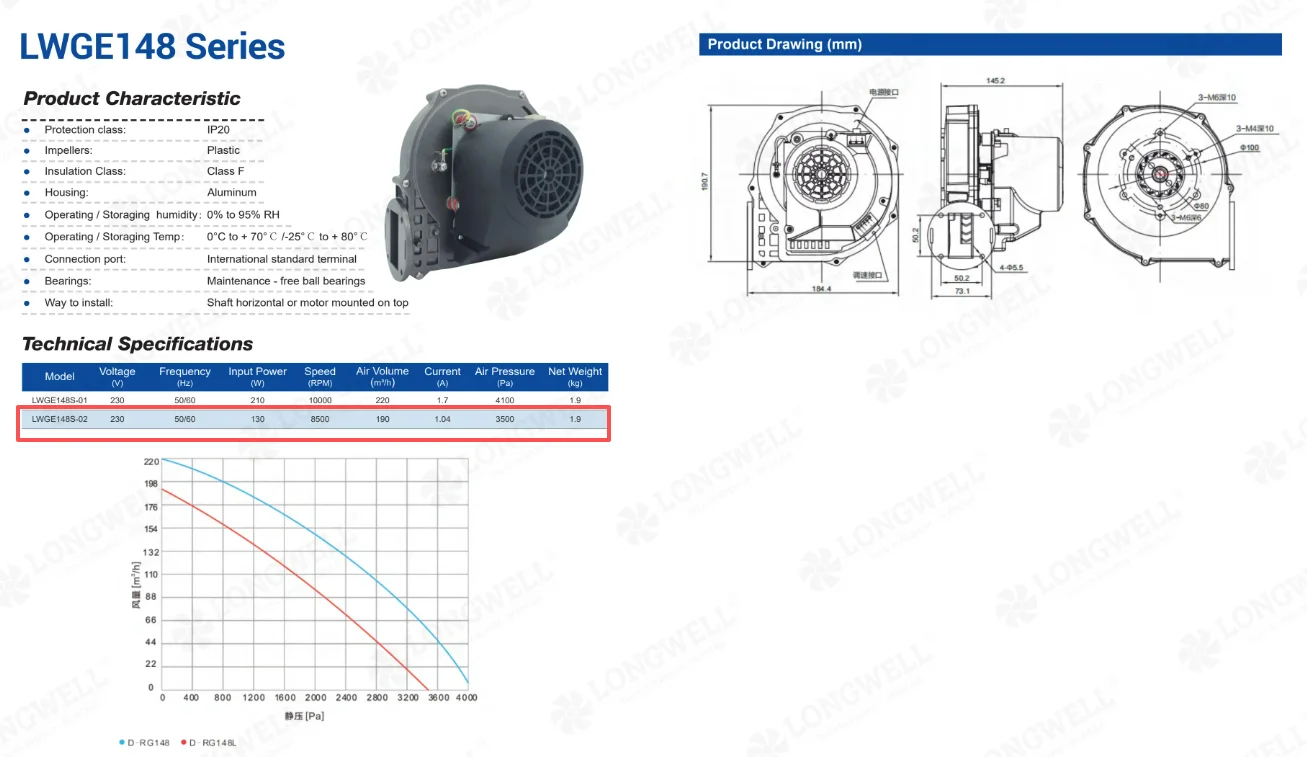
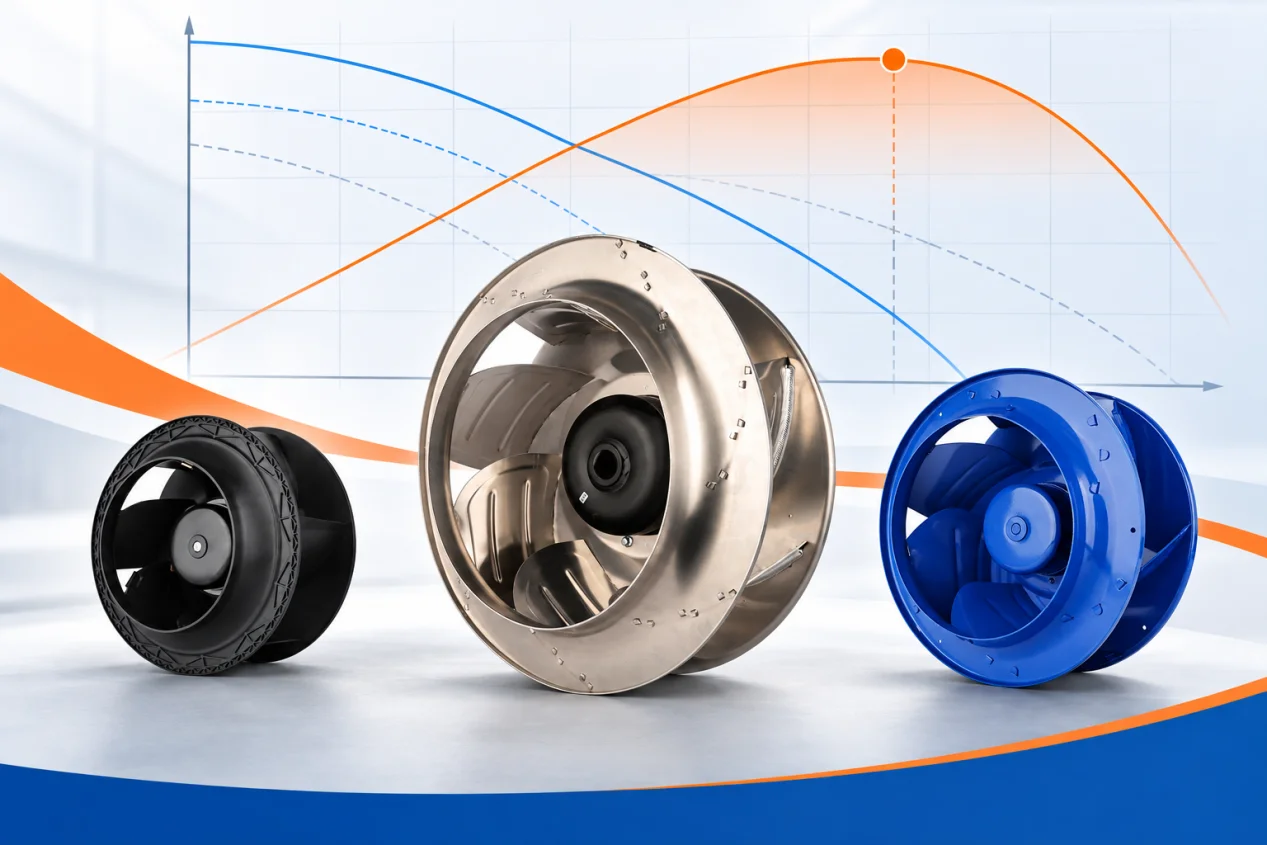
First, this performance curve shows the exact airflow and pressure limits for system builders. Next, it maps the performance across all operating speeds.
LWGE148S-02 CAD Drawing
Then, the mechanical drawing gives exact mounting details to the assembly team. Finally, it lists all terminal connection ports.
How to Specify Your Own High Static Pressure Blower
Design Steps for Small Spaces
If you need a similar high static pressure blower for a small box, follow these simple steps.
- Second, plan ahead for noise control: High pressure from a small fan means high speed. Consequently, a fan spinning at 8500 RPM is quite loud. So, you must leave room for acoustic foam inside your final metal cabinet.
- Next, verify your housing strength: High air pressure bends thin metal walls. In short, bending changes the tiny blade gap and hurts performance. Thus, specify a rigid cast aluminum housing if your pressure is over 1500 Pa.
- Finally, check your heat limits: Find the true maximum temperature inside your cabinet. For example, this custom fan works safely up to +70°C. By contrast, a standard commercial fan will usually shut down in that intense heat.
Related: Blowers.
Frequently Asked Questions
Technical Documentation & Resources
Browse our blowers range, the exhaust blowers section, or centrifugal blowers.
Have a Similar Fan Requirement?
Longwell’s engineering team delivers custom spec sheets and samples within 90 days. Since 1990, we have supplied EC fans and blowers to OEMs across HVAC, cold chain, data center, and industrial applications worldwide.
Browse Related Products:
🏆 ISO 9001 / ISO 14001 / ISO 45001 | CE (TÜV) | UL/ETL | ATEX Zone 21/22 | AMCA 210-16 / ISO 5801 tested
Choose the right blower
Longwell manufactures 247 blowers in-house. Send airflow, static pressure and voltage — an engineer replies with a matching model, performance curve and price within one working day.