Mass Correction for Fast Centrifugal Impellers
A commercial equipment maker needed exact fan balancing weights for their factory. First, the customer asked our sales team for three specific mass sizes. They needed 0.2g, 0.3g, and 0.4g parts. Next, they asked for 10,000 pieces of each size. These tiny metal clips fix minor mass faults in fast impellers.
High-speed wheels spin very fast. For instance, some motors reach 3,200 RPM. This speed creates a huge outward force. Therefore, any clip must hold the blade tight. It cannot rely on glue. Meanwhile, the mass must be perfect. Adding a 0.2g clip stops exact vibrations. By contrast, a heavy clip ruins the balance. It pushes the fault to a new spot.
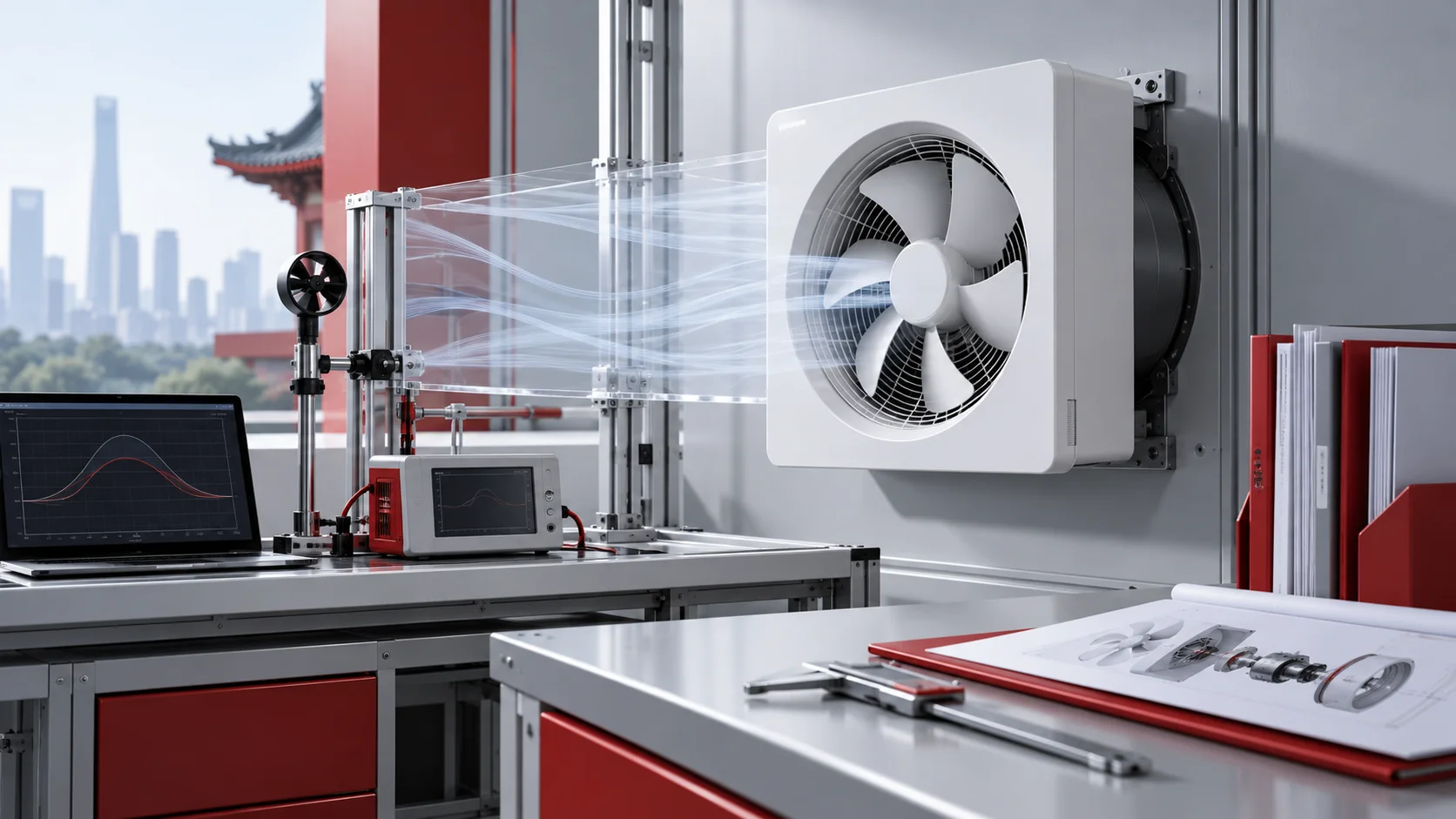
Engineers test final fan units TO AMCA 210-16 rules. Therefore, high vibration ruins the airflow tests. It also makes the noise data fail. So, the main rule here was strict precision. A small error in metal stamping easily changes the weight by 0.05g. Even so, the customer needed perfect parts. They had to meet strict ISO 1940-1 balance grades. Finally, moving air brings moisture. Thus, the parts needed basic rust protection.
Engineering Precision Fan Balancing Weights
Engineers can fix centrifugal wheels in a few ways. First, they can put epoxy paste on the wheel. We rejected this idea right away. In practice, paste takes too long to dry. Also, the final weight depends entirely on the worker. Next, we looked at metal tape. Instead, we rejected the tape because the glue can fail. Meanwhile, fast speeds pull the tape off the wheel over time. So, a firm metal clip is the only safe choice.
Balancing Blade Grip and Target Mass
We decided to stamp U-channel metal clips. Making custom fan balancing weights takes care. Therefore, we must balance metal thickness against the goal weight. A 0.2g rule leaves very little metal to work with. In practice, the team had to trade blade grip for exact weight. Thick metal grips the blade hard. However, thick metal quickly goes past the 0.2g limit.
By contrast, thin metal hits the target weight. As a result, yet, it might slide on the blade during use. Therefore, we picked strong spring steel. Meanwhile, we bent it into a tight shape. This choice cost the project more money. Therefore, hard steel wears out the stamping dies faster. Tooling upkeep gets very expensive.
Final Model Specifications
Finally, we made three strict designs. In practice, we named the lightest part LW-C08-0.2-01. It meets the 0.2g rule. Next, we made LW-C08-0.3-01 for the 0.3g rule. We made LW-C08-0.4-01 for the 0.4g rule. As a result, to get the mass right, we ran the stamping machine slower. Slow stamping stops the metal from getting hot. Moreover, heat can warp the final shape. The slow speed increased the total lead time. Still, it gave the customer the exact mass they asked for.
Technical Specifications
| Part Number | Target Mass (g) | Component Type | Initial Volume Order |
|---|---|---|---|
| LW-C08-0.2-01 | 0.2 | Metal Spring Clip | 10,000 pcs |
| LW-C08-0.3-01 | 0.3 | Metal Spring Clip | 10,000 pcs |
| LW-C08-0.4-01 | 0.4 | Metal Spring Clip | 10,000 pcs |
First, the target mass row is the most vital metric. It defines how well the clip fixes the wheel. Keeping the 0.2g limit stops the motor bearings from breaking early. Furthermore, the volume row shows the needed scale for fan balancing weights. Stamping 10,000 perfect pieces demands high die quality. A bad batch ruins the whole factory run.
Reference: ISO 21940 covers the test method behind these figures.
Technical Documentation
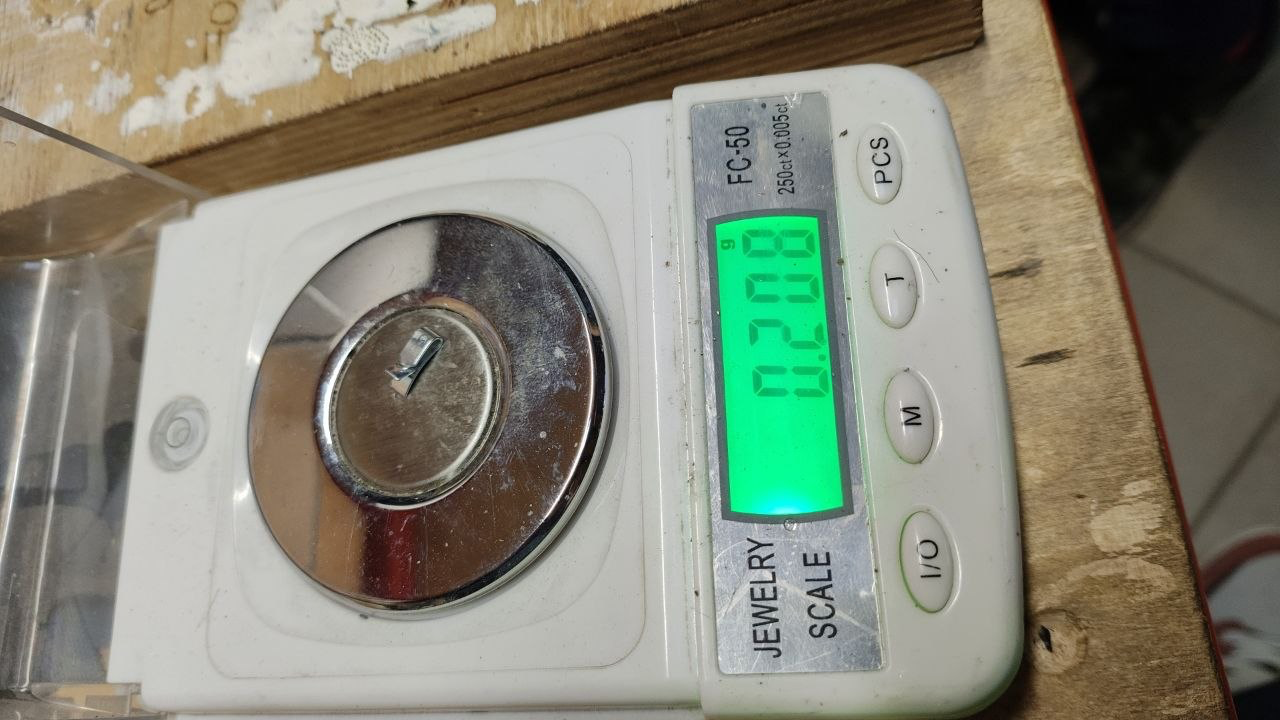
This test image shows a digital scale on the factory floor. It proves the mass sits at exactly 0.208g for the LW-C08-0.2-01 part.
Download LW-C08-0.4-01 Specification
This file lists the exact sizes for the 0.4g fan balancing weights variant. Engineers need it to check blade fit.
Download LW-C08-0.3-01 Specification
This sheet shares the strict drawing for the 0.3g unit. It outlines the firm mass limits.
Download LW-C08-0.2-01 Specification
This document details the shape needed for the lightest 0.2g part. It shows the tight U-channel bend.
Download Original Customer Matrix
This sheet holds the first raw data from the buyer. It lists the exact order volumes.
Specifying Weights for Your Factory Line
If you need fan balancing weights for your own wheels, mass is only one step. First, you must check the physical size of your blade. Next, look at these basic rules before you ask for a price:
- Measure the exact thickness of your blade edge. A gap error of just 0.5mm ruins the metal spring grip. The clip will fly off.
- Find out what mass steps you really need. Ordering a 0.2g step costs more money than a standard 1.0g step. Even so, it heavily extends bearing life in fast units.
- Write down the top RPM of your wheel. High speed creates huge outward pull. This force tells you how stiff the steel clip must be.
- We build and test our own impellers in house. This work shows us exactly how clips act under real load over time.
Finally, do not forget the air quality. You must ask for a rust-proof finish if the air is wet. Humid air rusts bare steel fast. Related: Fan Accessories.
Common Engineering Questions
Technical Documentation & Resources
Browse our axial fans range, the AC axial fans section, or EC axial fans.
Have a Similar Fan Requirement?
Longwell’s engineering team delivers custom spec sheets and samples within 90 days. Since 1990, we have supplied EC fans and blowers to OEMs across HVAC, cold chain, data center, and industrial applications worldwide.
Browse Related Products:
🏆 ISO 9001 / ISO 14001 / ISO 45001 | CE (TÜV) | UL/ETL | ATEX Zone 21/22 | AMCA 210-16 / ISO 5801 tested
Choose the right fan impeller
Longwell manufactures 10 fan impellers in-house. Send airflow, static pressure and voltage — an engineer replies with a matching model, performance curve and price within one working day.