Introduction
HVAC full form: Heating, Ventilation, and Air Conditioning. When Refrigeration is included, it is written as HVACR. An HVAC system controls temperature, humidity, and air quality in homes, offices, data centers, and factories. Below, we break the acronym down word by word, then explain how the systems work and the fan technology that moves the air.
In this guide, we will go over the basics of HVAC systems. We will explain their parts and how they work. We will also discuss energy efficiency, types of systems, maintenance tips, and costs. Let’s look into HVAC together. This will help you learn more, so you can make better choices for your home comfort and well-being.
The Full Form of HVAC
HVAC stands for Heating, Ventilation, and Air Conditioning. Each part of the full form points to one job the system does:
- H — Heating. Equipment that raises indoor temperature in cold conditions: furnaces, boilers, heat pumps in heating mode, and electric or hydronic heaters.
- V — Ventilation. Bringing fresh outdoor air in, pushing stale air out, and controlling pressure between spaces. Fans, blowers, and air handlers do most of this work.
- AC — Air Conditioning. Cooling and dehumidifying air with a refrigeration cycle, plus filtering and circulating it for comfort.
The three functions share one air side — ducts, grilles, and above all fans — which is why they are grouped under a single acronym and usually built as one integrated system.
Full form variants you will see: HVAC/R or HVACR adds Refrigeration, common in cold-chain and commercial refrigeration contexts. HACR (Heating and Air Conditioning) appears on electrical breaker ratings.
Related Abbreviations in HVAC
HVAC is only the starting point. If you are specifying or sourcing equipment, these are the abbreviations you will meet next:
| Abbreviation | Full form | What it refers to |
|---|---|---|
| HVACR | Heating, Ventilation, Air Conditioning & Refrigeration | HVAC plus commercial refrigeration |
| AHU | Air Handling Unit | The cabinet containing fans, coils, and filters that conditions and moves air |
| FCU | Fan Coil Unit | Compact terminal unit with a fan and a coil, serving a single zone |
| CFM | Cubic Feet per Minute | Airflow rate; paired with static pressure to define a fan’s duty point |
| SEER | Seasonal Energy Efficiency Ratio | Cooling output divided by seasonal energy input |
| MERV | Minimum Efficiency Reporting Value | Filter efficiency rating, 1–20; higher catches finer particles |
| VRF | Variable Refrigerant Flow | Multi-zone refrigerant system with inverter compressors |
| EC | Electronically Commutated | Brushless DC motor with integrated electronics; the efficient choice for HVAC fans |
| FFU | Fan Filter Unit | Ceiling-mounted fan + HEPA filter module used in cleanrooms |
The Importance of HVAC in Daily Life
HVAC systems are very important in our lives. They help improve the air quality at home. This makes the indoor air feel nice and comfortable. These systems also control humidity. They filter out harmful particles, which creates a healthy environment for us. In winter, they keep our spaces warm. In summer, they cool them down. This makes us feel good and helps us work better. HVAC systems protect our furniture and electronics too. They can even stop mold from growing. So, HVAC systems are essential for a healthy place to live or work.
The Core Components of an HVAC System
The main parts of an HVAC system include:
- Air conditioners
- Heat pumps
- Furnaces
- Boilers
- Air handler and ventilation systems
Air conditioners and heat pumps keep places cool. Furnaces and boilers provide warmth. Ventilation systems control airflow and air quality inside buildings. This is important for comfort and health. All these parts work together to manage temperature and humidity. They also circulate fresh air. This helps make indoor spaces feel more comfortable and enjoyable.
Understanding Air Conditioners and Heat Pumps
Air conditioners and heat pumps are important parts of an HVAC system. Air conditioners cool a room by removing heat using a liquid called refrigerant. Heat pumps have two functions. They can cool or heat a space by moving heat from inside to outside. These systems keep our indoor comfort pleasant by controlling temperature and humidity. It is important to understand how air conditioners and heat pumps work. This knowledge helps them work better and use energy wisely.
Furnaces and Boilers: Heating Solutions
Heating systems, such as furnaces and boilers, are important for HVAC systems. They give extra heat to keep your home warm in colder months. Furnaces push heated air through ducts to warm up rooms. Boilers heat water or steam to provide warmth. Understanding these heating options is crucial for good indoor air quality and comfort. Both furnaces and boilers also help improve indoor air, making your home feel cozy during very cold winters.
Ventilation: Ensuring Air Quality
Proper ventilation is very important. This includes mechanical ventilation. It helps keep the indoor air quality good. It works by bringing in fresh air and getting rid of stale air. Ventilation systems let air flow and move around. This helps cut down on pollutants, bad smells, and too much moisture. A space with good ventilation is more comfortable and healthier for everyone. Good ventilation systems are needed to reduce indoor air pollutants. They also help stop the growth of allergens and harmful germs. In short, ventilation is key to keeping high air quality inside.
HVAC Systems: Working Principle
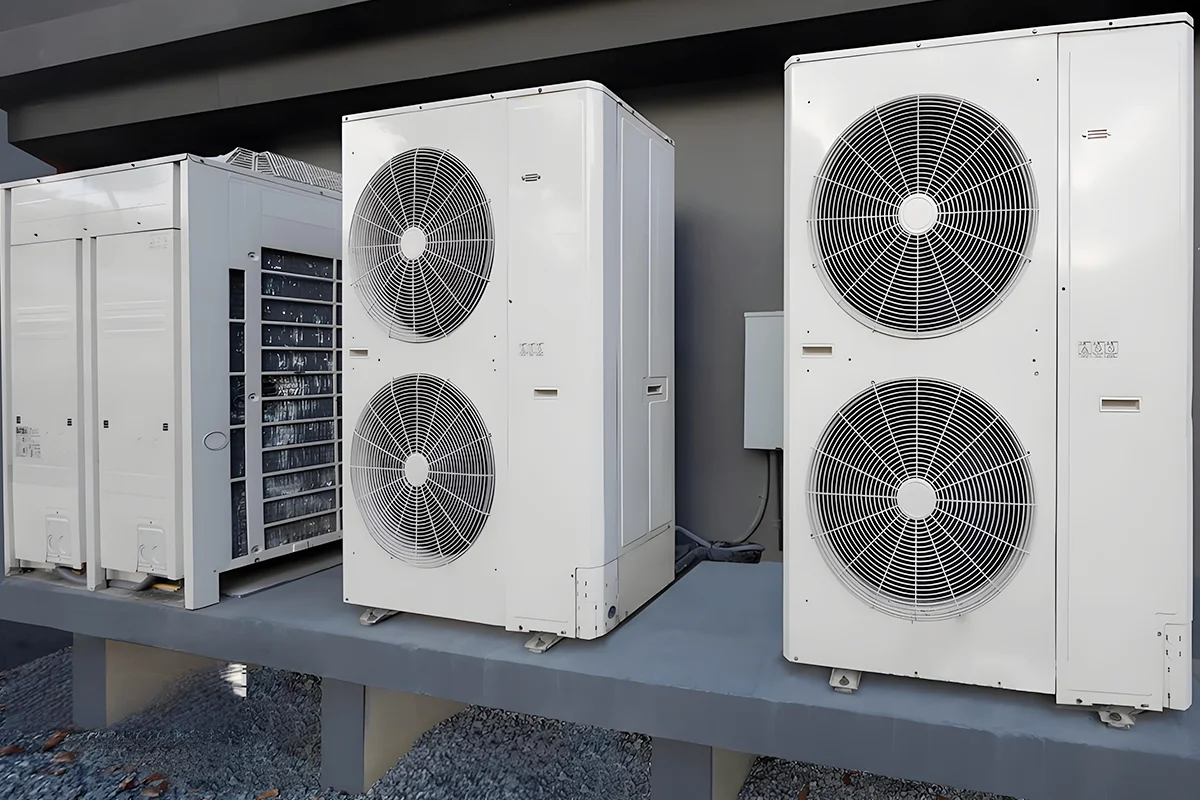
HVAC systems are important for controlling the temperature and improving air quality. They work by either heating or cooling the air. Thermostats are essential for keeping a comfortable temperature. It is good to understand how this system operates so it continues to work effectively.
The Cycle of Heating and Cooling
The HVAC system keeps you comfortable by controlling the temperature. It heats or cools the air in cycles. This system also controls how cold air moves through the indoor coil and the outdoor unit. A part called the reversing valve helps the flow of refrigerant between these units. This makes the system work better.
In the heating cycle, the heat pump picks up heat from the outside air and moves it inside. In the cooling cycle, it takes heat from inside and sends it outside. This system helps maintain a steady indoor temperature all year round.
Role of Thermostats in HVAC Systems
Thermostats are important parts of HVAC systems. They help control the temperature to keep you comfortable and save energy. These devices read the temperature and tell the system when to heat or cool the air. This helps keep your indoor space at the right temperature.
Programmable thermostats allow you to set various temperatures for different times. This can help save energy. Smart thermostats improve on this. They learn your preferences and adjust the settings automatically. This makes things simpler for you and can also help you save money.
- Their careful control helps the whole system work better.
- It also makes your home a more pleasant place to be.
Different Types of HVAC Systems
The full form of HVAC is the same for every building, but the equipment package behind it is not. System type is usually decided by the size of the space, the climate, whether ductwork already exists, and how precisely each zone needs to be controlled. The four configurations below cover most installations, from a residential home to a data hall.
Split Systems: The Standard for Homes
A split system separates the equipment into two cabinets: an indoor unit holding the evaporator coil and air filter, and an outdoor unit holding the compressor and condenser coil. Refrigerant lines and a condensate drain connect the two. This is the configuration found in most American homes because it is affordable, quiet indoors, and easy to service — each cabinet can be replaced independently. The fan in the indoor unit is worth checking when you compare models: an ECM blower motor holds efficiency far better than a fixed-speed PSC motor at partial load.
Hybrid Systems: Heat Pump Plus Furnace
A hybrid system pairs an electric heat pump with a gas furnace and switches between them automatically. In mild weather the heat pump carries the load, which is far cheaper per unit of heat than burning gas; when outdoor temperatures drop near the heat pump’s balance point, the furnace takes over. The result is the lowest operating cost across a full heating season without sacrificing comfort on the coldest days. Hybrid configurations are common in commercial rooftop units for the same reason.
Ductless Mini-Split Systems: Zoned Control Without Ductwork
Ductless systems, usually called mini-splits, connect one outdoor unit to one or more indoor fan-coil units through a small refrigerant line instead of ductwork. Because each indoor unit has its own fan and control, every room becomes an independent zone — a clear advantage over central systems, where one thermostat decides the temperature for the whole building. They suit retrofits, room additions, small hotels and restaurants, and any building where running ducts is impractical or too expensive.
Commercial and Industrial Systems
Above a certain scale, the equipment changes class. Commercial buildings move to rooftop units, air handling units (AHUs) and VRF systems; data centers run CRAC units and fan walls around the clock; factories and cleanrooms depend on process ventilation — fume extraction, FFUs, and high-temperature axial fans. What these systems share is air volume measured in tens of thousands of CFM, and in every one of them the fans are the components that set both performance and running cost. That is where EC motor fans have become the default choice.
Energy Efficiency and HVAC
Improving energy efficiency in HVAC systems is very important. It saves you money and helps the environment. New ideas, like SEER ratings and energy-saving technologies, change how we think about heating, cooling, and ventilation. By knowing the energy efficiency ratio, you can pick better upgrades or new systems. This helps you feel comfortable while lowering your costs. With these upgrades, homeowners can improve indoor air quality, reduce energy costs, and support a greener future.
SEER Ratings Explained
SEER stands for Seasonal Energy Efficiency Ratio. It tells us how well an air conditioner cools a room. A higher SEER rating shows better cooling performance. This rating compares the cooling a unit provides during the season to the energy it uses. A high SEER rating can help you lower energy costs. In the United States, new air conditioners must meet a minimum SEER rating. By knowing about SEER ratings, you can pick better air conditioning options. This can save you money and help you use energy wisely.
Innovations in Energy-Saving HVAC Technologies
Smart thermostats are helping us save energy for heating and cooling. They learn your preferences and change their settings to match what you like. Air conditioners with inverter technology adjust their speed based on the temperature you want. New furnaces come with heat exchangers that make better use of energy. Variable refrigerant flow systems let you control the temperature in different spaces, saving even more energy. These technologies make our lives easier. They help cut down energy usage, which is good for the environment and saves money on heating and cooling costs.
Maintenance Tips for HVAC System
- Regular check-ups from HVAC experts are important for your system to work well.
- Schedule maintenance once a year to keep everything running smoothly.
- Simple tasks, like changing air filters, can help improve air quality.
- Keep your outdoor units clean and free of dirt so air can flow easily.
- Check your thermostat settings and fix any problems right away.
- By following these tips, you can help your HVAC system last longer and avoid big repairs.
- Make regular care a priority to ensure your system runs well all year.
How to Choose an HVAC Supplier?
Knowing the full form of HVAC is step one; choosing who supplies the equipment is the decision that follows you for the next fifteen years. Whether you are sourcing a single air handling unit or specifying fans for a production line, the evaluation logic is the same — and it goes well beyond the quotation.
Certifications and Compliance That Matter
Start with paperwork, because it predicts everything else. A serious manufacturer can show ISO 9001 for its quality system, and product-level certificates matching your market: CE and ErP for Europe, UL or ETL for North America, CCC and GB energy-efficiency standards for China. For fans specifically, look for AMCA-certified performance data. Ask when the certificates were issued and for which exact model series; a certificate for one model does not cover its siblings.
Engineering Support and Customization
The best suppliers behave like engineering partners, not catalog vendors. Test three things: whether they can provide measured fan curves and operating points for your actual duty condition (not just nominal data), whether they offer OEM/ODM services such as custom voltages, impeller diameters, or mounting frames, and how fast they turn a prototype. A supplier who answers a duty-point question with a calculated curve within two days will usually service you well after delivery.
Comparing Quotes: Total Cost, Not Unit Price
When the offers arrive, compare them on total cost of ownership: purchase price plus energy consumption over the system’s life, plus maintenance and downtime. Also check lead time in writing, warranty terms (parts, labor, and who pays shipping), and whether spare parts stay available for the next ten years. Finally, ask for one reference customer in your industry and call them — ten minutes on the phone beats any brochure.
Conclusion
The full form of HVAC — Heating, Ventilation, and Air Conditioning — describes three functions delivered by one air system, and fans are what make the air move. Whether the project is a home split unit or a data center fan wall, the equipment choice that decides lifetime efficiency is usually the fan and its motor. LONGWELL manufactures EC axial and centrifugal fans for exactly these duty points; tell us your airflow and pressure requirements and our engineers will match the curve.
Frequently Asked Questions
How often should HVAC systems be serviced?
HVAC systems need to be serviced every year. This makes them work better and saves energy. Regular maintenance can help avoid expensive repairs and make your system last longer. It’s smart to get a professional tune-up to keep your HVAC system running well.
Can I install an HVAC system myself?
Installing an HVAC system yourself is a bad idea. It includes complicated wiring and dealing with refrigerants. You also need to make accurate calculations. These tasks are better left to professionals. If you do it on your own, you may run into problems like less efficiency and safety risks. You could even lose any warranties you already have. It’s smarter to get help from an expert. This way, the installation will be done correctly and safely.
What is the lifespan of an HVAC system?
The HVAC system normally lasts 15 to 25 years. Its lifespan depends on how well you take care of it and how often you use it. Regular maintenance can help it last longer. Knowing this can help you prepare for when you need to replace your HVAC system.
How to make an HVAC system more efficient?
- Upgrade to energy-saving HVAC models.
- Set up regular check-ups for maintenance.
- Change thermostat settings to help it run better.
- Improve insulation and seal air ducts.
These steps can help you perform better. They can also lower your energy costs.
What’s the difference between HVAC and air conditioning?
HVAC stands for heating, ventilation, and air conditioning. Air conditioning is mainly used for cooling. But HVAC is more than just cooling. It also includes heating, ventilation, and humidity control. Knowing these differences can help you understand more about indoor climate control systems.