In modern facility agriculture, the stability of the greenhouse environment becomes more vital and directly determines the growth quality and yield. In many greenhouses, they still encounter the problems of uneven temperature distribution and humidity. Their insufficient ventilation efficiency cannot be solved by simply increasing the number of fans. Therefore, the selection of a scientific ventilation system with ventilation fans becomes particularly crucial. By reasonably planning the air flow path and making selections based on the greenhouse structure, it is possible to achieve balanced control of air exchange in the greenhouse and efficient air exchange.
This article will focus on the core challenges greenhouse ventilation faces. It analyzes the working principles and differences of ventilation fans. It will provide systematic selection ideas for a more efficient greenhouse ventilation system.
Greenhouse Ventilation Challenges
Temperature Distribution
One of the challenges of greenhouse ventilation is uneven temperature distribution. The ventilation of a greenhouse is not merely about installing ventilation fans. There are usually misunderstandings. As long as ventilation equipment is installed in the greenhouse, the overall temperature will drop. But in reality, due to the natural law that hot air rises and cold air sinks. The location of the fan installation and the structure of the greenhouse matter as well. As a result, inappropriate settings can easily lead to uneven temperature distribution. Only increasing the quantity of fans in the greenhouse cannot solve this problem and will increase the costs. When designing the position of the fan, the rationality of the airflow path should be taken into account so that the air can achieve a circular flow.
Humidity Control
The sources of humidity in greenhouses are complex. They include: plant transpiration, soil evaporation, irrigation, and dew. These factors all lead to the humidity. Excessively high or low humidity levels will affect plant growth. More importantly, the temperature and humidity control are mutually balanced. Increasing the ventilation volume for cooling may cause a huge drop in humidity. On the other side, reducing ventilation air volume to retain moisture can lead to heat accumulation. To achieve the balance between humidity and temperature is the key challenge in the design of greenhouse ventilation systems.
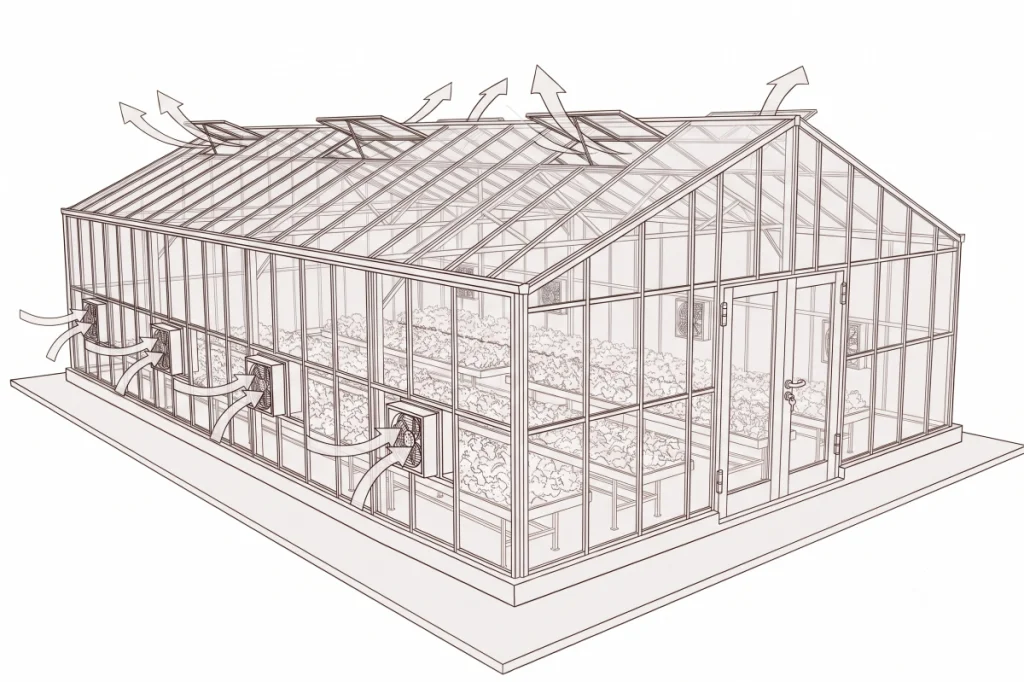
Ventilation Fan in Greenhouse: Working Principle
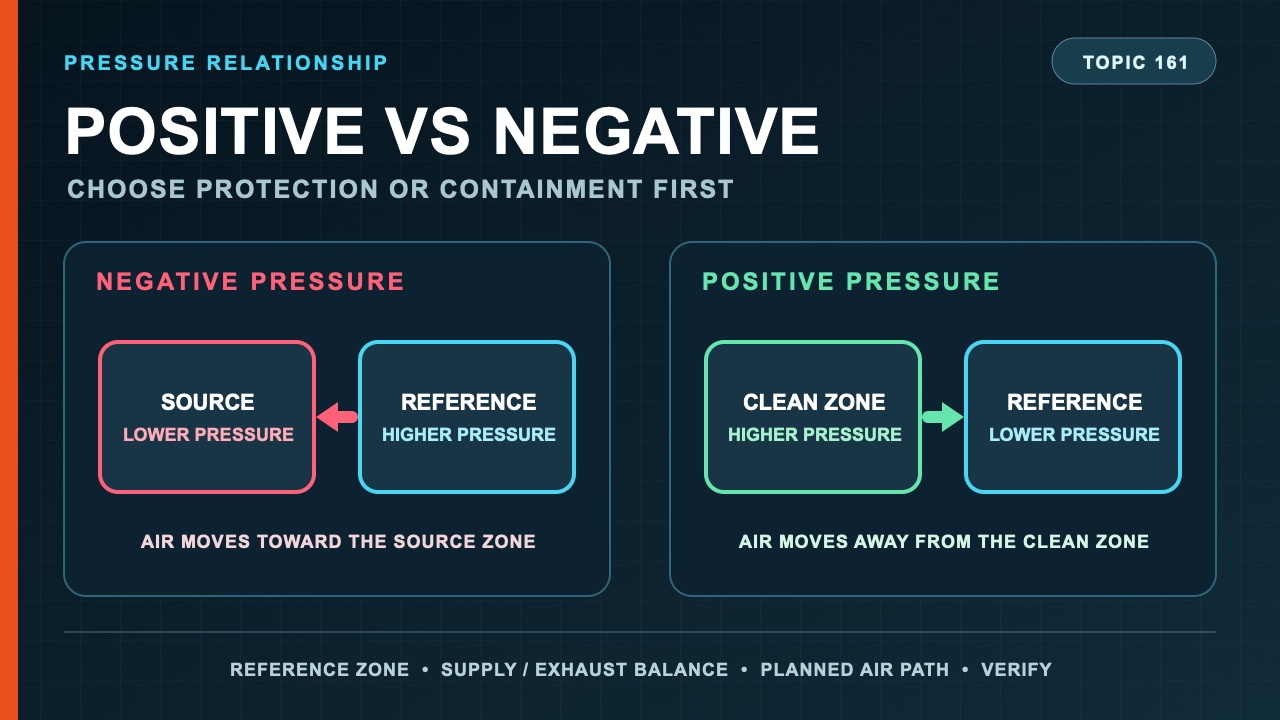
The key working principle of ventilation is creating a pressure difference. Through this, fresh external air enters and the internal hot and humid air is expelled. The role that the fan plays in this process is to actively create this pressure difference. This is currently the most common ventilation method in greenhouses.
One method is to generate a negative pressure difference. Fans are installed on one side of the greenhouse, actively drawing the indoor air outwards, creating a relatively negative pressure. Fresh air from the outside is then drawn into the greenhouse through the intake vents on the other side.
Another method is using fan to create positive pressure difference. The external air is actively drawn into the greenhouse by the fan. The excess air and moisture are then naturally discharged through the reserved exhaust vents.
The main function of fans in a greenhouse is to allow air to circulate. The factors that truly determines the ventilation effect depends on the type of fan and its installation location.
Greenhouse Ventilation Fans: Types and Selection
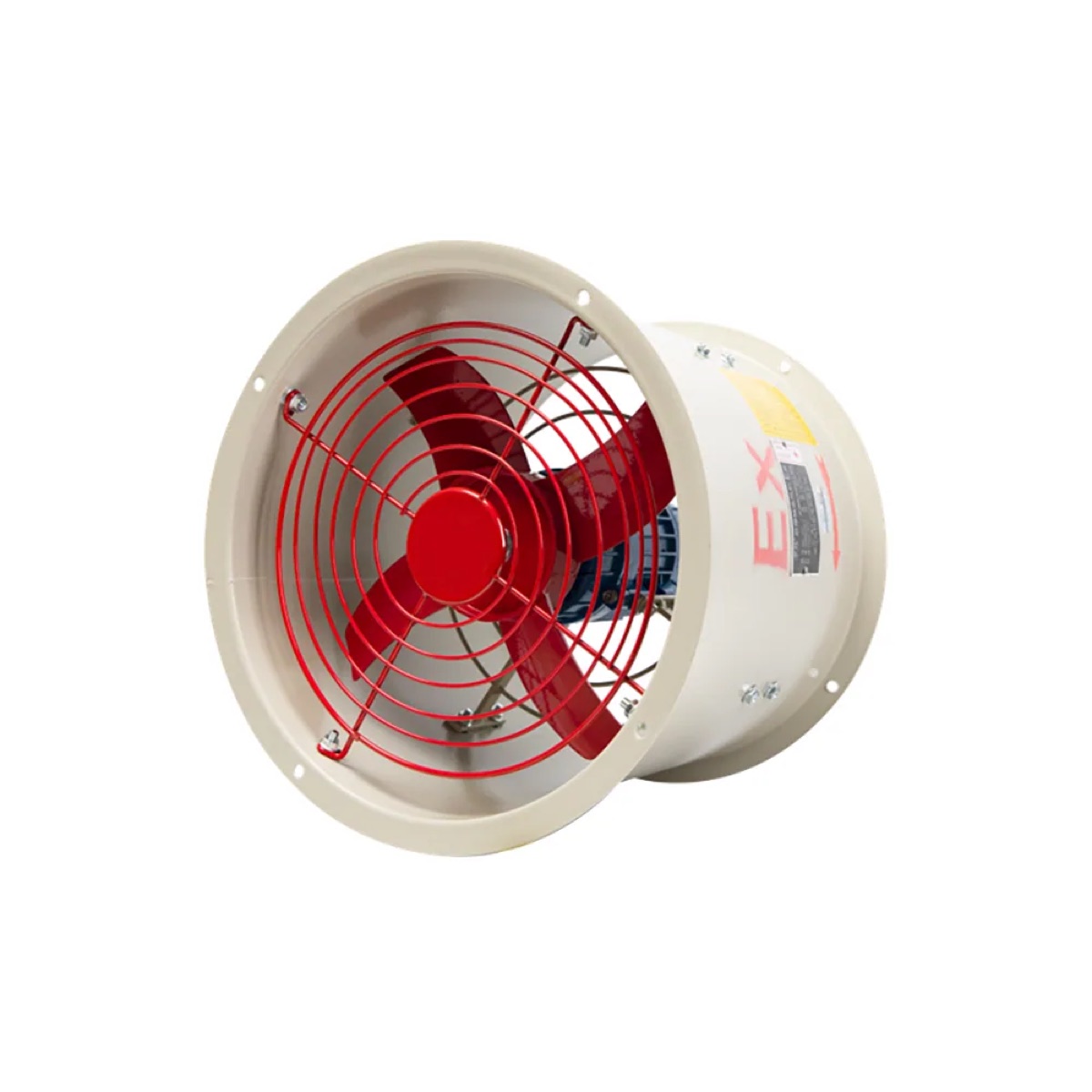
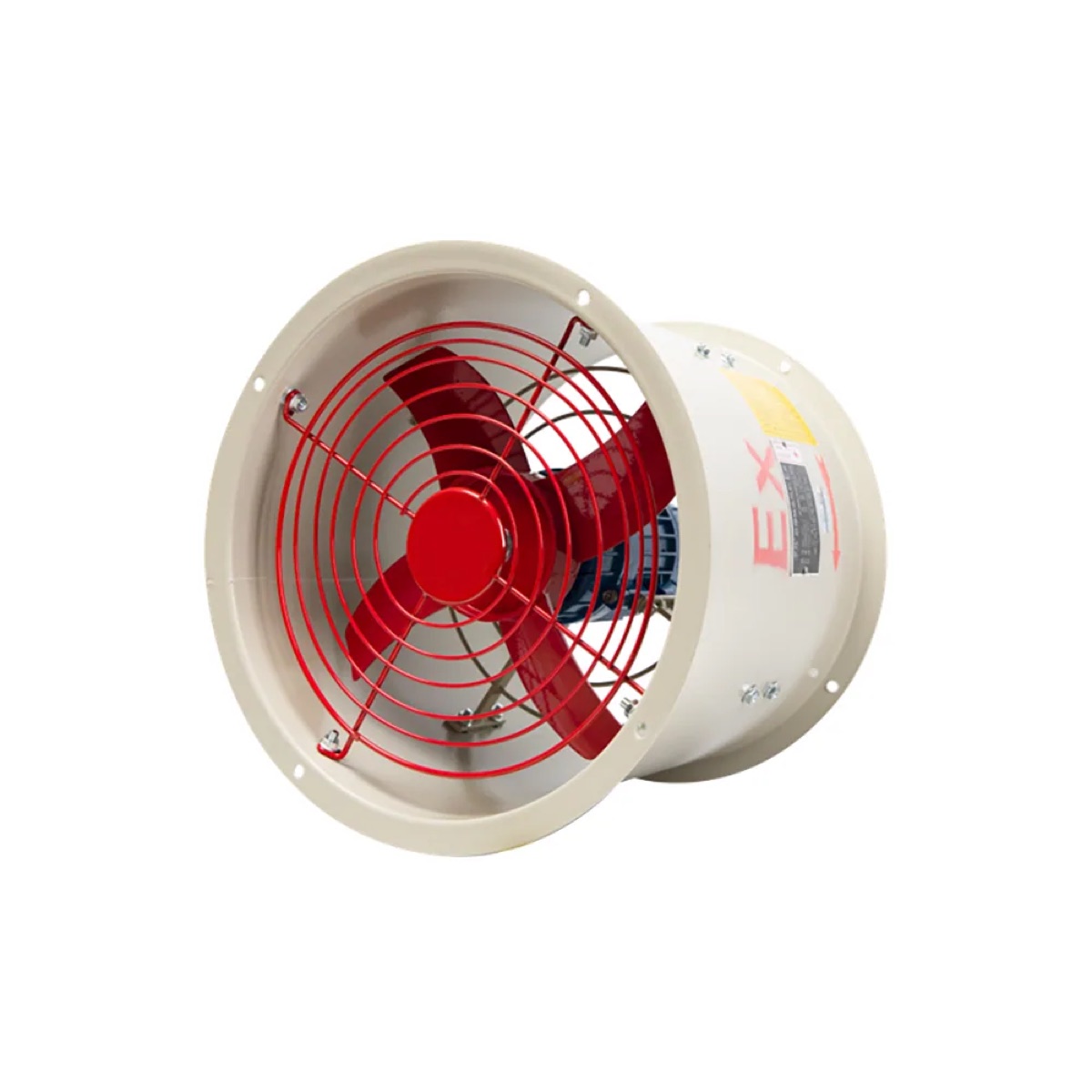
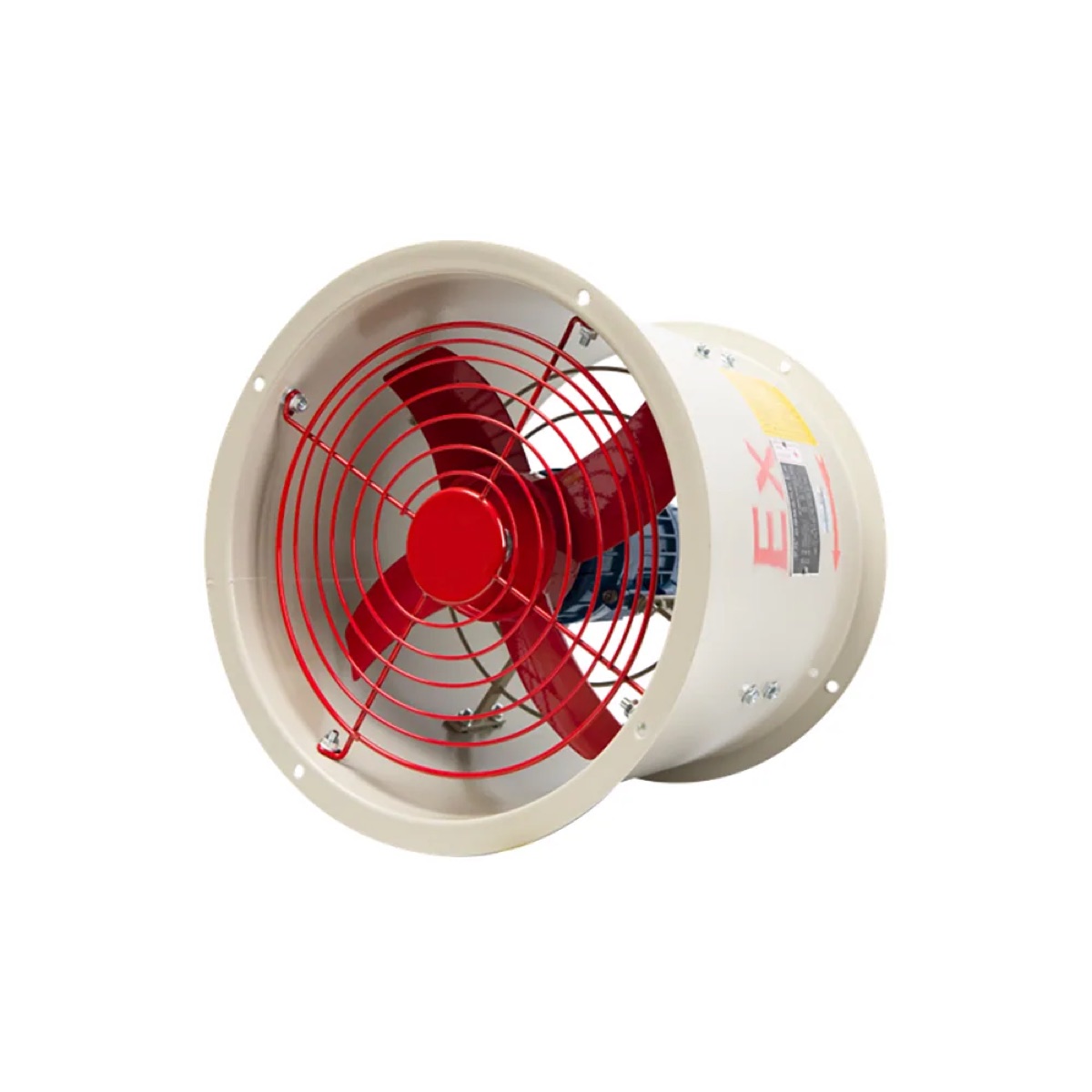
In greenhouse ventilation, the fans undertake two completely different tasks. One is responsible for changing the air inside and outside the room. The other is for circulating the existing air in the room. The selection logic for these two roles is completely different.
Exhaust Systems
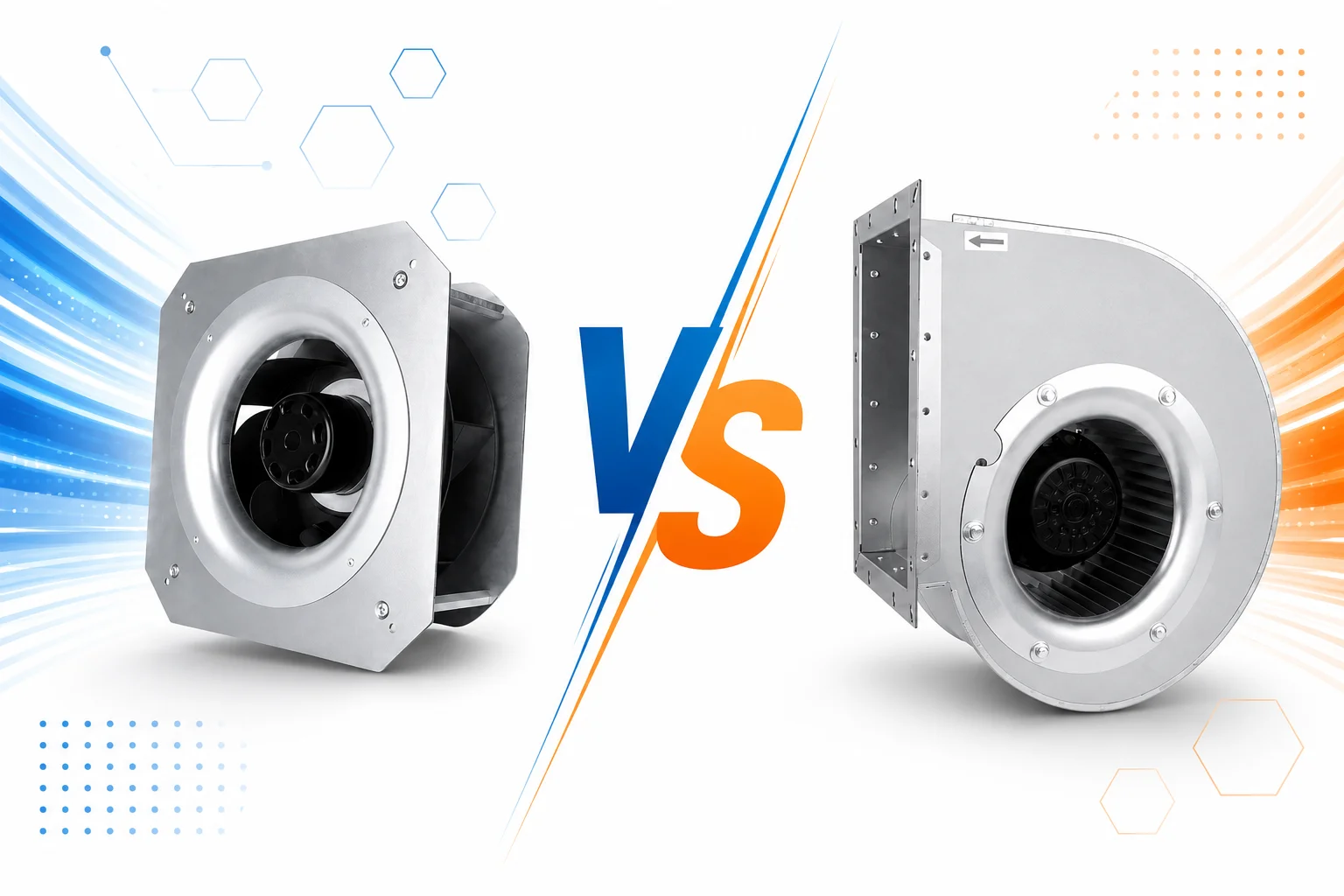
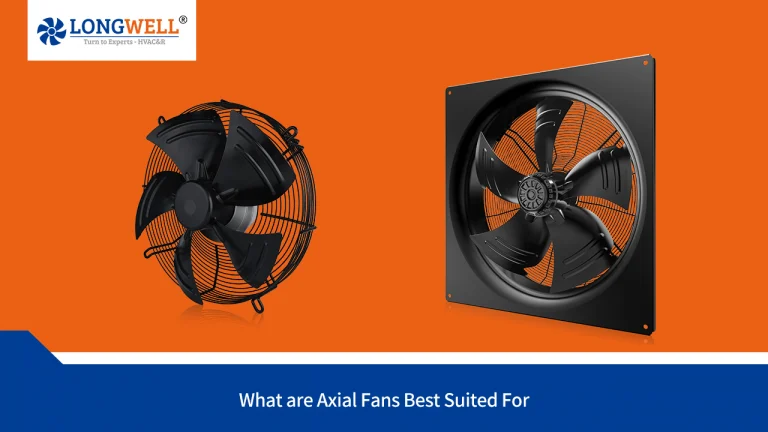
The core function of the exhaust system is to actively remove the humid and hot air, and intake the fresh air at the entrance. Its goal is to form an air flow exchange channel throughout the entire greenhouse. The exhaust system needs to drive a large volume of air covering the entire volume of the greenhouse. It usually select high-power axial fans to complete this task. Axial fans can output a large volume of air under low static pressure conditions. The focus of this system design lies in decreasing the ventilation dead zones.
Circulation Systems
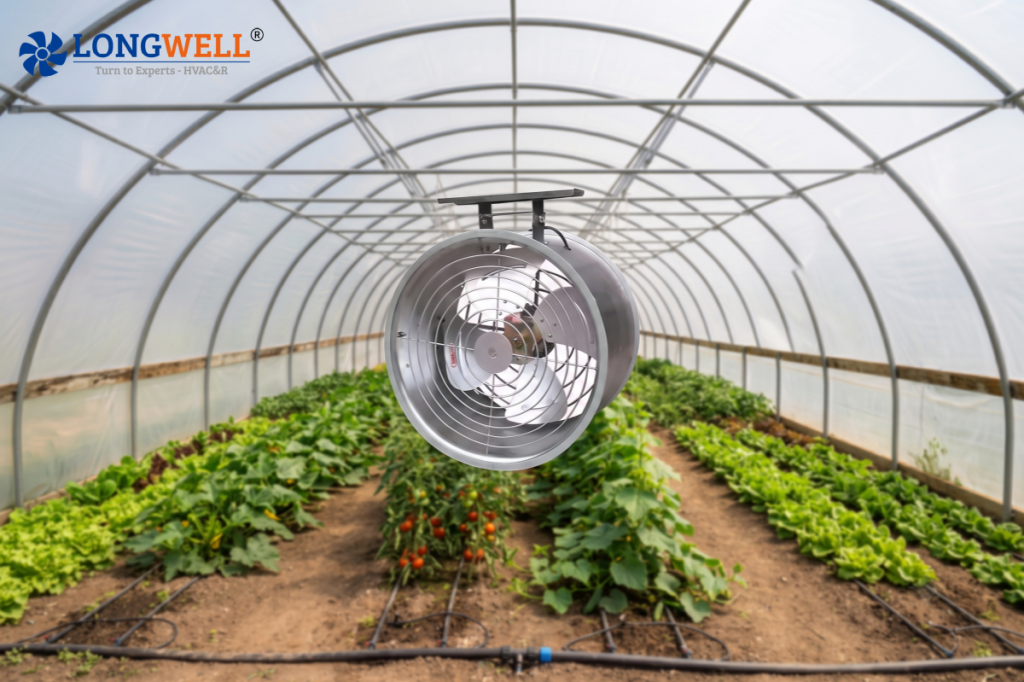
The circulation system is responsible for maintaining the continuous flow of air in the greenhouse. Its aim is to reduce the temperature stratification problem we mentioned earlier and to make the humidity distribution more uniform. This system usually uses small circulation fans, which are installed inside the greenhouse in a suspended or wall-mounted manner. The circulatory system serves as a supplementary component of the exhaust system. It does not directly participate in the exchange of air between the greenhouse interior and exterior.
Key Technical Specifications
During the selection process of the ventilation fans in the greenhouse, it is vital to conduct a comprehensive assessment of the key technical parameters. They are the core that ensures the equipment can meet the actual system requirements.
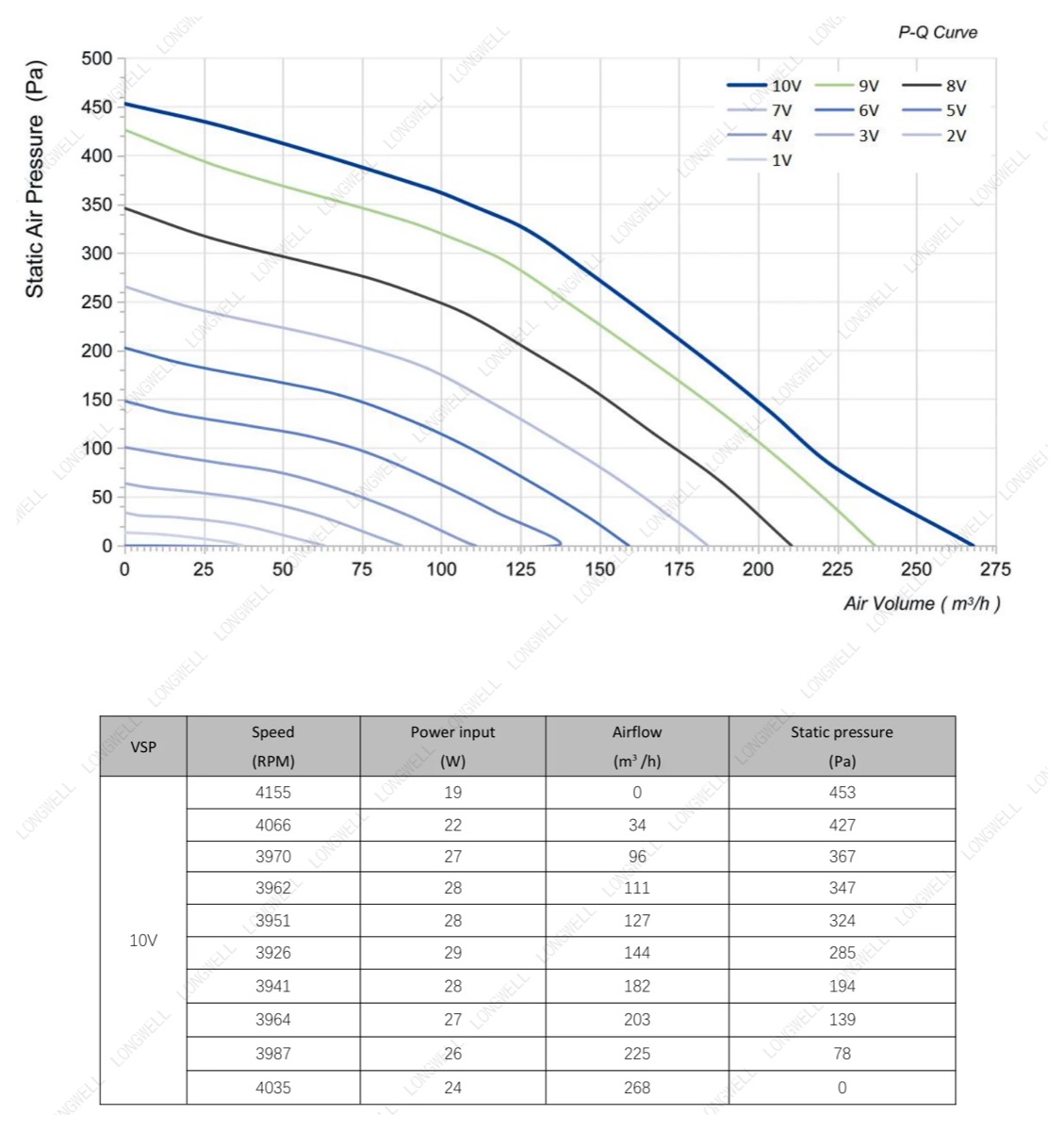
First is airflow, which directly determines the air delivery capacity of the fan. It is the core indicator for measuring ventilation efficiency. Secondly, static pressure is used to reflect the fan’s ability to overcome system resistance. Insufficient static pressure will result in a decrease in actual airflow, thereby affecting the overall ventilation effect.
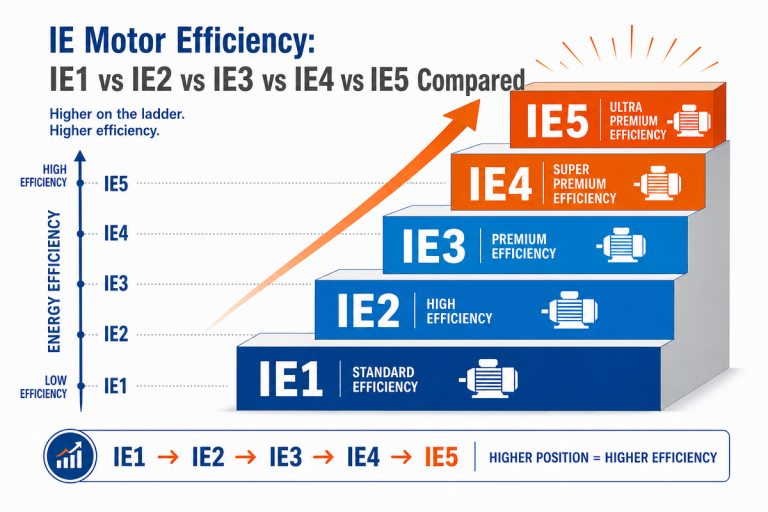
In addition, motor power is also an important reference indicator. It not only affects the energy consumption level of the fan, but is also closely related to the stability of equipment operation and load capacity. Furthermore, different types of motors affect whether intelligent control can be implemented. In the actual selection process, a balance needs to be struck among these three parameters to achieve an efficient, stable and energy-saving design for the greenhouse ventilation system.
How to Choose a Greenhouse Ventilation Fan: Key Factors
1. Greenhouse Size and Air Volume Requirement
The first step in the selection process is always to calculate exactly how much air volume the system requires. The specific approach is to determine based on the greenhouse volume and the targeted ventilation rate. Then, calculate the number of fans that need to be installed and the specifications of each fan.
The setting is also related to the climate and the type of plants. When the plants are sensitive to temperature, a higher and more flexible ventilation frequency is often required. Additionally, the shape and height of the greenhouse also affect the actual demand. In a long and narrow greenhouse compared to a square one, the considerations for the number and layout of fans will be different.
2. Local Climate Conditions
The climatic conditions directly determine the design focus. For humid and hot regions, the tasks will be handling the cooling and reducing moisture in the greenhouse. They often need a larger air supply with wet curtains. In dry regions, it is necessary to keep the humidity level in the greenhouse. More precise airflow control and ventilation frequency are required. Some areas have a large temperature difference between day and night. The systems’ adjustment flexibility becomes vital in these areas.
3. Ventilation System Design
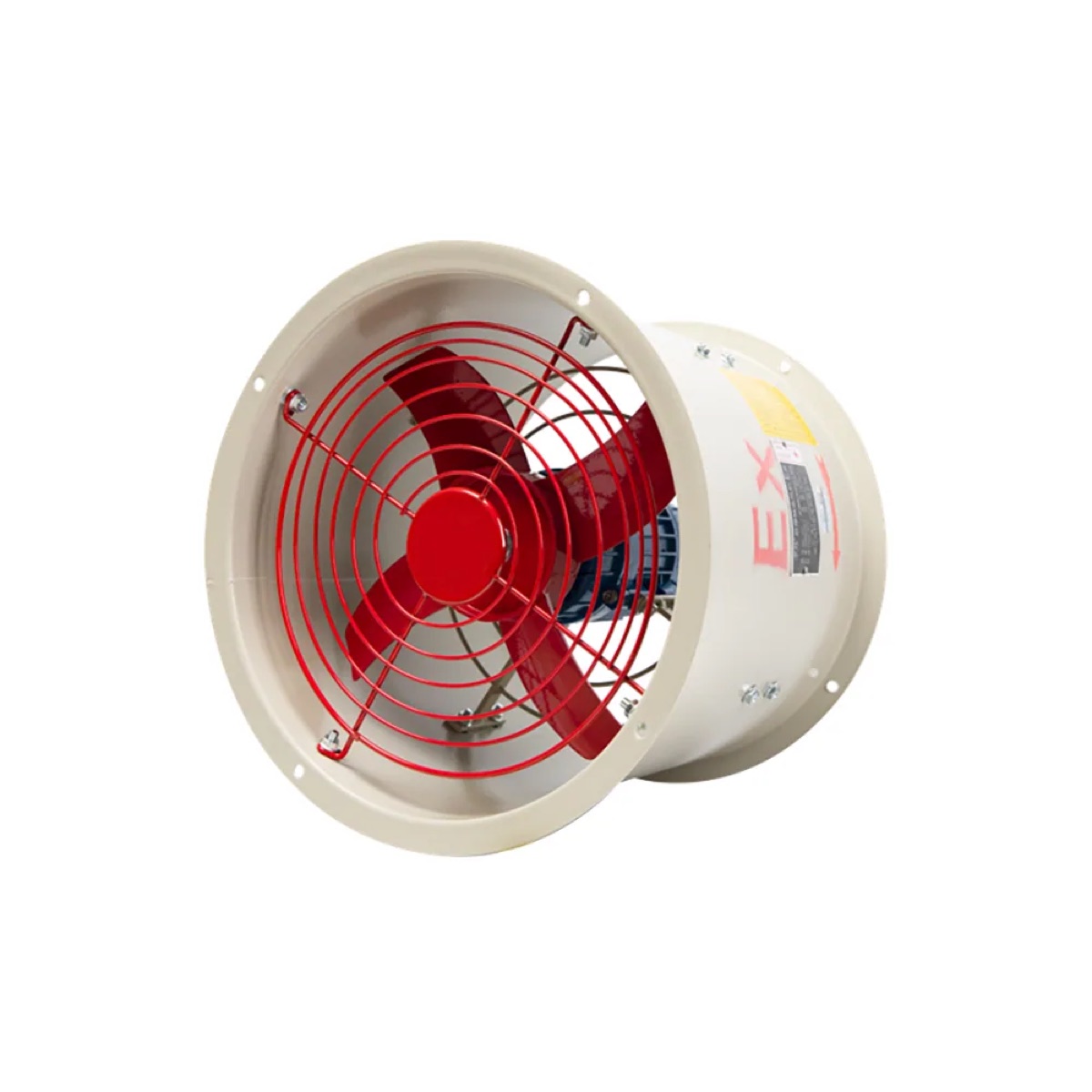
The ventilation system in the greenhouse includes exhaust and circulation systems. One is for intake and exhaust airflow, while the other is for reducing the temperature stratification. These two systems usually need to be used together.
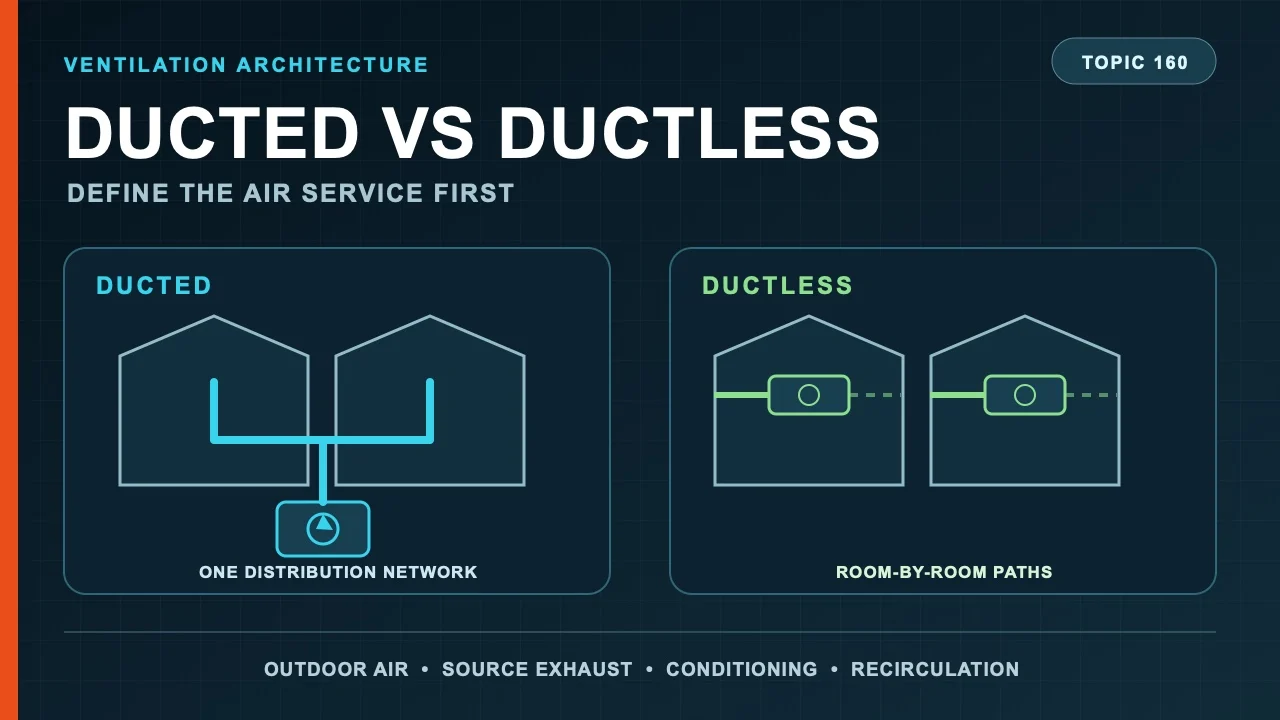
In addition, the choice of positive pressure ventilation and negative pressure ventilation is also a direction that needs to be determined. This will directly affect the overall planning of the fan type, quantity and installation position. It is recommended to clarify the overall ventilation logic of the system before purchasing specific equipment.
4. Installation Method
The installation methods of the fan include suspension installation, wall-mounted installation, and fixed bracket installation. It is also necessary to determine whether the greenhouse structure can bear the corresponding weight and vibration. Additionally, the ease of access for future maintenance should be taken into account.
The humidity in greenhouse is generally higher, which requires a higher level of waterproof protection. It should be considered that there may cause volatilization of pesticides and fertilizers, which could damage the fan. The installation location and the distance from the power source are also factors that need to be taken into consideration.
LONGWELL Greenhouse Ventilation Solution
LONGWELL provides corresponding product solutions for the two core requirements of greenhouse ventilation. LONGWELL produce circulation fan used for solving the ventilation problem in the greenhouse and poultry house. LWPVC series fan equipped with EC motor and adopts advanced energy-saving technology. It is also available in stainless steel material, suitable for high humidity environments in greenhouses. They can provide over 10 years service life.
Refer to the following table for detailed parameters:
| Model | Blades Diameter | Airflow (m³/h) | Power (W) |
| LWPVC-300T(S)-01 | 300 | 2880 | 150 |
| LWPVC-400T(S)-01 | 400 | 4180 | 250 |
| LWPVC-500T(S)-01 | 500 | 5300 | 250 |
| LWPVC-600T(S)-01 | 600 | 6500 | 370 |
LONGWELL Case: Dutch Agriculture Greenhouses
LONGWELL’s client wants to install ventilation system fans for the agricultural greenhouse in a 5-hectare glass greenhouse for tomato cultivation. LONGWELL uses agricultural ventilation fans equipped with EC motors for this intelligent greenhouse. The system can automatically adjust the operating status according to the climate conditions inside and outside the greenhouse. It ensures the ventilation effect while significantly reducing energy consumption. The energy consumption has been reduced by 40% and annual electricity cost saving reaches approximately 25,000 euros.
Climate control is of vital importance for yield. The EC motor fans of LONGWELL can automatically adapt to indoor and outdoor climates, providing the stable growing conditions.
FAQ
How can I determine if my greenhouse requires a ventilation system?
Most small size greenhouse do not need a ventilation systems. Most of the greenhouses that require ventilation systems are large in scale and have ventilation dead zones.
What fan size do my greenhouse need?
- Calculate your greenhouse volume. Measuring the length, width, and average height.
- Choose a fan with a CFM rating equal to or slightly higher than this number.
When should I turn on the fans?
When the temperature rises or humidity increases, you should run the fans. In other cases, adjust ventilation fans according to the weather conditions.