Plug Fan vs.Centrifugal Fan: Understanding the Differences

Table of Contents

In industrial ventilation and HVAC systems, choosing the right fan type plays a critical role in airflow performance, energy efficiency, maintenance costs, and overall system reliability. Plug fans and centrifugal fans are two common fan types used in commercial and industrial airflow projects. However, is a plug fan the same as a centrifugal fan?

At first glance, plug fans and traditional centrifugal fans may appear very similar because both use centrifugal airflow principles. However, they differ significantly in structural design, airflow delivery method, installation style, and application scenarios. Understanding their difference is essential for selecting the most suitable fan for HVAC equipment, air handling units (AHUs), cleanroom ventilation, industrial systems, and other airflow applications.

This guide explores the relationship between plug fans and centrifugal fans, explains their core differences, and compares their for different applications. Whether you are an engineer, OEM manufacturer, HVAC contractor, or facility manager, this article will help you choose the optimal ventilation solution for improved airflow efficiency and system performance.

What is a Plug Fan?

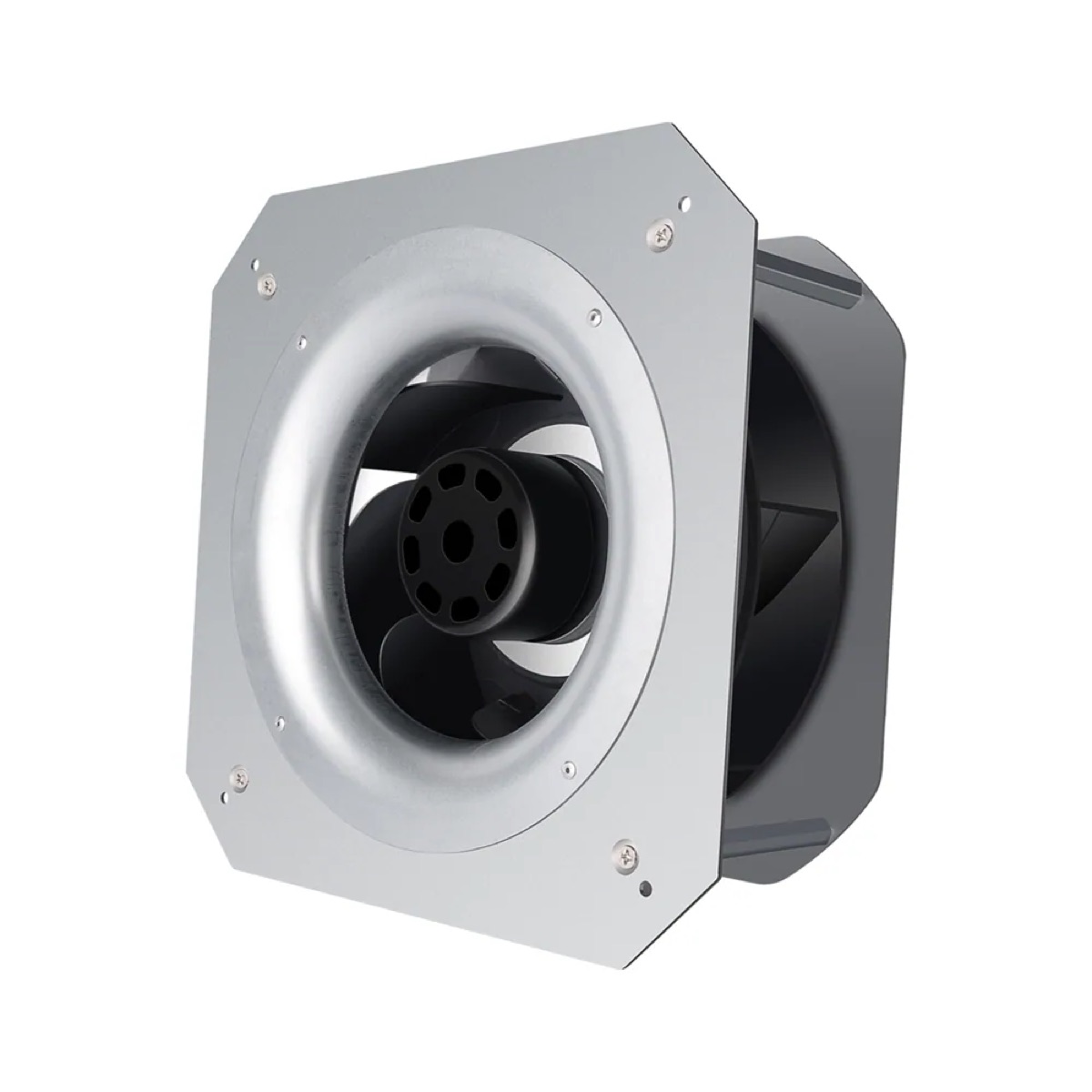
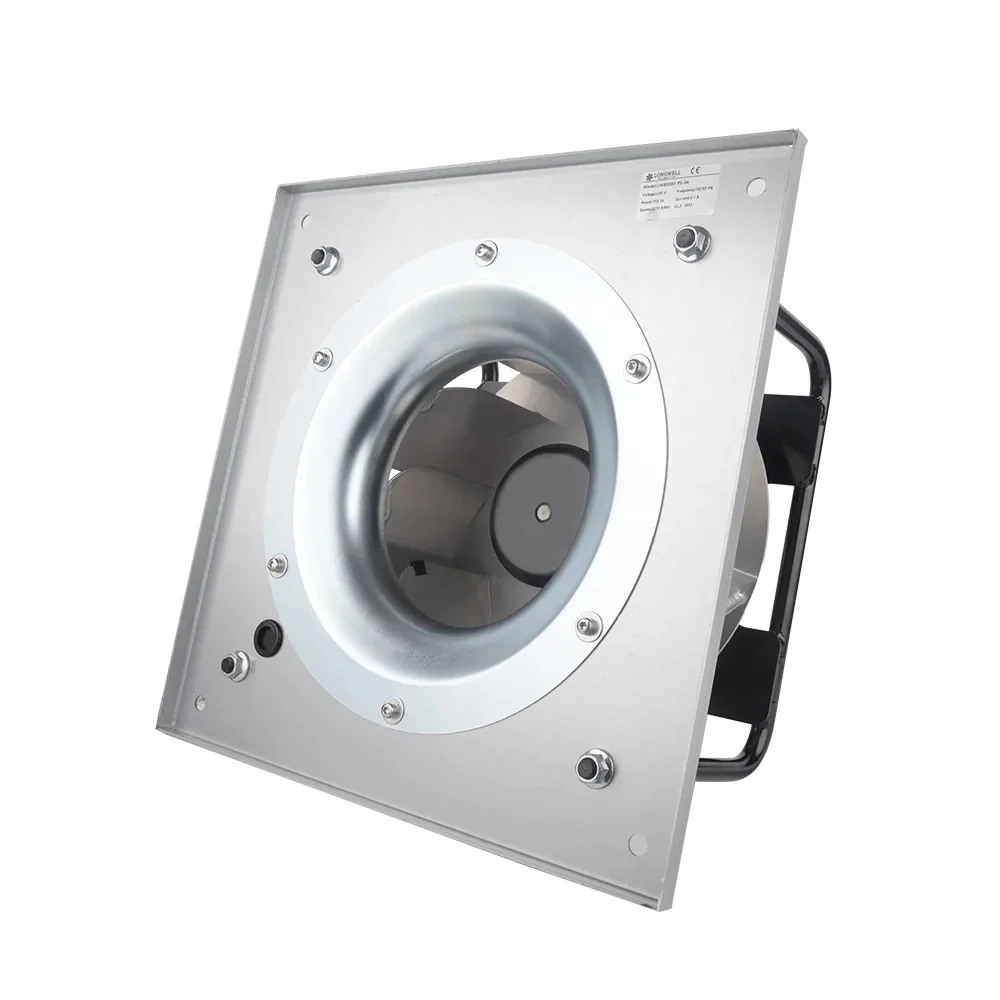
A plug fan, also known as a plenum fan, is a type of centrifugal fan designed without a traditional spiral scroll housing or volute casing. Instead of discharging air through an enclosed casing, the fan operates within a pressurized plenum chamber, air handling units (AHUs), or ventilation cabinets, where the surrounding space guides and distributes the airflow.

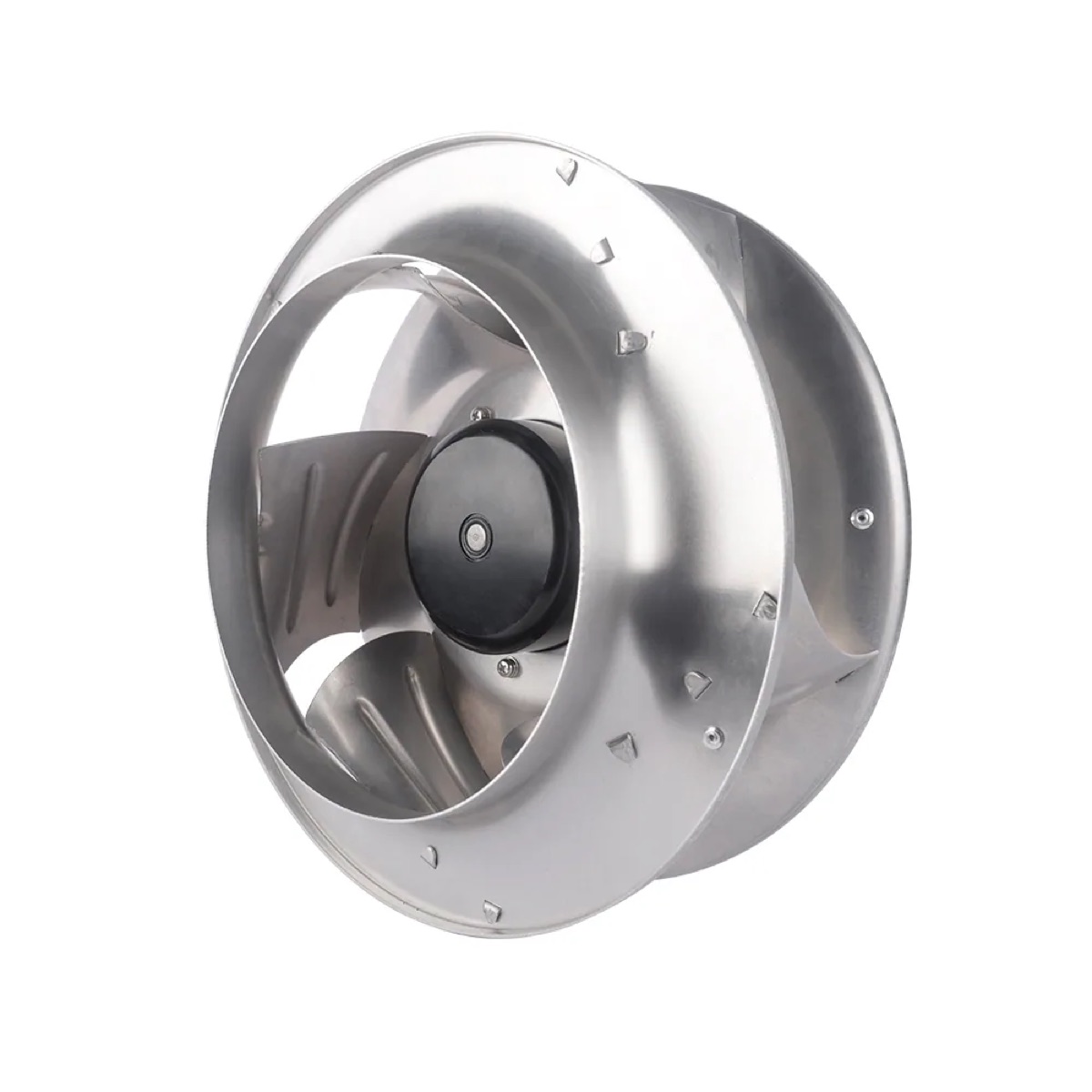
The impeller of a plug fan is typically a high-efficiency backward-curved design directly mounted onto the motor shaft, creating a compact direct-drive structure.

Rather than being enclosed in its own volute casing like a traditional centrifugal fan, the plug fan relies on the surrounding plenum chamber to direct airflow rather than using a spiral casing. This open discharge design allows for more uniform air distribution, flexible installation, and easier integration into modern HVAC systems.

Modern plug fans are especially popular in energy-efficient ventilation systems where space savings, intelligent speed control, and reduced operating costs are important priorities.

Key Insight

A plug fan is essentially a centrifugal impeller that “borrows” the equipment enclosure as its housing. This makes it the most space-efficient centrifugal fan configuration available — but it also means the plenum design directly affects aerodynamic performance.

Plug Fan Features

  • No Scroll Housing: Unlike traditional centrifugal fans, plug fans don’t use a spiral scroll housing. The fan operates directly inside the equipment cabinet or plenum, allowing the surrounding enclosure to guide and distribute airflow.
  • Direct Drive Structure: The motor and impeller are integrated into a single compact assembly. Plug fans usually have no belt or pulleys, so the system can experience lower mechanical losses, reduced vibration, and less maintenance.
  • Backward-Curved Impeller: Most plug fans use backward-curved impellers designed for high aerodynamic efficiency and stable airflow performance.
  • Easy Access and Maintenance: The compact open structure of plug fans allows easier access for cleaning, maintenance, and filter replacement.
  • EC motor Compatibility: Plug fans are often paired with electronically commutated (EC) motors to maximize energy savings and intelligent airflow control. EC plug fans support variable speed operation, lower power consumption, and precise airflow adjustment.
  • Compact Footprint: Because plug fans eliminate the need for bulky scroll housings, they require less installation space, particularly in the airflow direction.

What is a Centrifugal Fan?

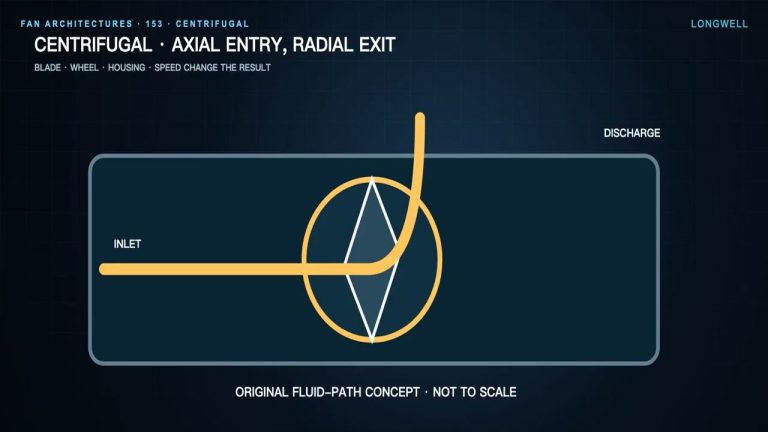
A centrifugal fan, in the traditional sense, is a fan equipped with a spiral-shaped scroll housing, also known as a volute casing. It operates by drawing air into the center of the impeller through the inlet, where the rotating blades accelerate the airflow radially outward using centrifugal force.  

As the air leaves the impeller, it enters the volute casing, and the gradually expanding shape helps collect and direct the airflow toward the discharge outlet. During this process, part of the airflow’s kinetic energy is converted into static pressure, allowing centrifugal fans to generate stronger pressure performance for ventilation applications.

Centrifugal Fan Variations

Centrifugal fans are available in several impeller designs, each engineered for different airflow characteristics, pressure requirements, efficiency levels, and operating environments:

  • Forward-curved (FC) Centrifugal Fans: Forward-curved centrifugal fans use multiple small blades that curve in the direction of rotation, allowing them to deliver high airflow volumes at relatively low rotational speeds. These fans are commonly used in fan coil units, compact air handling equipment, and residential HVAC systems where low noise and compact size are important. They are very suitable for low-to-medium static pressure systems.
  • Backward-curved (BC) Centrifugal Fans: Backward-curved centrifugal fans are widely recognized as the most energy-efficient centrifugal fan design. Their blades curve away from the direction of rotation, reducing airflow turbulence and improving aerodynamic efficiency. These fans feature a non-overloading power characteristic, meaning motor power consumption remains controlled even when airflow volume increases. This provides improved operational safety, lower energy consumption, and reliable performance in medium-to-high pressure ventilation systems. Because of their high efficiency and stable pressure capability, backward-curved fans are commonly used in modern commercial HVAC systems and industrial ventilation applications.
  • Radial Centrifugal Fans: These centrifugal fans are designed for demanding industrial environments involving dust, particles, fibers, or material-laden air streams. While radial fans typically have lower aerodynamic efficiency compared with backward-curved designs, they excel in harsh operating conditions where reliability, strength, and contamination resistance are more important than maximum energy efficiency.

Plug Fan vs. Centrifugal Fan: Key Differences

Although plug fans are technically a type of centrifugal fan, they differ significantly from traditional centrifugal fans. Understanding these differences helps engineers and HVAC professionals select the most effective fan solution for specific ventilation systems.

Structural Design

DimensionPlug FanCentrifugal Fan
HousingNo scroll housingScroll housing included
Impeller TypeBackward curvedForward or backward curved
Drive TypePredominantly direct driveBelt-driven or direct drive
Typical MotorOften EC motorsAC/EC/DC motors

Energy Efficiency

Plug fans are generally more energy-efficient, especially when combined with EC motors and variable speed control systems. Because there are fewer transmission losses from belts or pulleys, direct-drive plug fans can significantly reduce power consumption.

Centrifugal fans can still achieve excellent efficiency, especially with backward curved impellers, but older belt-driven systems often consume more energy.

Static Pressure Performance

Centrifugal fans are typically better for high static pressure applications. Their scroll housing helps convert airflow velocity into pressure more effectively, making them ideal for long duct systems or resistance-heavy environments.

Maintenance Requirements

Plug fans usually require less maintenance because they are direct-driven and have fewer moving parts.

Noise Levels

Plug fans generally operate more quietly, especially EC plug fans with optimized blade geometry.

Their smoother airflow and lower vibration characteristics make them ideal for noise-sensitive environments.

Plug Fan vs. Centrifugal Fan Applications

Plug fans and traditional centrifugal fans are both widely used in ventilation and air movement systems, but their design differences make them suitable for different operating environments and airflow requirements.

When to Use Plug Fans?

Because of their compact size, high efficiency, low noise operation, and compatibility with EC motor technology, plug fans are widely used in:

  • Air handling units (AHUs)
  • Fan wall arrays in large AHUs and data centers
  • Fan coil units (FCUs) with compact cabinet constraints
  • Data center in-row / in-rack cooling
  • Cleanroom recirculation air systems
  • Commercial HVAC systems
  • Pharmaceutical ventilation

When to Use Centrifugal Fans?

Because of their ability to produce stable airflow and high static pressure, centrifugal fans are widely used in:

  • Industrial dust collection and fume extraction
  • High-pressure ducted ventilation systems
  • Boiler forced draft / induced draft
  • Industrial ventilation systems
  • HVAC equipment
  • Factory exhaust systems
  • Material handling applications
  • Commercial air movement systems

EC Technology in Plug Fan and Centrifugal Fan

EC motors are essentially permanent-magnet synchronous motors with integrated variable-speed electronics – combining the efficiency of DC motors with the reliability and grid compatibility of AC motors. Both plug fans and traditional centrifugal fans can be integrated with EC (Electronically Commutated) motor technology to achieve higher energy efficiency, smarter airflow control, and improved overall system performance.

Compared with conventional AC motor fans, EC fans provide more precise speed regulation, lower power consumption, reduced operating noise, and longer service life.

Modern EC fan solutions are widely used in commercial HVAC systems, air handling units (AHUs), data center cooling, cleanroom ventilation, and industrial airflow applications where energy savings and intelligent control are critical.

EC Fan Size Selection for Different Applications (LONGWELL Guide)

  • Small EC Fan Modules (Approx. 250–560mm): Smaller EC plug and centrifugal fan models are often the preferred choice for retrofit projects because they are easier to handle, install, and integrate into existing AHU structures. For smaller EC plug fan sizes (typically 250mm to 560mm), spider mounting systems are commonly used. (LONGWELL Fan Model Recommended: LWBE Series).
  • Large EC Fan Modules (Approx. 630–900mm): For higher-capacity applications, larger EC fan models ranging from 630mm to 900mm are available. These fans are typically designed with a cube-style housing, making them suitable for floor-mounted installation in large AHU systems and other airflow systems.

Advantages of EC Motor Technology

Modern EC fans typically include built-in intelligent control functions such as:

  • 0–10 V speed control
  • PWM speed regulation
  • Constant airflow control
  • Modbus or smart building integration
  • Soft start and motor protection features

Compared with traditional AC motor fans, EC fans can achieve:

  • Up to 50% lower energy consumption
  • Reduced operating noise
  • Higher motor efficiency
  • Lower heat generation
  • More precise airflow adjustment
  • Reduced maintenance requirements

As energy regulations and HVAC efficiency standards continue to evolve, EC plug fans and EC centrifugal fans are becoming the preferred choice for modern ventilation systems focused on sustainability, energy savings, and intelligent airflow management.

LONGWELL EC Advantage

At LONGWELL, EC motor technology is at the core of our plug fan, centrifugal fan, and cross flow fan product lines. Every EC fan we manufacture is designed, assembled, and tested in-house at our ISO-certified facility in Yuyao, Zhejiang – with full traceability from winding to final performance validation.

  • High-Efficiency EC Motor: Integrates AC power stability and DC motor efficiency with over 90% energy conversion efficiency, saving 30-50% energy compared to traditional fans.
  • Precise Speed Control: LONGWELL EC fans support stepless speed regulation, PWM/0-10V control, and smart automation integration, enabling accurate airflow management for different operating conditions.
  • Longer Service Life: Brushless EC motors reduce mechanical wear and maintenance requirements, providing stable long-term operation and extended product lifespan even in demanding industrial environments.
  • Reliable Global Quality Standards: Every LONGWELL EC fan is manufactured under rigorous quality management systems and certified to international standards including CE, RoHS, UL, ETL, EMC, and ISO, supporting seamless global market access.
  • Strong OEM/ODM Manufacturing Capability: LONGWELL provides customized airflow solutions, including fan size optimization, voltage adaptation, intelligent control customization, and application-specific engineering support for global OEM customers.
  • Fast & Responsive Technical Support: Professional engineering assistance, rapid sample support, and responsive customer service help customers accelerate project development and reduce procurement risks.

FAQs

Is a plug fan the same as a plenum fan?

Yes, in most HVAC applications, “plug fan” and “plenum fan” are often used interchangeably. Both refer to centrifugal fans designed to operate without a traditional scroll housing. Instead, they are installed directly inside an air handling unit (AHU), plenum, or ventilation chamber.

Can a plug fan replace a centrifugal fan in an existing system?

Yes. Plug fans are commonly used to retrofit traditional belt-driven centrifugal fans in existing HVAC and AHU systems.

Which fan type is more energy efficient?

Plug fans – especially EC plug fans – are typically more energy efficient than traditional centrifugal fans.

What are the advantages of plug fans?

Plug fans provide high energy efficiency, compact direct-drive design, low maintenance, quiet operation, and flexible intelligent airflow control for modern HVAC and ventilation systems.

Get A Quote


    Recent Articles