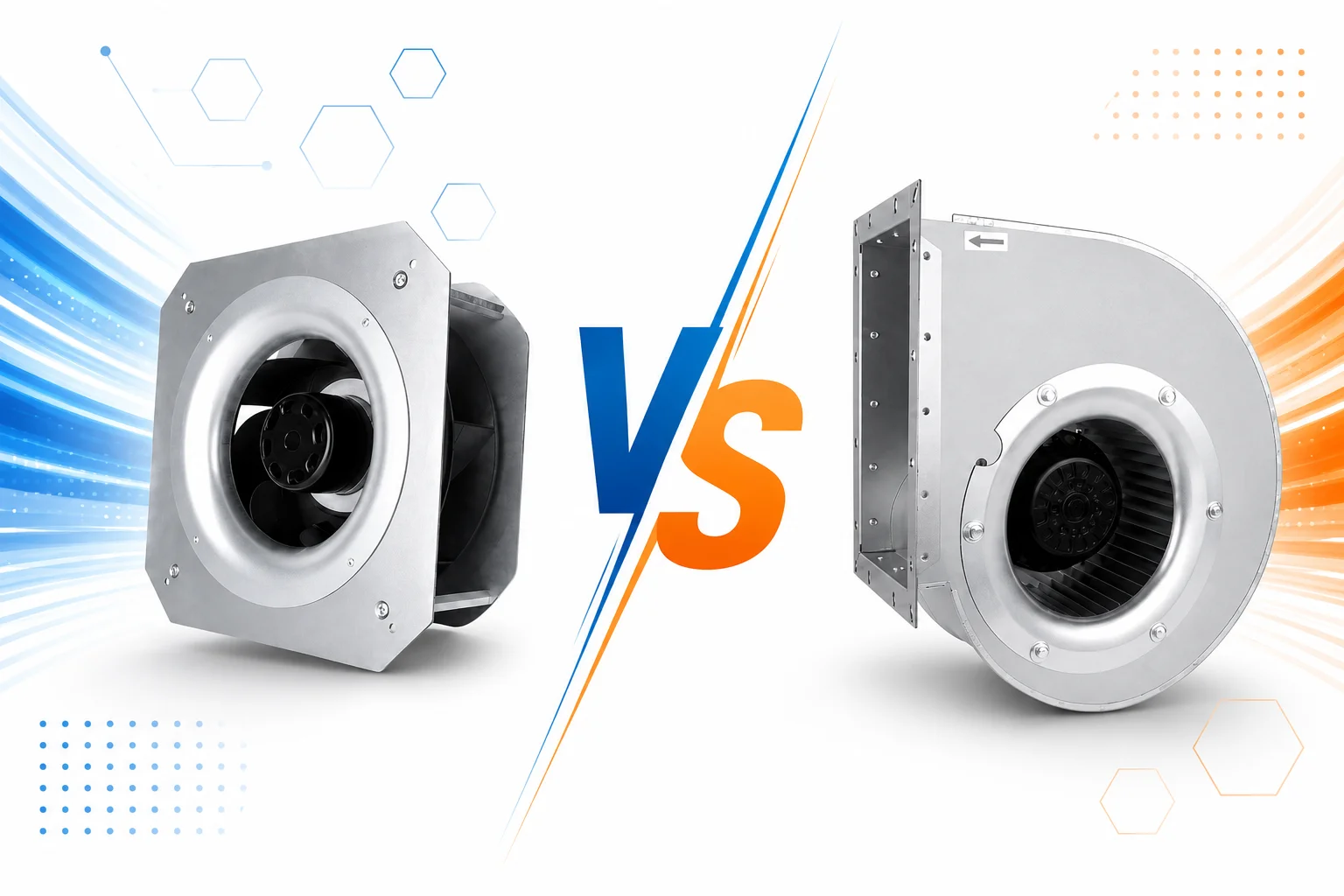
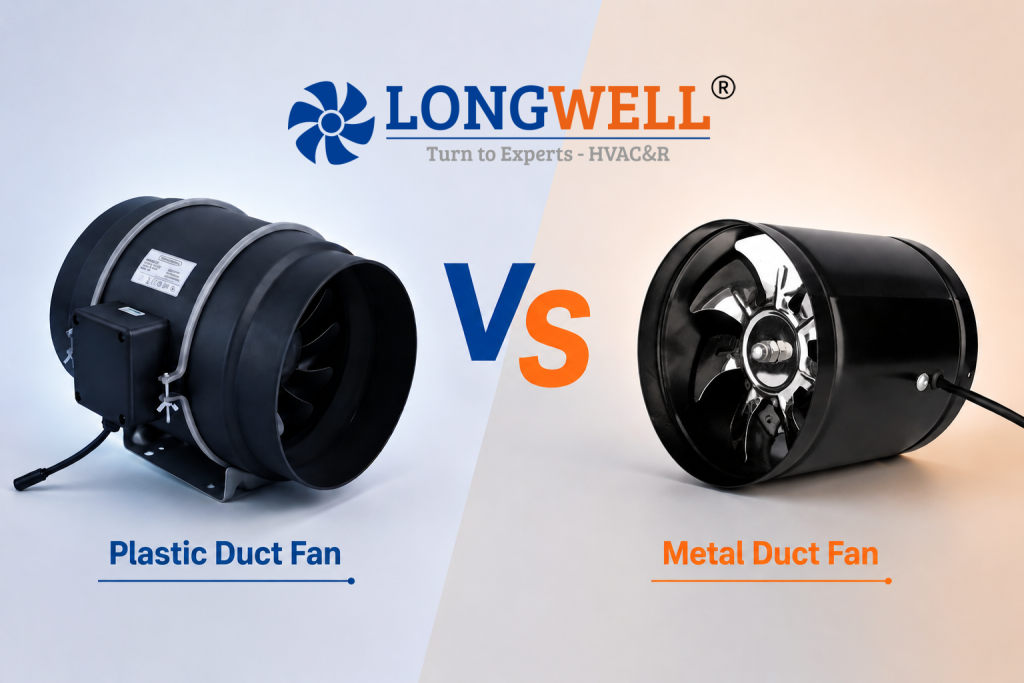
In industrial ventilation systems, ducts are usually quite long, and system resistance is relatively high. Duct fans play a crucial role in providing efficient airflow and pressure within the ducts. Due to the different material properties, the performance of duct fans varies significantly. These directly affect vibration behavior, temperature resistance, durability, and energy efficiency, etc. Both plastic and metal duct fan solutions are the most commonly used. When choosing between metal and plastic duct fans, only based on the material preferences is not enough. The decision should match the industrial requirements and working conditions. This article conducts a comprehensive comparison of metal and plastic duct fans, covering their main differences, application scenarios, and selection guidelines, to assist engineers and system designers in choosing the most suitable industrial solution.
Understanding Duct Fan Materials
A duct fan is a power device installed inside a ventilation duct. Its function is to achieve efficient air circulation within the duct, allowing air to flow over long ducts. This fan has a compact structure and can provide a large volume of air. It is suitable for spaces that require continuous ventilation. Duct fans are often used in situations where noise control and efficient air flow transmission are required.
What is Metal Duct Fan?
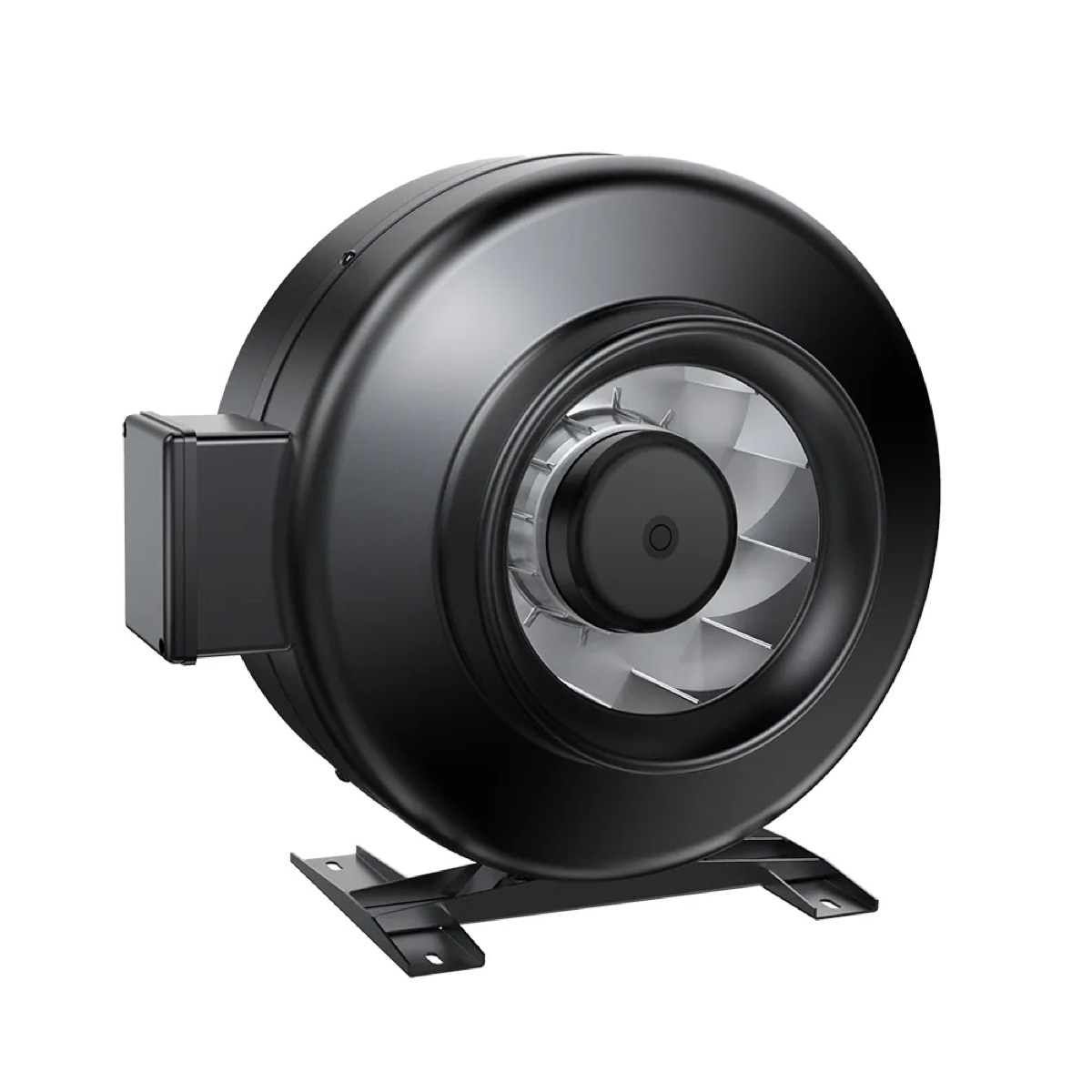
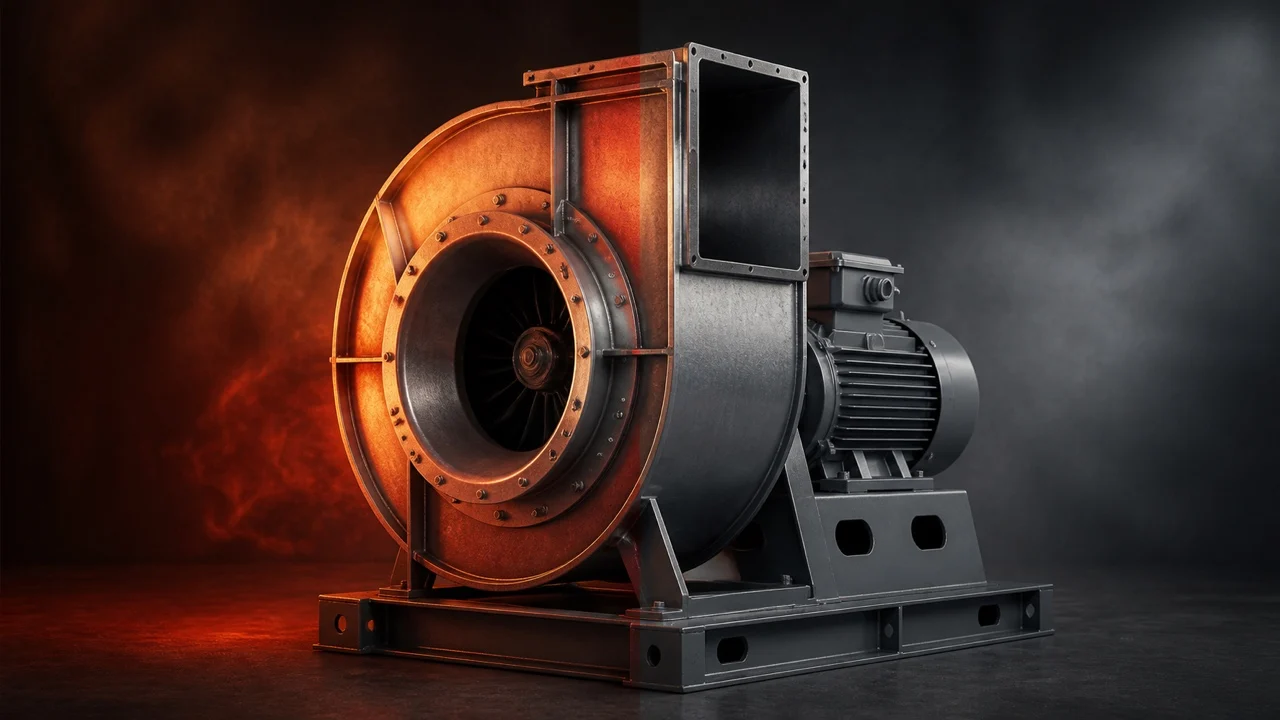
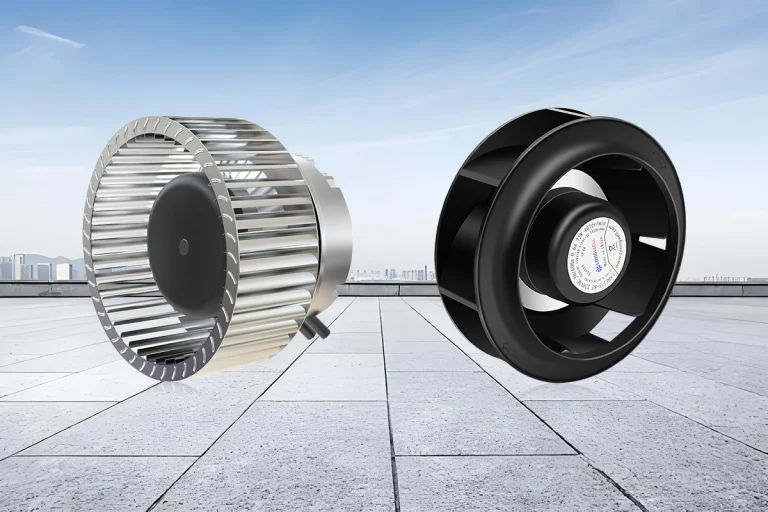
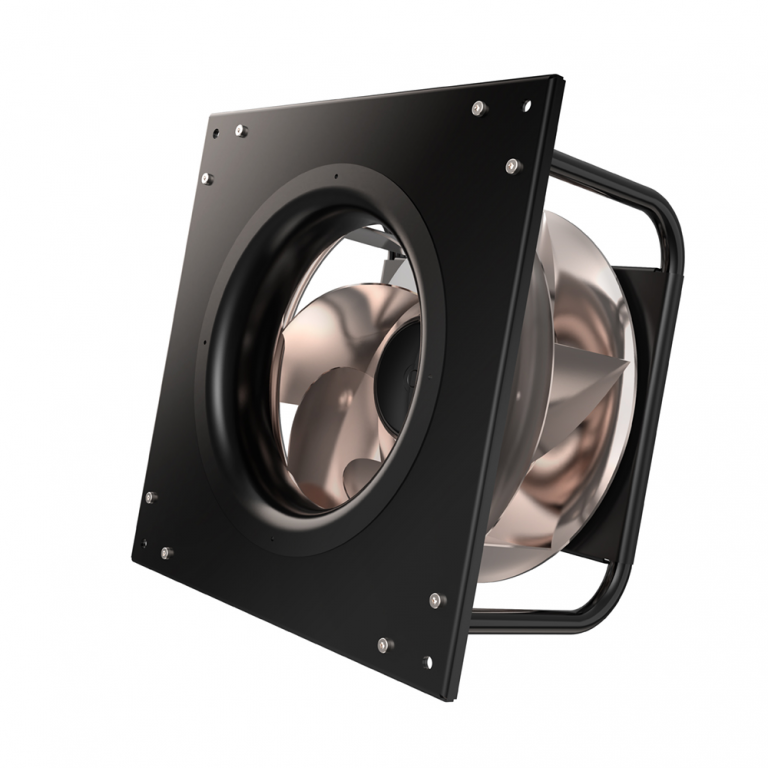
Metal duct fans are usually made of galvanized steel, stainless steel, or aluminum alloy. Their structure is more rigid, enabling them to withstand higher mechanical loads. This characteristic makes them more stable in large industrial ventilation systems.
What is Plastic Duct Fan?
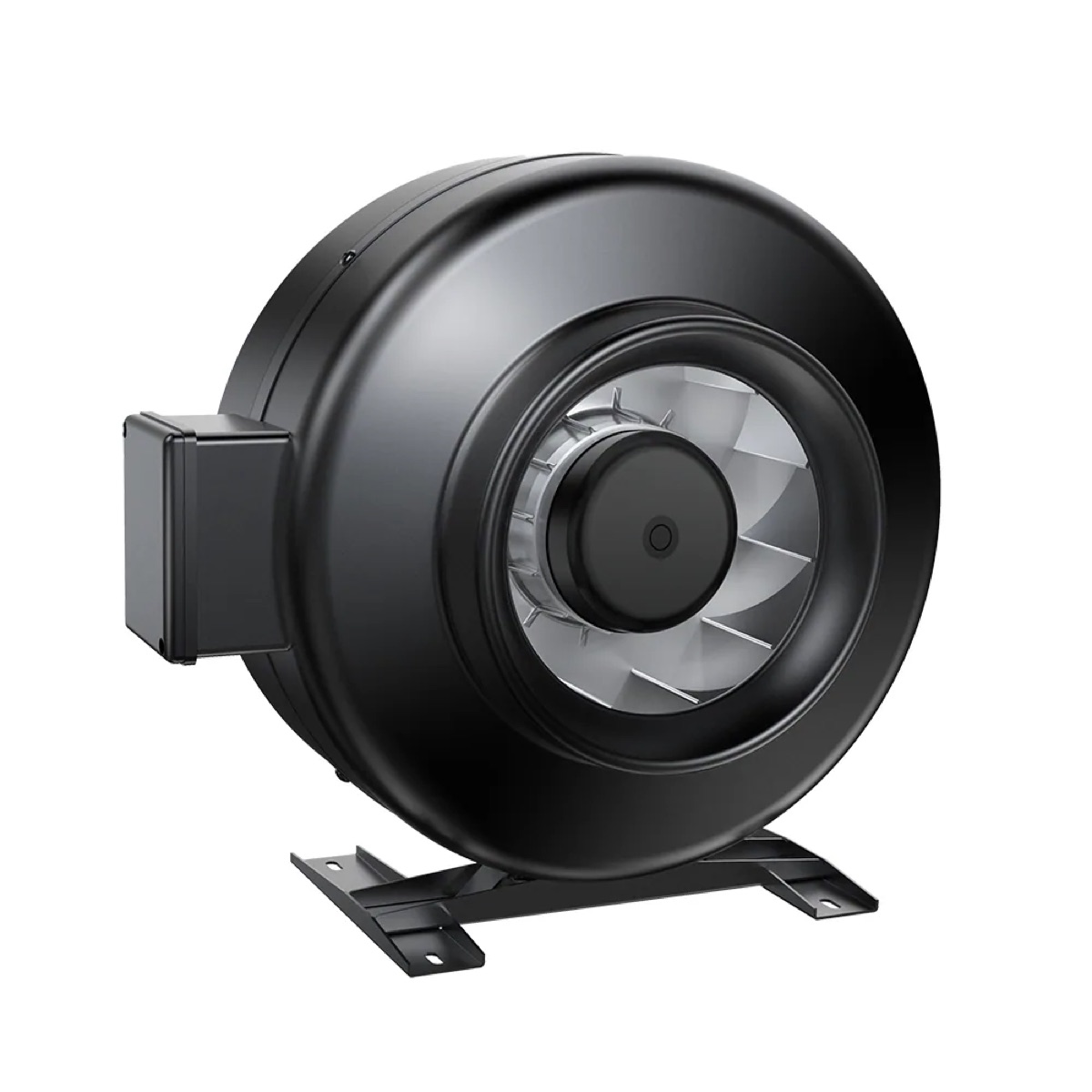
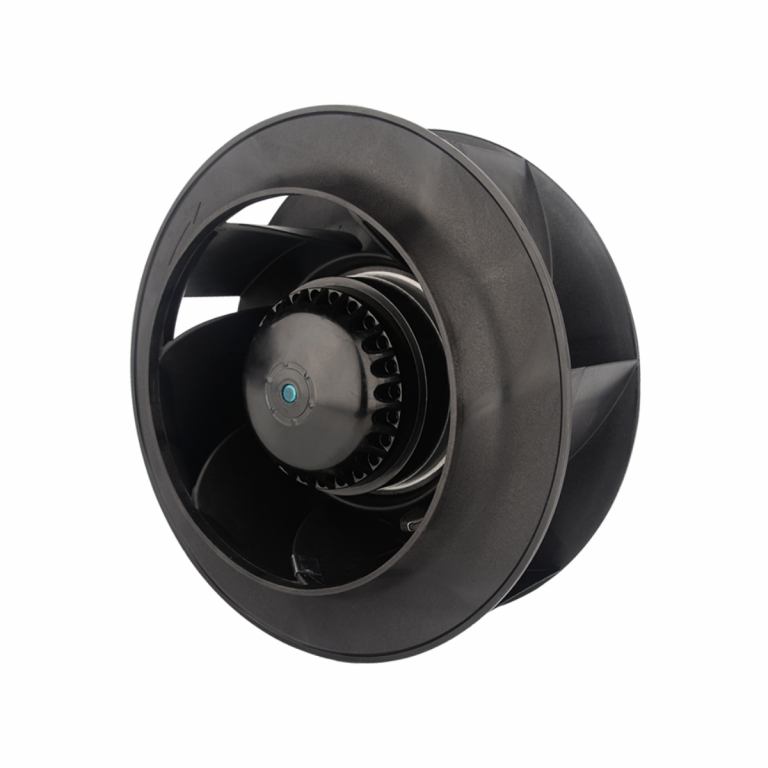
Plastic duct fans are mostly made of engineering plastics such as PP, PE, PA + GF30 reinforced, as the material. The material properties determine its light weight and its natural corrosion resistance. It is flexible in processing, but reduces the structural strength.
Metal Duct Fan vs Plastic Duct Fan: Key Differences
In industrial ventilation, duct fans are used for transporting and exhausting air. Due to the material properties, there are obvious differences between a metal duct fan and a plastic duct fan.
Vibration and Noise

From a physical perspective, metals have high density and are therefore more stable. When one cannot achieve dynamic balance, resonance noise might be caused by vibration transmission between metals.
Plastic duct fans have a natural advantage in absorbing vibrations. It is because plastic has inherent damping properties. At the same rotational speed, the plastic duct fan can be quieter.
However, no matter whether plastic or metal duct fans, they can achieve extremely low noise levels by precise machining. LONGWELL designs and manufactures super-silent metal and plastic duct fans. The lowest noise level of the LWDA series duct fan can be as low as 30 dBA.
Fan Blades Durability
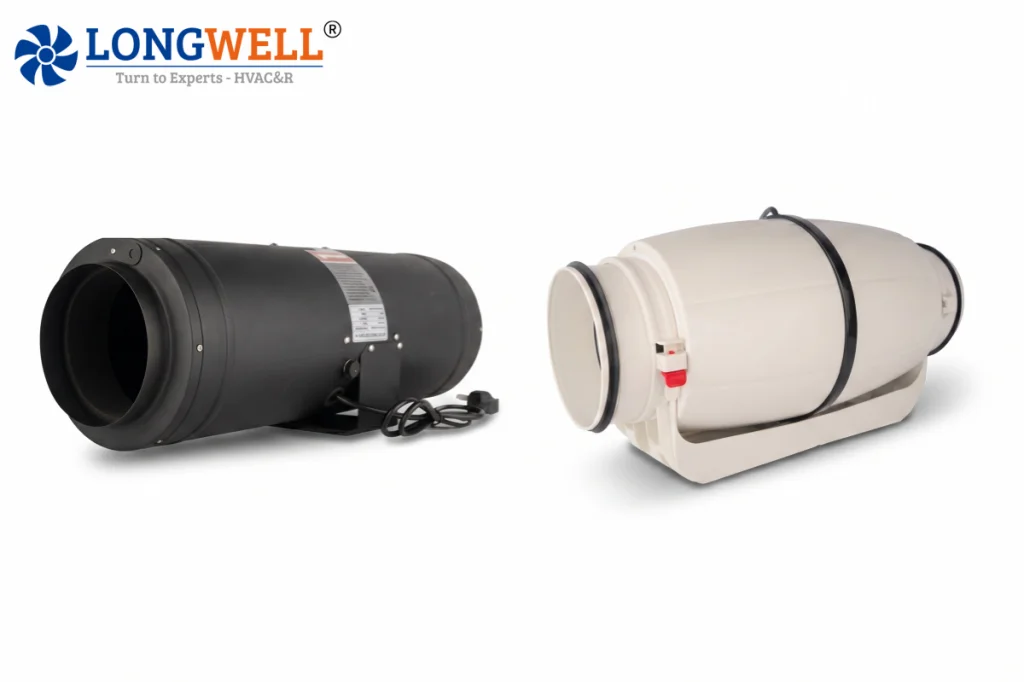
The metal blades possess extremely high hardness and resistance to deformation, especially when exposed to dust or particles. The plastic blades are facing the challenge of long-term fatigue and aging. When used in strong ultraviolet radiation situations, the plastic material may become brittle. The chemical stability of plastics is stronger than that of metals. Therefore, when dealing with corrosive media, more engineers tend to choose plastic duct fans. The metal blades are highly susceptible to corrosion.
Temperature Resistance
The temperature resistance is the most crucial difference between a plastic duct fan and a metal duct fan. A metal duct fan can maintain the integrity of its physical structure at higher temperatures. As a result, it is more suitable for extreme industrial environments like high-temperature smoke exhaust and boiler auxiliary operations.
Plastic duct fans are limited by the melting point of the material and are generally suitable for moderate and low-temperature environments. Once the environmental temperature exceeds their rated range, the plastic components are prone to softening and deformation. It is easy to cause the equipment to stop operating or result in safety accidents.
Metal and Plastic Duct Fan: Industrial Applications
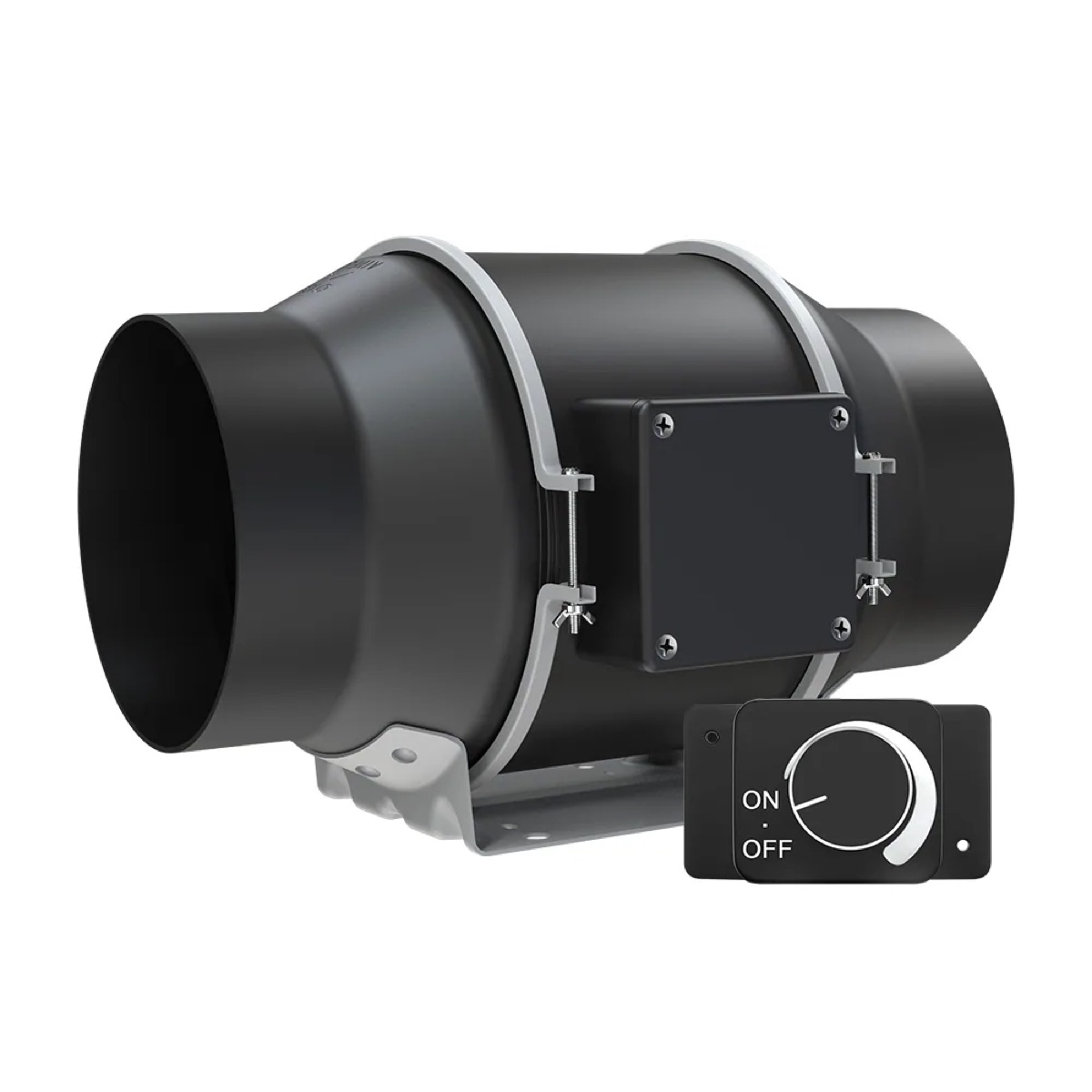
When to Use Metal Duct Fan
Metal duct fans are the preferred solution for their outstanding rigidity and high-temperature resistance. They maintain stable performance under high static pressure. They are particularly suitable for industrial applications where long-term durability and continuous operation are essential.
- Industrial HVAC: This system usually has long ducts, which need to withstand high static pressure and strong system resistances. A metal duct fan can provide a more stable static pressure output, ensuring the efficiency of long-distance air distribution.
- Dust Collection and Exhaustion: Due to the fact that these environments usually involve high particle loads and air flow resistance, metal duct fans possess greater structural stability and impact resistance. LONGWELL duct fan’s static pressure can reach 3,000 Pa. It is high enough to move air through long ducts and filters.
- High-temperature Industry: For instance, in boiler rooms, metallurgical production lines, heat treatment workshops, and industrial flue gas systems, metal duct fans are standard equipment. Their metal structure can withstand the emission of high-temperature gases without deformation or performance degradation. Additionally, they also have strong durability for operating for a long time under extreme conditions. The specially designed LONGWELL metal duct fans can work in temperatures ranging from 150 to 350°C.
- Industrial Drying: Such applications usually require continuous or high-volume air flows to accelerate moisture evaporation or material curing. Metal duct fans are commonly used in textile treatment, wood drying, and industrial coating drying processes.
When to Use Plastic Duct Fan
The plastic duct fan has unique advantages in chemical resistance and corrosion prevention, making it the ideal solution for a specific environment. In addition, when energy efficiency and cost control are important considerations, plastic duct fans offer a practical and efficient solution.
- Chemically Corrosive Environment: The acidic vapors or alkaline droplets usually appear in the exhaust systems. These will lead the metal duct fan to rapidly undergo oxidation and rusting. By contrast, the plastic duct fans can maintain long-term chemical stability, significantly reducing equipment maintenance costs.
- High Humidity Industry: When workshops are extremely high in humidity or located near the coastal, plastic duct fans can avoid the problem of rust. They ensure that the equipment has a longer service life in harsh environment conditions.
- High Requirements of Noise Reduction Industry: If there are strict requirements for vibration isolation and noise control at the installation location, plastic fans can often provide a quieter operating environment. The characteristics of plastic materials ensure that it is quieter than metal duct fans.
Metal Duct Fan vs Plastic Duct Fan: Industrial Selection Guide
1. Operation Environment Assessment
- Material composition assessment: If the working environment involves corrosive acidic or alkaline gases, or high salt spray, using the plastic duct fan is better. Metal duct fans are suitable for high air volume and high temperature industries.
- Environment limitations: In areas where extremely strict noise level is required and vibration control is necessary, the natural damping properties of plastic materials are more suitable. While metal duct fans are designed for heavy industrial scenarios where high mechanical robustness is demanded.
2. Evaluation Indicators
The following table can give a quick review of how to choose between a metal duct fan and a plastic duct fan.
| Key Indicators | Metal Duct Fan | Plastic Duct Fan |
| Material | Galvanized steel, stainless steel or aluminum alloy | PP, PE, PA + GF30 reinforced |
| Weight | Heavier | Lighter |
| Static Pressure | Medium to Higher | Lower to Medium |
| Noise Level | Higher | Lower |
| Temperature Range | Wider range | Limited |
| Media Chemical Properties | Need coating | Ideal for humid and corrosive media |
| Durability | Longer | Shorter |
3. Cost and Maintenance
From a long-term cost perspective, plastic duct fans typically have lower procurement costs and maintenance costs. They are easier to install, making them suitable for projects with limited budgets or simpler maintenance conditions.
Although the metal duct fans have a higher initial cost, they have a longer service life. They own better reliability in high-intensity industrial environments. When considering the long-term operation, they are a more economical choice.
LONGWELL Metal and Plastic Duct Fan
LONGWELL LWDE3G series plastic duct fans use an EC motor, which is equipped with an intelligent controller. The product is made of PP engineering plastic material, which has excellent corrosion resistance and anti-aging properties. Compared to AC motors, EC motor achieve precise speed control and are more energy efficiency. In terms of aerodynamic performance, this fan can adapt to longer ducts and higher system resistance application environments while maintaining stable operation. In addition, the combination of the plastic body and the low-vibration characteristics of the EC motor results in lower noise levels during operation, making it more suitable for places with acoustic requirements.
LONGWELL duct fan includes various models driven by EC, DC, and AC motors. There are also ultra-quiet metal and plastic duct fans specifically designed for applications requiring low noise and high efficiency. Intelligent control can be equipped to adjust the duct fan speed.
FAQs
Which type of duct fan is better? Metal or Plastic?

There is no absolute answer. Whether choosing a metal or plastic duct fan depends on the industrial environment. Selecting the right duct fan needs to match the duct fan performance with your requirements.
Does LONGWELL offer the customized duct fan?
Yes. LONGWELL offers customized duct fan solutions. Clients can customize fan airflow, size, and material to ensure the fan is the best fit for applications.
Do duct fan with plastic blades last longer than metal blades?
Not always. The duration of duct fan blades depends on their working environment rather than the material. Plastic blades perform better and longer in corrosive and humid environments because they do not rust. In high-temperature and heavy-duty industrial operations, metal blades perform better and are more durable.
Which type of blade has a higher efficient?
Plastic blades are more efficient under low to moderate static pressure. For high static pressure conditions, metal blades will be more efficient.