Axial Fans 101: Complete Guide to Types, Applications and Selection
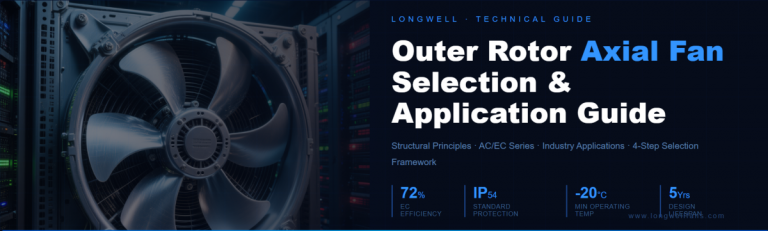
When it comes to moving large volumes of air efficiently, Axial Fans are the undisputed backbone of thermal management and ventilation. From keeping massive data centers cool to ventilating commercial HVAC systems, these fans are engineered to deliver high airflow at low pressure.
But with changing energy regulations and advancing motor technologies, selecting the right fan is no longer just about matching dimensions. Whether you are an engineer designing a new cooling system or a purchasing manager sourcing reliable components, this guide covers everything you need to know about axial fan technologies.
How Do Axial Fans Work?
Unlike centrifugal fans that expel air at a 90-degree angle, axial fans draw air in and push it out parallel to the axis of the blade rotation. The design is simple but highly effective for creating a high flow rate (CFM) with relatively low energy consumption.
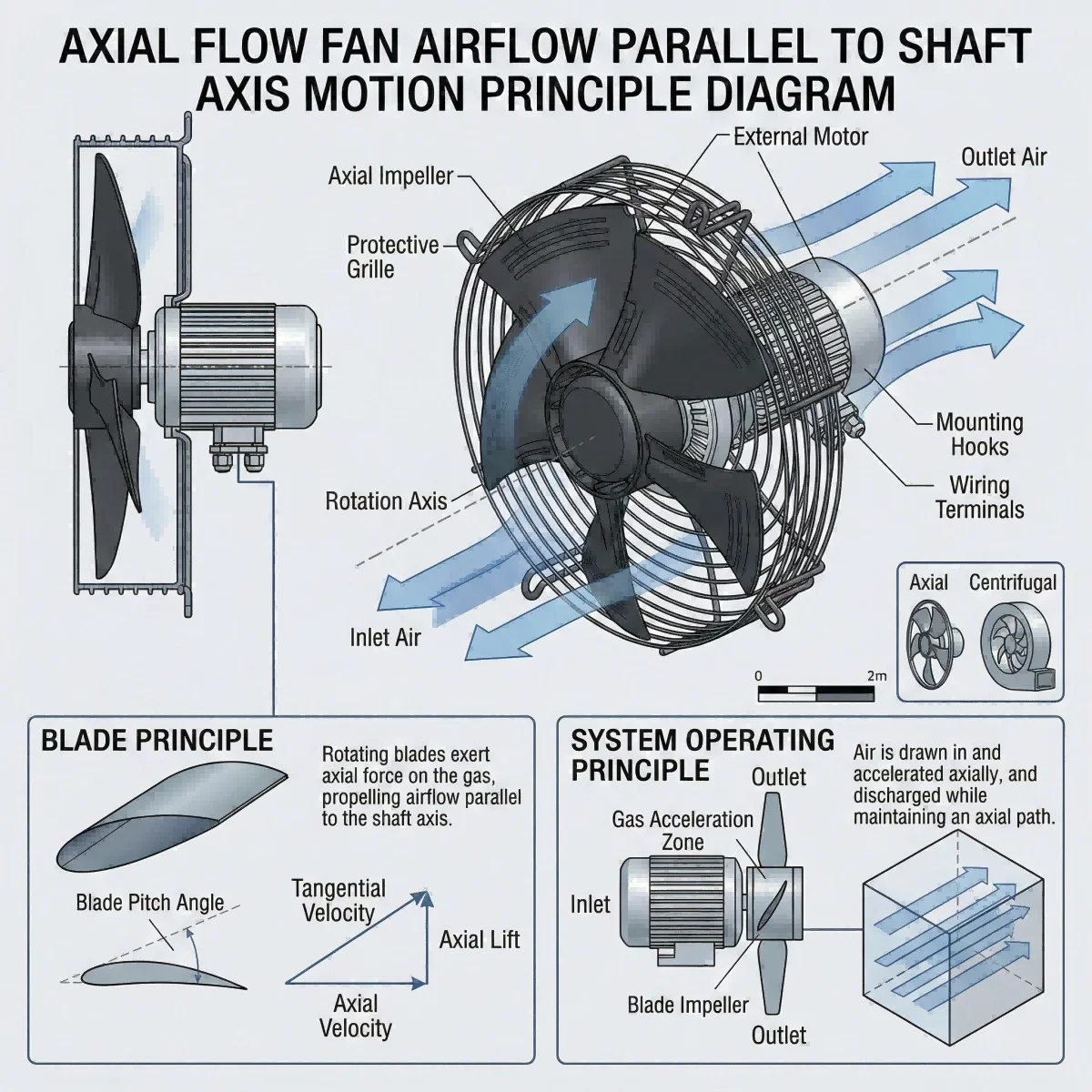
Because they prioritize volume over high static pressure, an Axial Cooling Fan is typically the go-to solution for exhausting heat from enclosures, cooling electronic arrays, and general ambient ventilation.
轴流风机的三大核心类型
区分现代轴流风机最主要的方式是驱动叶片的电机技术。以下是三大主流类型的详细拆解:
1. AC Axial Fan (Alternating Current)
The traditional workhorse of the industry. An AC Axial Fan connects directly to standard wall voltage (typically 115V or 230V) without the need for power converters.
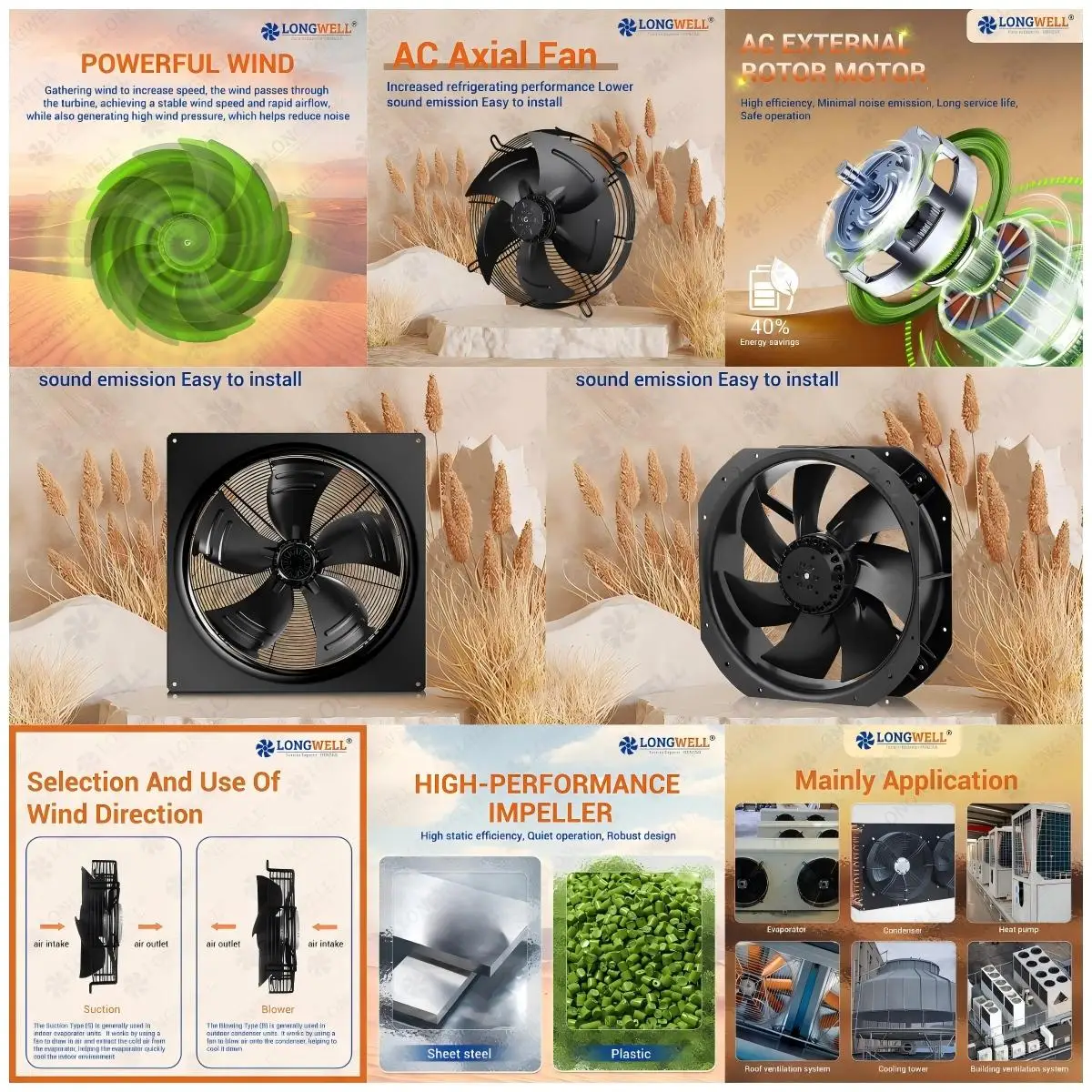
· Pros: Extremely reliable, straightforward installation, and generally lower upfront costs.
· Cons: They operate at a fixed speed (dependent on the frequency of the power supply) and are less energy-efficient compared to modern alternatives.
· Best for: Applications where power efficiency and speed control are not critical, and simple, continuous operation is required.
2. DC Axial Fan (Direct Current)
Powered by direct current (usually 5V, 12V, 24V, or 48V), a DC Axial Fan utilizes an internal PC board to control the motor.
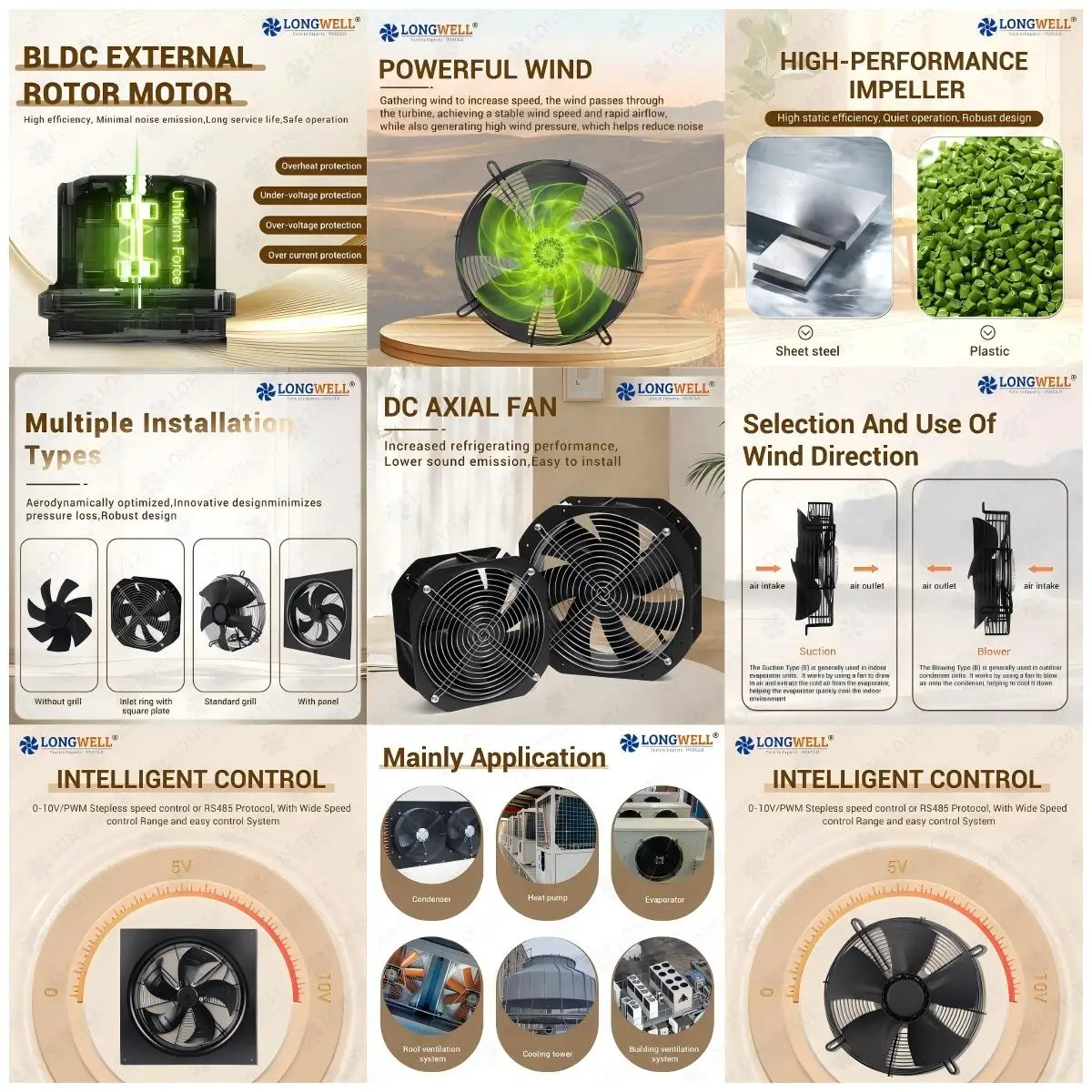
· Pros: Highly efficient, generates minimal electromagnetic interference (EMI), and allows for precise variable speed control. They also consume about 30% less power than AC equivalents.
· Cons: Requires a power supply unit (AC to DC converter) if standard AC power is the only source available.
· Best for: Telecom equipment, computers, medical devices, and precision electronic enclosures.
3. EC Axial Fan (Electronically Commutated)
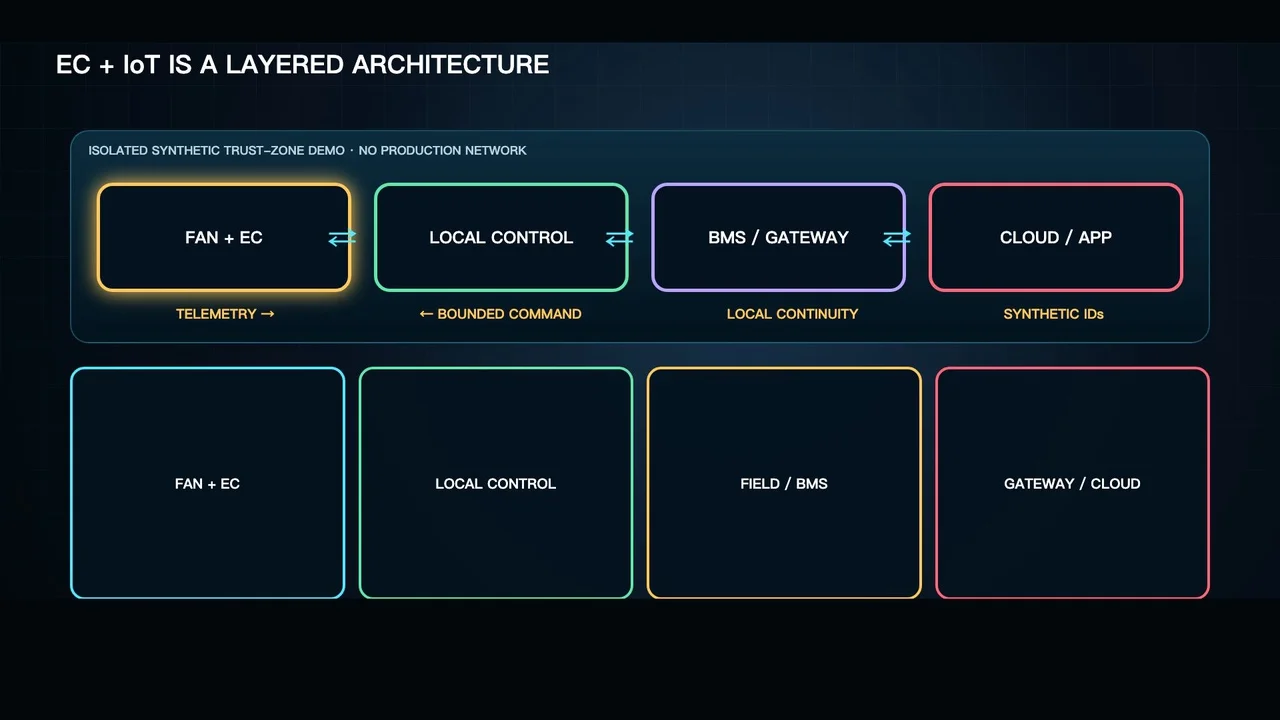
The industry standard for modern, high-performance applications. An EC Axial Fan essentially houses a brushless DC motor but features integrated electronics that allow it to connect directly to an AC power supply.
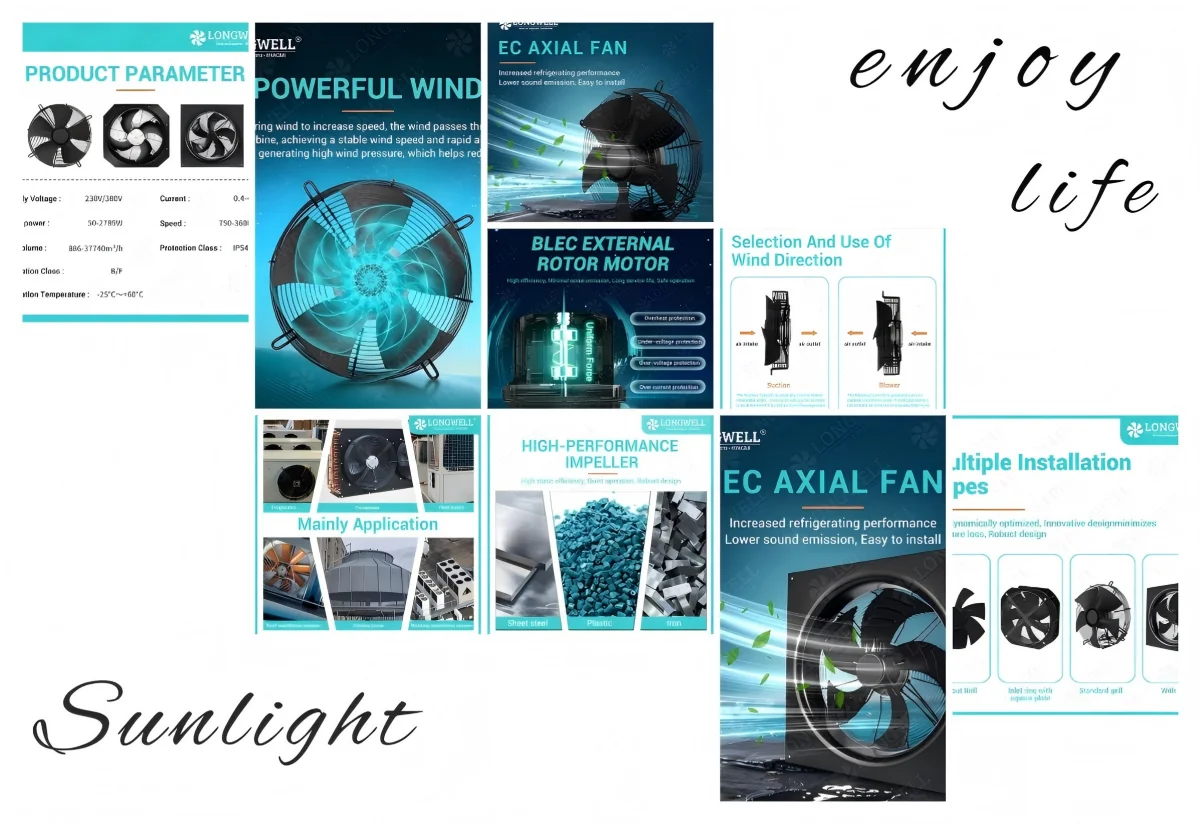
· Pros: Offers the incredible energy efficiency and precise speed control of a DC fan, but with the plug-and-play convenience of an AC fan. They easily meet and exceed strict global ErP (Energy-related Products) directives.
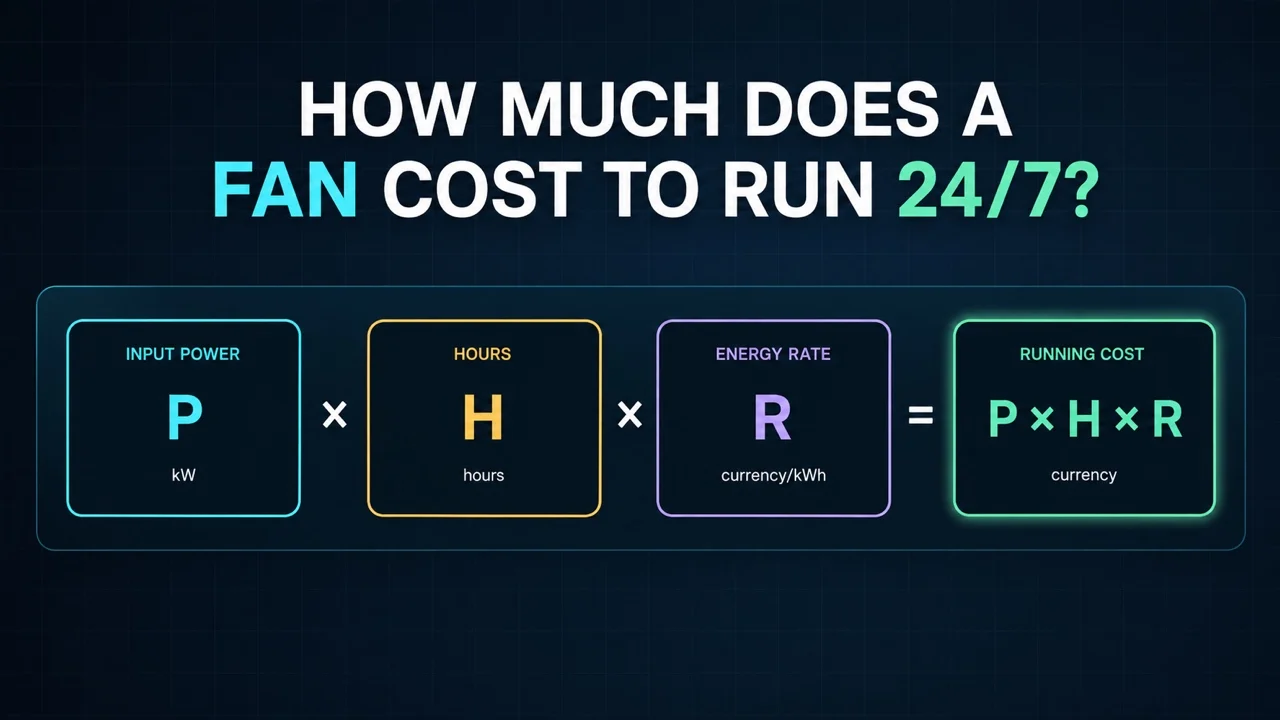
· Cons: Higher initial purchasing cost, though the ROI through energy savings is typically realized very quickly.
· Best for: Commercial HVAC, refrigeration systems, heat pumps, and large-scale industrial ventilation where efficiency and variable load management are paramount.
How to Select the Right Axial Fan
Choosing the optimal fan requires balancing several technical specifications:
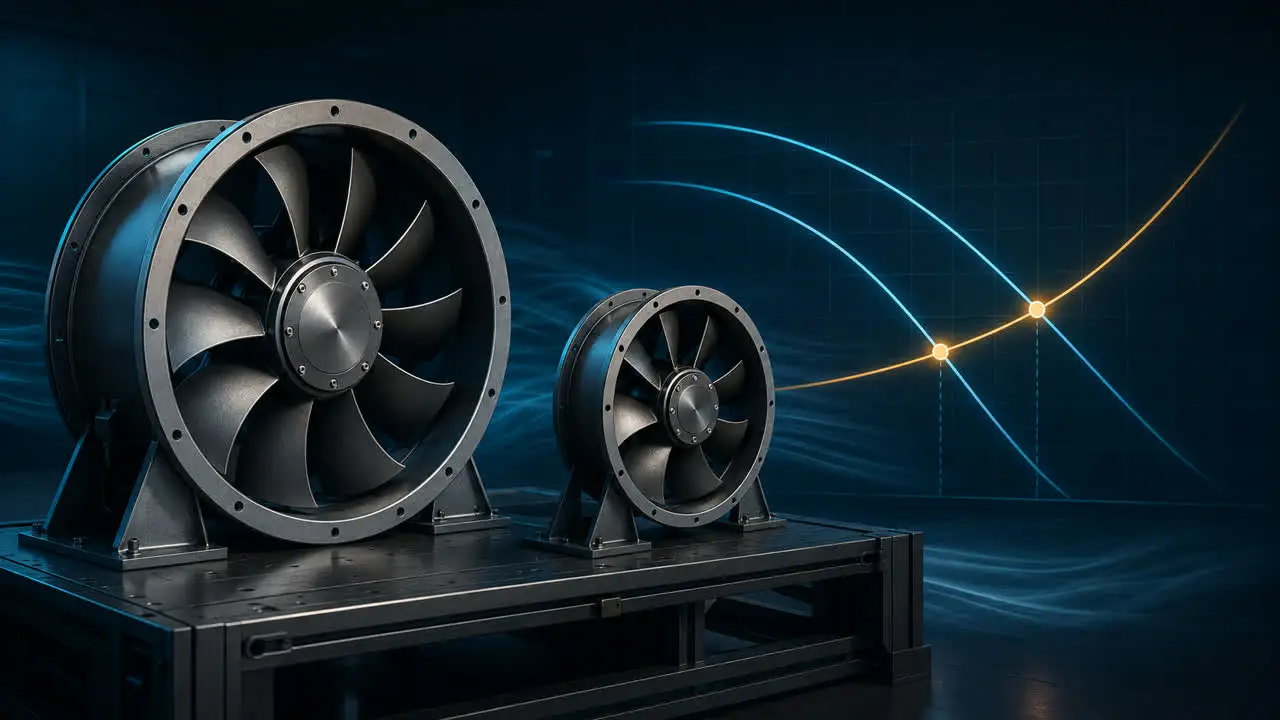
1. Airflow (CFM or m³/h): Determine the volume of air required to remove the heat load.
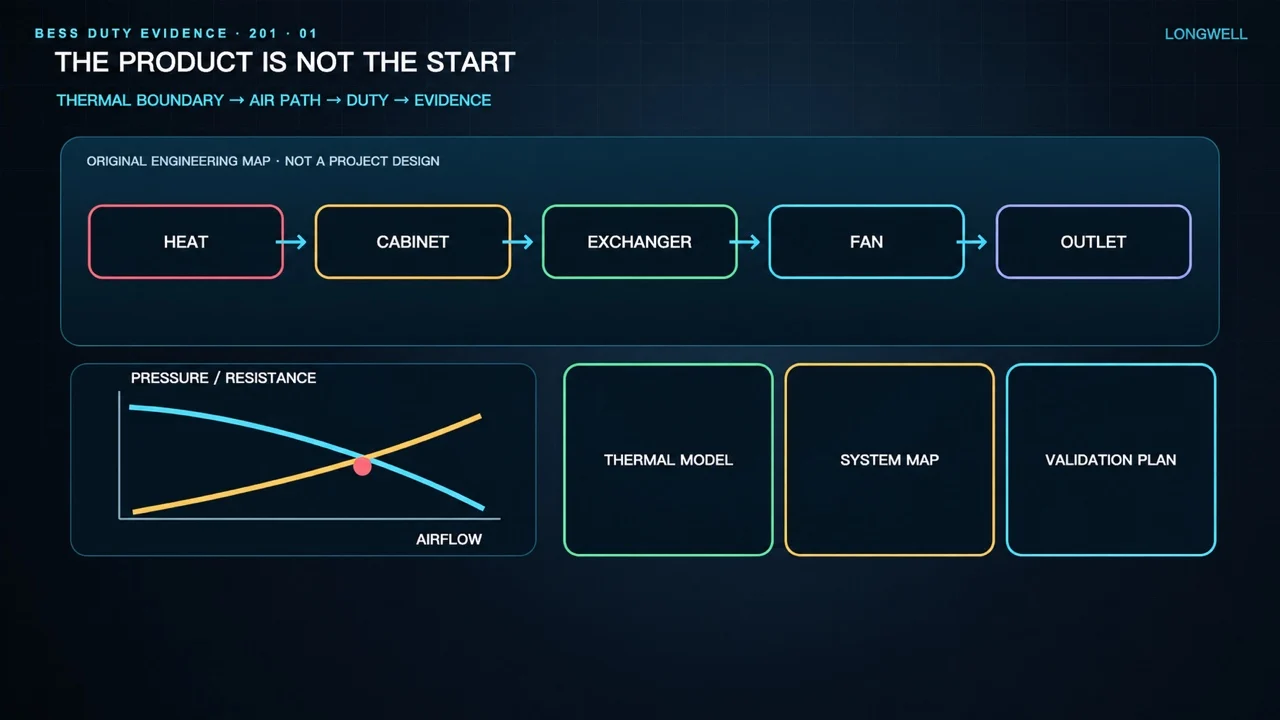
2. Static Pressure: While axial fans are designed for low pressure, you still need to calculate the resistance caused by filters, grilles, and tight enclosures.
3. Power Availability: Decide whether an AC, DC, or EC motor aligns best with your system’s power infrastructure and energy-saving goals.
4. Acoustic Noise: For residential or office-adjacent applications (like heat pumps), noise levels (dBA) are a critical selection factor. EC fans typically offer quieter operation at partial loads.
Why Choose LONGWELL for Your Airflow Solutions?
Finding the right fan is only half the battle; sourcing it from a reliable manufacturing partner ensures long-term performance and supply chain stability.
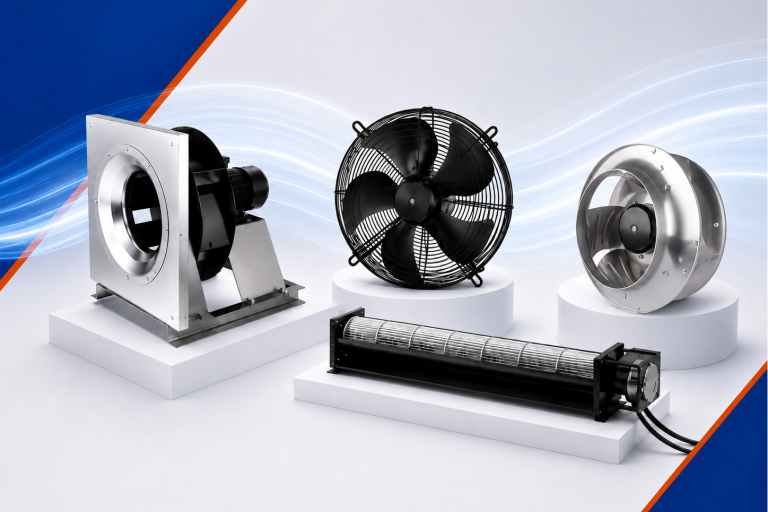
At LONGWELL (www.longwellfans.com), we specialize in the design and production of high-performance motor and fan solutions. Our comprehensive portfolio includes highly efficient EC, DC, and AC axial fans tailored for the demanding requirements of global HVAC, refrigeration, and telecommunications industries.
By integrating advanced aerodynamic designs with cutting-edge EC motor technology, LONGWELL helps clients reduce energy consumption, minimize noise, and achieve superior system reliability.
Ready to optimize your thermal management system? Contact the engineering team at LONGWELL today to find the perfect axial fan configuration for your next project.