
Leave your requirements and our team will respond within 1 business day.
* Your information is only used for catalog delivery and professional support.
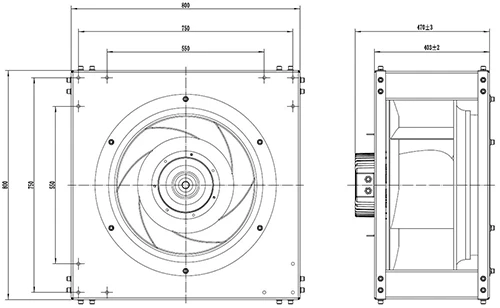
| Image | Name | Airflow(m³/h) | Voltage(V) | Frequency(Hz) | AC/DC/EC | Dimensions(mm) | Sound Pressure(dB(A)) | Sound Power(Bel) | Speed |
|---|---|---|---|---|---|---|---|---|---|
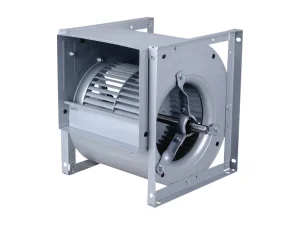
| LONGWELL AT8-8L Industrial Centrifugal Fans | / | / | / | / | / | / | / | / |
| LONGWELL AT7-7L Industrial Centrifugal Fans | / | / | / | / | / | / | / | / |
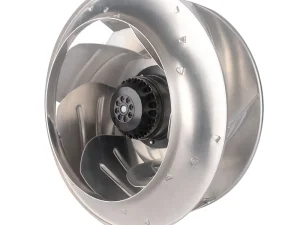
| LONGWELL ADH 500-R2 Industrial Centrifugal Fans | / | / | / | / | 500 | / | / | / |
| LONGWELL ADH 450-R2 Industrial Centrifugal Fans | / | / | / | / | 450 | / | / | / |
| LONGWELL ADH 400-R2 Industrial Centrifugal Fans | / | / | / | / | 400 | / | / | / |
| LONGWELL ADH 355-R2 Industrial Centrifugal Fans | / | / | / | / | 355 | / | / | / |
| LONGWELL ADH 315-R2 Industrial Centrifugal Fans | / | / | / | / | 315 | / | / | / |
| LONGWELL ADH 280-R2 Industrial Centrifugal Fans | / | / | / | / | 280 | / | / | / |
| LONGWELL ADH 710-R Industrial Centrifugal Fans | / | / | / | / | 710 | / | / | / |
| LONGWELL ADH 560-R Industrial Centrifugal Fans | / | / | / | / | 560 | / | / | / |
For more information, compare product specifications, applications, and get a quote for your unique requirements.
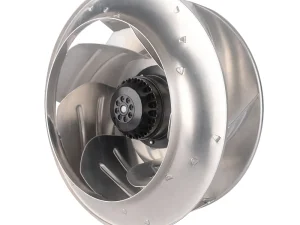
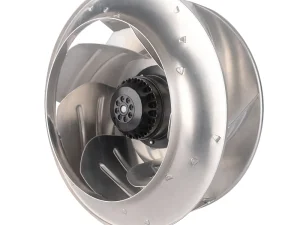
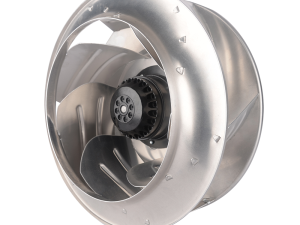
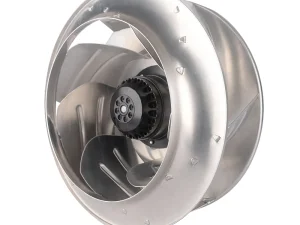
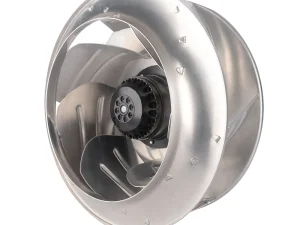
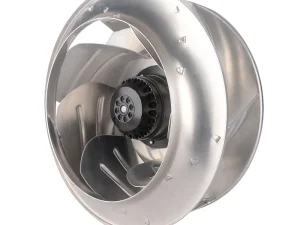
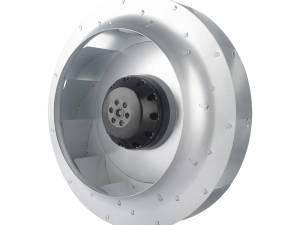
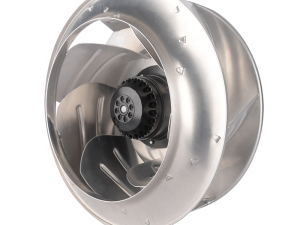
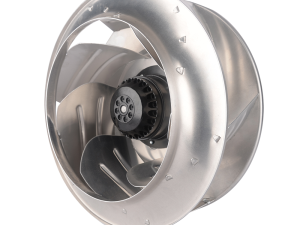
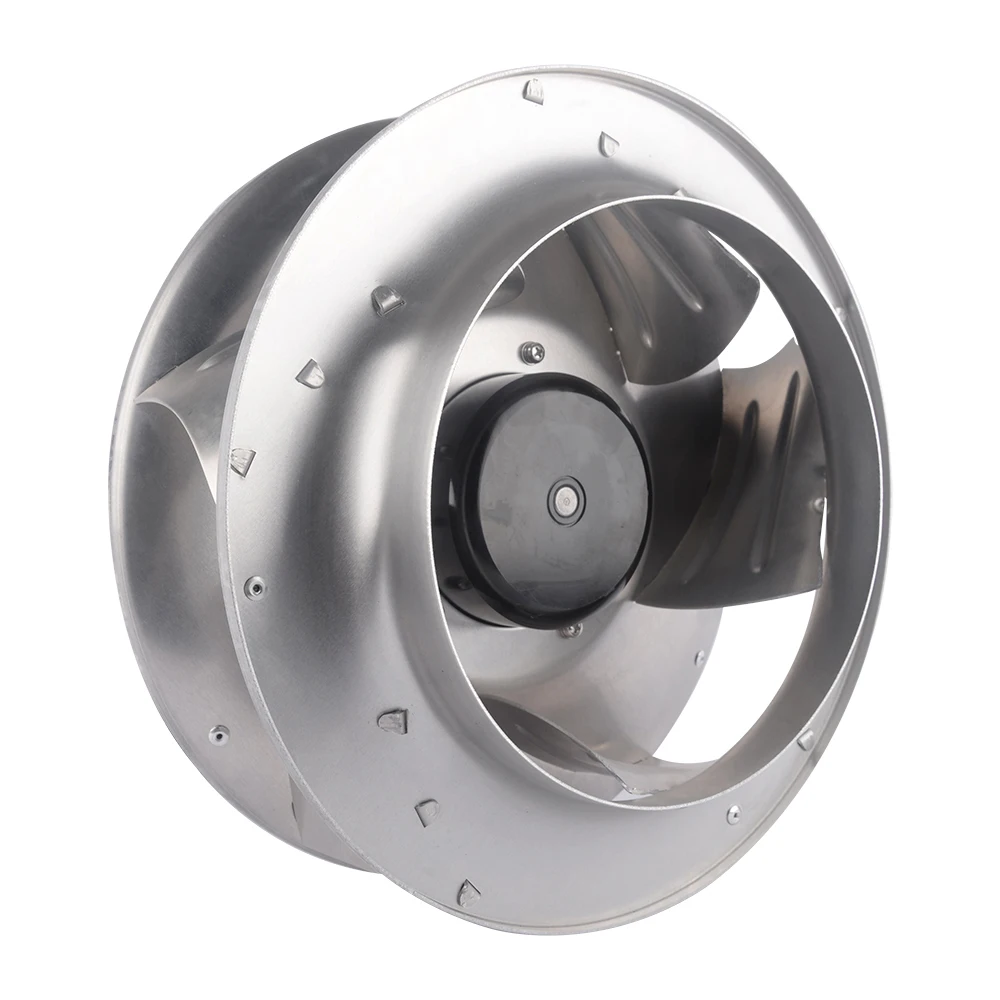
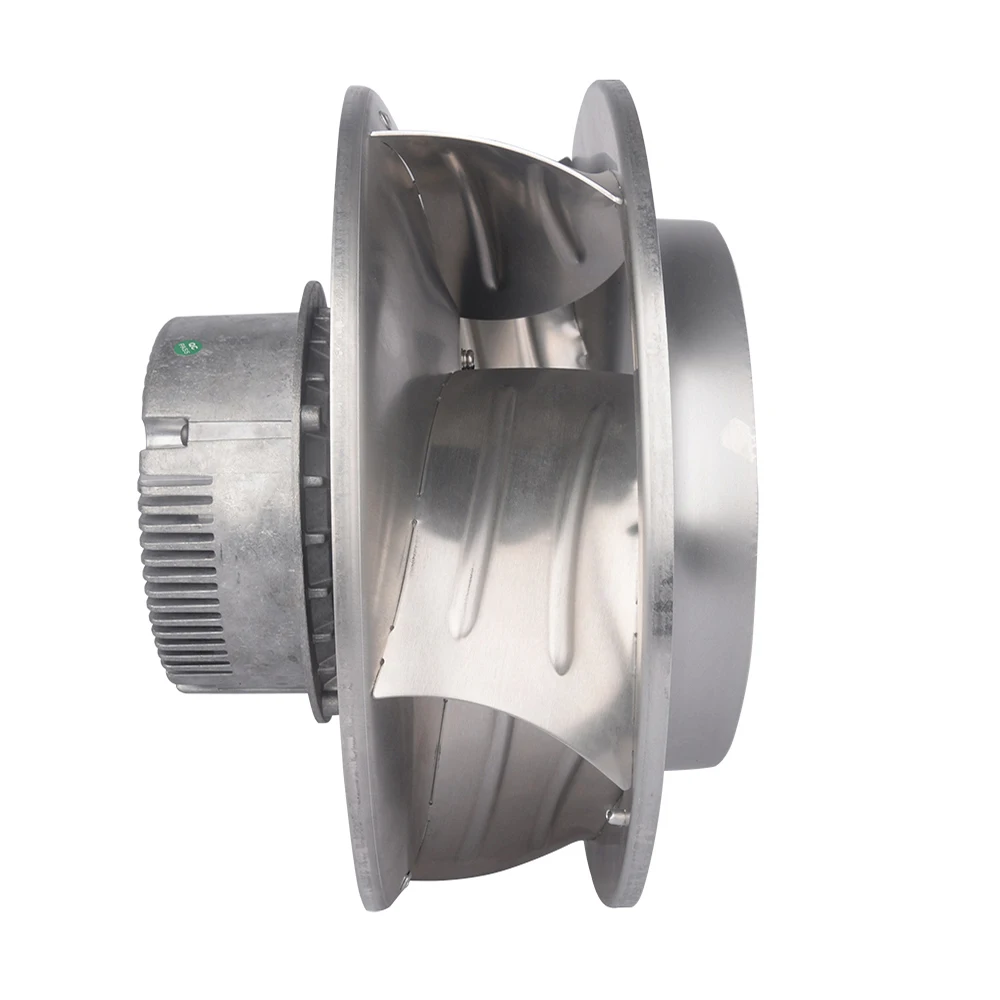
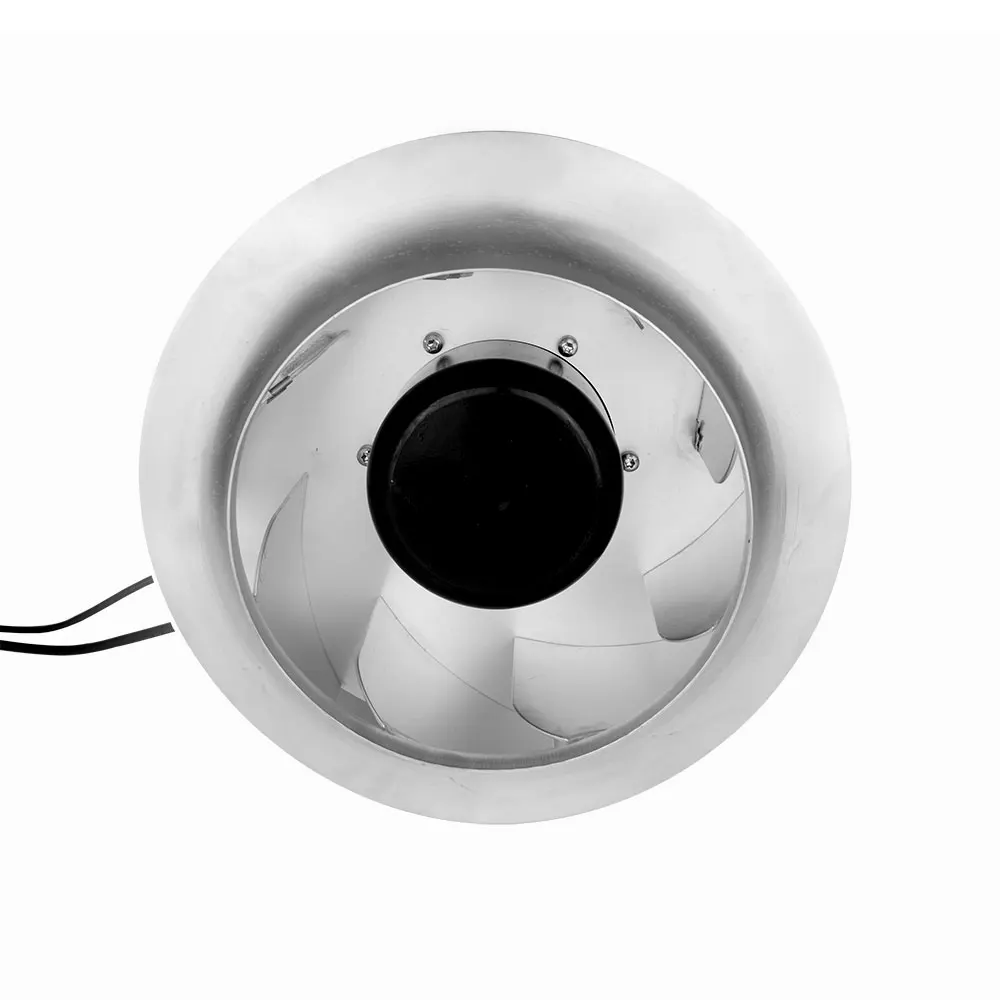
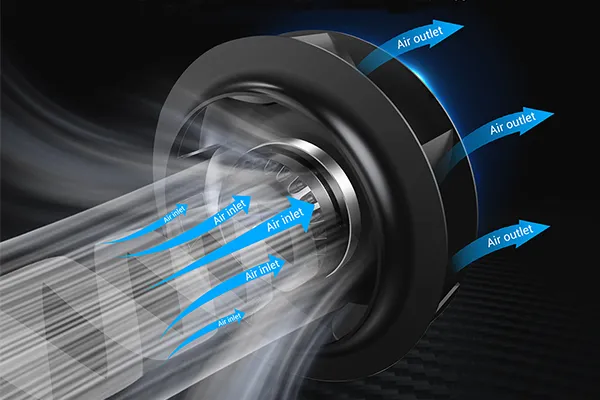
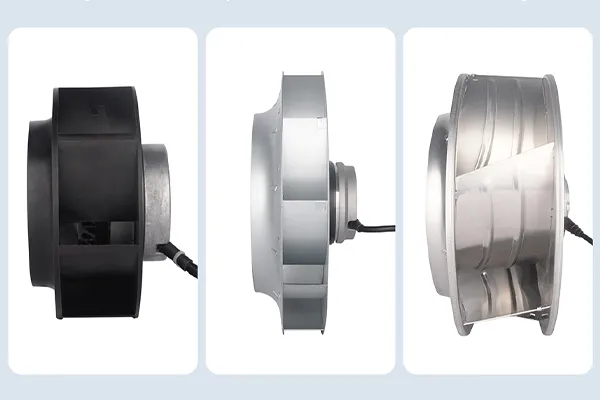
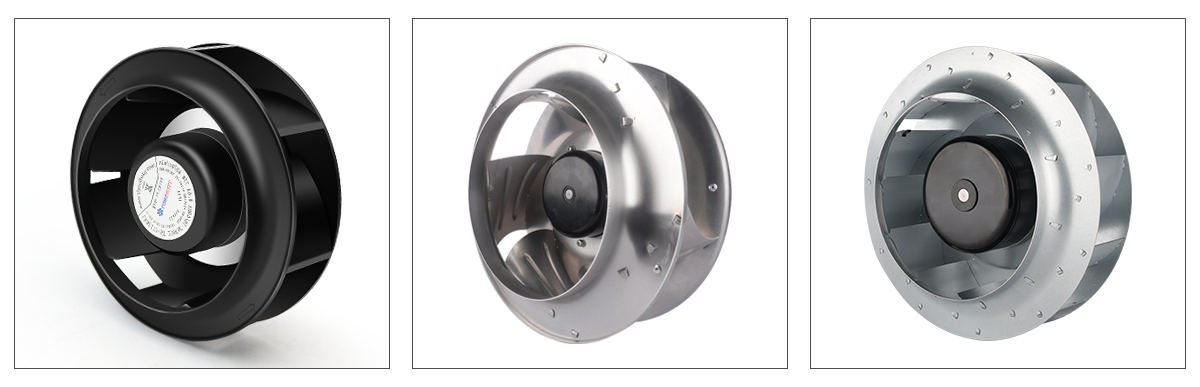
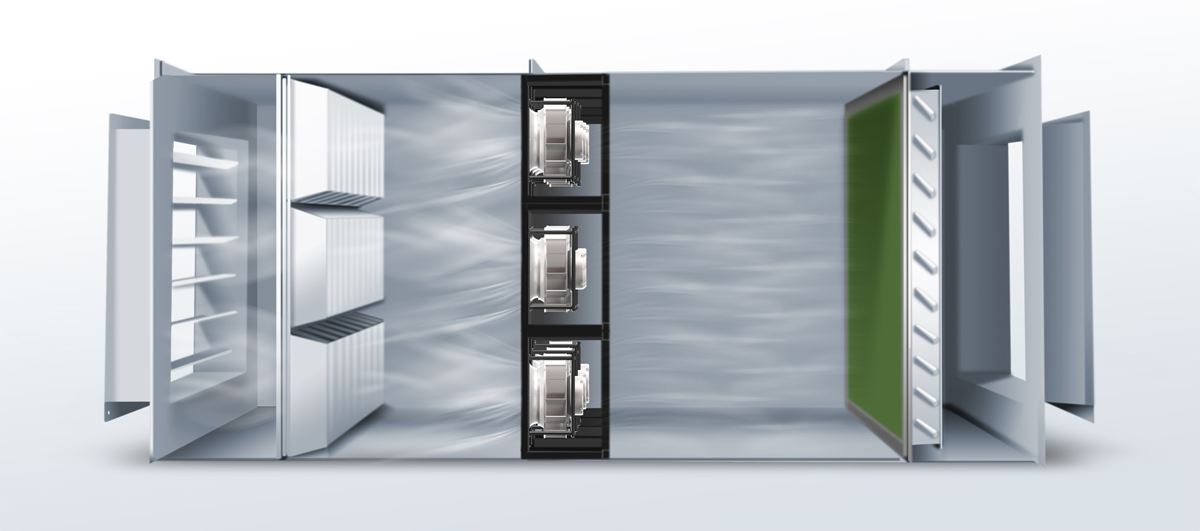
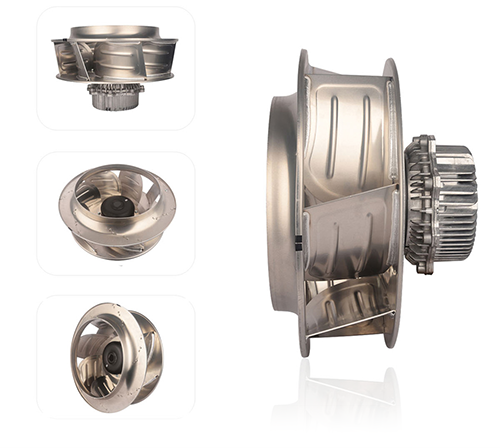
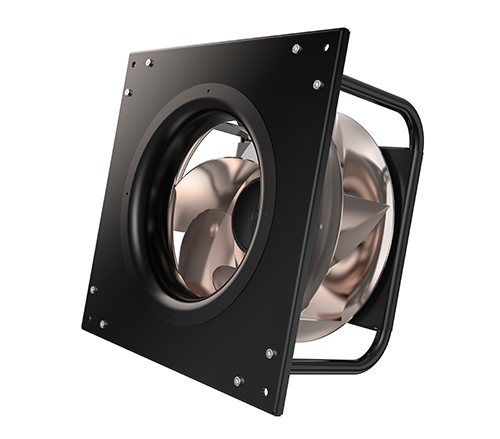
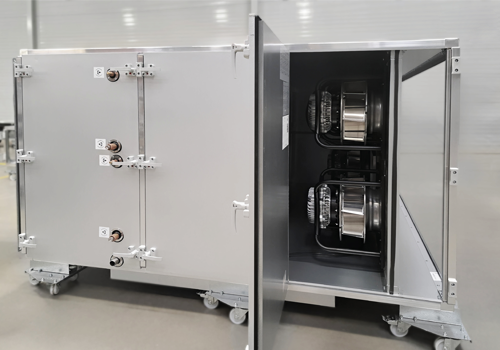
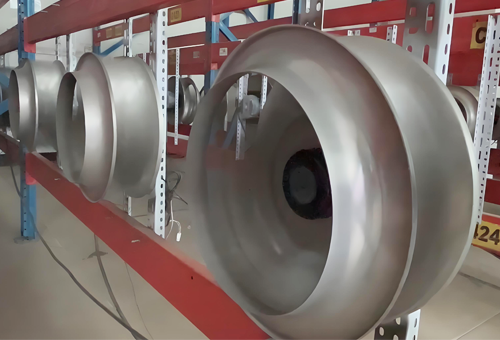
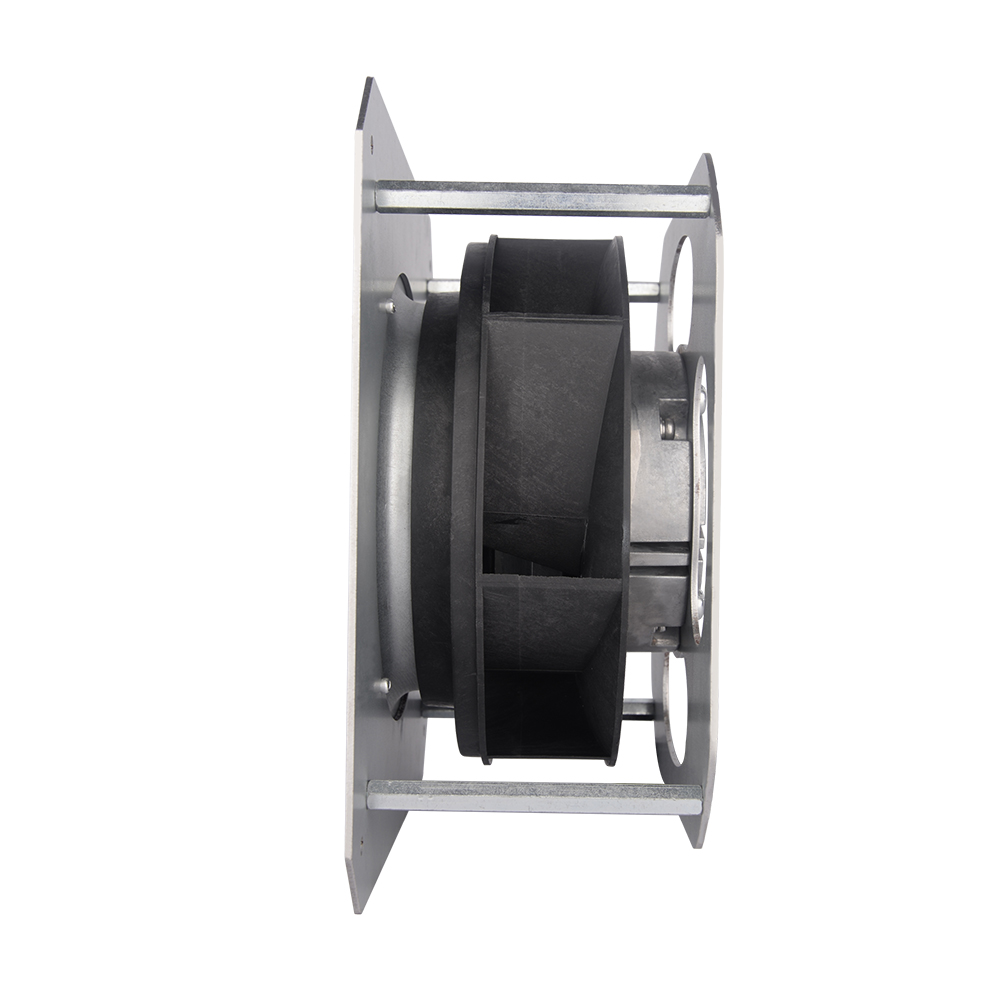
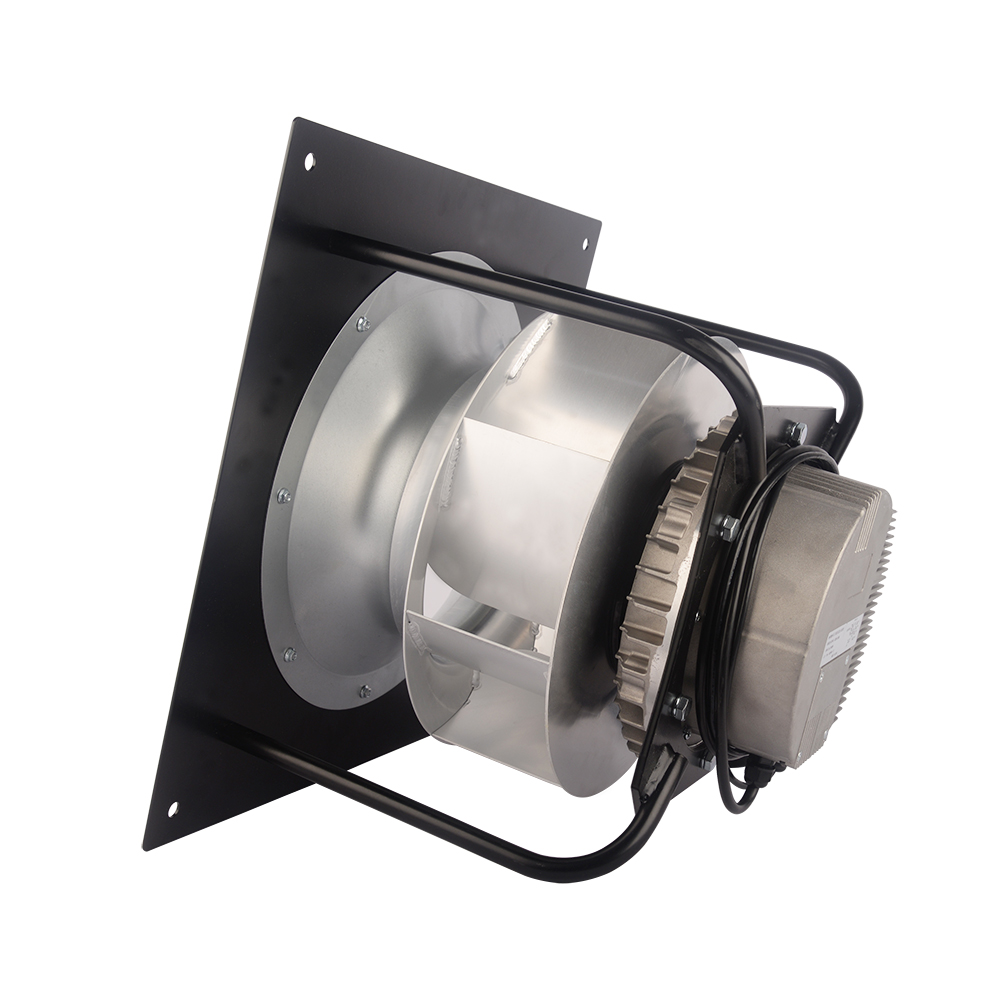
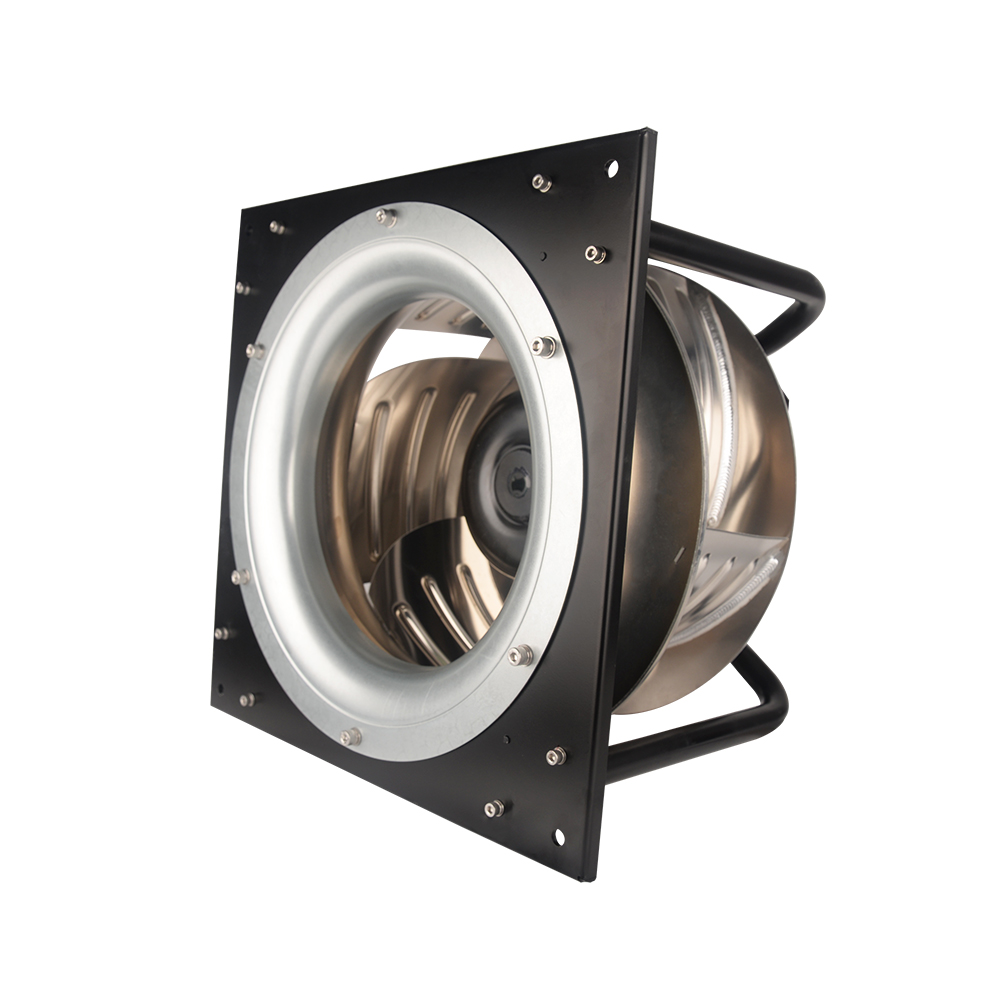
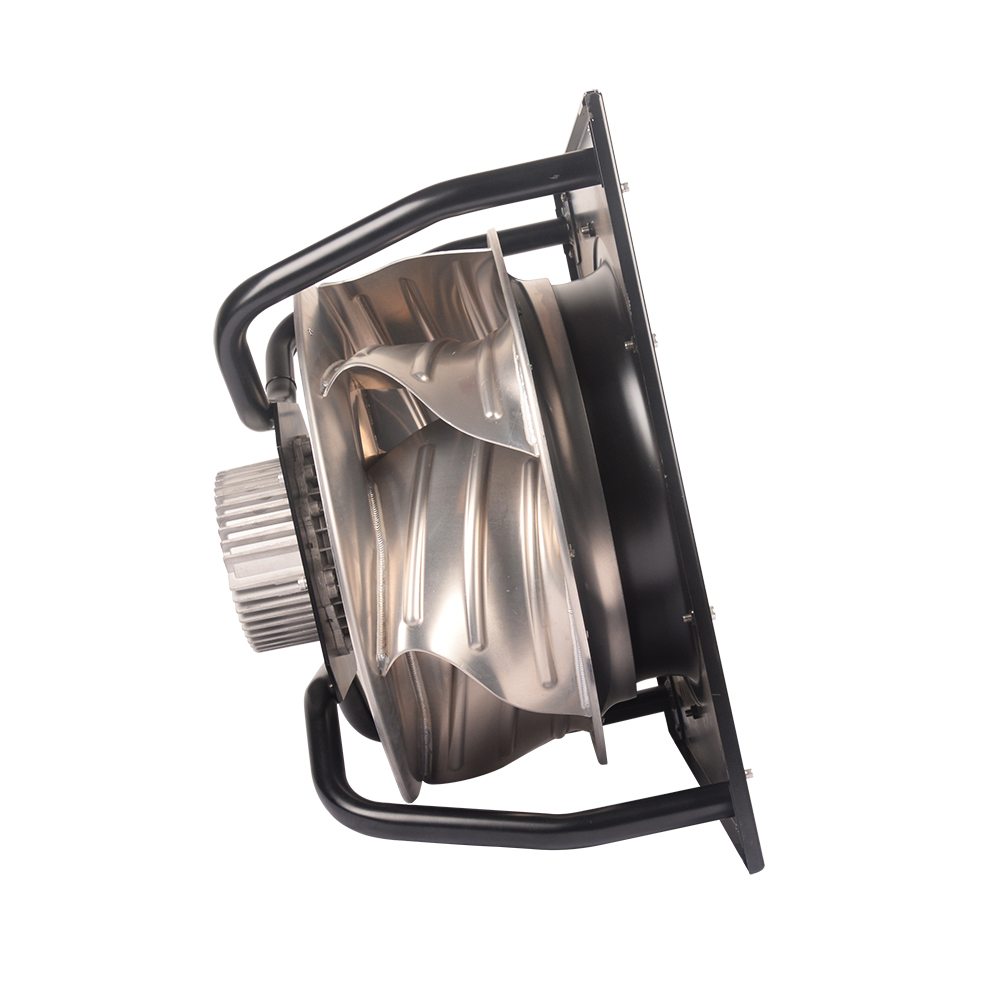
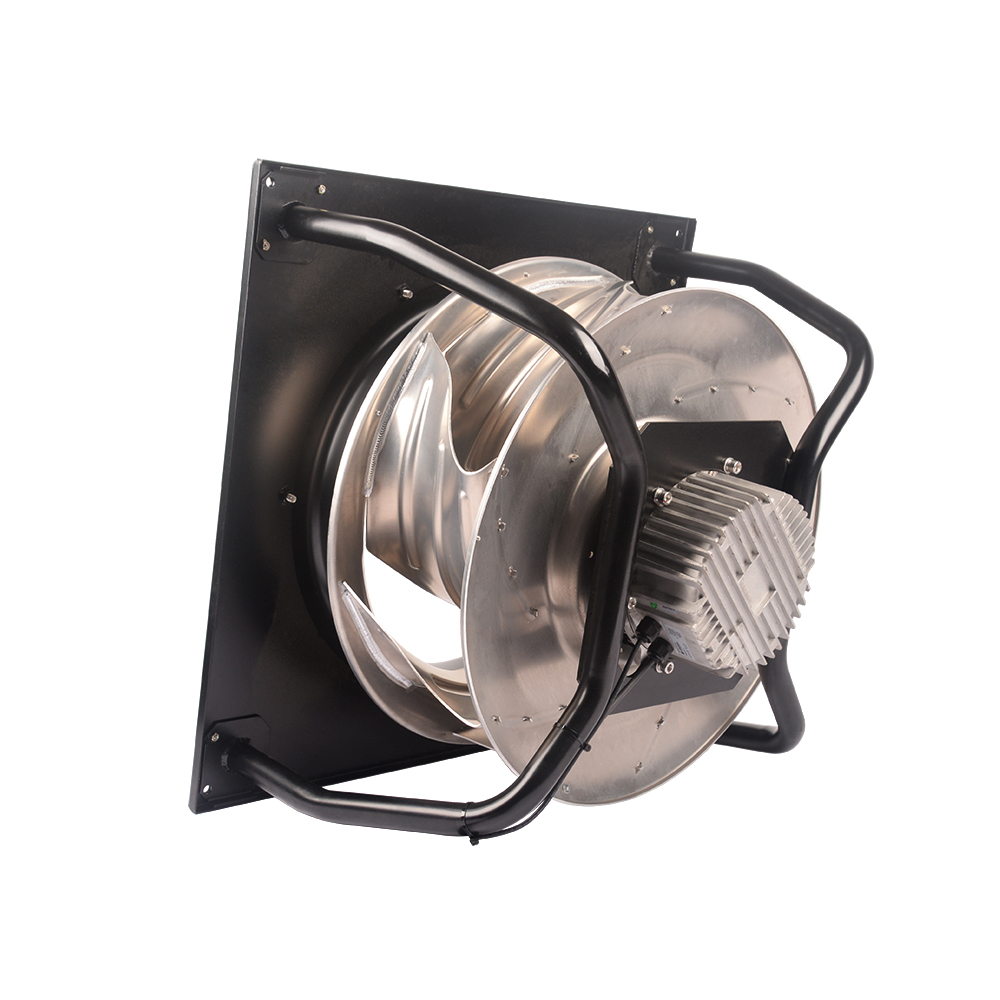
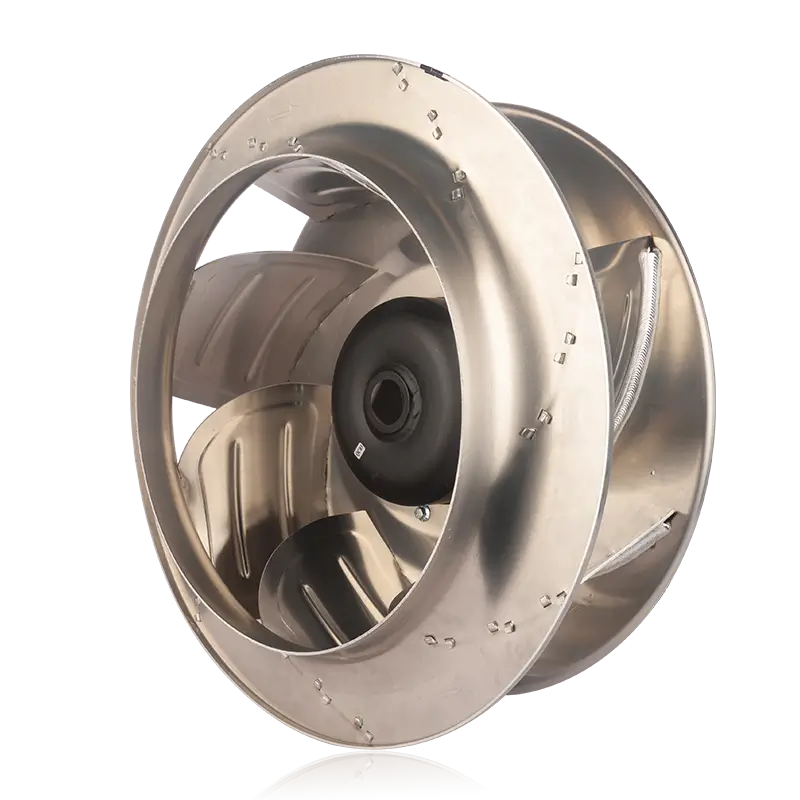
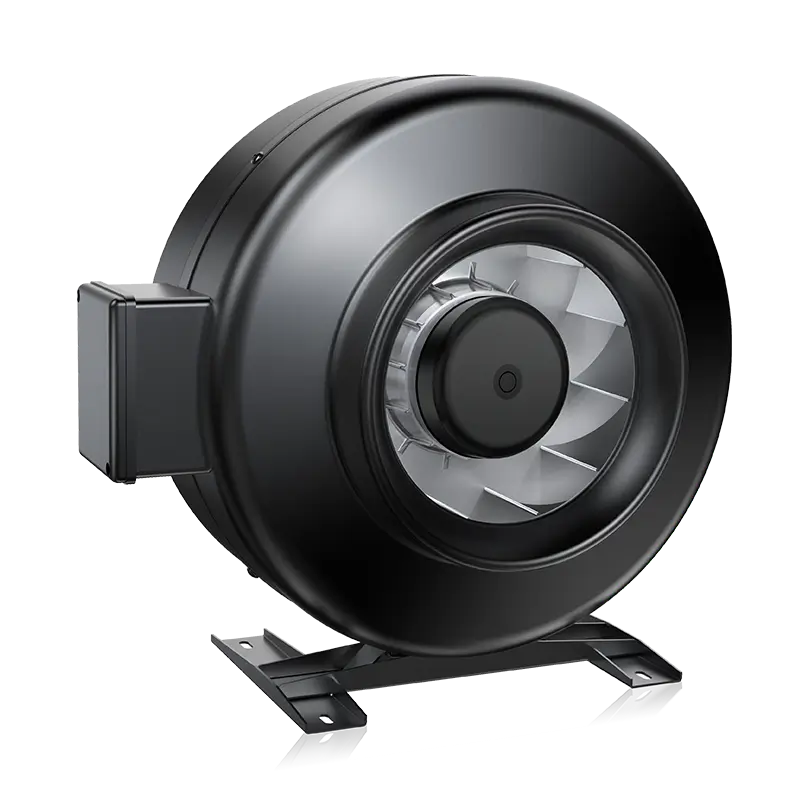
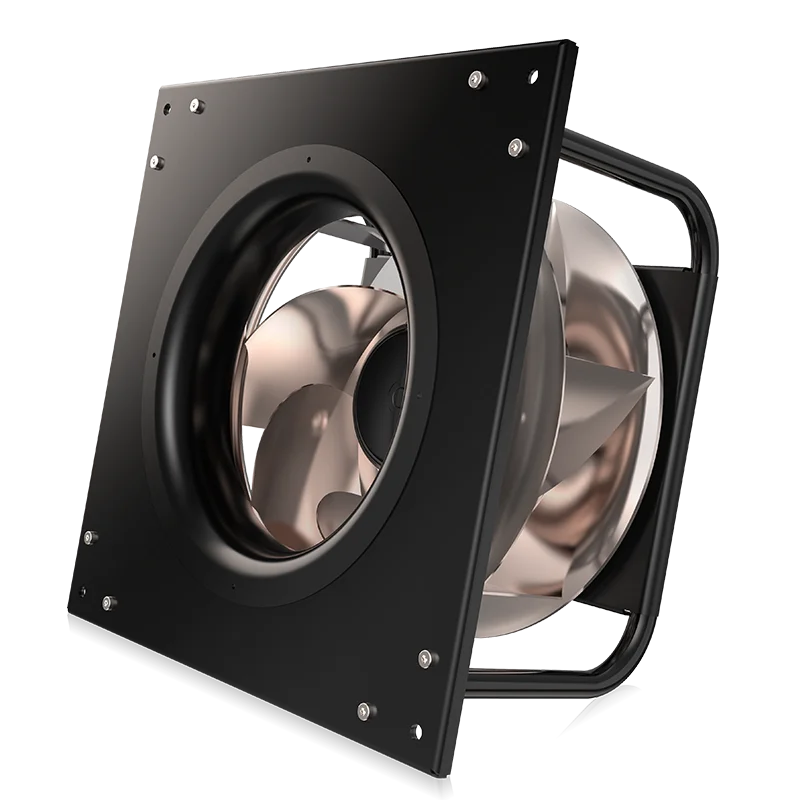
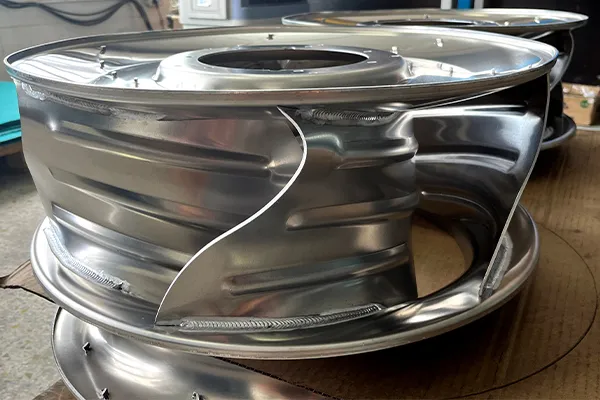
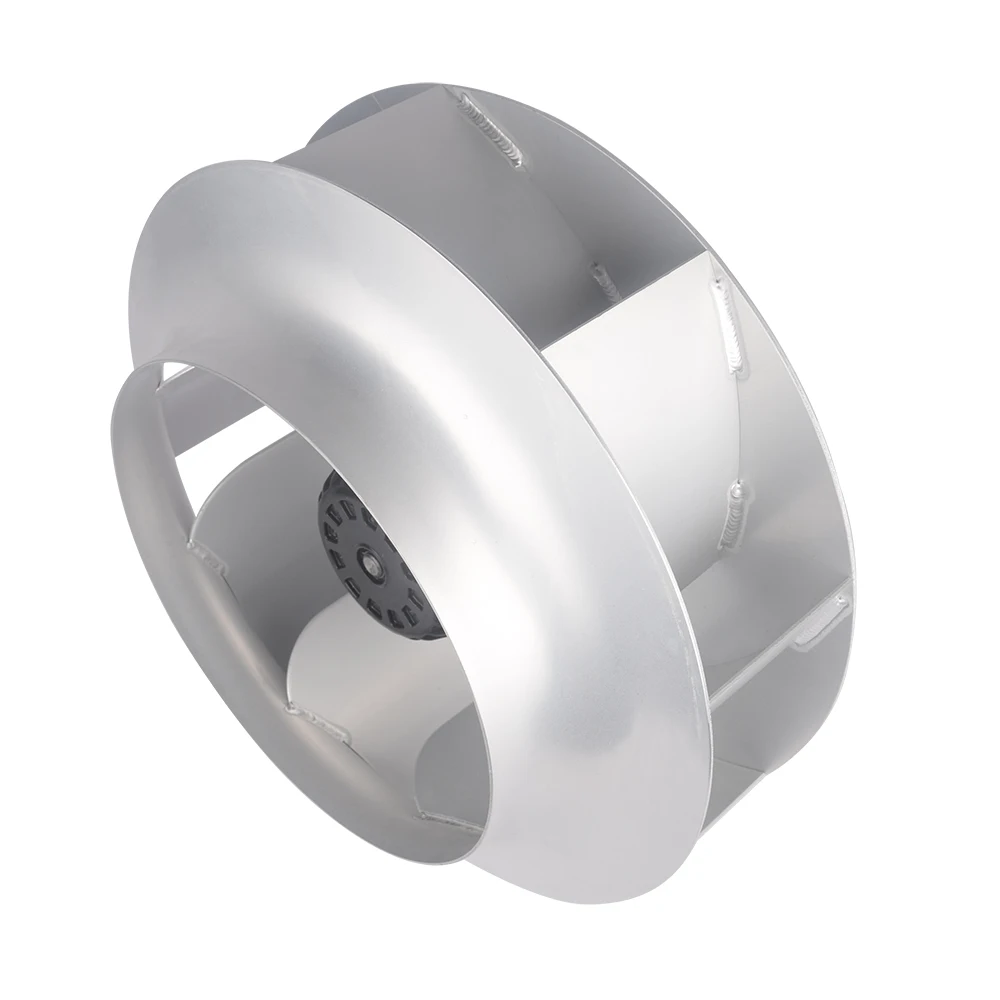
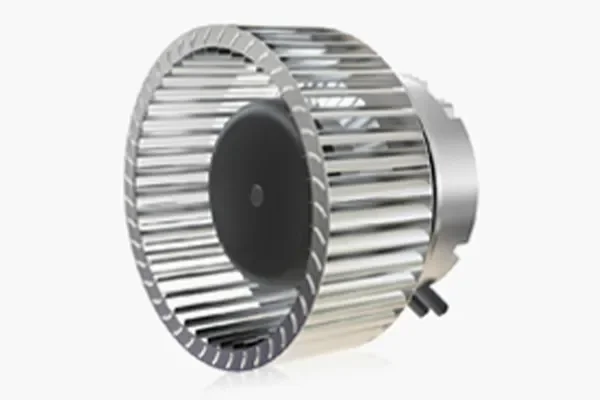
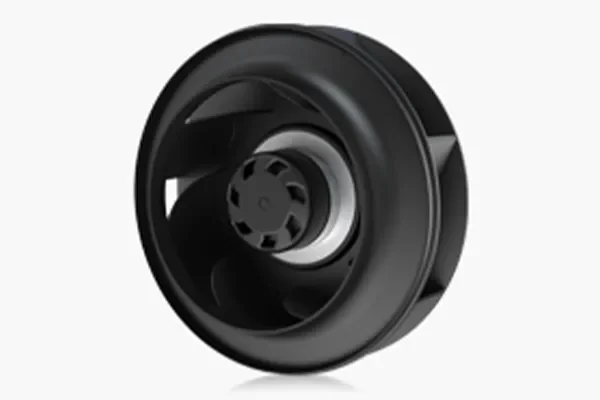
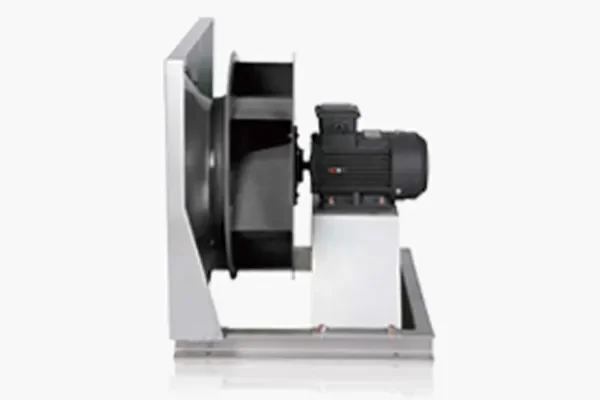
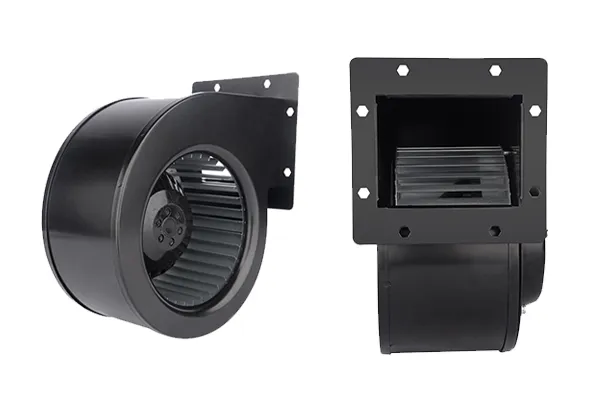
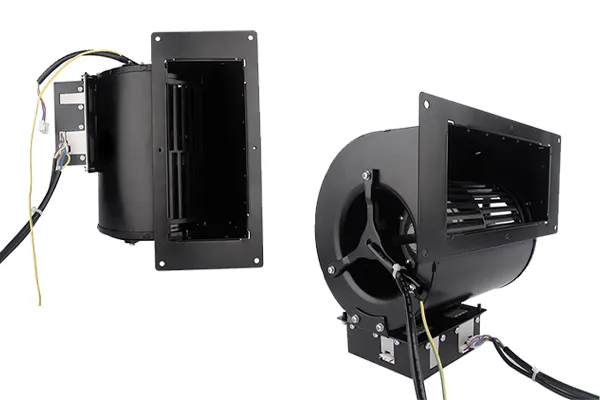
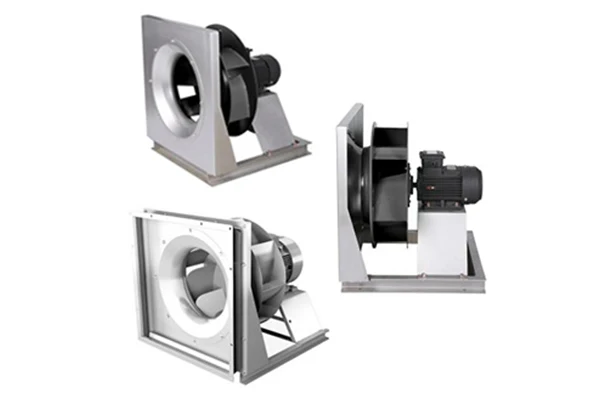
Longwell centrifugal fan consists of several primary components, including impeller, housing, inlet, and outlet. It is available in forward-curved, backward-curved, radial, and mixed-flow designs. Upon being powered on, the impeller begins to rotate; air is drawn in through the inlet, accelerated radially outward, and propelled in a circular motion at a steady, high velocity before finally being discharged through the outlet, thereby fulfilling the functions of ventilation, and heat dissipation.
Unlike axial fans—where air flows along the axis—the airflow in centrifugal fan, driven by the high-speed rotation of the impeller, exits in a direction perpendicular to the inlet. Consequently, it is capable of generating a more powerful and stable airflow.
Distinguished by its unique design, exceptional durability, and low noise levels, the centrifugal fan is ideally suited for applications requiring a wide range of airflow volumes and pressures. It is widely utilized across various sectors, including air pollution control systems, HVAC systems, pneumatic conveying systems, and industrial exhaust systems.
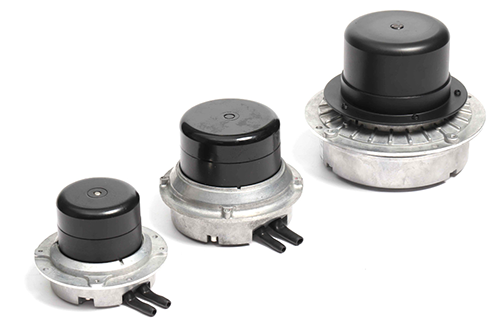
Equipped with highly integrated external-rotor EC motor, Longwell centrifugal fans achieve the energy conversion efficiency of 80% to 90%.
High-quality raw materials and rigorous testing ensure a long service life for the centrifugal fan, as well as an ingress protection rating of up to IP55.
Longwell possesses highly flexible OEM/ODM manufacturing capabilities, covering impeller diameters ranging from φ133 mm to φ400 mm.
Our extensive variety of centrifugal fans meets all your industrial ventilation needs, providing you with the most professional solutions.
When electricity is processed, stored and used, heat is generated that has to be dissipated. Longwell’s range of fans offers compact solutions for this with complete power density – and in a way that ensures powerful protection against environmental influences together with unbeatable quietness.
Longwell centrifugal fans convert incoming air velocity into pressure, delivering powerful airflow for HVAC, dust collection, and industrial ventilation. Their backward or forward curved impellers are engineered for optimized performance and minimal noise.
Designed with robust construction and precise dynamic balancing, Longwell centrifugal fans ensure stable operation and superior efficiency. They are perfect for cleanroom systems, manufacturing plants, and environments requiring reliable airflow under varying pressures.
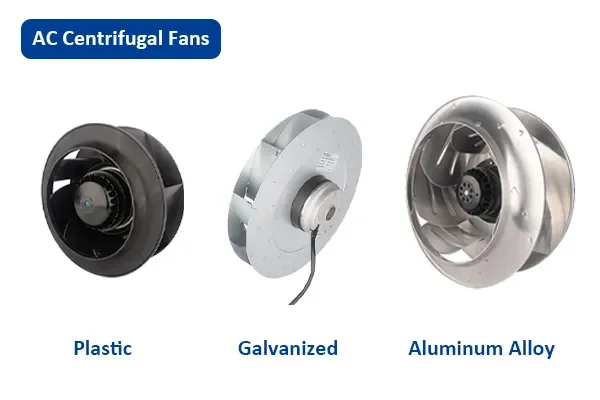
☑ AC Centrifugal Fans
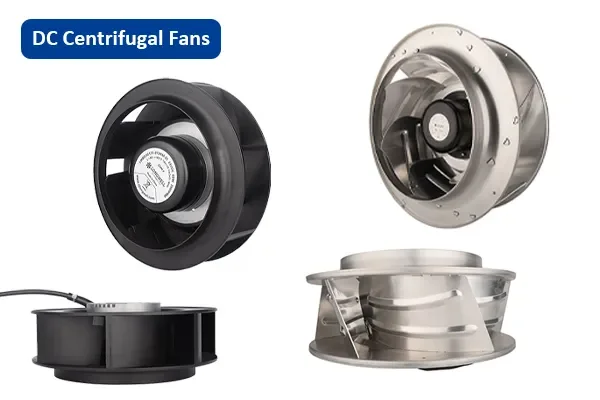
☑ DC Centrifugal Fans
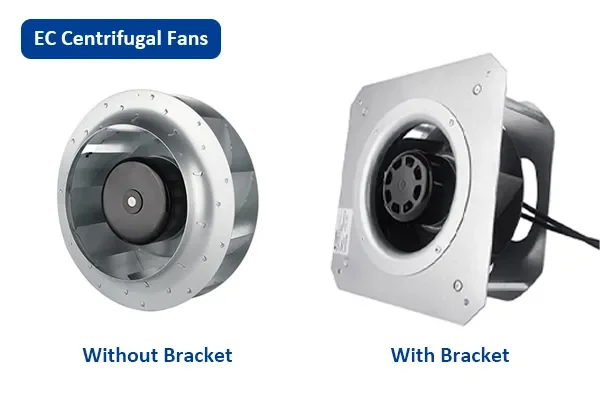
☑ EC Centrifugal Fans
Longwell offers a range of centrifugal fans engineered for various industrial applications. The following table provides a detailed comparison of the different types of centrifugal fans:
Type | Voltage Range | Max Airflow (CFM) | Noise (dB) | Typical Applications |
DC Centrifugal | 12-48V DC | 2000 | 45-50 | Data centers, Medical devices |
EC Centrifugal | 24-240V | 5000 | 50-55 | Factory ventilation, Clean rooms |
AC Centrifugal | 110-220V | 8000 | 55-65 | Heavy machinery, High-temperature environments |
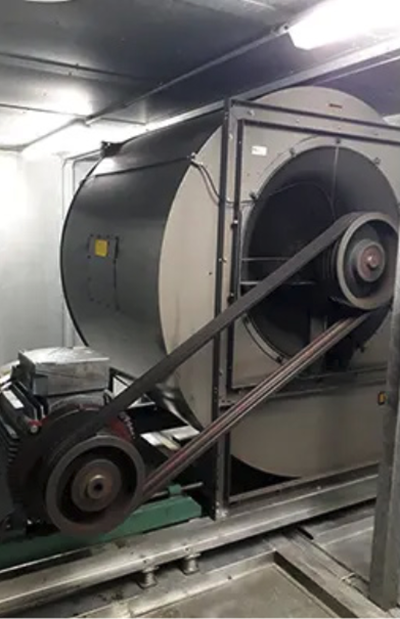
Centrifugal fans are mainly powered by 3 types of motors—AC, DC, and EC—which drive the impeller’s rotation either directly or via transmission mechanism, thereby generating centrifugal force.
After entering the fan housing axially, the air accelerates radially outward under the influence of this centrifugal force and is subsequently discharged through the outlet. During this process, mechanical energy is converted first into kinetic energy and then into pressure energy.
The faster the impeller rotates, the greater the centrifugal force generated, resulting in higher air velocity. This type of fan is well-suited for duct systems that require a change in airflow direction, and it operates with high efficiency even when facing significant static pressure.
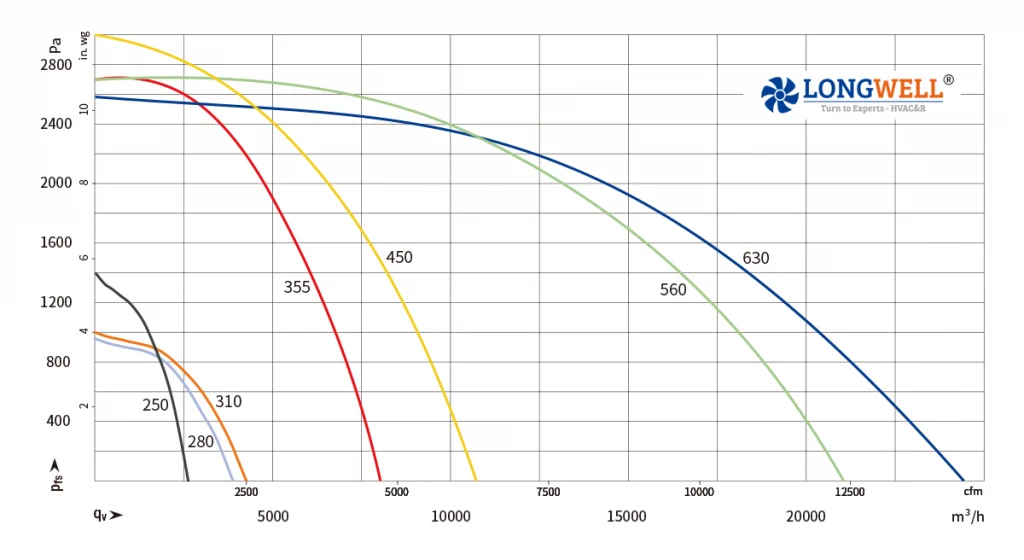
● Airflow: 50 m³/h – 50,000+ m³/h
● Static Pressure: 150 Pa – 3,000+ Pa
● Speed: 900 RPM – 4,500 RPM
● Voltage (DC): 12V, 24V, 48V, 72V
● Voltage (AC/EC): Single-phase 115V/230V, Three-phase 380V/480V
● Power Input: 10 W – 15+ kW
● Impeller Diameter: Φ133 mm – Φ1,000+ mm
● Noise Level: 45 dB(A) – 85+ dB(A)
● Operating Temp.: -25°C to +60°C (Up to +85°C in exceptional cases)
● IP Rating: IP44, IP54, IP55 (Selected explosion-proof/waterproof models up to IP68)
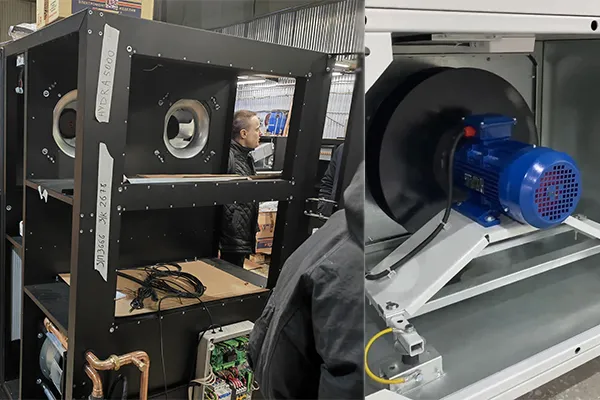
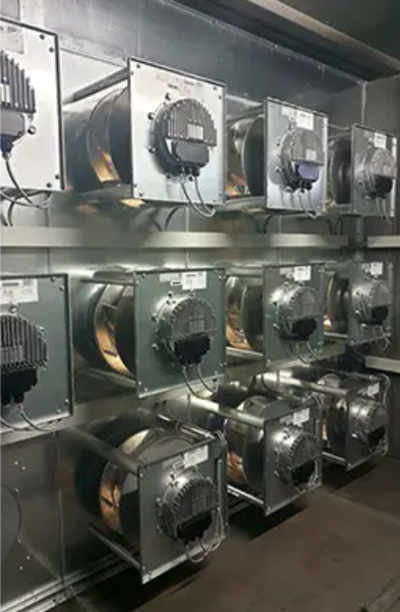
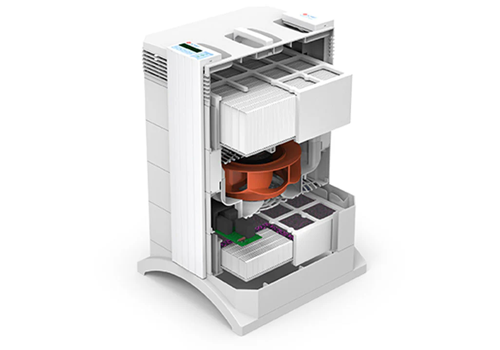
Centrifugal fans can provide a stable large air volume and high static pressure, ensuring that cold/warm air can overcome dense coil tubes, surface coolers, filters and long building air duct networks, and be evenly delivered to every corner of the building.
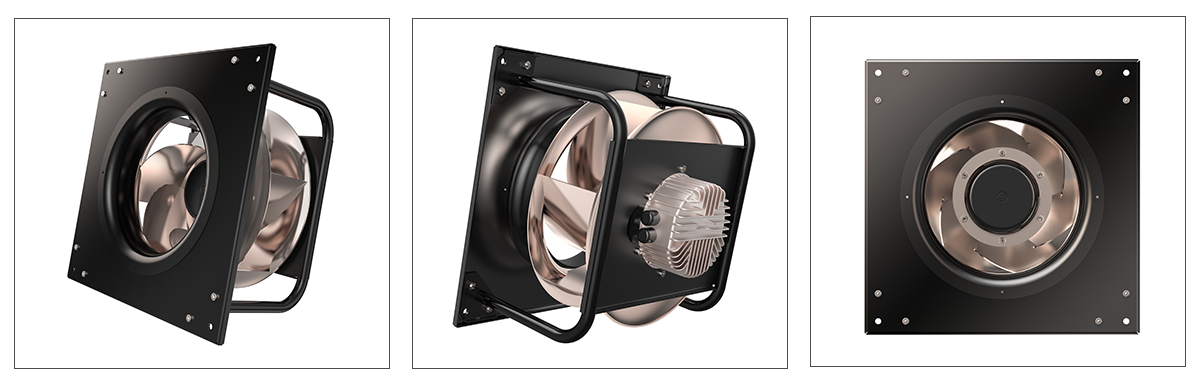
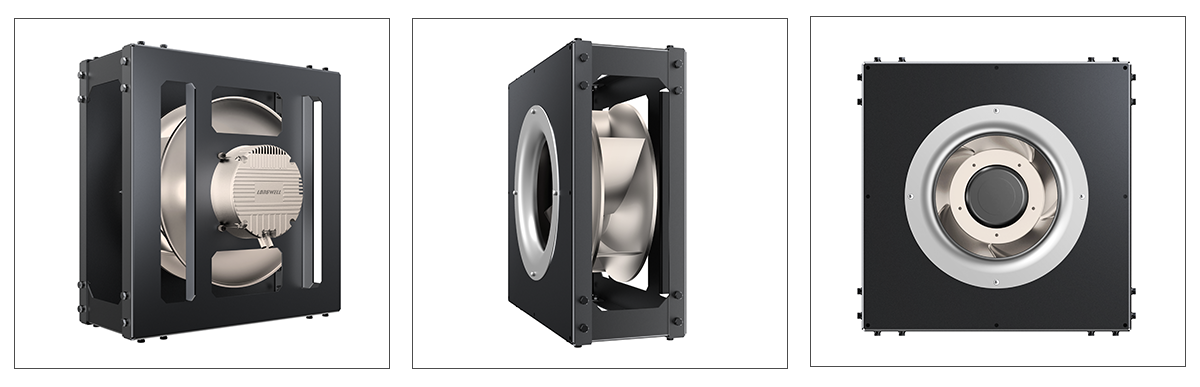
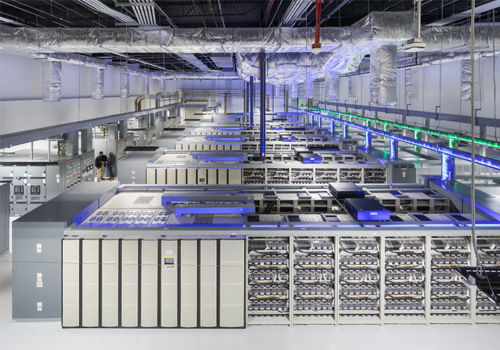
Scroll-less centrifugal fans equipped with intelligent EC motors are widely deployed in CRAC/CRAH units and on the air-cooled side of liquid cooling systems, effectively mitigating the array of issues associated with rapidly rising thermal densities in server rooms.
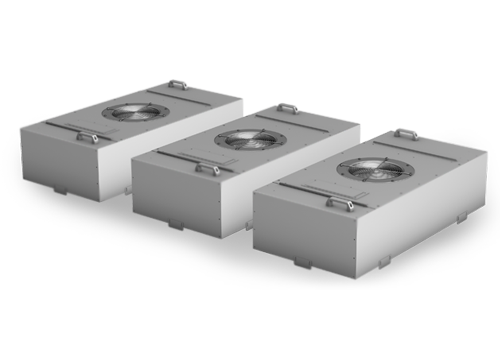
In the semiconductor manufacturing, pharmaceutical, and high-end medical laboratory sectors, high-efficiency centrifugal fans are integrated into Fan Filter Units (FFUs) to propel air through highly dense HEPA/ULPA filters by virtue of their robust static pressure capabilities.
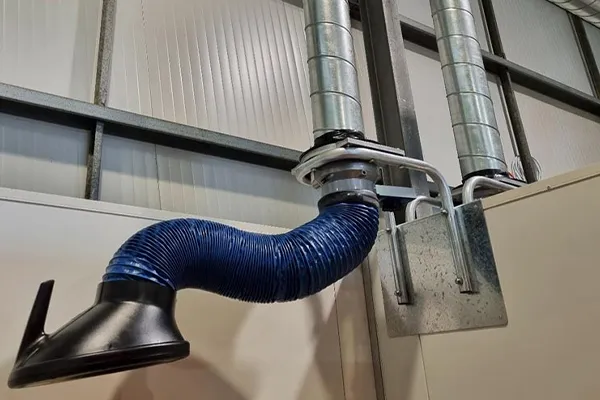
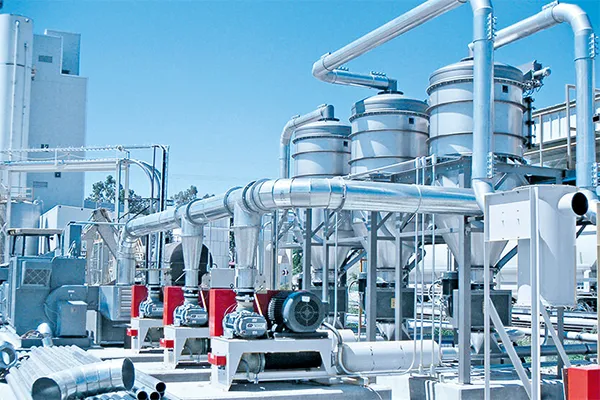
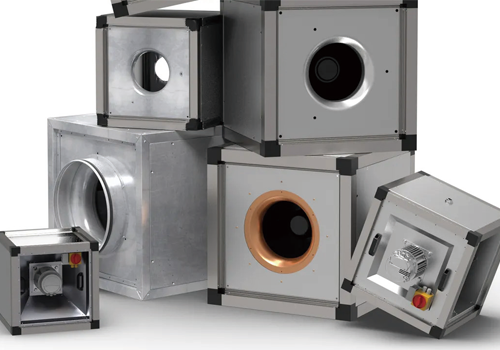
The custom-made industrial centrifugal fans can generate extremely high system negative pressure, effectively removing polluted air from the working area and sending it into purification system, enabling enterprises to meet strict environmental protection emission standards.
Centrifugal fans featuring anti-corrosion coatings, explosion-proof motors, and explosion-proof impellers are capable of safely and continuously extracting hazardous media from environments such as welding workshops, chemical plants, and large-scale commercial kitchens.
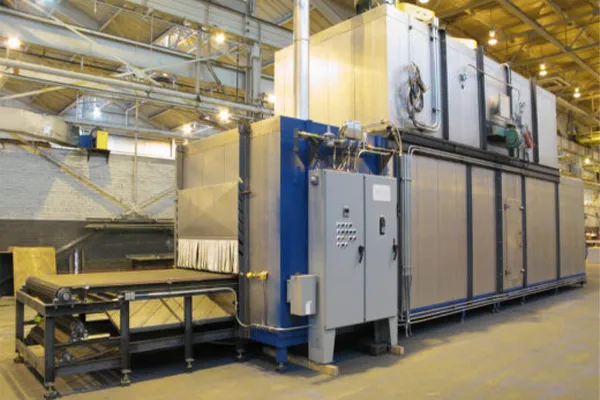
In food processing, wood drying, paper manufacturing and spray curing processes, centrifugal fans equipped with extended shafts, cooling fans or insulation layers are able to withstand high temperatures, can accelerate the forced convection circulation of hot or cold air.
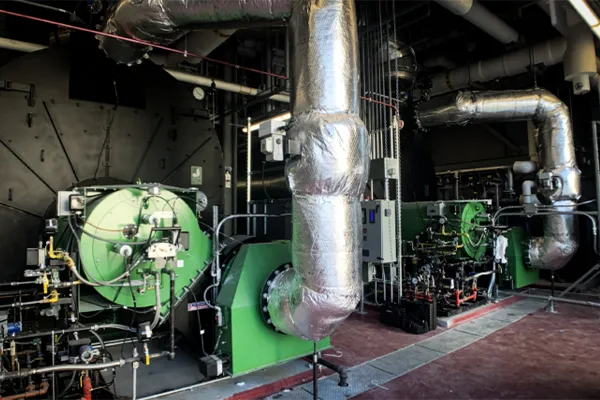
Centrifugal fans supply industrial boilers, incinerators, and kilns with precisely metered oxygen, while simultaneously utilizing high negative pressure to extract high-temperature exhaust gases generated during combustion, thereby maximizing thermal energy conversion efficiency.
Centrifugal fans are often used as high-pressure air pumps. They transport bulk solid materials at high speed through the pipeline, effectively preventing the materials from depositing or getting clogged in the conveying pipeline, and achieving fully enclosed and automated material circulation.
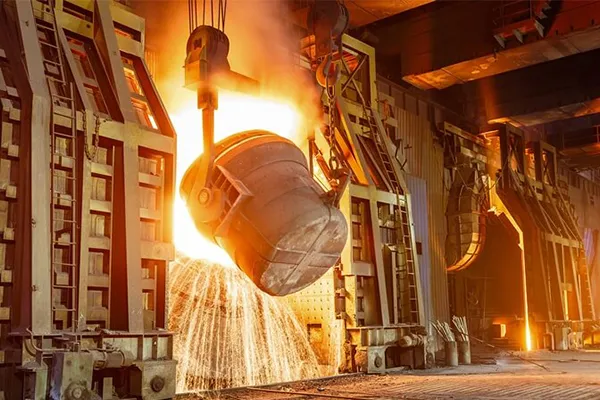
The centrifugal fans designed for heavy steel structure welding can provide massive air displacement and ultra-high wind pressure, effectively diluting and discharging toxic gases and high-concentration dust, thereby ensuring safety in deep-level operations within heavy industrial sectors.
In modern smart greenhouses and large-scale livestock farms, centrifugal fans are utilized to precisely regulate indoor temperature and humidity levels, as well as to exhaust ammonia gas. Furthermore, in large grain silos, high-pressure centrifugal fans are deployed for grain ventilation and moisture control, ensuring the long-term, safe storage of agricultural crops.
This entirely depends on your equipment’s internal resistance (system backpressure).
If your unit is compact and the airflow path is relatively unobstructed (like standard ventilators or low-pressure coils), a forward-curved impeller delivers a massive volume of air at lower speeds, with a softer acoustic profile.
However, if your system involves high-density HEPA filters, long and complex ductwork, or high-density server racks, go with a backward-curved impeller without hesitation. These fans are true “bulldozers”—they push through extremely high static pressure without a drop in airflow.
More importantly, backward-curved fans feature a “non-overloading” design. Even if system resistance suddenly drops, the motor won’t draw excessive current and burn out, making them ideal for rigorous industrial environments.
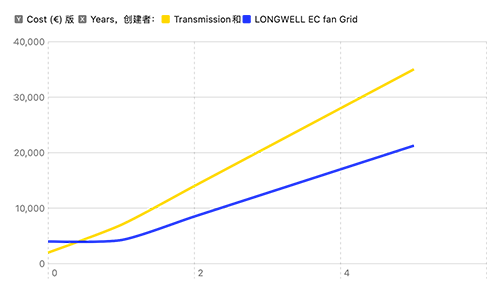
While the initial procurement cost of an EC (Electronically Commutated) fan is higher than a traditional AC fan, the payback period in commercial and 24/7 industrial applications is typically only 12 to 18 months.
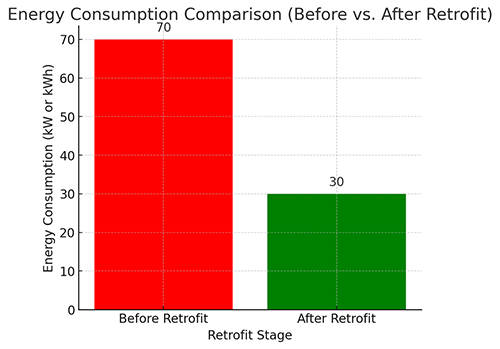
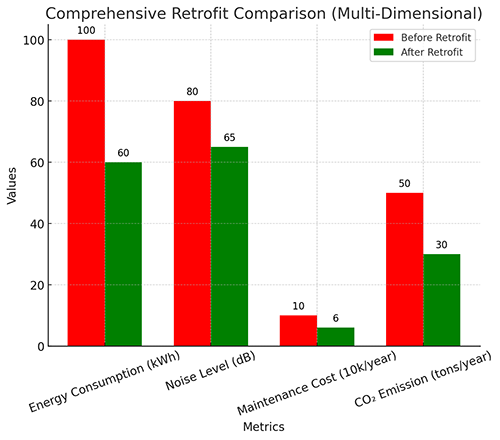
First, the energy savings are massive. EC motors integrate an intelligent conversion module that completely eliminates the slip losses of traditional AC motors, achieving an overall efficiency of 80%-90%. This easily meets the most stringent European ErP 2015 directives.
Second, the control system is vastly simplified. To regulate the speed of a traditional AC fan, you need an expensive and bulky Variable Frequency Drive (VFD). In contrast, our EC fans come with a built-in control board.
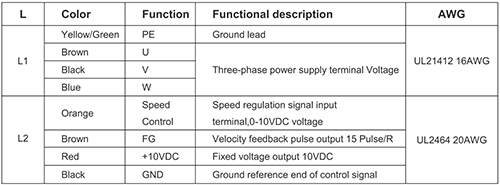
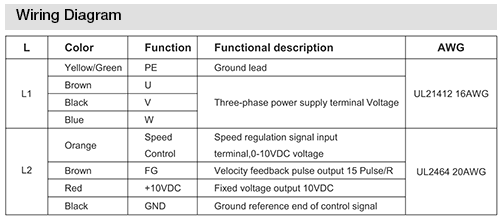
You simply provide a 0-10V analog signal or PWM pulse for seamless, stepless speed control, which integrates effortlessly with your existing BMS (Building Management System).
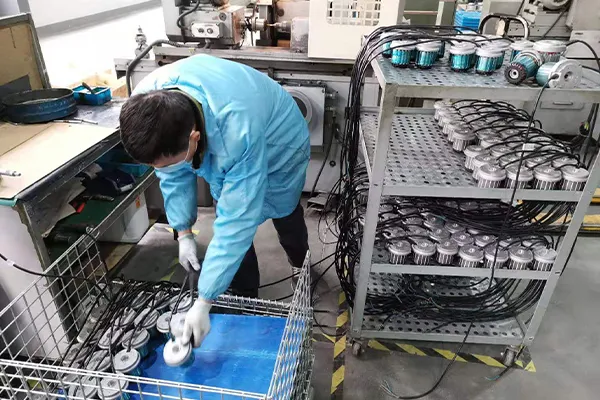
Vibration doesn’t just generate noise; it drastically reduces the motor bearing’s lifespan (L10 life). We don’t rely on “assembly feel”; we rely on hard data.
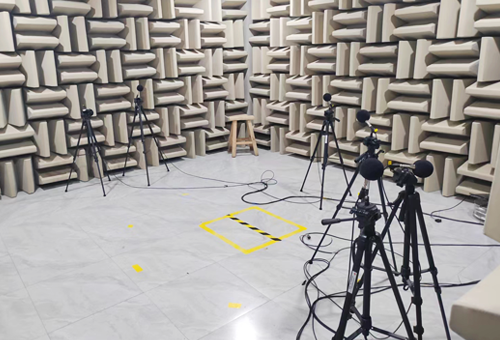
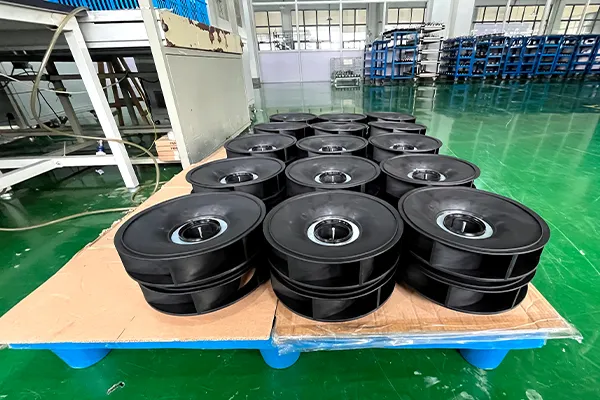
Before assembly, every single centrifugal impeller—whether metal or fiberglass-reinforced plastic (PA66+GF30)—undergoes rigorous multi-plane dynamic balancing on specialized equipment. We strictly adhere to the international ISO 1940 standard, keeping residual unbalance strictly within the G6.3 grade (limiting eccentric vibration velocity to under 6.3 mm/s).
For medical devices or semiconductor cleanrooms with ultra-strict acoustic and micro-vibration requirements, we can even provide custom G2.5 high-precision balancing.
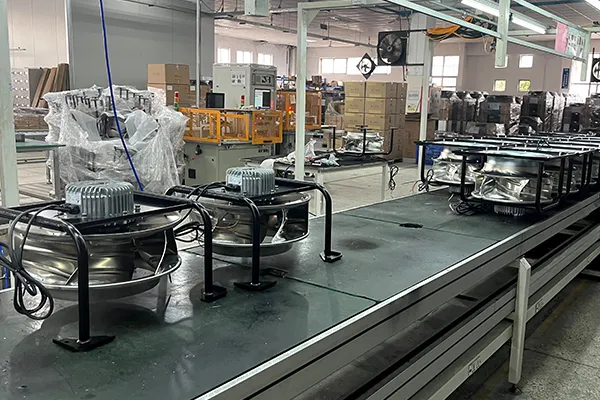
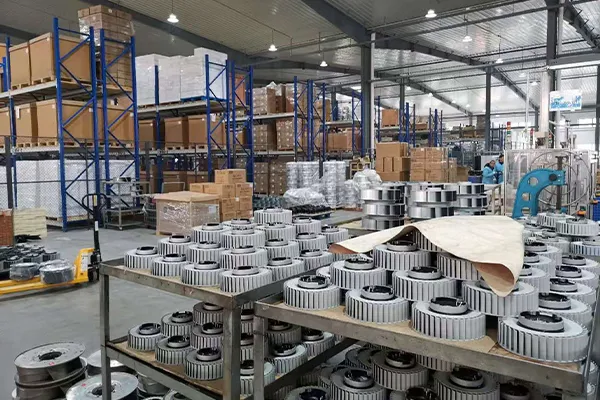
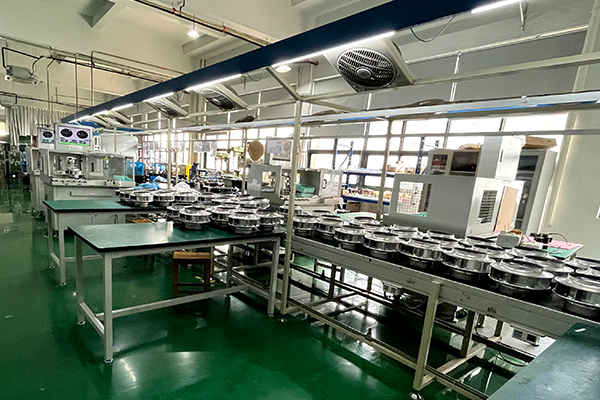
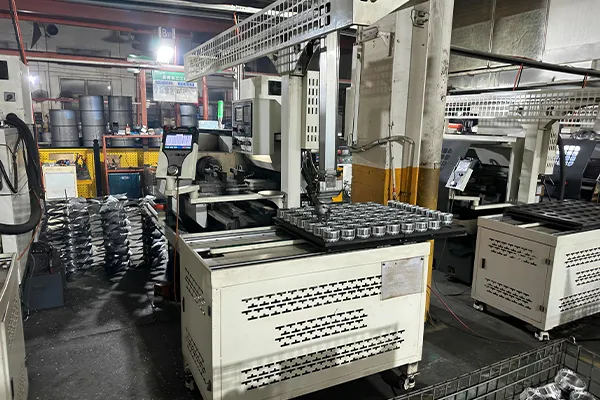
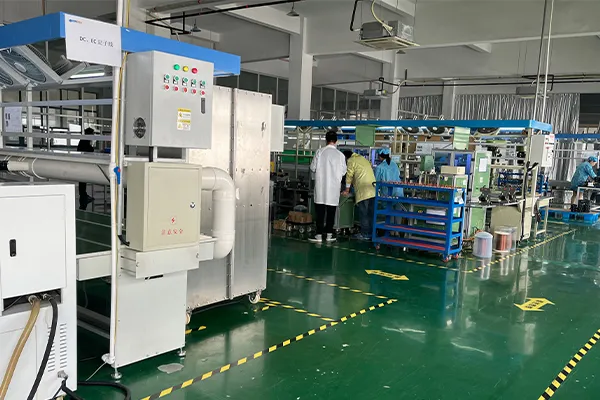
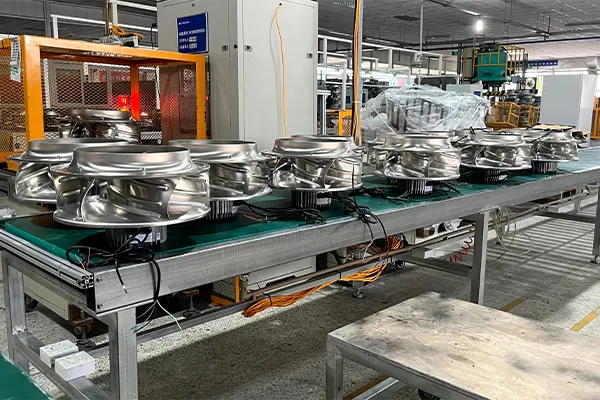
Absolutely. As a direct-to-factory manufacturer with comprehensive R&D and production lines, our response time for custom integration far exceeds that of pure trading companies.
Electrically, whether you need 12V/24V/48V DC fans for telecom base stations or wide-voltage commercial models (e.g., 200V-277V) for global compatibility, we can match the exact stator winding solutions.
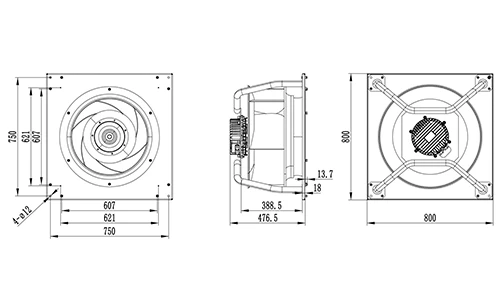
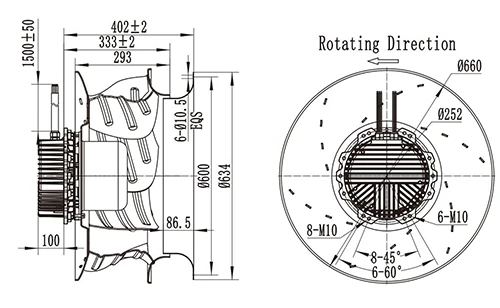
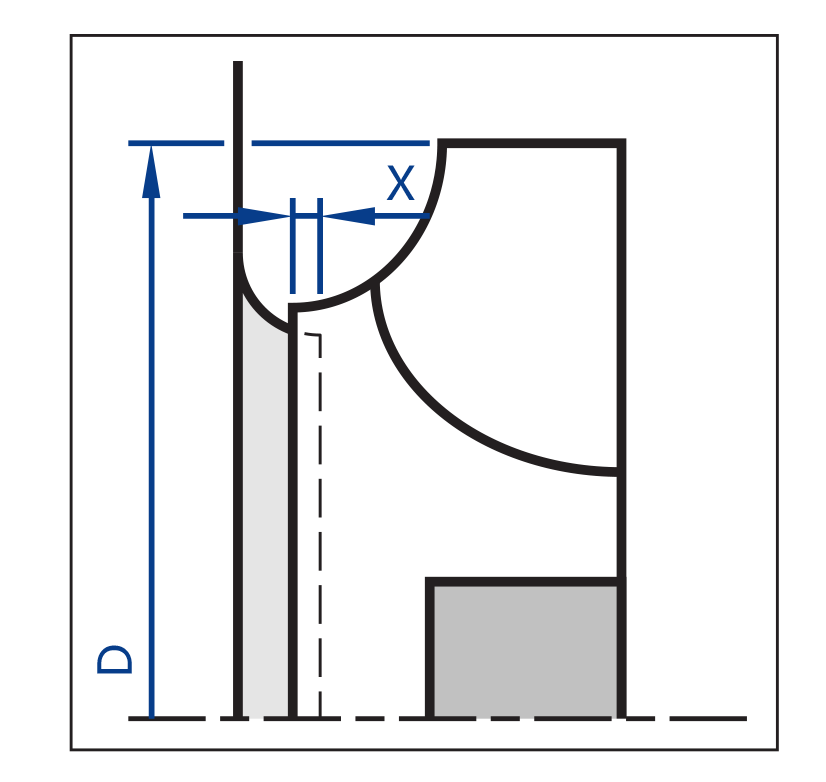
Structurally, if you need to modify the scroll housing’s exhaust flange dimensions, customize mounting bracket holes, or change the impeller material for specific corrosive environments, our engineering team can interface directly with your R&D department’s CAD drawings, rapidly output 3D models, and arrange prototyping.
B2B procurement demands rigor, so we highly recommend—even require—our clients to conduct sample testing before committing to bulk orders.
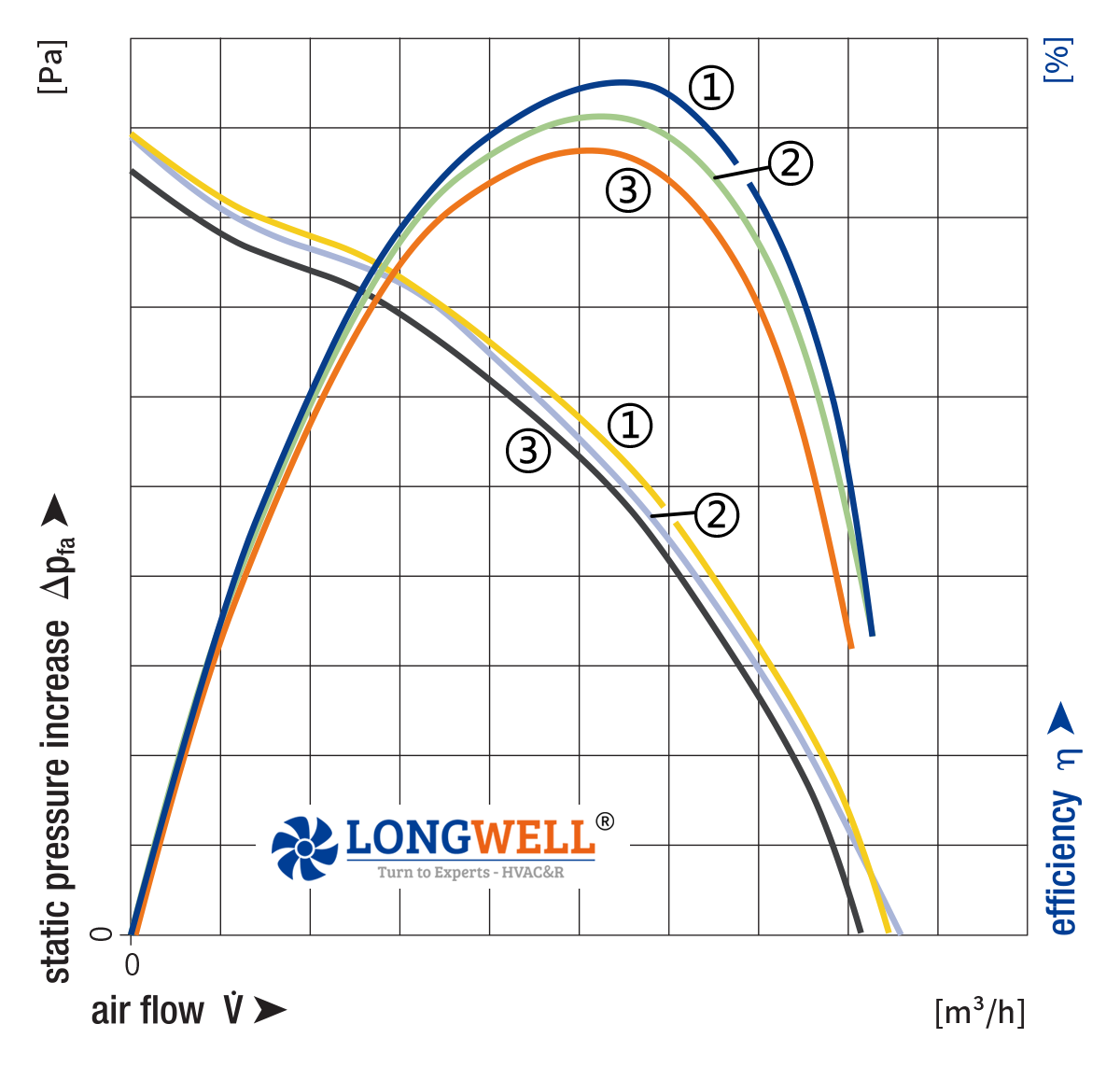
Once your initial technical requirements (such as PQ performance curves and dimensional constraints) are confirmed, we can usually provide prototypes for your unit testing within 7 to 15 business days.
After you complete your thermal and acoustic testing and lock in the BOM (Bill of Materials), our standard bulk lead time is tightly controlled at 25 to 35 days. Thanks to our mature supply chain and robust production capacity, even large-volume orders during peak seasons won’t cause delays on your assembly line.