
Fans for Energy and Power Equipment
Power equipment turns part of the energy it handles into heat. Transformers, converters, inverters, generators, batteries and switchgear all need that heat removed to stay within their ratings. Fans do this at every scale, from a small fan inside a solar inverter to large axial fans in substations and wind turbines.
This section collects LONGWELL’s guides for generation, conversion, storage and distribution equipment.
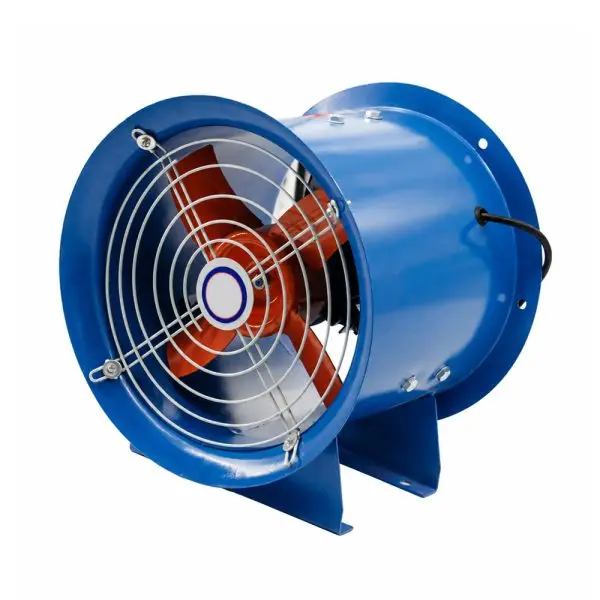
Applications in this section
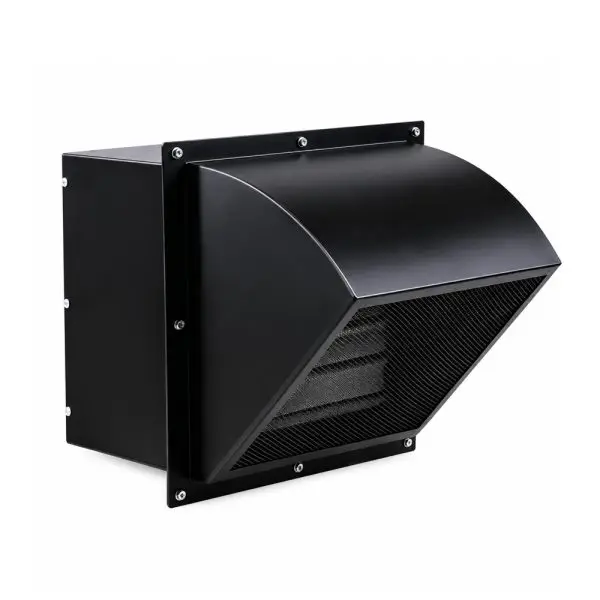 Electrical rooms, substations and pump rooms
Related guides
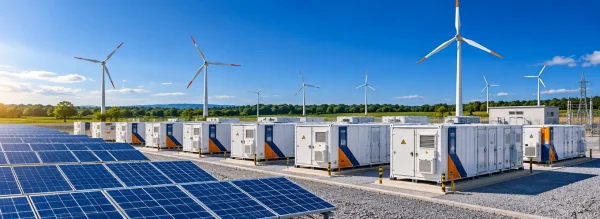 Renewable energy solutions →Overview of LONGWELL fan solutions for wind, solar and storage.
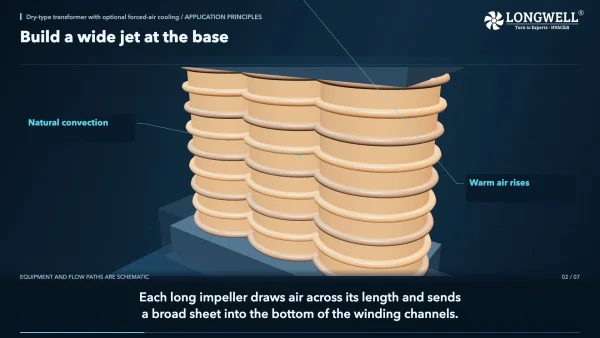 Dry-type transformer coolingCross-flow fans for forced-air transformer cooling.
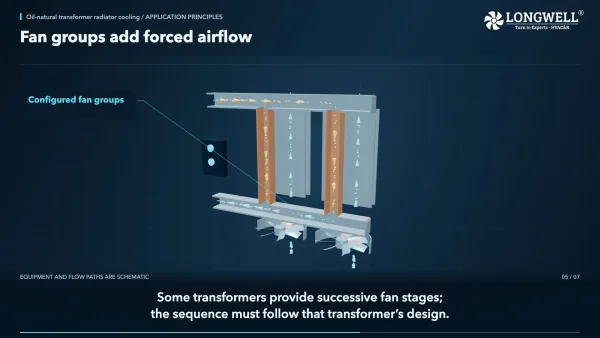 Oil-immersed transformer radiatorsFans on transformer radiators.
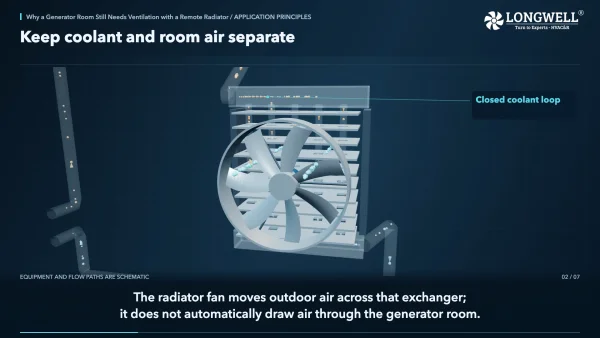 Generator roomsCombustion and cooling air for generator rooms.
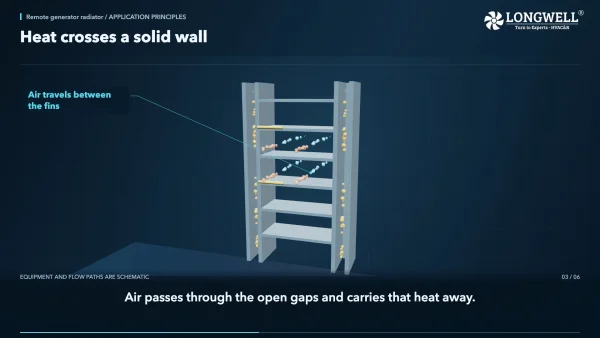 Remote generator radiatorsFans for remote radiator cooling.
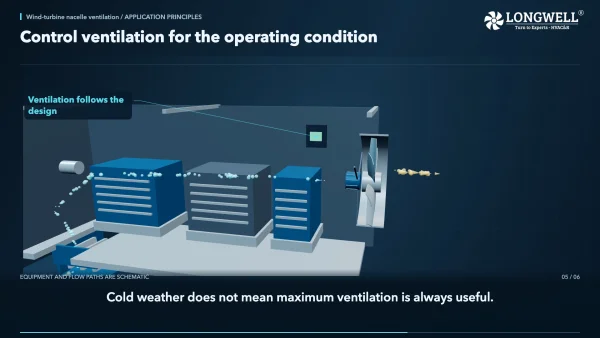 Wind turbine nacelle coolingCooling air for the nacelle.
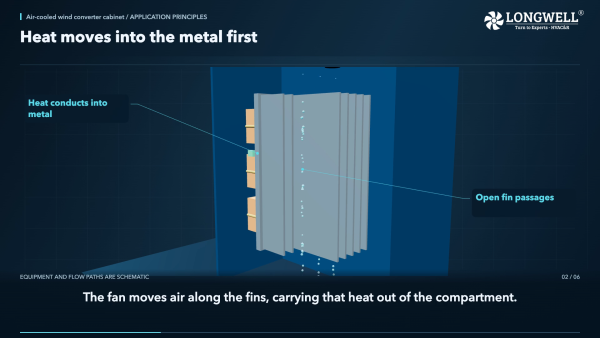 Wind converter heat sinksFans for converter cooling.
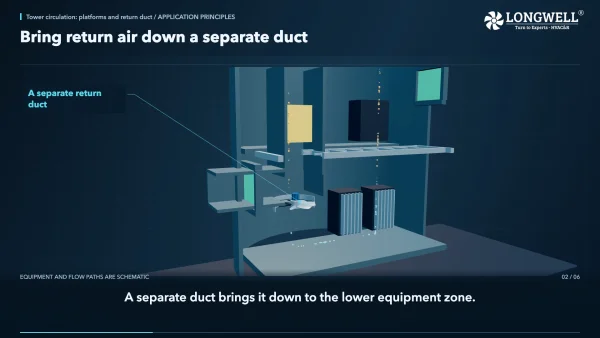 Wind turbine tower recirculationAir circulation inside the tower.
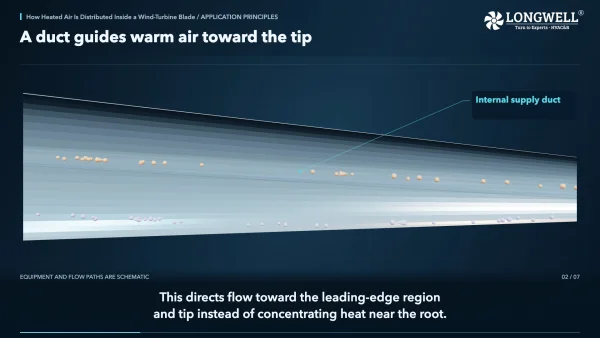 Blade hot-air heatingBlowers for blade de-icing systems.
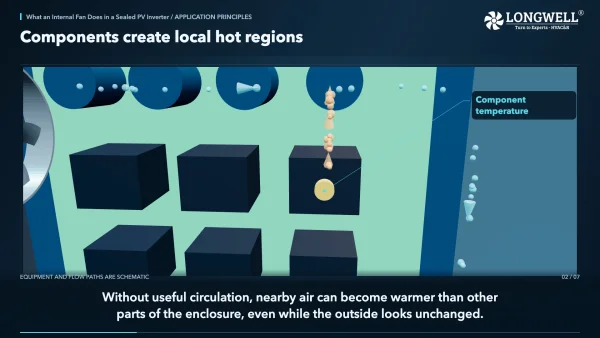 PV inverter coolingInternal fans for solar inverters.
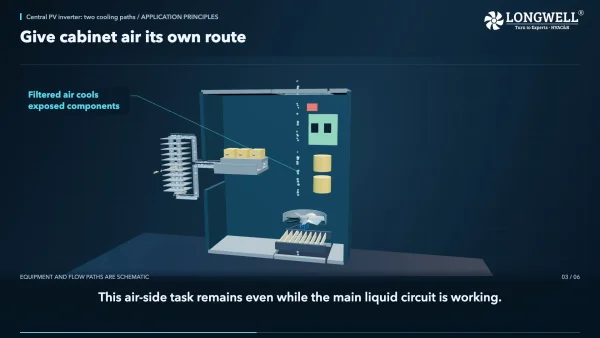 Central inverter auxiliary airflowAir paths in liquid-cooled inverters.
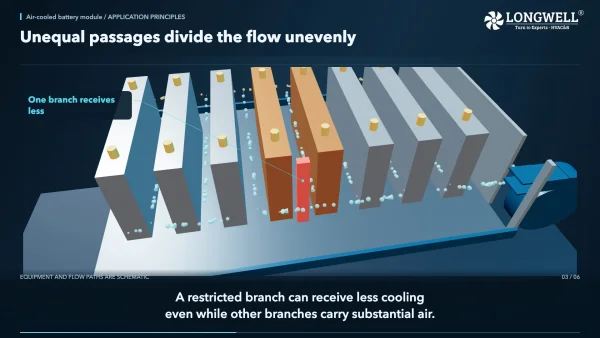 Battery energy storageThermal management airflow for BESS.
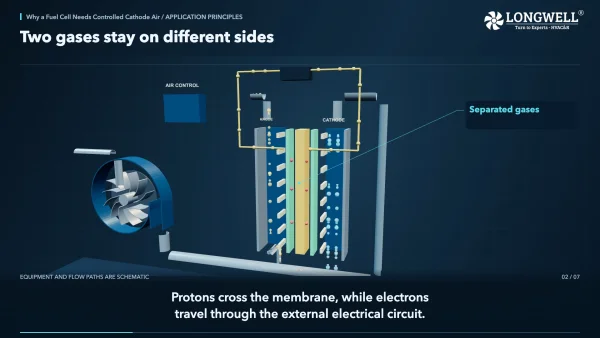 Fuel cellsAir supply blowers for fuel cell systems.
How to size cooling for power equipment
1. Heat loss
Use the equipment maker’s loss data: transformer losses, converter efficiency, battery heat generation.
2. Temperature limits
Take the maximum allowed temperature of the equipment or room and the highest expected inlet air temperature.
3. Airflow and resistance
Required airflow (m³/h) ≈ 3.1 × heat loss (W) ÷ allowed temperature rise (K). Then select the fan at the pressure of the heat sink, filters, louvres or ducts.
4. Environment and reliability
Outdoor and remote sites need protection from dust, rain and salt, a suitable operating temperature range and long service life. Where flammable gas can be present, for example hydrogen in some battery rooms, a hazardous-area assessment decides the fan type.
Fan families
- LWWEX-OR corner exhaust fans
- LWAF35-11 axial fans
- LWSJG mixed-flow duct fans
- EC axial fans and AC axial fans
What to include in your enquiry
- Equipment or room type; heat loss
- Maximum allowed temperature; site climate
- Air path: openings, filters, ducts
- Hazards: dust, salt, hydrogen or other gases
- Voltage, control and quantity
Send your power equipment cooling requirements →
FAQ
How much ventilation does a transformer room need?
Airflow (m³/h) ≈ 3.1 × transformer losses (W) ÷ allowed temperature rise (K), with inlets low and exhaust high so hot air leaves at the top.
Which fans are used in wind turbines?
Wind turbines use fans for nacelle cooling, converter heat sinks, air circulation in the tower and hot-air blade heating. Each has its own guide in this section.
Can LONGWELL supply fans for energy equipment manufacturers?
Yes. LONGWELL supplies AC, EC and DC fans to manufacturers of inverters, converters, transformers and storage systems, including OEM versions.