LONGWELL Encyclopedia: Duct Fans –Definition, Functions, and Complete Application Guide
In modern air dynamics systems and ventilation projects, duct fans are indispensable core components. As an industry-leading manufacturer of fans and motors, Ningbo Longwell Electric Technology Co., Ltd. (LONGWELL) is committed to providing the most efficient ventilation solutions. This article will thoroughly analyze the working principles, types, technical specifications, and maintenance guidelines of duct fans, helping you choose the most suitable product to improve the efficiency and economy of your ventilation systems.
1. What is a Duct Fan?
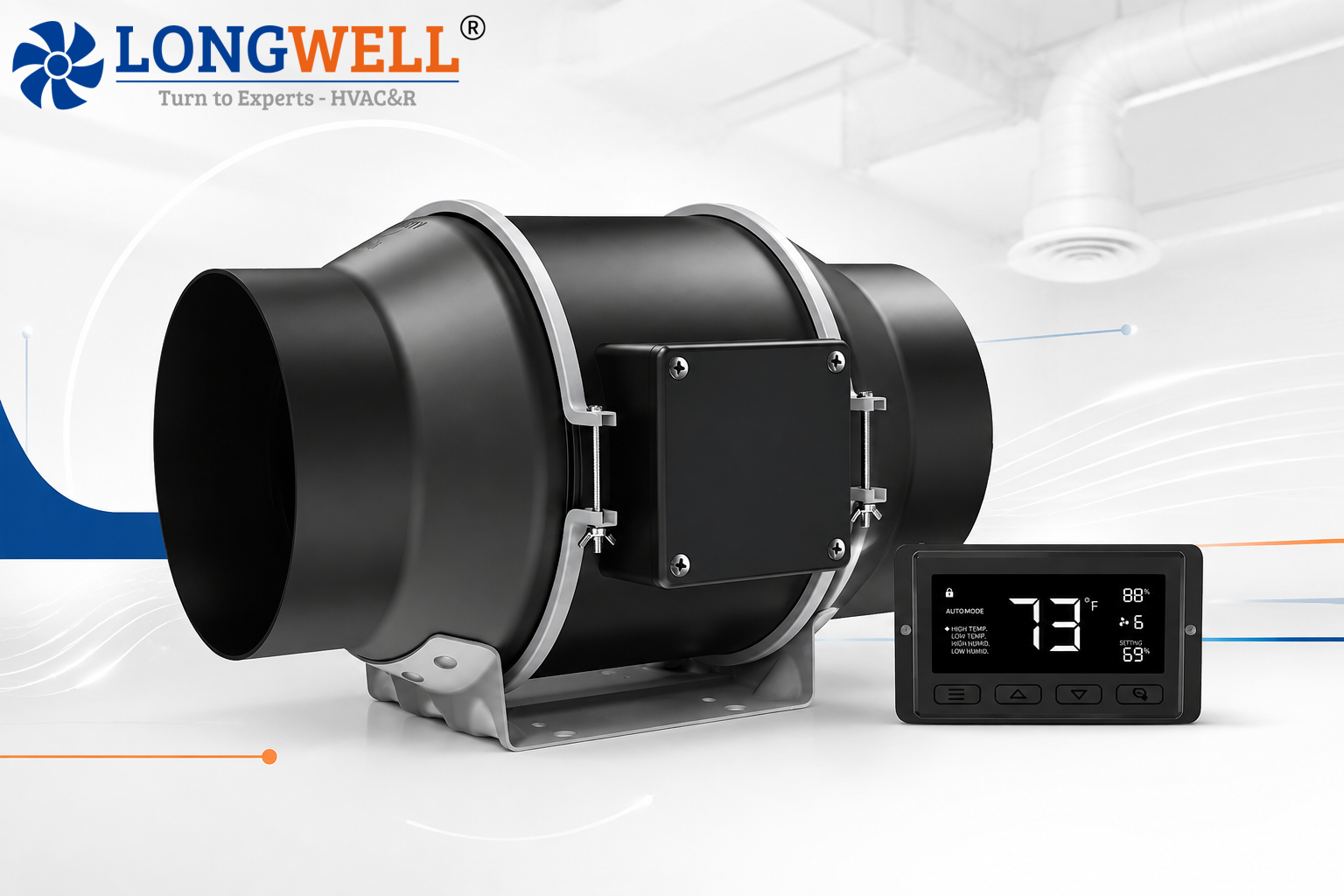
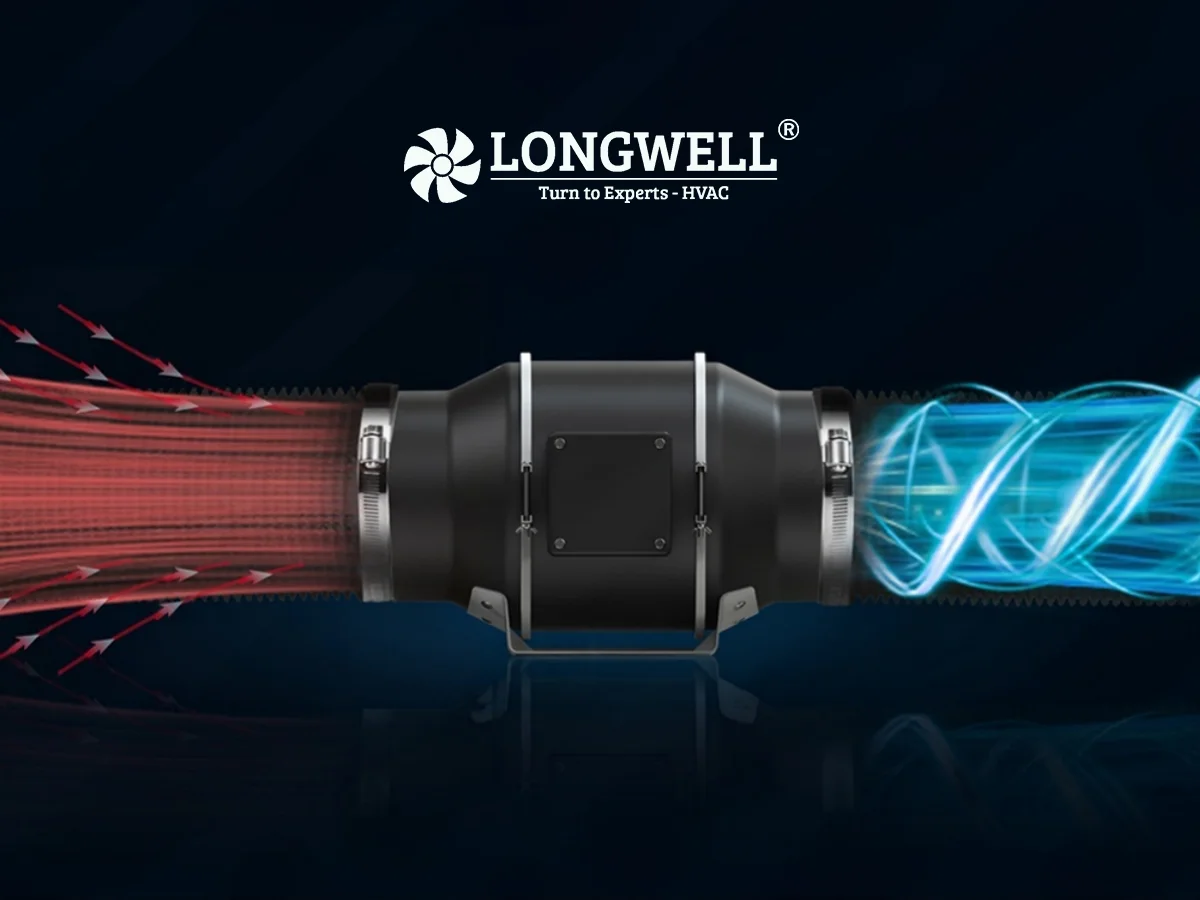
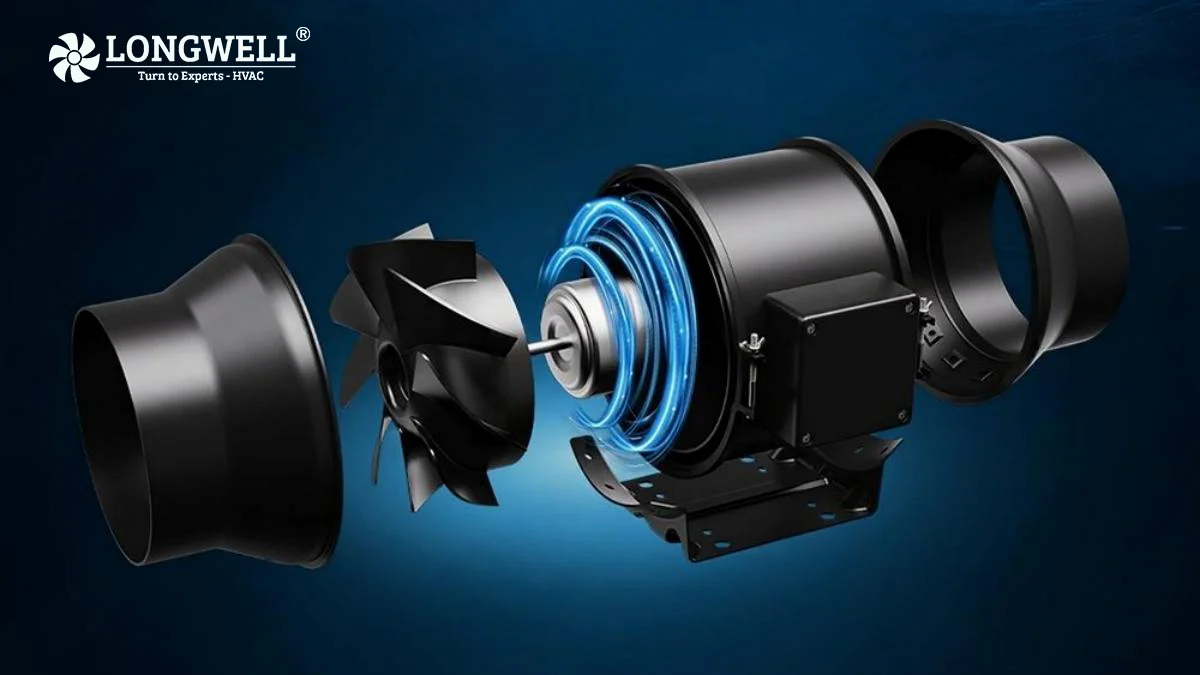
A duct fan (also known as a Duct Ventilator) is a fan device specifically designed to be directly embedded in ventilation ductwork. It is typically connected to the ducts via flanges at both ends, becoming an integral part of the entire airflow channel. Duct fans are capable of flexibly providing either air supply or exhaust functions according to the specific requirements of the application.
2. The Four Core Advantages of Duct Fans
Duct fans demonstrate the following four significant advantages by establishing stable airflow conditions within closed ducts:
- Precise Airflow Delivery: Duct fans can precisely control the amount of air or gas delivered within a specific time frame, ensuring uniform distribution and improving ventilation efficiency.
- Powerful System Pressure Building Ability: By accelerating airflow to generate pressure increase, duct fans effectively overcome various resistances in the duct system (e.g., pressure losses caused by filters, elbows, and branching ducts), ensuring stable airflow and pressure.
- Significant Improvement in Air Quality: Duct fans provide continuous air replacement for buildings, industrial workshops, or complex processes requiring exhaust, optimizing indoor environmental quality.
- Extremely High Space Integration: Thanks to the direct or flange installation design, duct fans save installation space, making them ideal for systems with limited space.
3. The Main Types of Duct Fans
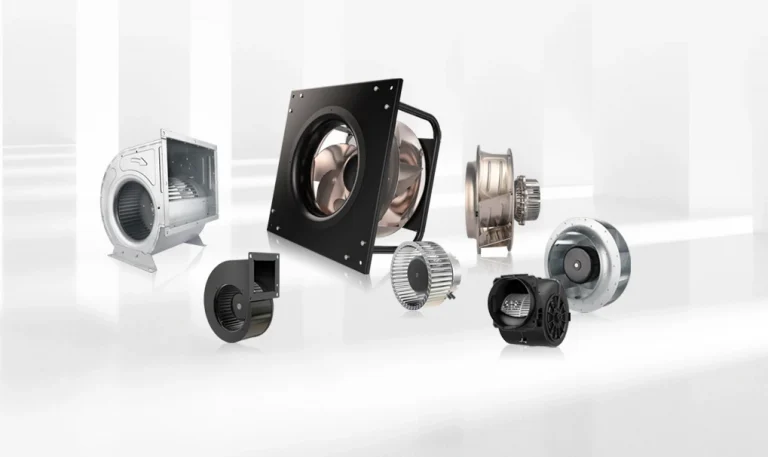
Duct fans come in several common types based on airflow dynamics. Different application scenarios require varying levels of airflow pressure and volume, so selecting the appropriate type of duct fan is critical.
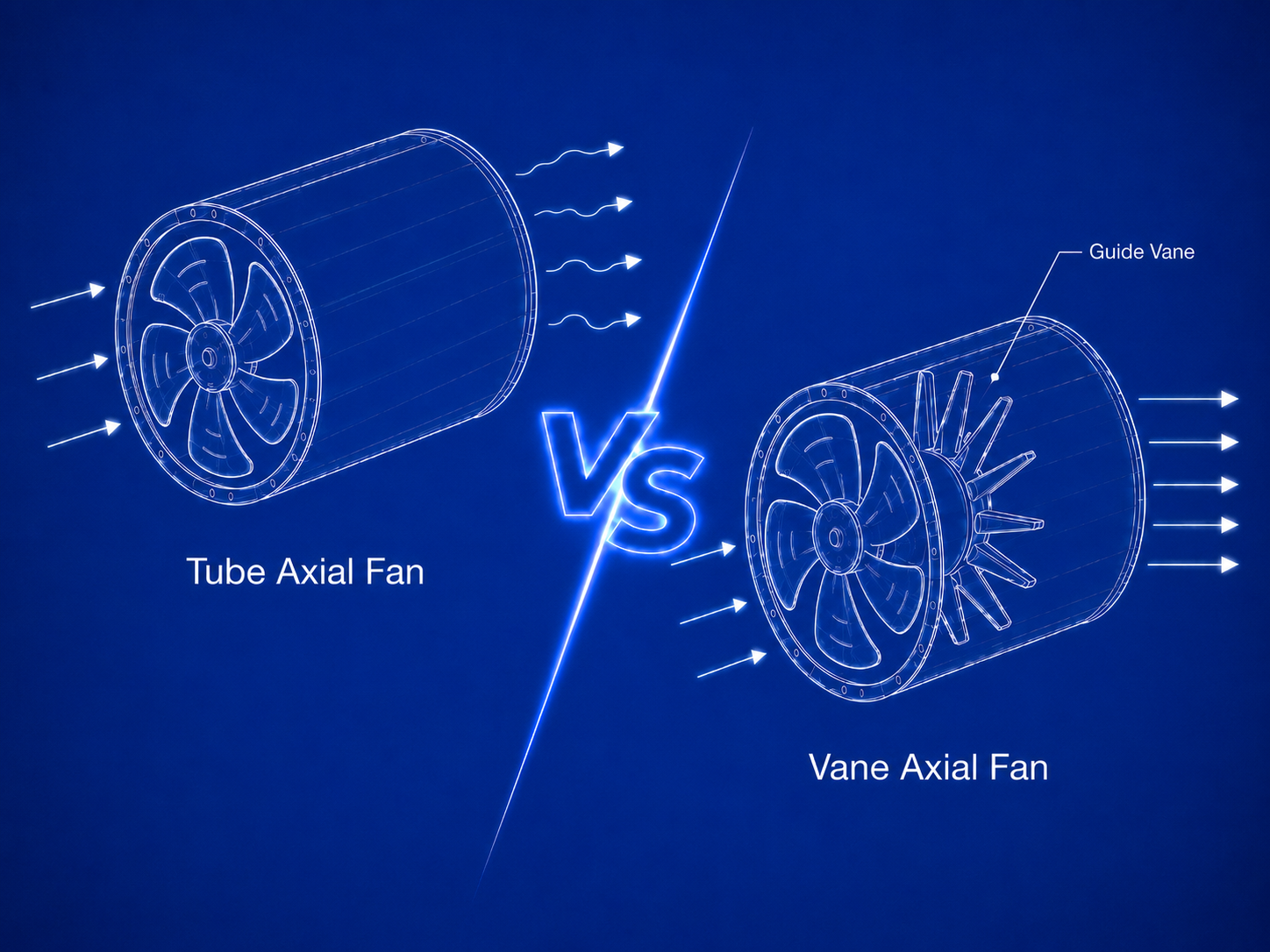
Axial Duct Fans
Air flows parallel to the axis of the motor.
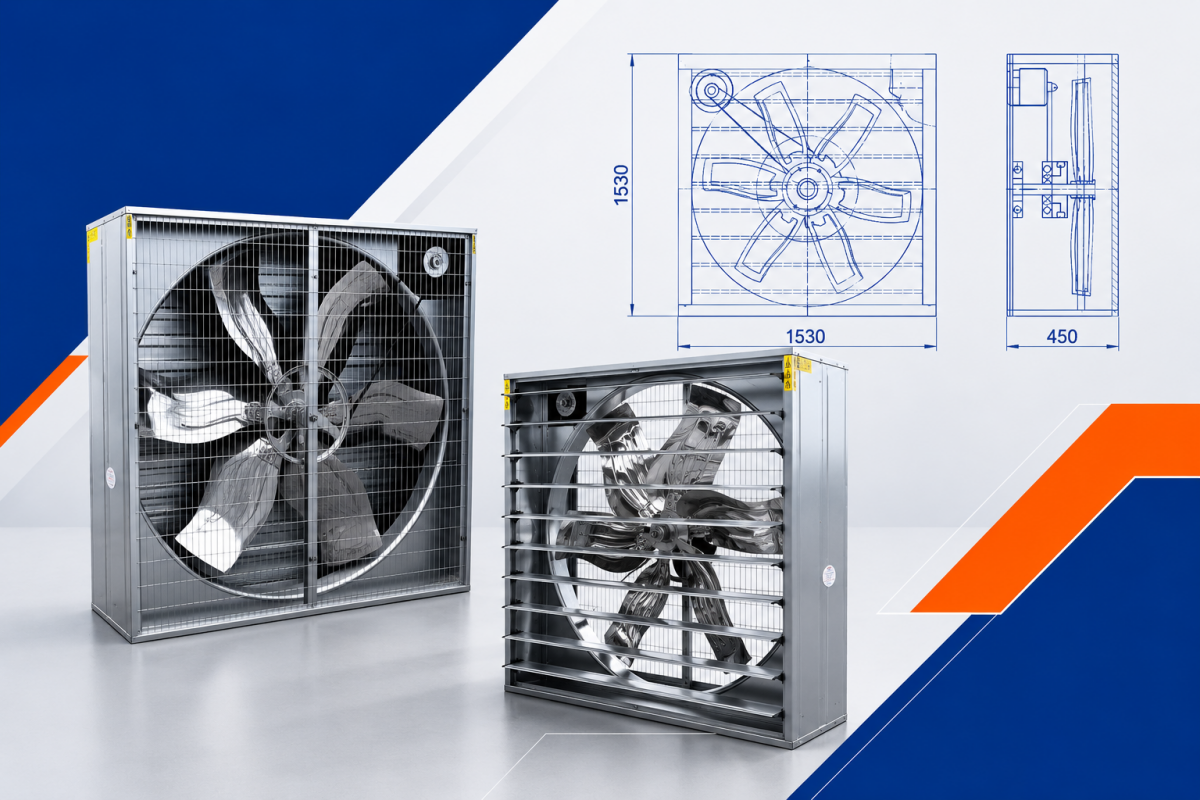
Advantages & Applications: Excellent airflow/volume ratio, ideal for short ducts or low-pressure loss environments requiring high airflow and low to medium pressure, such as underground parking ventilation and smoke extraction in case of fire.
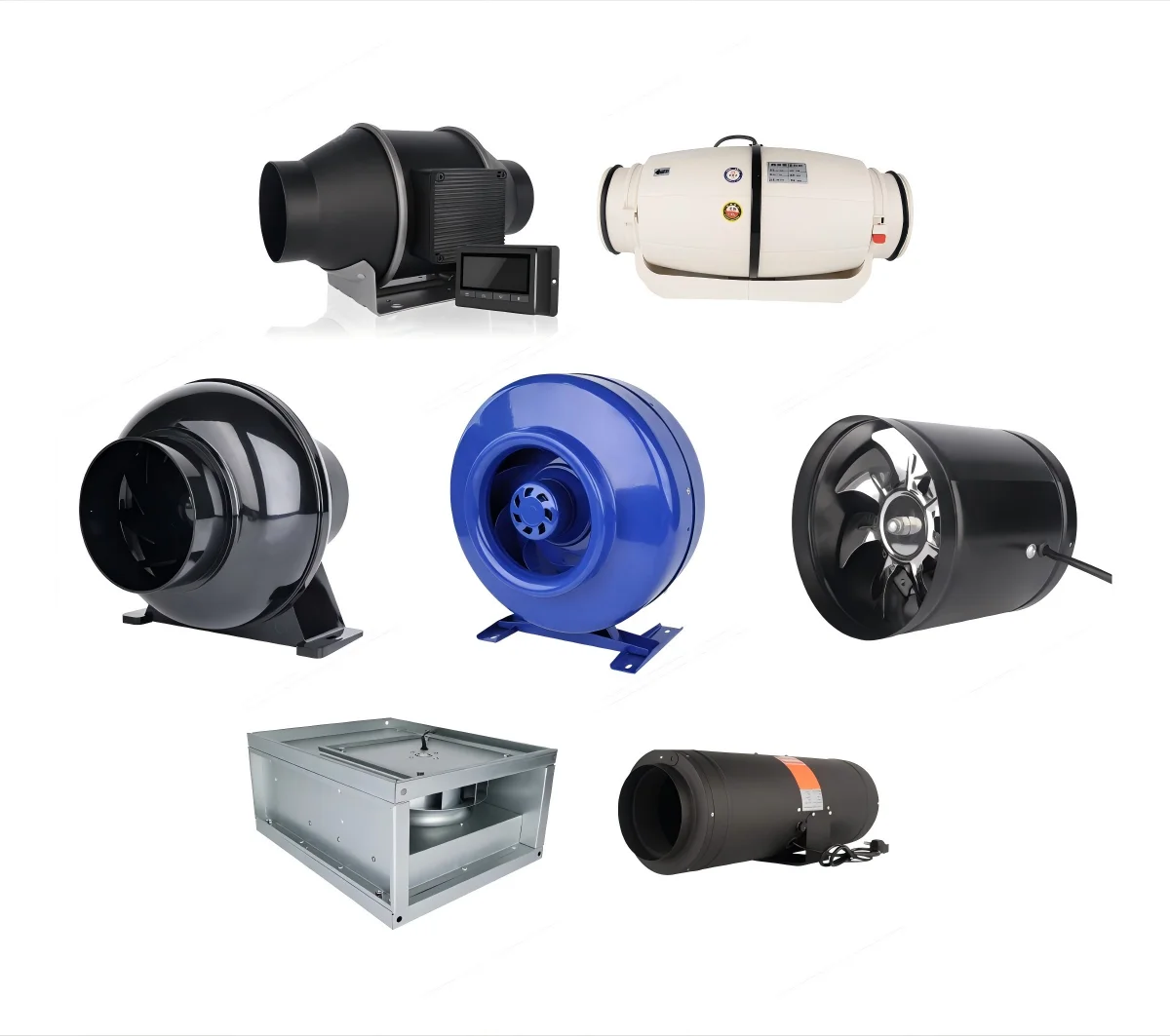
Centrifugal Duct Fans
Air is drawn in along the axis and then redirected by the fan wheel to exit radially.
Advantages & Applications: Insensitive to system resistance, these are the best choice for systems with high resistance, such as those with complex filter systems, long duct runs, or laboratory air supply.
Mixed Flow (Oblique Flow) Duct Fans
The impeller has tapered blades, making it a hybrid of axial and centrifugal designs.
Advantages & Applications: Ideal for applications where a balance between “moderate pressure” and “moderate airflow” is needed in tight spaces, commonly used in HVAC and mixed air systems.
4. Working Principles and LONGWELL Installation Guidelines
Working Principle
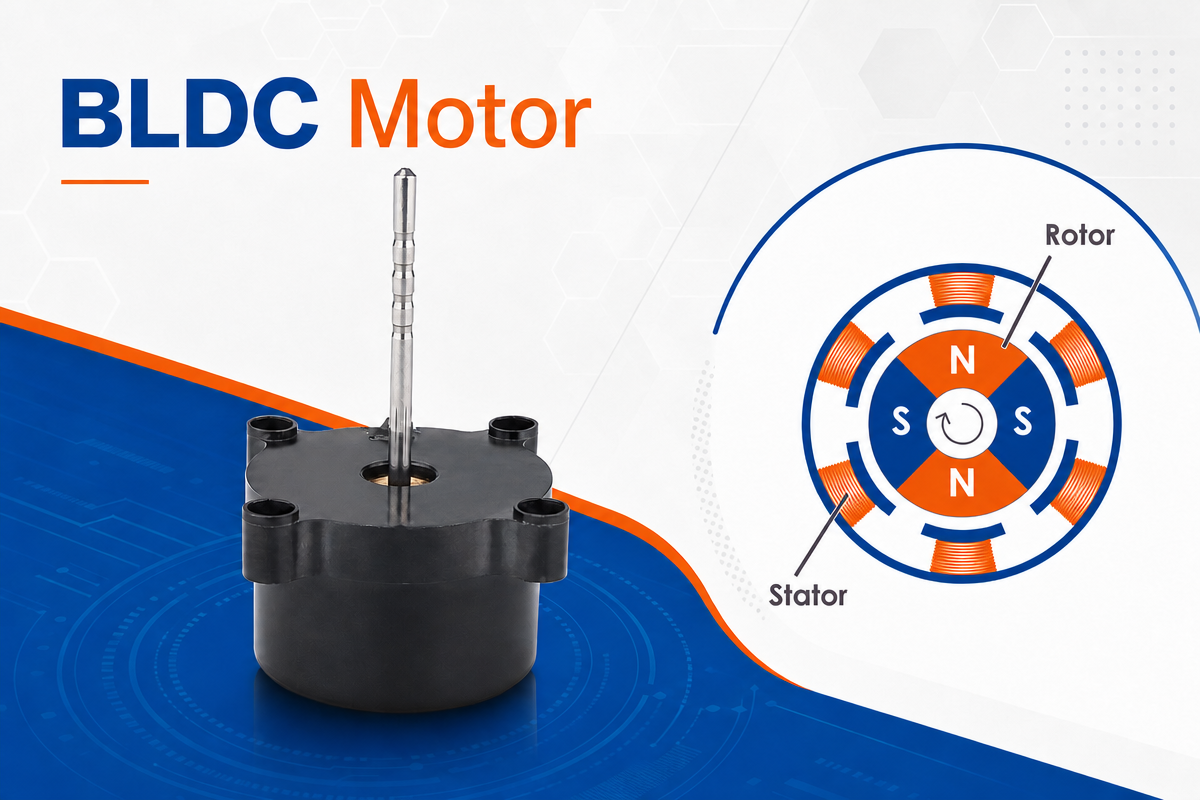
The core components of a duct fan include the impeller and motor. The motor converts electrical energy into kinetic energy, which drives the impeller to rotate. The rotating blades accelerate the air or gas, generating pressure and airflow, which moves the medium through the ductwork.
LONGWELL Installation Guidelines
- Airflow should be kept as straight and uniform as possible at the inlet and outletto improve fan efficiency and reduce noise.
- Safety Distance: For axial duct fans, LONGWELL recommends maintaining a linear distance of at least 2.5 times the impeller diameter between the fan and walls, elbows, or other obstacles.
- Pipe Diameter Changes: Changes in duct diameter directly affect airflow speed. When the duct diameter varies, system design, motor selection, and airflow evaluation must fully account for this change to meet energy efficiency and acoustic requirements.
5. Four Key Application Areas for Duct Fans
Duct fans can be used in any scenario where air or gas needs to be delivered, extracted, or injected through ducts. LONGWELL duct fans are widely used in the following sectors:
- High-Temperature and Fire Applications: Such as smoke extraction systems in buildings that meet fire safety standards.
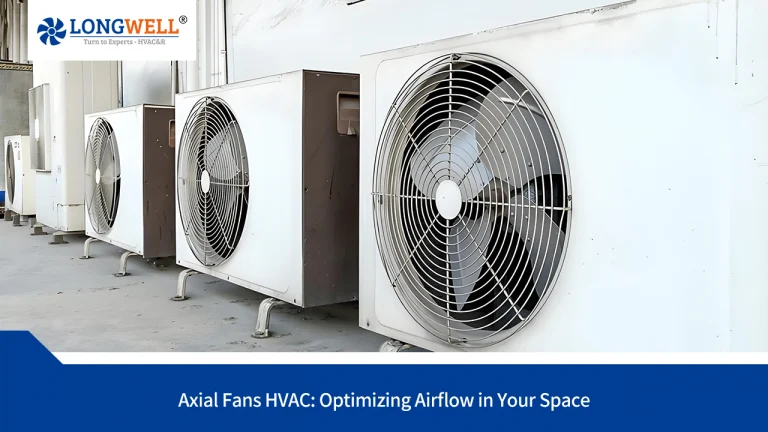
- Building Ventilation and Air Conditioning (HVAC): For air supply and exhaust systems in commercial buildings and residential properties, as well as for distributing cooling and heating air.
- Industrial and Process Technology: Used in exhaust systems for gases, chemical gas delivery, and other specific needs.
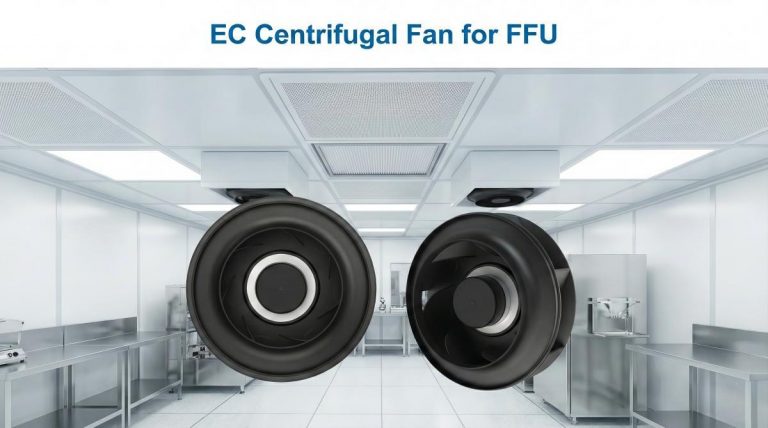
- Specialized Environments: For clean rooms, sanitary areas, laboratories, and explosion-proof areas, ensuring both air quality and safety.
 6. Key Technical Specifications and Selection Considerations
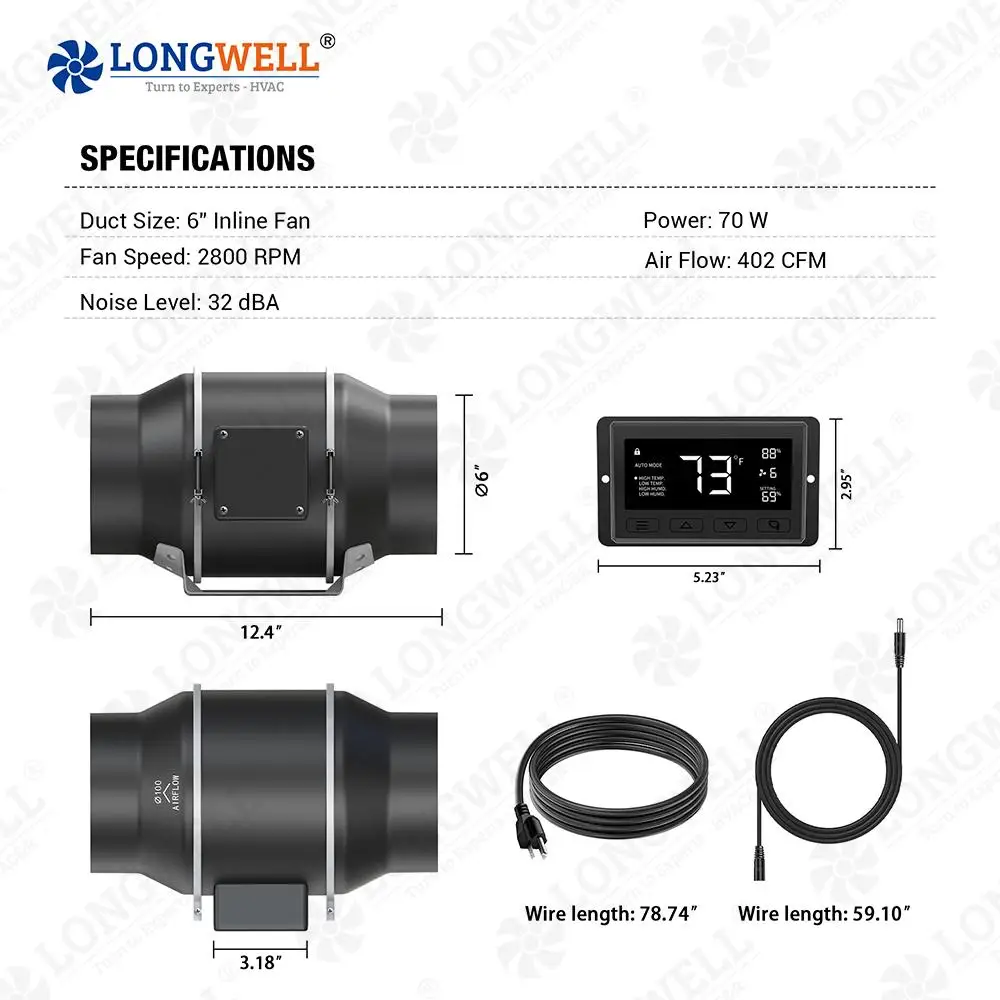
When selecting a duct fan for a system, in addition to basic specifications such as airflow, pressure, efficiency, power consumption, and speed, the following deep technical indicators should also be considered:
- System Efficiency: When evaluating the economic performance of the fan, it is essential to consider system factors such as inlet/outlet losses, not just the fan unit alone.
- Part-Load Characteristics: The fan’s performance curve must be stable and easy to control, and issues like stall or surge should be avoided during operation.
- Noise Control: For noise-sensitive environments, such as clean rooms, the fan must operate with extremely low noise levels.
- Pressure Loss Coefficient: The system design should precisely calculate the potential pressure losses caused by geometric factors such as sharp bends.
- Temperature Ratings and Explosion-Proof Requirements: In hazardous environments, the fan material and its ability to withstand temperature and chemical reactions must be strictly assessed.
- Intelligent Speed Control: Using EC (Electronically Commutated) technology, fans can be speed-controlled to operate according to demand, or standard AC motors can be equipped with frequency converters.
7. How to Extend the Lifespan of Duct Fans?
The lifespan of a duct fan is closely related to the application environment and maintenance frequency. The following recommendations can help extend the lifespan of duct fans:
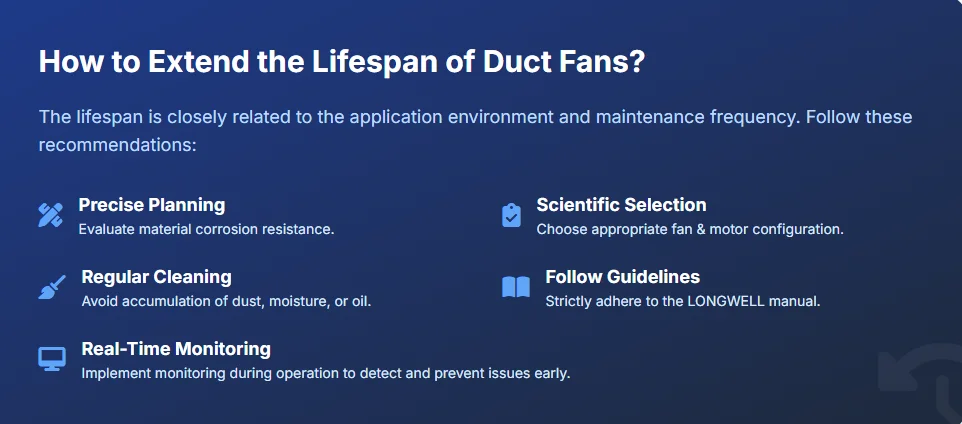
- Precise Planning & Design: When designing the system, fully evaluate the material’s corrosion resistance and other critical factors.
- Scientific Fan Selection: Choose the most suitable type of fan and motor configuration for the specific application.
- Regular Inspection & Cleaning: Ensure periodic inspection and cleaning to avoid the accumulation of dust, moisture, or oil that could affect fan performance.
- Follow Installation & Maintenance Guidelines: Strictly adhere to the installation manual provided by LONGWELL to ensure compliance with safety and technical standards.
- Real-Time Monitoring: Implement a real-time monitoring system during fan operation to detect potential issues early and prevent problems.