In-Depth Guide: Core Technology and Selection Guide for Cross Flow Fans
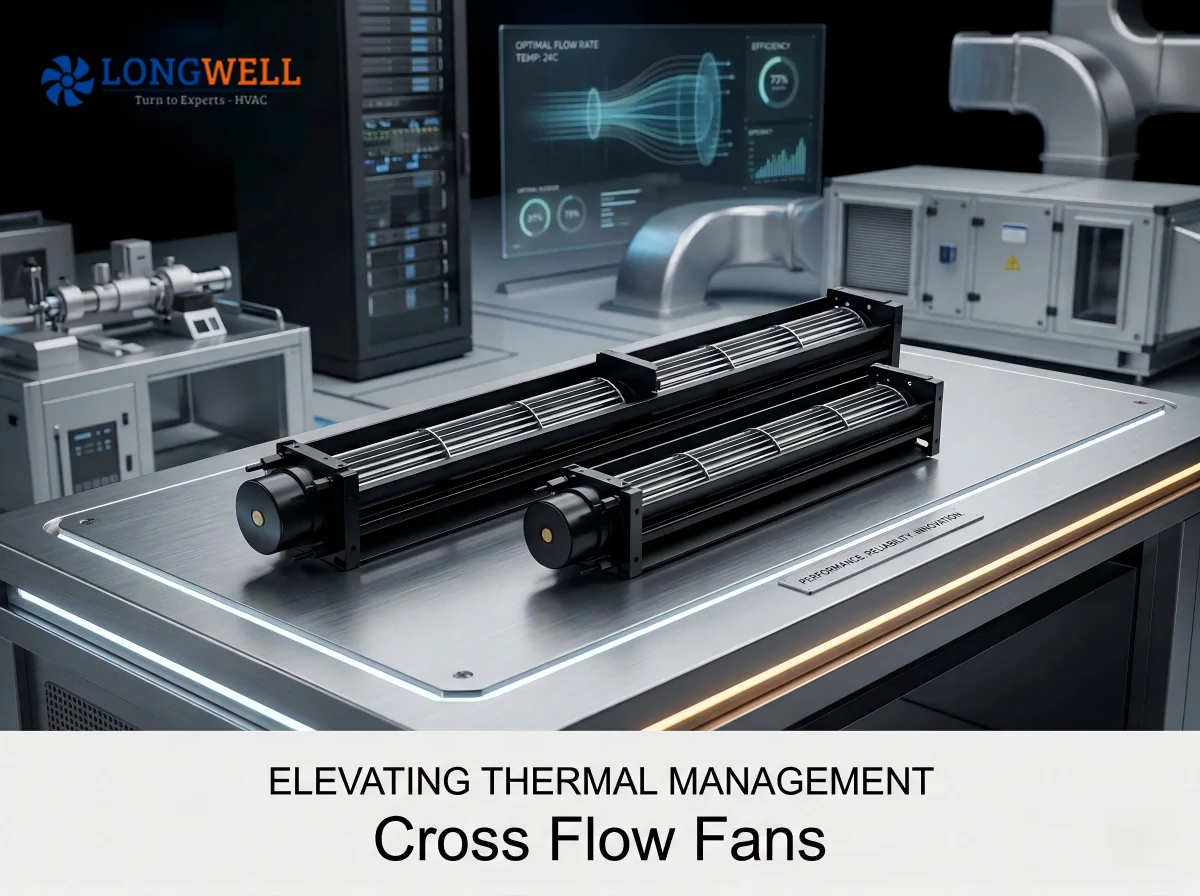
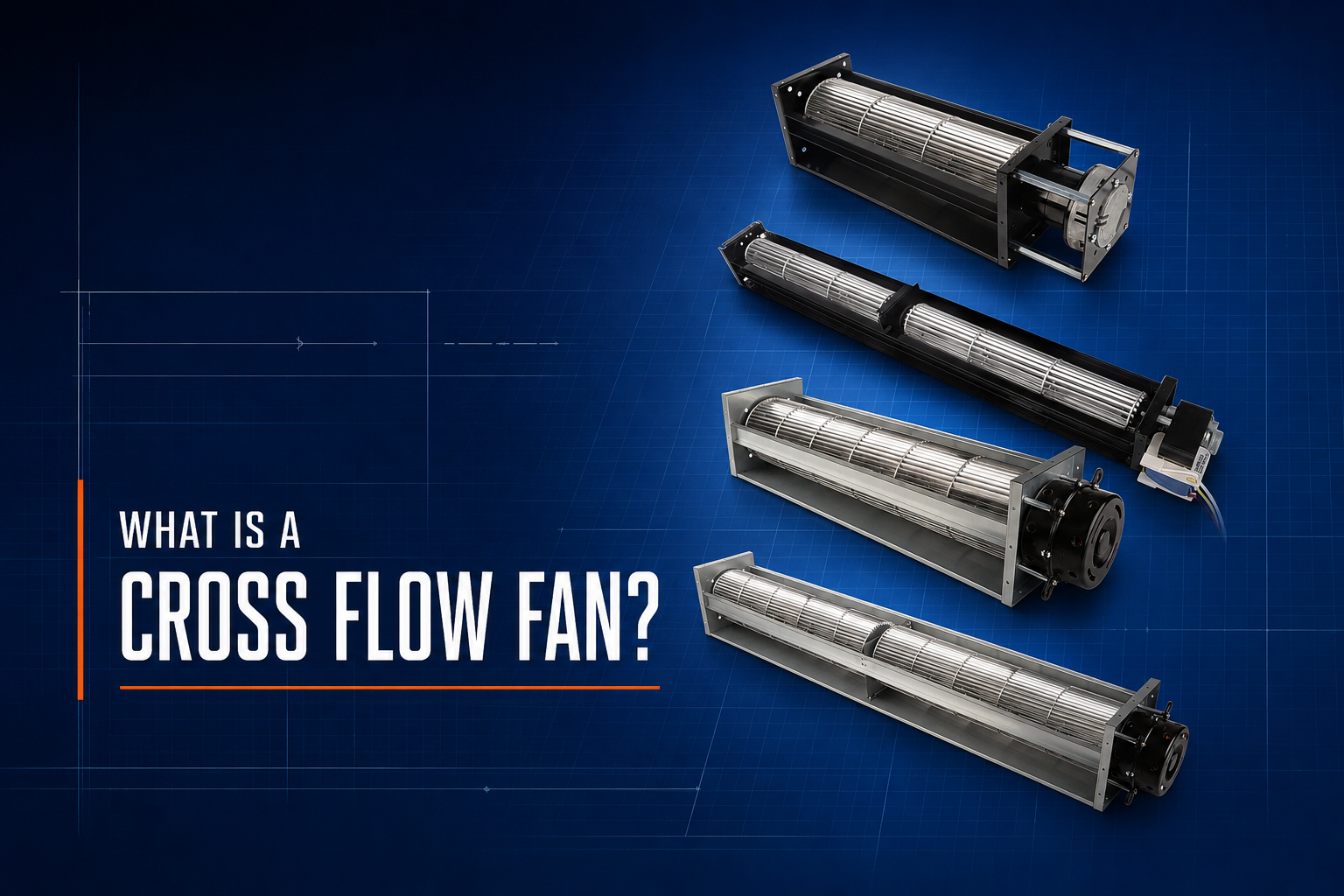
In modern ventilation, temperature control, and commercial refrigeration equipment, one type of fan holds an irreplaceable position due to its unique shape and excellent airflow distribution capabilities: the Cross Flow Fan (also widely known as a tangential fan).
For equipment R&D and procurement personnel, selecting a truly durable, efficient, and quiet fan from a myriad of specifications is a challenging task. As a global fan manufacturer driven by technological innovation, LONGWELL rarely engages in overwhelming advertising campaigns. Instead, we have always focused our efforts on refining product details, steadily building our presence in the industry through solid offline customer word-of-mouth.
Today, LONGWELL’s R&D experts will take you through a deep breakdown of the internal structure and working principles of cross flow fans, providing you with a professional and detailed selection guide.
1. Unveiling the Working Principle: A Unique Airflow Trajectory
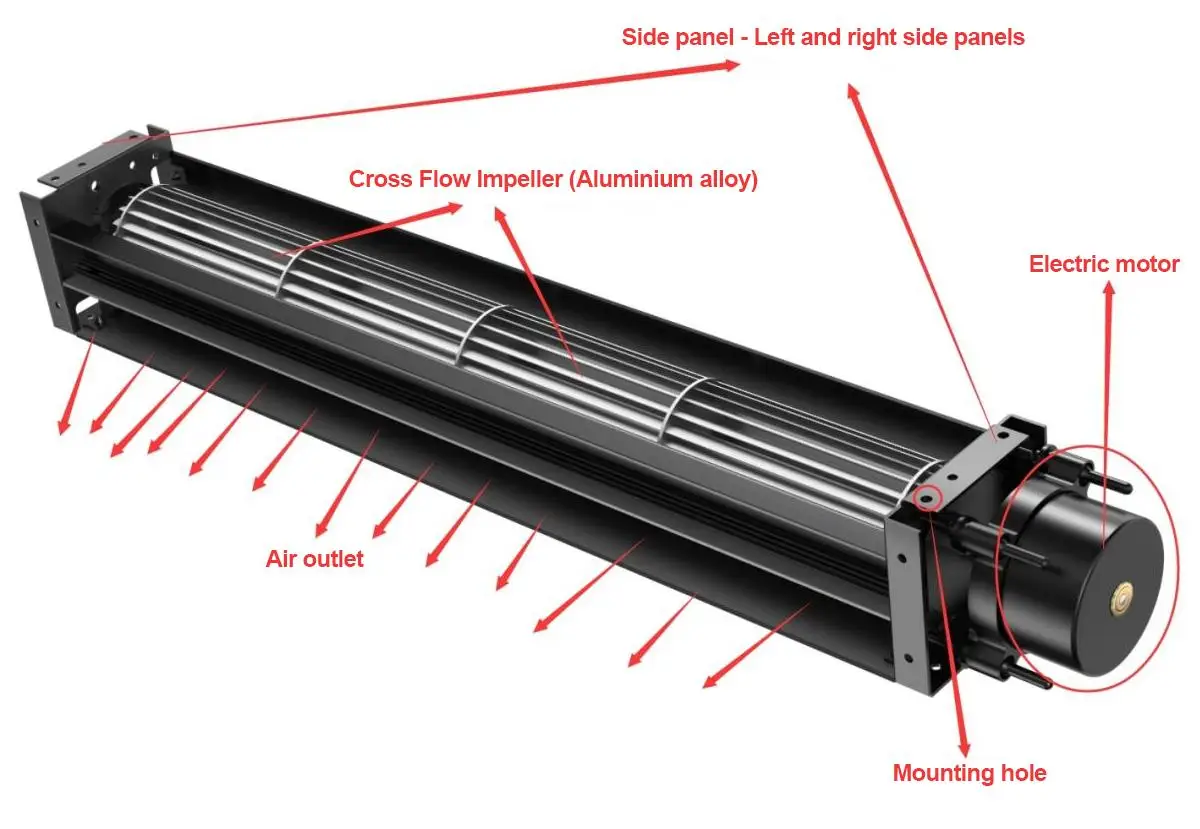
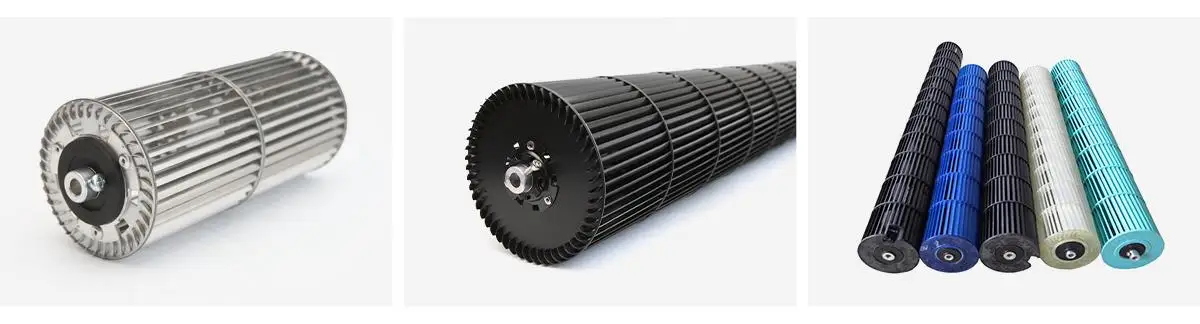
The most striking visual feature of a cross flow fan is its elongated, barrel-shaped impeller equipped with multiple forward-curved blades. Unlike common axial or centrifugal fans, its airflow trajectory is highly unique:
· Penetrating Airflow Circulation: When the impeller rotates at high speed, air does not enter axially. Instead, it is drawn in directly through the opening on one side, flows across the internal structure of the impeller, and is finally discharged from the other side, creating a broad and uniform working airflow.
· Complex Internal Aerodynamics: The internal airflow dynamics are highly complex, and the velocity field is inherently unstable. During operation, a vortex typically forms near the “vortex tongue” inside the impeller. The presence of this vortex causes a circulating flow at the impeller’s outlet, resulting in beautifully curved streamlines inside.
· Decisive Performance Factors: Due to this specific physical phenomenon, the flow velocity at different points on the impeller’s outer circumference is inconsistent—velocity is higher near the vortex core and lower near the vortex tongue. This means the air velocity and working pressure distribution at the fan’s outlet are uneven. Key takeaway: The exact location of this vortex significantly impacts overall performance. The fan exhibits optimal characteristics only when the vortex closely follows the impeller’s inner circle and sits near the vortex tongue. Conversely, if the vortex shifts away, it not only reduces efficiency but also leads to highly unstable total airflow.
2. Rejecting Noise Anxiety: LONGWELL’s Structural Design & Acoustic Technology
Whether applied in air curtains, electric fireplaces, floor heating, or air conditioning units, noise control is always the core metric customers care about most. Cross flow fans inherently possess acoustic advantages, but achieving ultimate quietness requires meticulous structural and acoustic engineering:
· The Natural Advantage of the Tubular Design: The large, barrel-shaped blades allow the fan to maintain a massive overall air circulation volume while operating at a relatively low speed ratio. This reduction in rotational speed fundamentally slashes the wind and mechanical noise generated by high-speed operation.
· High-Precision Rotor Dynamic Balancing: Just as the tires of a high-end car require precise balancing, every LONGWELL fan impeller undergoes rigorous rotor dynamic balance calibration before leaving the factory. This time-consuming process involves accurately adding tiny balance weights to specific positions on the impeller. The precise location and quantity of these weights not only determine the smoothness of operation but also directly affect the fan’s ultimate lifespan.
· Acoustically Optimized “Irregular” Blades: This is a crucial detail easily overlooked. We utilize a carefully calculated irregular blade pitch design. This intentional irregularity ensures that as the rotating impeller cuts through the air, it generates a broader “broadband noise” rather than a concentrated, annoying tonal noise at a specific frequency. Broadband noise sounds much closer to the natural whistling of the wind, significantly reducing auditory fatigue for the human ear.
3. Procurement Pitfall Guide: Zero Compromise on Materials and Core Power
In actual procurement and application, compromising on materials and motors to cut costs often leads to exorbitant after-sales maintenance expenses.
A Sturdy Impeller Material is the Foundation
Cross flow impellers are elongated. If manufactured with inferior materials, the flaws might not be immediately apparent, but under long-term operation or in environments with significant temperature variations, they are highly prone to bending and deformation. Once the blades fail to maintain a perfectly straight line, it triggers severe vibration and piercing noise. Therefore, LONGWELL insists on using high-strength Aluminum Alloy or premium ABS plastic to craft our impellers, ensuring absolute stability under complex working conditions.
Core Power: Selecting the Right Motor
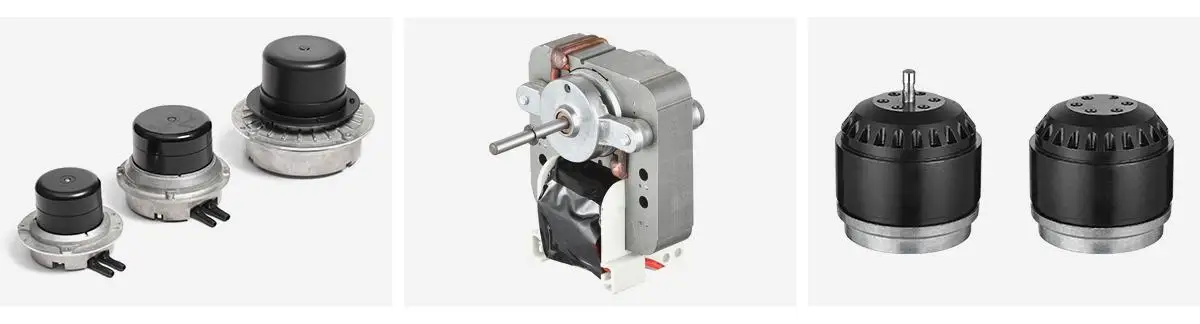
The flawless operation of the impeller relies entirely on its driving motor. Poor-quality motors result in sluggish operation, severely compromised efficiency, and a persistent, annoying electrical hum. LONGWELL offers a variety of high-performance motor options to match different application scenarios and energy consumption standards:
· EC Brushless External Rotor Motors (Electronically Commutated): The top choice for ultimate efficiency. Utilizing electronic commutation technology, these motors achieve extremely high operational efficiency. They are not only more durable and quieter but can also save up to 50% in power consumption, perfectly aligning with today’s global energy-saving and emission-reduction trends.
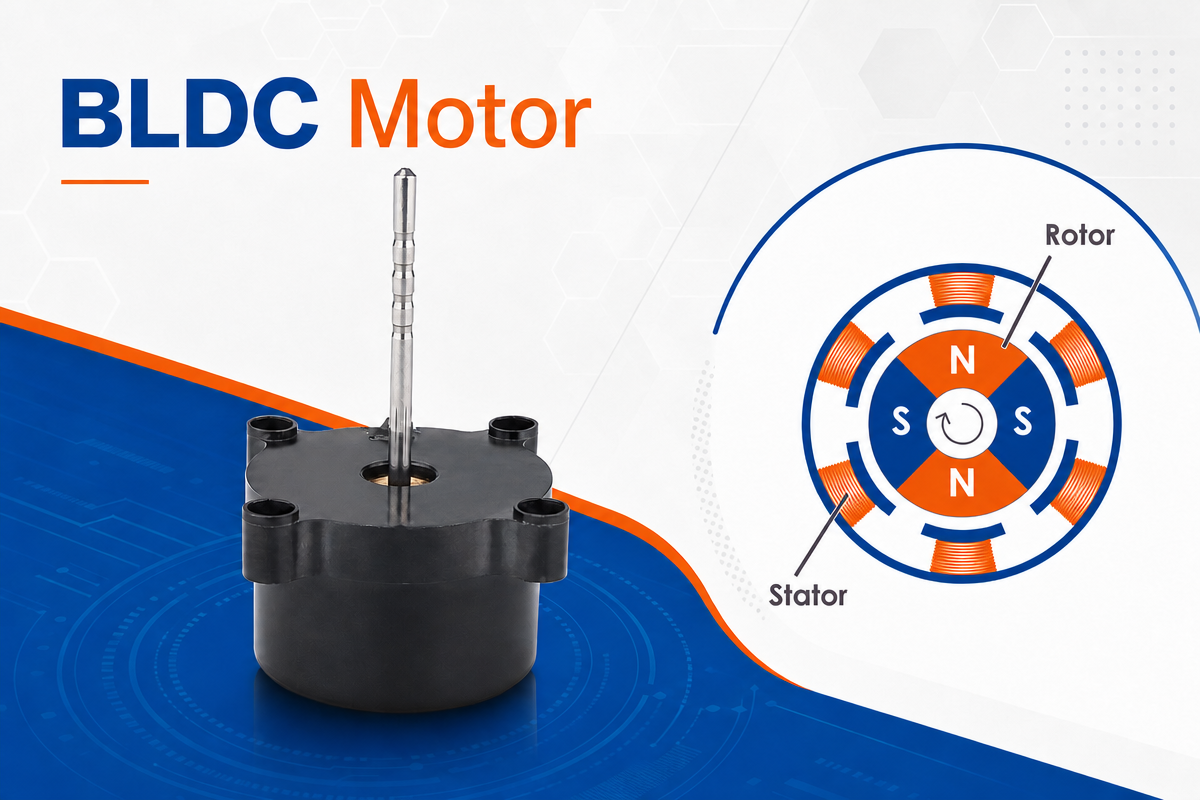
· DC Brushless External Rotor Motors (BLDC): Similarly offering outstanding performance and longevity.
· AC Shaded Pole Motors & AC Capacitor Motors: Classic, reliable AC drive solutions, suitable for traditional projects with specific cost and baseline performance requirements.
4. LONGWELL Cross Flow Fan Specifications Overview
We offer one of the most comprehensive specification matrices in the industry to meet your diverse product design needs:
|
Core Parameters |
LONGWELL Available Specifications & Details |
|---|---|
|
Model Specifications |
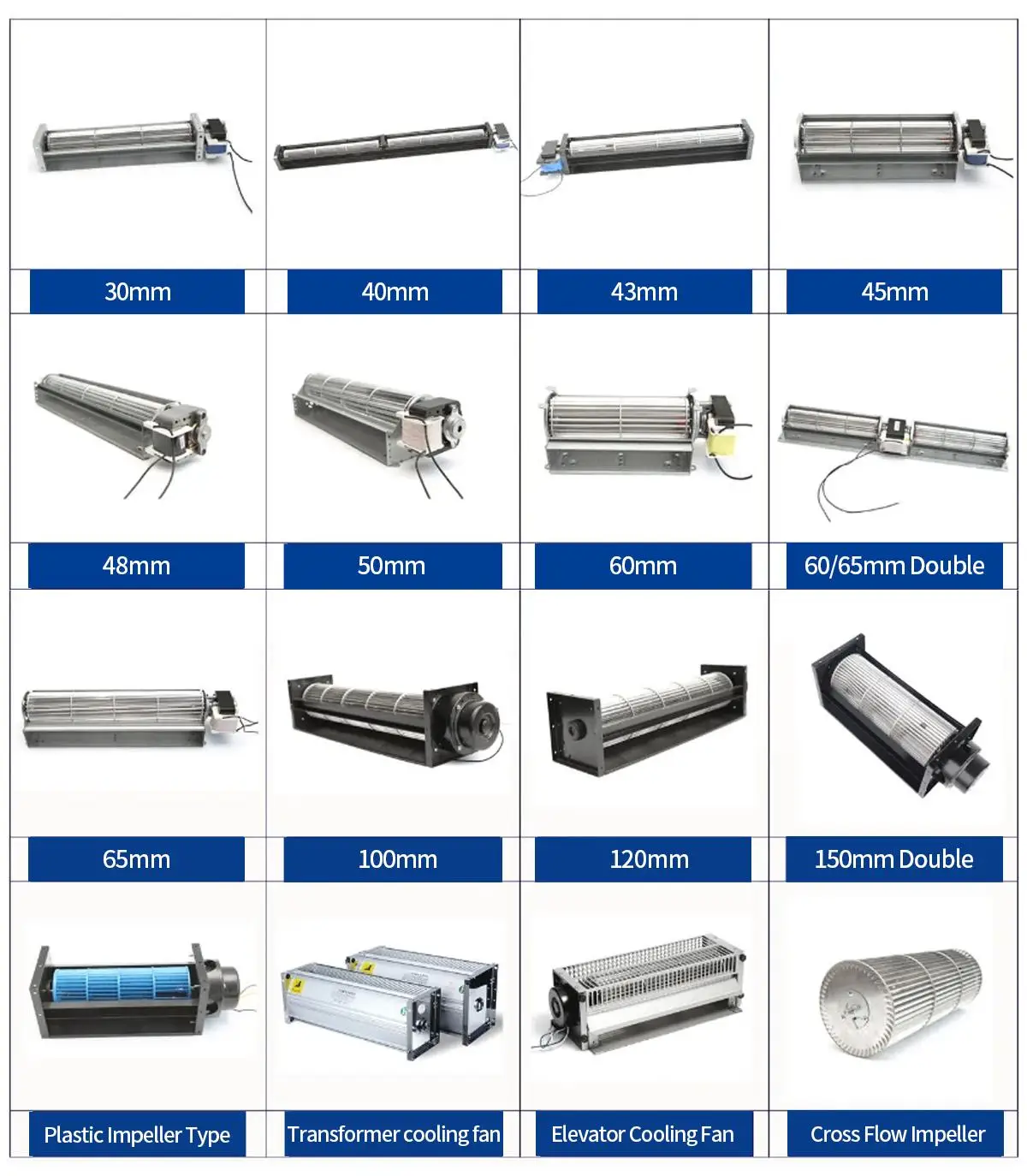
30*L to 200*L (Customizable length L range: 100mm ≤ L ≤ 1200mm) |
|
Impeller Material |
Aluminum Alloy / ABS Plastic |
|
Size Options |
Hub Diameter: 6mm, 8mm, 10mm, 12mm, 12.7mm |
|
Shaft Diameter: 6mm, 8mm, 10mm, 12mm |
|
|
Voltage Support |
AC: 115V (North American Standard) / 230V |
|
DC: 12V / 24V / 48V / 80V / 310V |
|
|
Frequency & Speed |
AC / EC / DC are universal for 50Hz or 60Hz. |
|
AC series supports single/double/three-speed adjustment; EC/DC series supports 0-10V or PWM stepless smart speed control. |
|
|
Wide Applications |
Air Curtains, Electric Fireplaces, Heaters, Floor Heating Systems, Commercial Refrigeration Equipment, Precision Air Conditioning, etc. |
Looking for Your Exclusive Ventilation Solution?
Whether you are developing new refrigeration equipment or seeking to optimize the air circulation in existing temperature control systems, LONGWELL is ready to provide professional technical support. We firmly believe that exceptional product quality and authentic customer word-of-mouth speak louder than a thousand marketing campaigns.
Welcome to visit our official website at www.longwellfans.com for more detailed information, or contact our technical sales team directly to embark on a high-efficiency ventilation journey tailored just for you.
Would you like me to draft a short LinkedIn post or an email newsletter based on this English version to help drive traffic to your website?