Real-World Efficiency: 4 Critical Applications of Tangential Blowers in Modern HVAC & Heating Systems
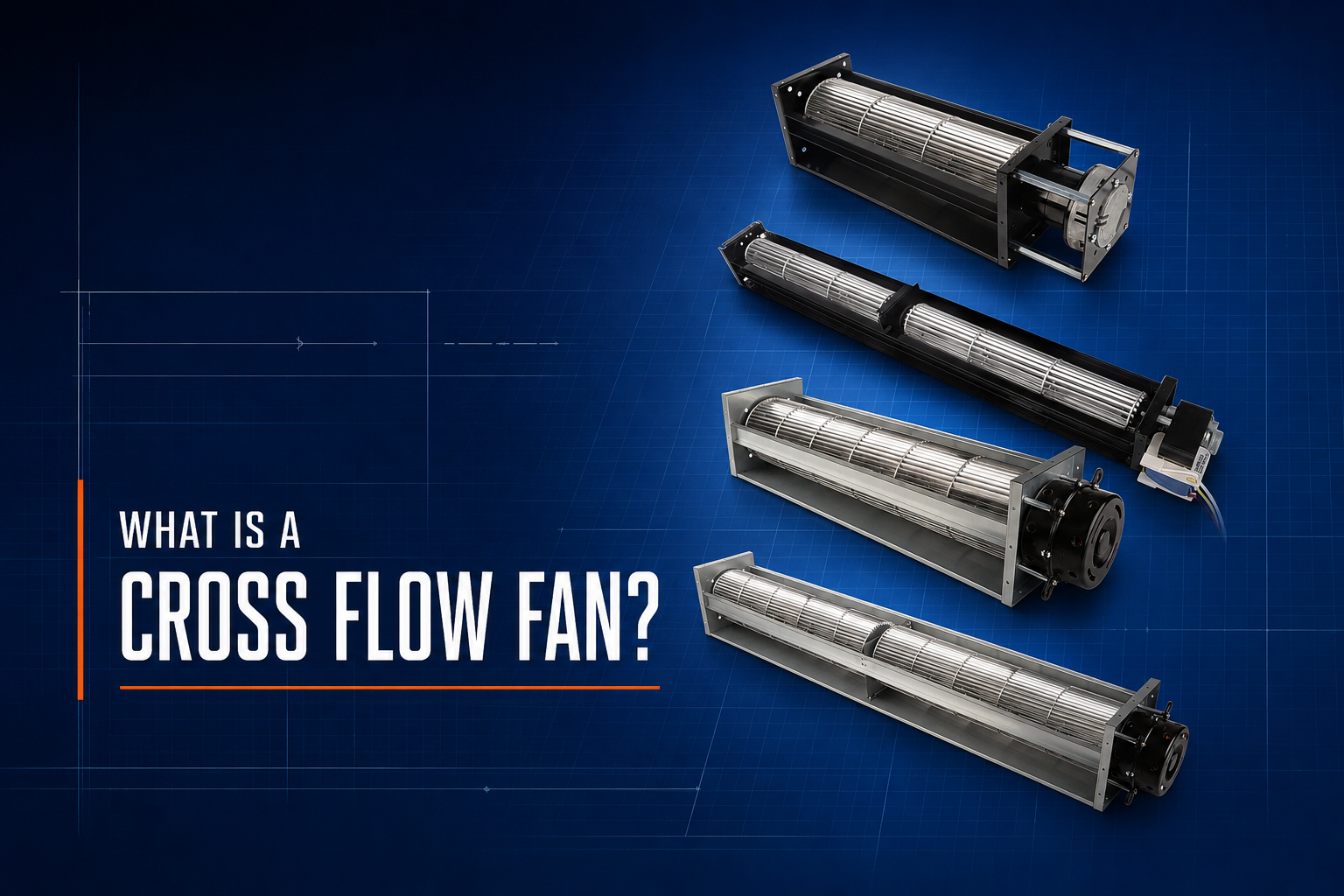
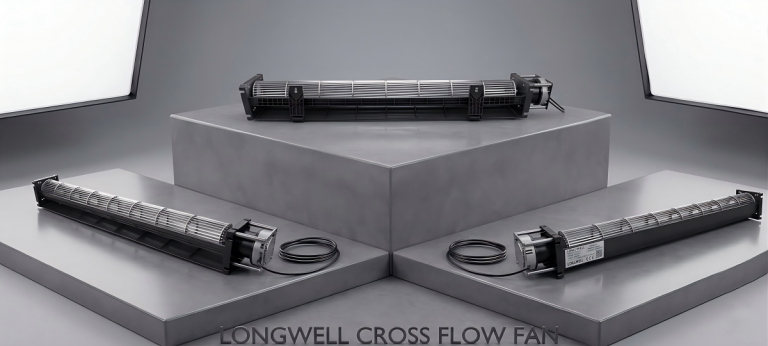
In the competitive landscape of HVAC manufacturing and appliance design, the difference between a mediocre product and a market leader often comes down to airflow management. While axial fans are great for ventilation and centrifugal fans excel at pressure, one component reigns supreme when specific uniform airflow and space constraints are the priority: the Tangential Blower (or Cross Flow Fan).
For engineers and product managers, selecting the right air mover is not just about CFM (Cubic Feet per Minute); it’s about application fit. In this comprehensive guide, we step out of the lab and into the field. We will analyze four critical real-world application cases—ranging from commercial air curtains to luxury heating—to demonstrate how tangential blowers drive efficiency, reduce noise, and solve complex thermal challenges.
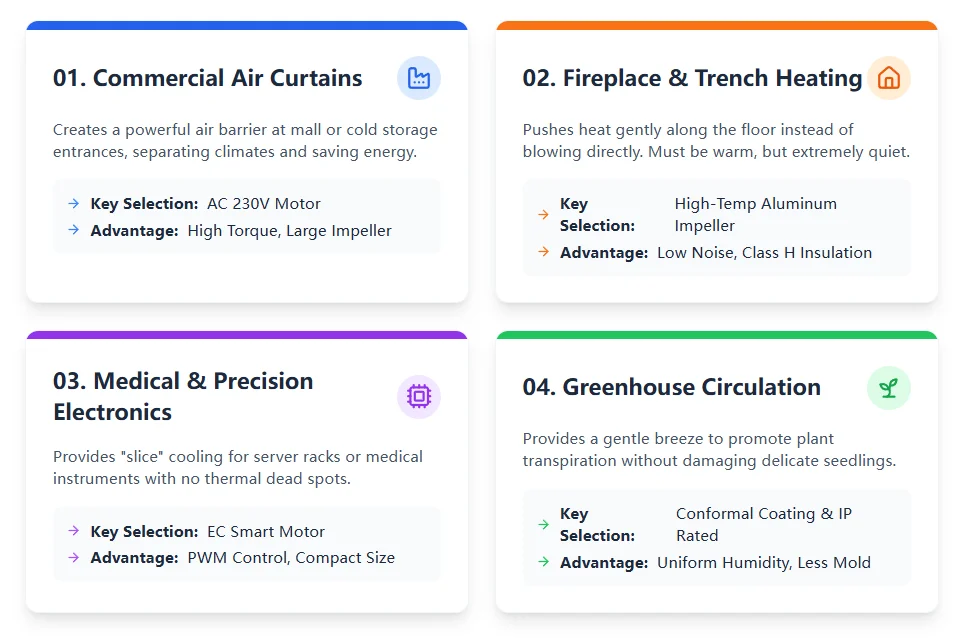
Case Study 1: The Invisible Door – Commercial Air Curtains
The Keyword Focus: Tangential blower 230V for air curtain & Tangential blower for HVAC air curtain system
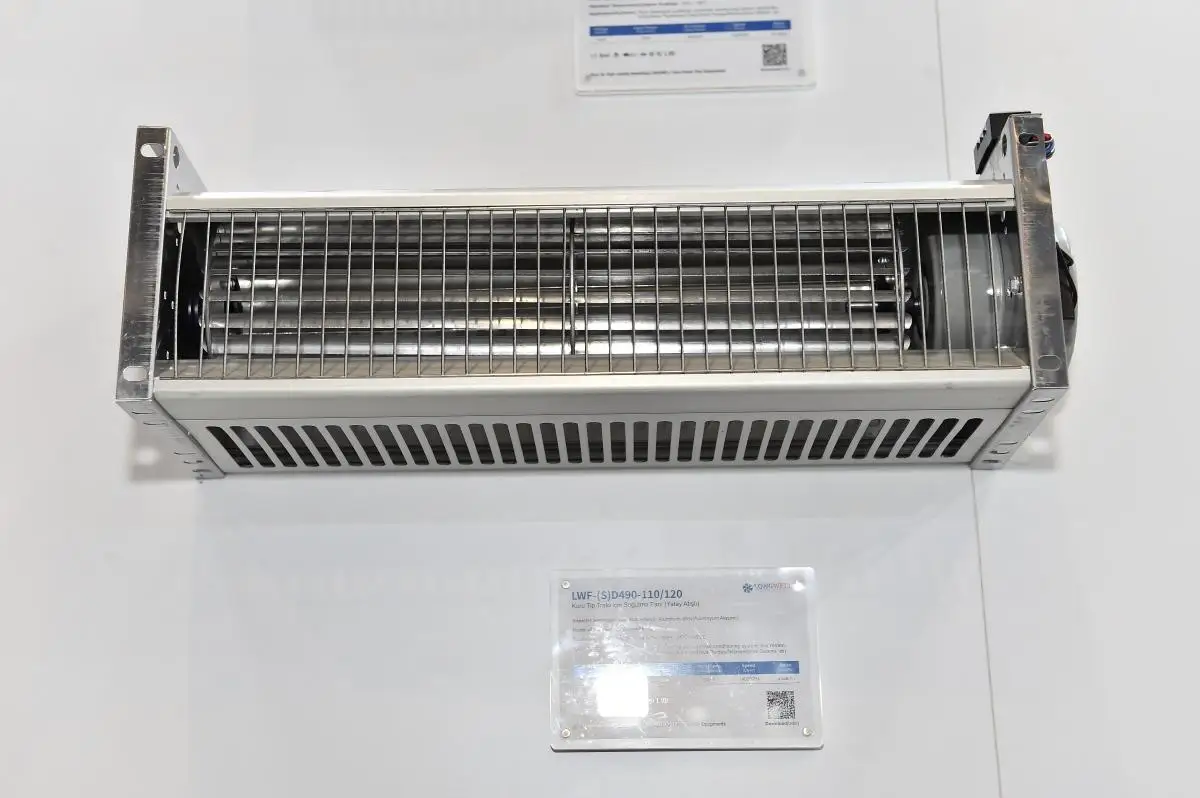
The Challenge: Energy Loss in High-Traffic Zones
Imagine a bustling shopping mall entrance or a cold storage warehouse loading dock. The doors open thousands of times a day. Without a barrier, conditioned air escapes, and energy bills skyrocket. Physical doors slow down traffic, but an “open door” policy is necessary for customer flow. The engineering challenge is to create a high-velocity, impenetrable sheet of air that spans the entire width of the doorway (often 3 to 6 feet) without gaps.
The Solution: High-Velocity Tangential Blowers
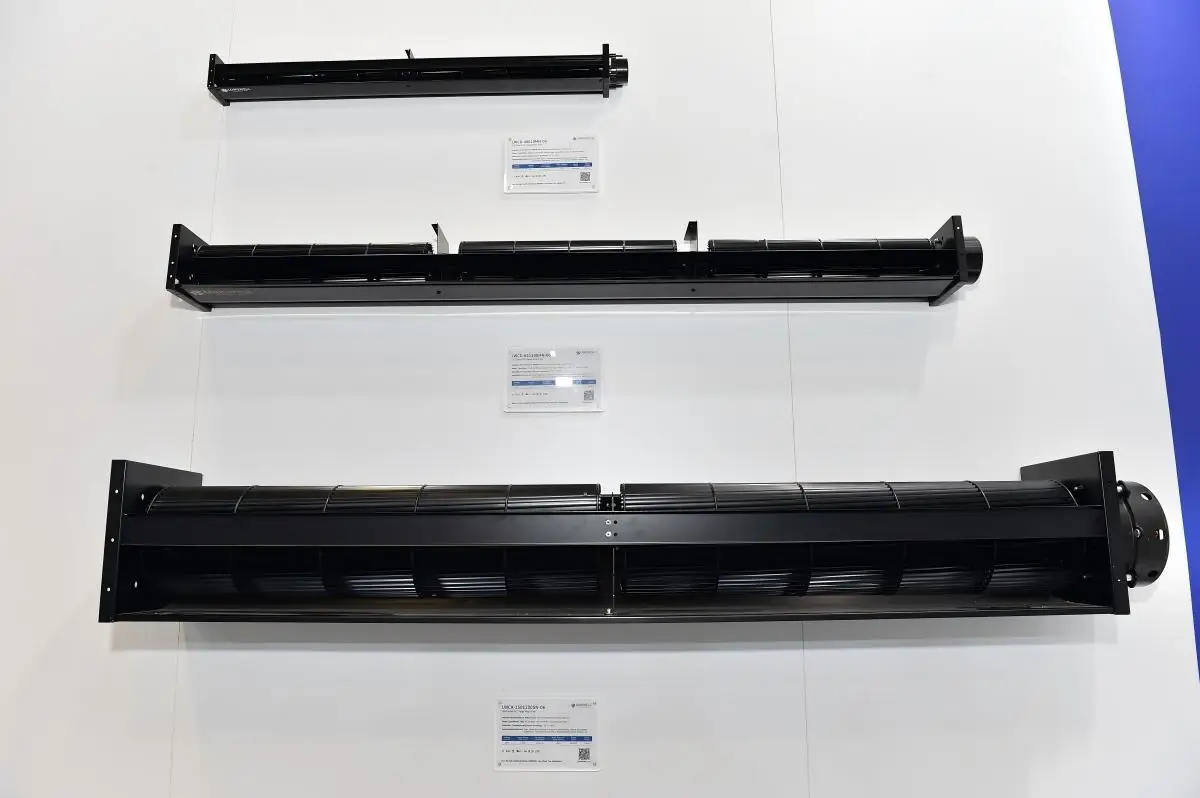
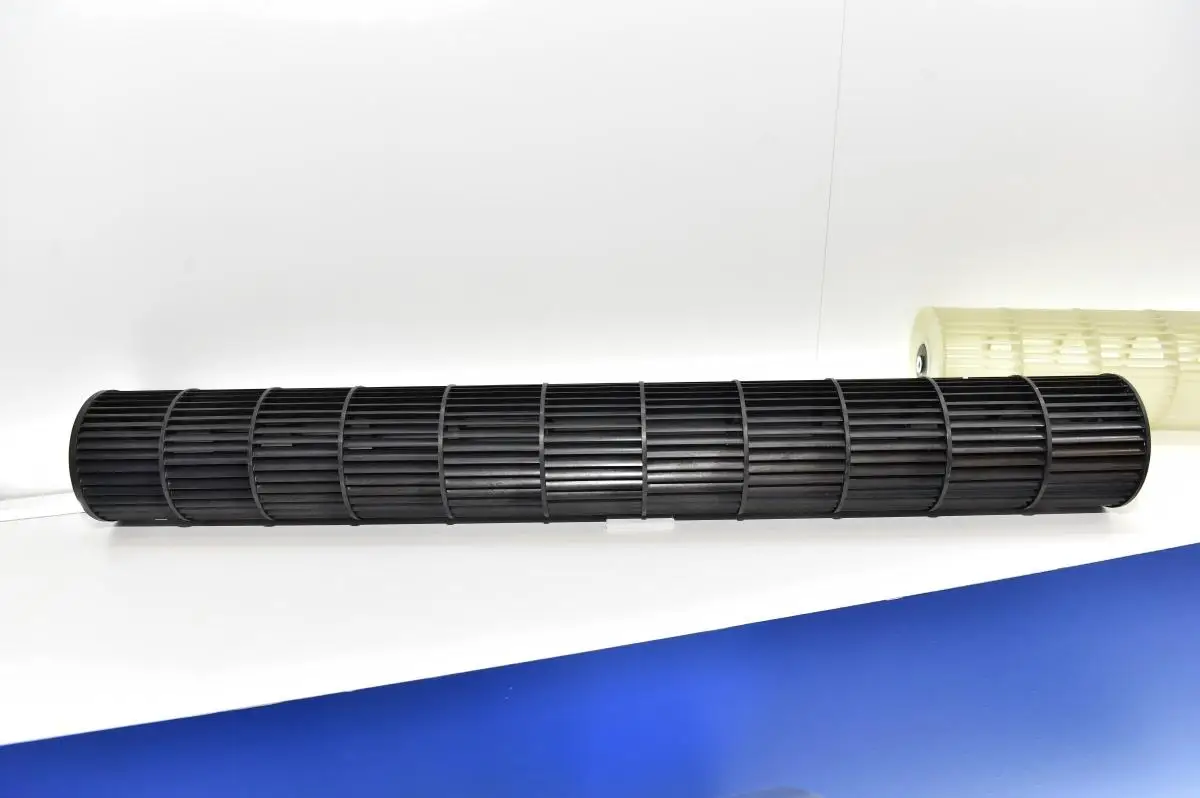
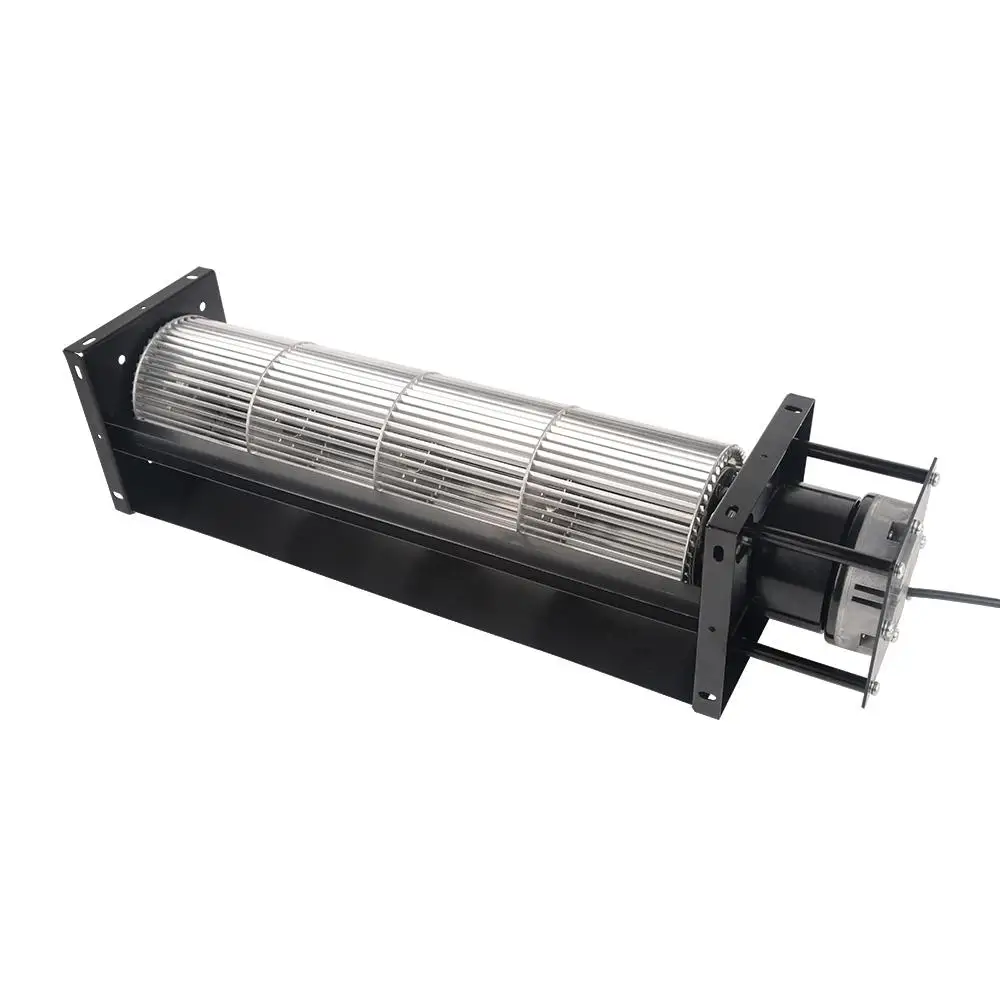
This is the quintessential application for the tangential blower for HVAC air curtain system. Unlike axial fans that create localized “spots” of air, a tangential blower utilizes a long, cylindrical impeller (often ranging from 60mm to 150mm in diameter). This design generates a continuous, laminar stream of air that reaches from the header of the door down to the floor.
Why the “Tangential” Design Wins Here:
· Width Matching: Manufacturers can stack multiple tangential blowers or use extended impellers (up to 1200mm single length) to perfectly match the door width.
· The Velocity Profile: The airflow discharge is rectangular, creating a perfect “curtain” shape that seals the environment.
The Longwell Advantage: Robust AC 230V Motors
In the US and global industrial markets, reliability is paramount. The tangential blower 230V for air curtain configuration is the industry standard.
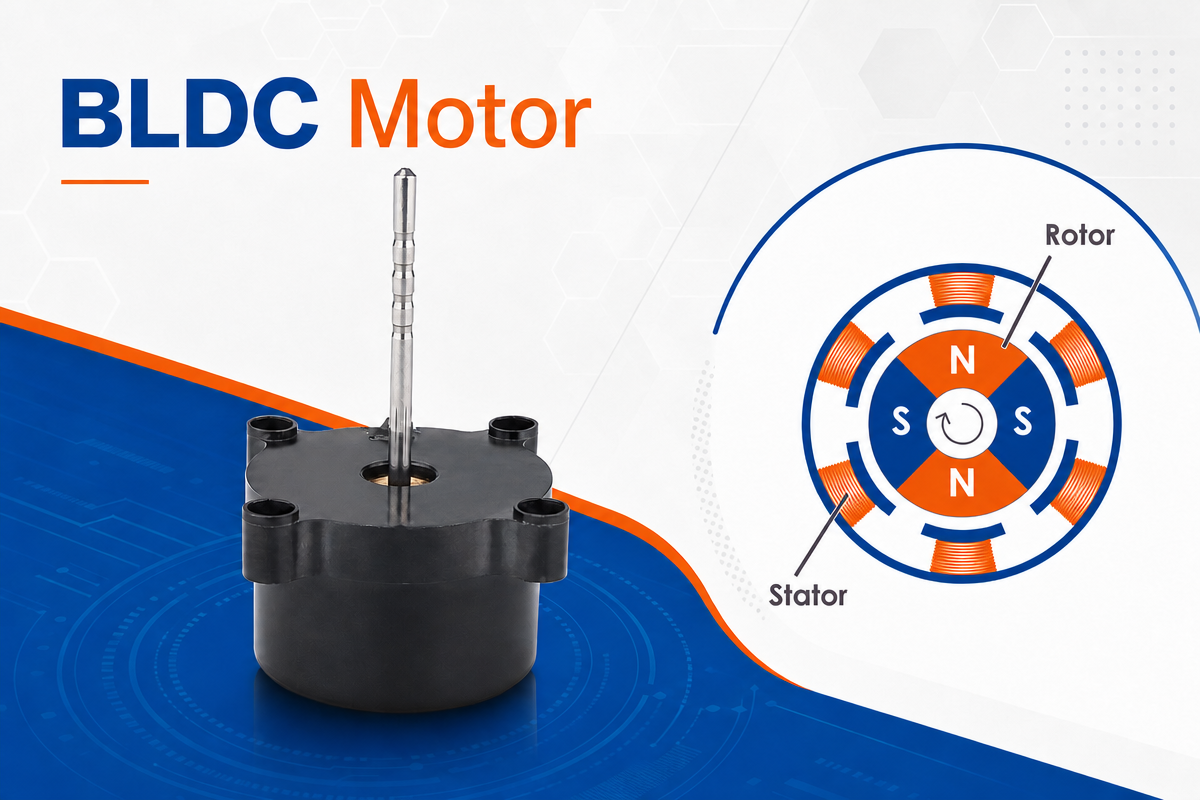
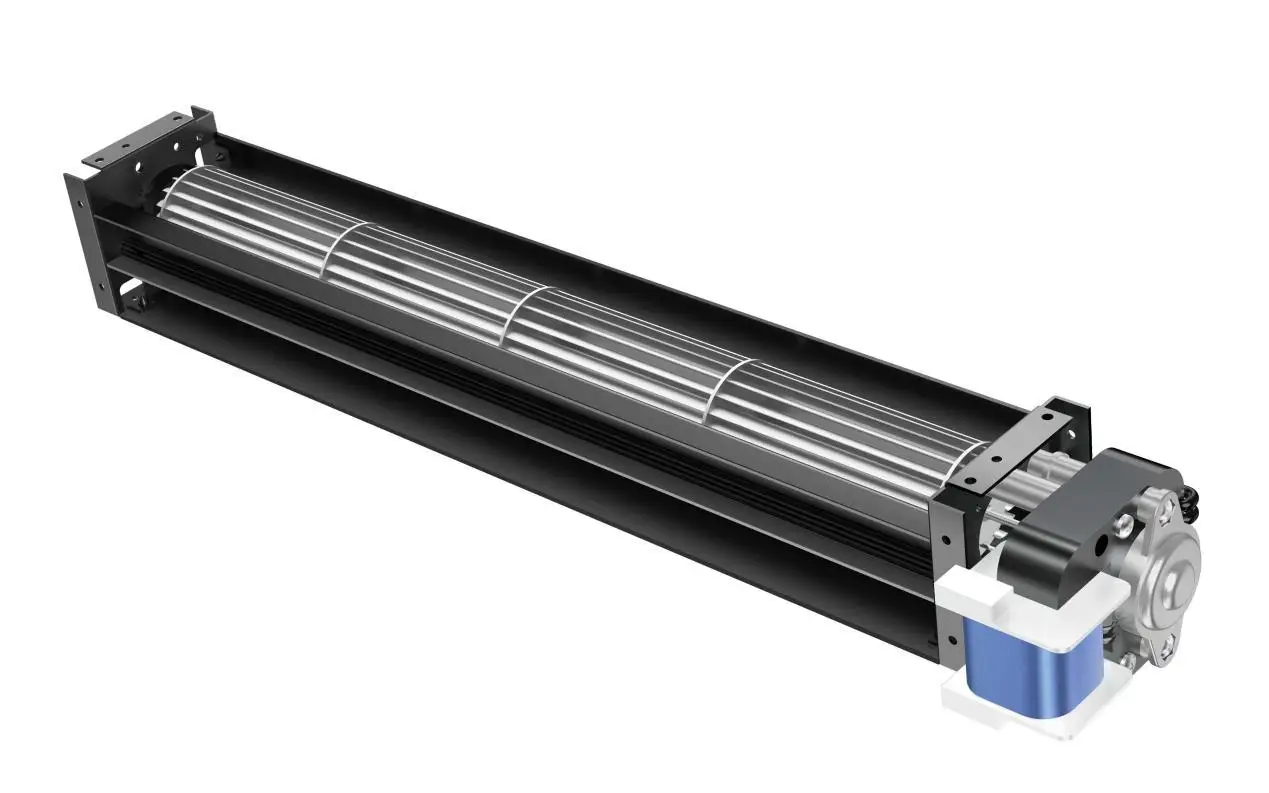
· Torque & Stability: Longwell utilizes external rotor motors or specialized shaded-pole motors designed for 230V inputs. These motors provide the high starting torque needed to spin large-diameter aluminum impellers instantly when the door sensor triggers.
· Durability: For commercial entryways operating 12+ hours a day, Longwell integrates double-shielded ball bearings ensuring a lifespan exceeding 50,000 hours, significantly reducing maintenance calls for facility managers.
Case Study 2: Silence & Warmth – Electric Fireplaces & Trench Heaters
The Keyword Focus: Tangential blower for fireplace heater
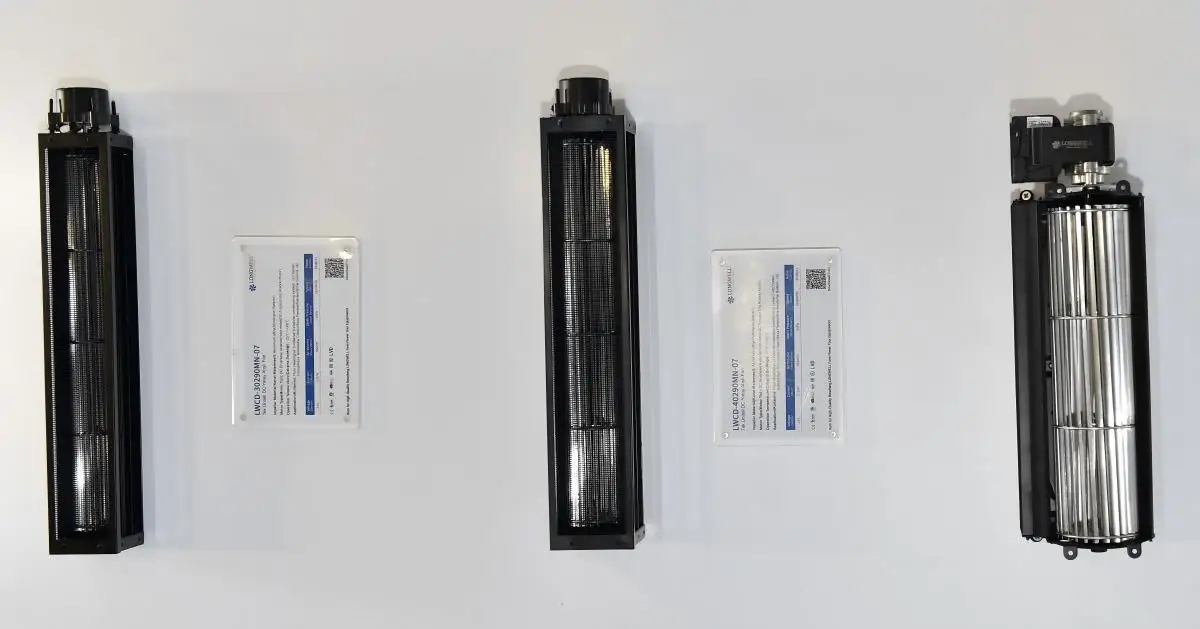
The Challenge: Heating Without the Noise
The modern electric fireplace is a centerpiece of luxury. It offers the visual ambiance of flames with the practicality of an electric heater. However, a common consumer complaint in this sector is noise. A loud fan ruins the relaxing atmosphere. Furthermore, the internal environment of a heater is harsh—temperatures can spike rapidly, warping inferior components.
The Solution: Heat-Resistant, Low-Noise Blowers
For this application, the tangential blower for fireplace heater is the only viable option. Its unique airflow characteristic allows for a wide, gentle discharge of warm air low to the ground (where people actually feel it), rather than a focused jet of hot air.
Engineering Specifics for Heaters:
1. Material Science: Standard plastic impellers (ABS) risk deformation at temperatures above 60°C (140°F). For high-performance heaters, Longwell specifies Aluminum Alloy Impellers. These are rigid, lightweight, and can withstand the thermal soak of a 1500W heating element without warping.
2. The “Throw” Factor: In trench heaters (embedded in floors under windows), the blower must push air up against the glass to prevent condensation (sweating) while warming the room. The tangential blower’s right-angle flow path is perfect for these shallow, wide trenches.
The Longwell Advantage: Silent Operation
We understand that in a living room, silence is golden. Longwell optimizes the blade geometry of our cross flow fans to shift the acoustic frequency. By skewing the blades slightly, we reduce the “whine” often associated with air movement, creating a “white noise” profile that blends into the background, measuring as low as 35-40 dBA in residential settings.
Case Study 3: Precision Cooling in Medical & Laboratory Equipment
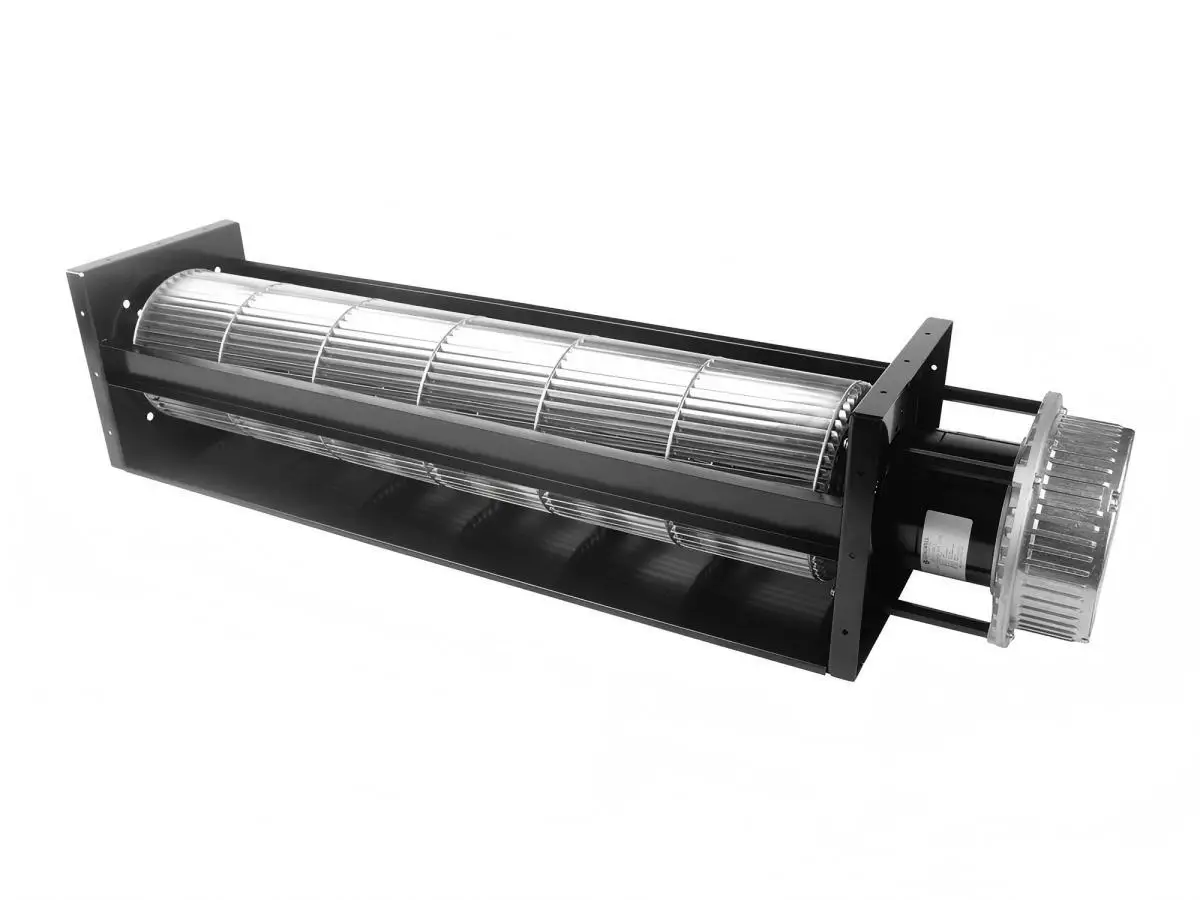
The Challenge: Eliminating Hotspots in Compact Spaces
In medical devices (like blood analyzers) or server rack drawers (1U/2U sizes), space is extremely limited. Components are densely packed, and a standard square fan often cannot fit or leaves “dead zones” where air doesn’t circulate, leading to component failure.
The Solution: The Low-Profile “Slice” of Air
Tangential blowers offer a unique form factor: long and flat.
· Even Cooling: By placing a tangential blower along the side of a circuit board or power supply unit, engineers can wash the entire surface with cool air evenly. This is critical for maintaining stable temperatures across sensitive sensor arrays.
· Laminar Flow: The lack of turbulence means less dust accumulation in sensitive areas compared to turbulent axial fans.
The Longwell Advantage: EC Technology
For precision equipment, speed control is vital. Longwell offers EC (Electronically Commutated) Tangential Blowers. These smart motors allow the device’s main processor to control the fan speed via PWM or 0-10V signals.
· Scenario: When the medical device is in “Standby,” the fan runs at 20% speed (silent). When analyzing samples (high load), it ramps to 100%. This dynamic adjustment saves energy and extends component life.
Case Study 4: Agricultural & Greenhouse Circulation
The Challenge: Uniform Humidity and Temperature
In vertical farming or high-tech greenhouses, stagnant air leads to mold growth and uneven plant development. Traditional oscillating fans are bulky and create strong wind gusts that can damage delicate seedlings.
The Solution: Gentle Cross-Flow Circulation
Installing tangential blowers vertically or horizontally along the plant racks ensures a constant, gentle breeze. This breaks up the boundary layer on leaves, promoting transpiration and nutrient uptake without physical stress on the plant.
Technical Deep Dive: Selecting the Right Blower for Your Application
As a procurement officer or engineer, how do you translate these cases into a purchase order? Here is the selection framework we use at Longwell when consulting with OEM clients.
1. Define the Airflow Geometry
· For Air Curtains: The length of the blower MUST match the width of the opening. If you have a 1-meter door, you need a 1-meter effective flow length (or two 500mm units).
· For Heaters: Focus on the “throw distance.” A larger impeller diameter (60mm+) is needed if you need to push warm air further into the room.
2. Voltage and Motor Selection
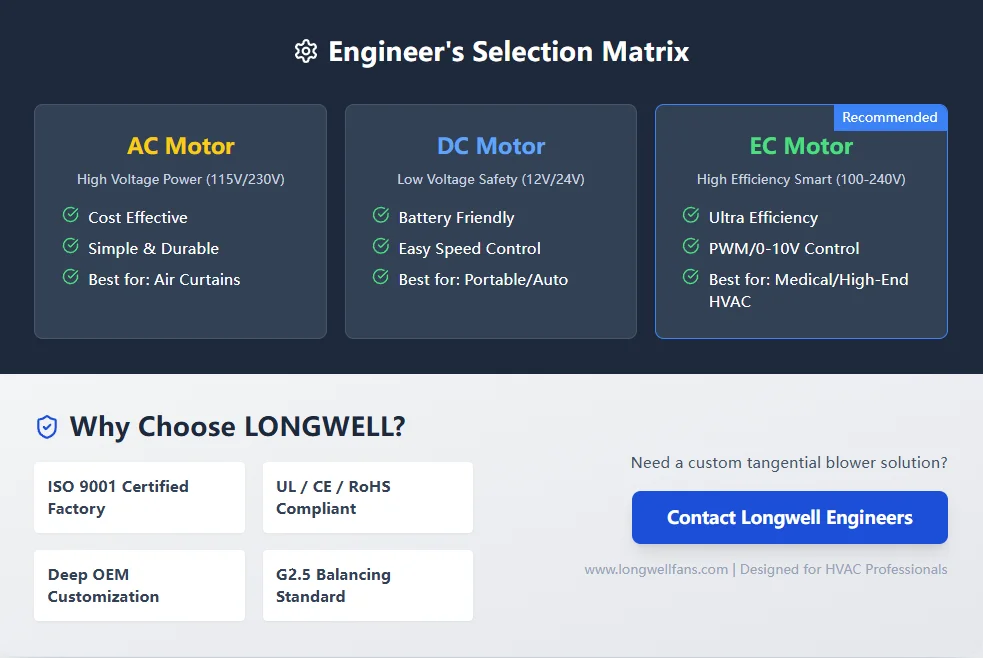
· AC 115V/230V: Best for tangential blower 230V for air curtain applications where the unit is hardwired to building power. Simple, robust, proven.
· DC 12V/24V: Ideal for battery-powered or portable equipment.
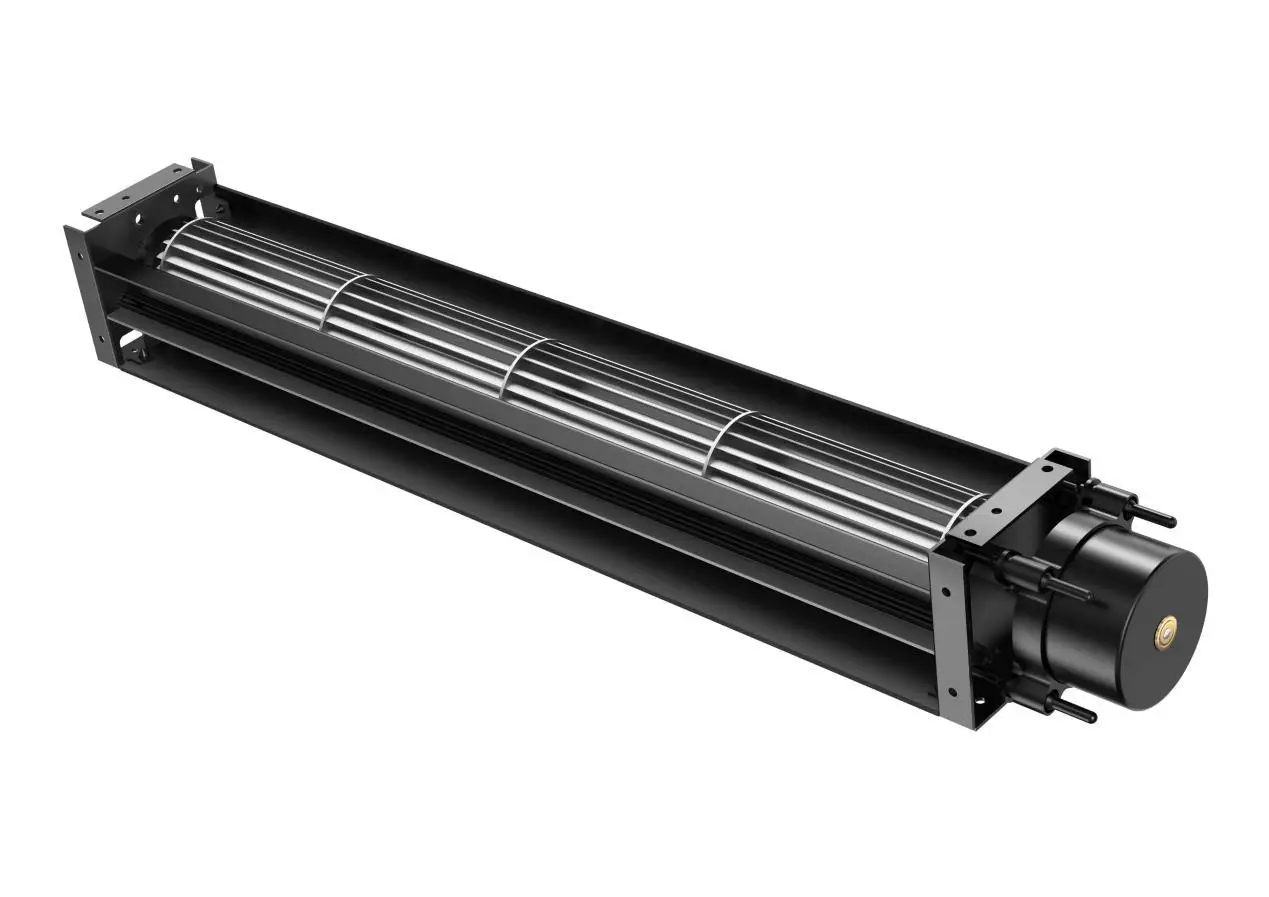
· EC Motors: The best of both worlds. High efficiency, universal voltage input (works on 100V-240V), and fully controllable.
3. Environmental Constraints
· Heat: If the air temperature exceeds 60°C (e.g., in a fireplace), you must specify metal impellers and Class H motor insulation.
· Moisture: For greenhouse or outdoor air curtains, request conformal coating on the PCB and IP54 or IP55 rated motors.
The Longwell Engineering Promise
At Ningbo Longwell Electric Technology Co., Ltd., we don’t just sell fans; we co-develop airflow solutions. Our experience spanning from the heavy-duty demands of the HVAC air curtain system to the delicate silence required by a fireplace heater gives us a unique perspective on your project.
Customization Capabilities
· Length: We can manufacture impellers from compact 150mm units up to extended industrial sizes.
· Motor Position: Left, Right, or Center-mounted to fit your chassis design.
· Mounting: Custom brackets and rubber dampeners to isolate vibration.
Quality Assurance
Every Longwell tangential blower undergoes rigorous balancing tests. An unbalanced long impeller creates vibration that destroys bearings. We use dynamic balancing machines to ensure that even our longest blowers spin true, ensuring the longevity your brand reputation relies on.
Conclusion
Whether you are sealing a commercial doorway against the winter chill or ensuring a cozy, quiet evening by an electric fire, the tangential blower is the unsung hero of thermal comfort.
For applications requiring wide, uniform airflow in a compact package, there is no substitute. By understanding the specific requirements of your use case—be it the torque needed for a tangential blower 230V for air curtain or the heat resistance for a fireplace heater—you can select a component that elevates your product’s performance.
Ready to design your next breakthrough HVAC product?
Contact the engineering team at Longwell (www.longwellfans.com) today. Let’s optimize your airflow for efficiency, silence, and reliability.