What You Need to Know About EC Fan Technology
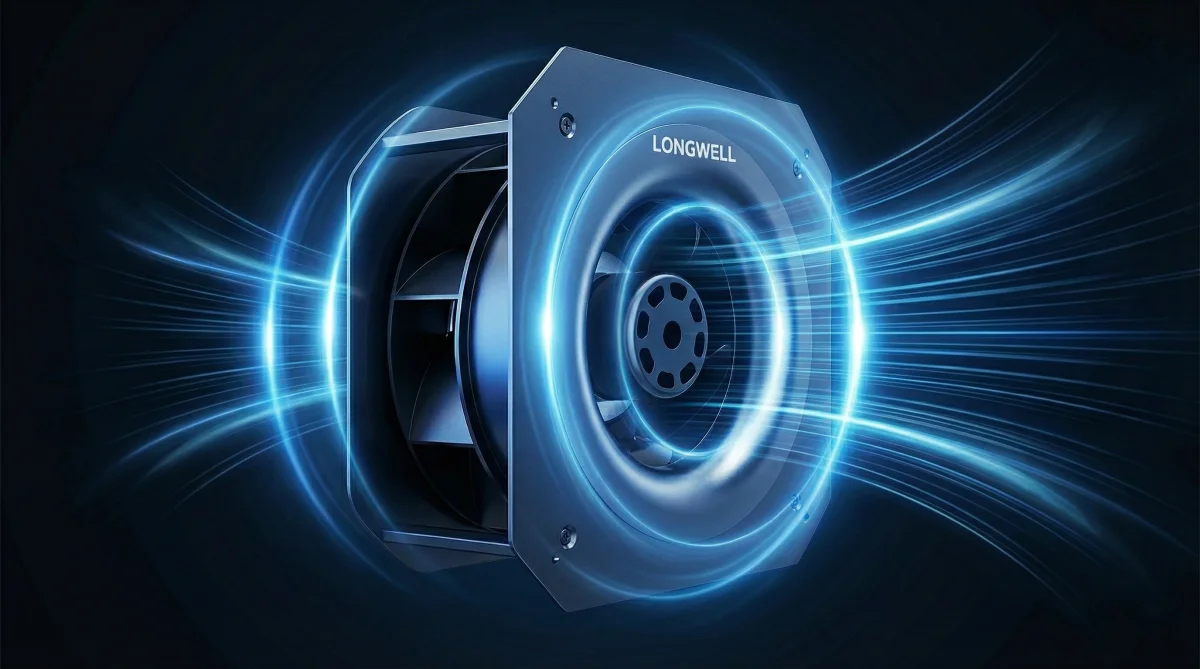
EC Fan Technology brings a new standard to airflow solutions by combining energy efficiency, reliability, and advanced engineering. LONGWELL has driven innovation in this field, helping industries worldwide reduce energy costs and improve performance.
· The global EC Fans market reached about USD 2.5 billion in 2023 and could grow to USD 5.3 billion by 2032, with an 8.9% CAGR driven by demand for efficient systems.
You can benefit from up to 70% lower power usage and quieter, longer-lasting fans compared to traditional options.
Key Takeaways
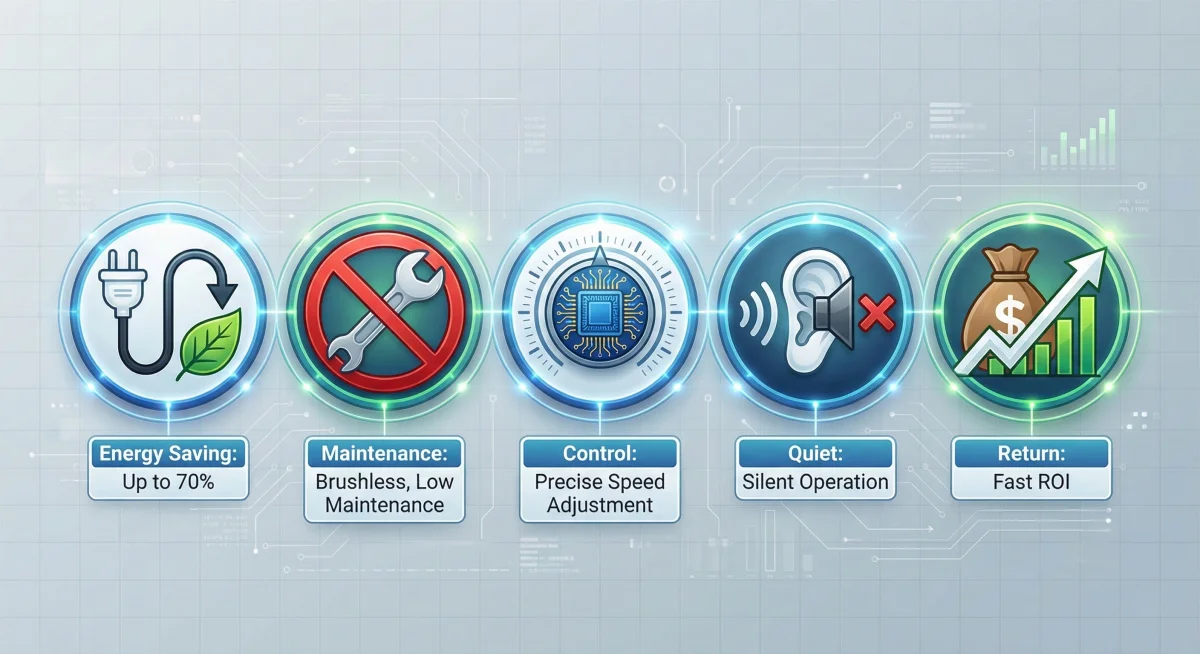
· EC Fan Technology offers up to 70% energy savings compared to traditional fans, helping you lower utility bills and support sustainability.
· The brushless design of EC fans reduces maintenance needs, allowing for longer lifespan and less downtime.
· Precise speed control in EC fans enhances system performance, enabling you to adjust airflow to meet specific requirements.
· EC fans operate quietly, creating a more comfortable environment in spaces like offices and data centers.
· Investing in EC fans leads to long-term savings, with a typical return on investment in under five years.
EC Fan Technology Overview
What Is EC Fan Technology
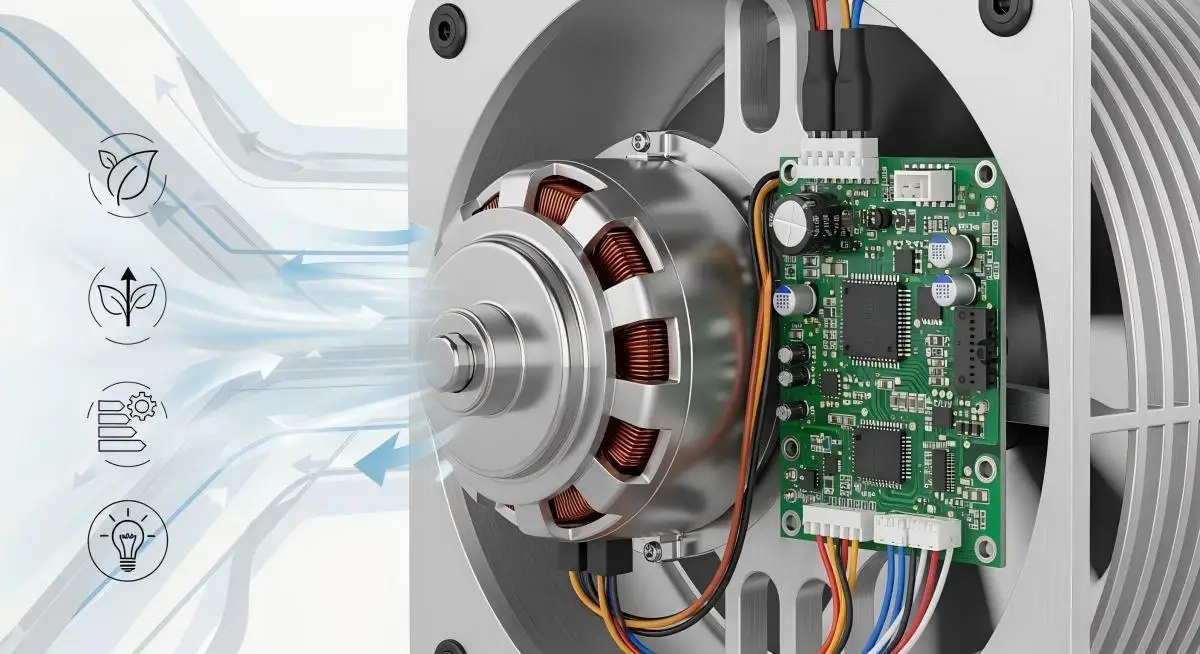
EC Fan Technology stands for Electronically Commutated Fan Technology. You will find that this technology uses advanced motors that combine the benefits of both AC and DC power. The core principles focus on efficiency, compliance with energy standards, and advanced control features. These fans use electronic circuits to control the motor, which means you get precise speed regulation and high performance.
EC Fan Technology sets a new standard for airflow solutions by offering efficiency levels above 90%. You can rely on these fans to meet strict global regulations, such as the EU’s ERP Directive, which ensures energy efficiency and environmental responsibility.
LONGWELL has played a key role in bringing these innovations to the market. The company offers EC fans that use brushless motors, which eliminate the need for regular maintenance and extend the lifespan of the fan. You benefit from a product that is not only reliable but also designed for modern engineering needs.
| Principle | Description |
|---|---|
| Efficiency | EC fans can achieve , significantly outperforming traditional AC fans. |
| Compliance | Designed to meet global regulations like the EU’s ERP Directive, ensuring energy efficiency standards. |
| Advanced Control Features | Integrated control electronics allow for precise speed regulation, crucial for energy conservation. |
Key Features
When you choose EC Fan Technology, you gain access to several important features that set it apart from traditional fan systems.
· Energy Efficiency: EC fans use up to 70% less power than standard fans. This means you save on energy costs and help protect the environment.
· Minimal Maintenance: The brushless design means there are no brushes to wear out. You spend less time and money on repairs.
· Variable Speed Control: You can adjust the fan speed precisely to match your needs. This flexibility improves system performance and reduces wasted energy.
· Compact and Lightweight: EC fans are smaller and lighter than traditional fans, making them easier to install and integrate into different systems.
· Quiet Operation: Advanced motor and blade designs keep noise levels low, creating a more comfortable environment.
| Feature | EC Fan Technology | Traditional Fan Technology |
|---|---|---|
| Energy Efficiency | Exceeds 90% efficiency, uses 70% less power | 70-88% efficiency |
| Maintenance Requirements | Minimal, no brushes to wear out | Higher, requires regular maintenance |
| Variable Speed Control | Precise speed modifications available | Limited speed control |
| Compact Design | Smaller and lighter | Typically larger |
| Noise Levels | Operates quietly, consistent sound | Generally noisier |
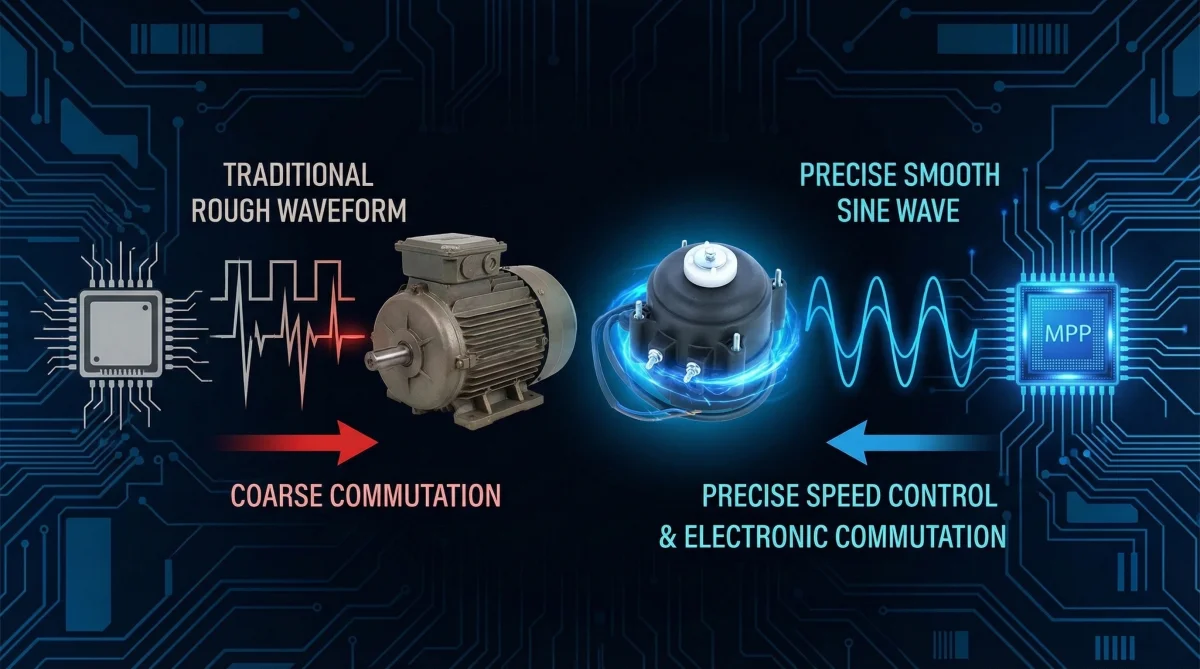
You will notice that the brushless design of EC fans brings several advantages. These fans deliver exceptional efficiency and reliability, which enhance overall system performance. Since there are no brushes to wear out, the main factors affecting lifespan become the bearings and electronics. These components often last over 50,000 hours of continuous use. The solid-state design also reduces the risk of unexpected downtime and lowers maintenance costs.
Tip: The electronic controller in EC fans allows for dynamic speed regulation. This gives your cooling system greater flexibility to respond to changing conditions.
LONGWELL continues to lead the way by offering EC fans with intelligent control features, remote monitoring, and noise reduction technologies. You can trust these fans to perform reliably in demanding environments, making them a smart choice for modern applications.
How EC Fans Work
Motor Design
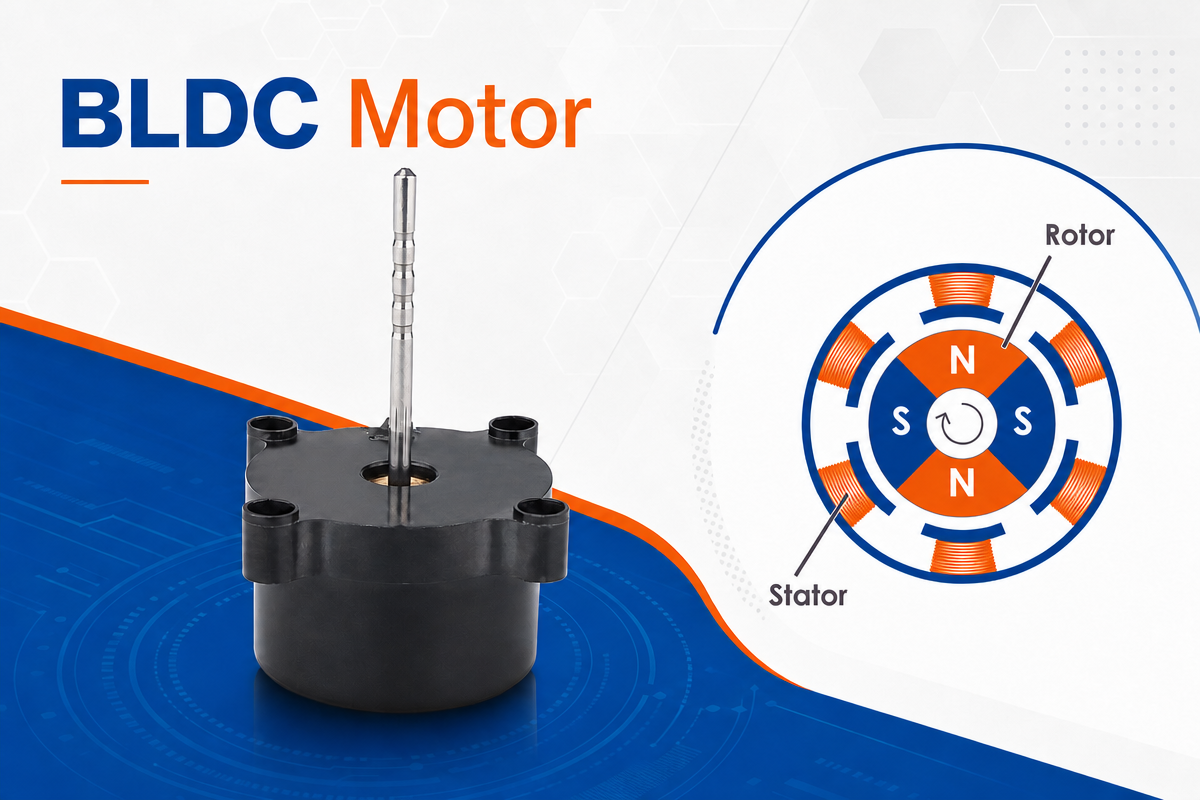
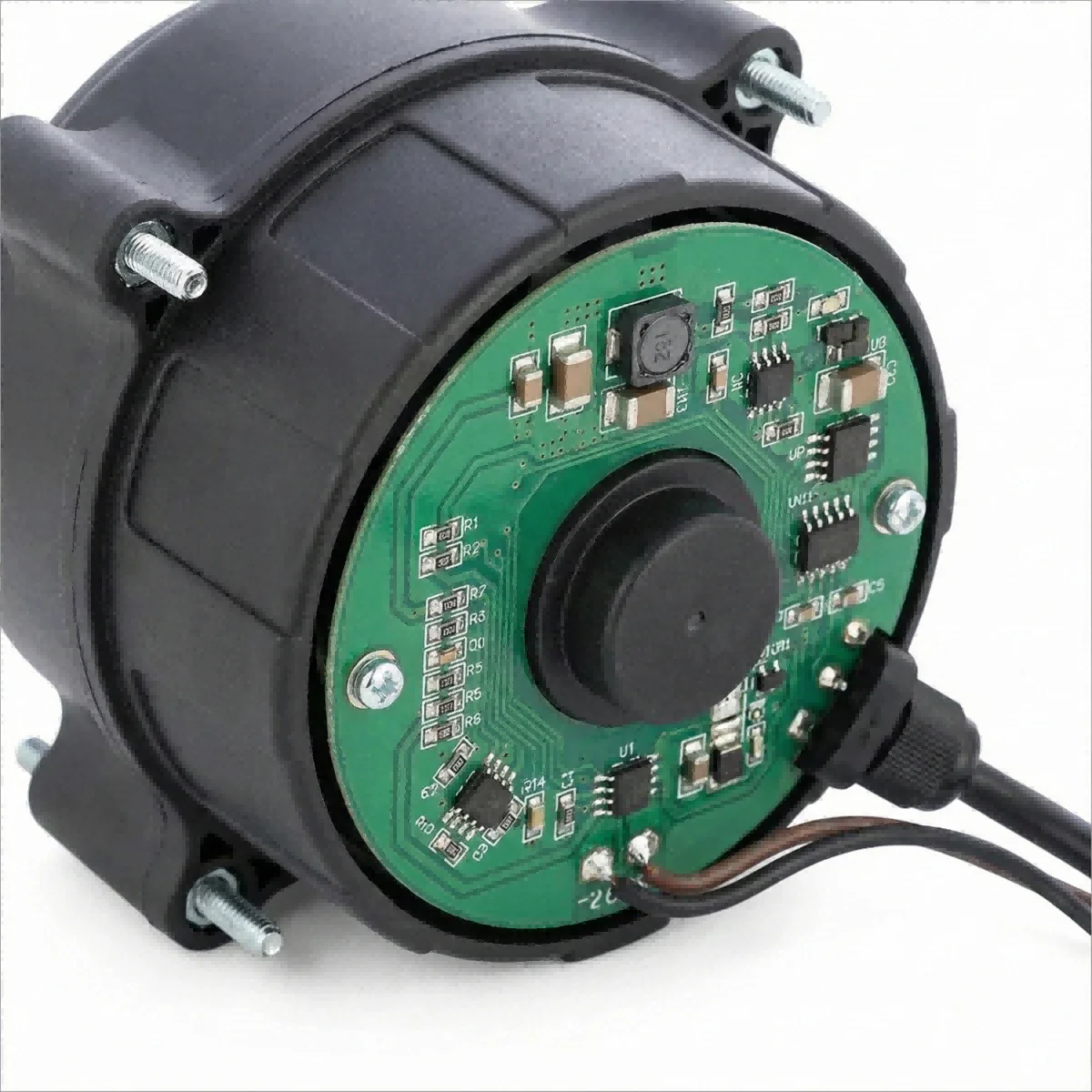
You will find that the heart of EC Fan Technology lies in its advanced motor design. These fans use a high-efficiency motor that blends AC and DC voltages. The motor converts incoming AC power to DC, then uses electronic circuits to control the fan’s speed and torque. This process, known as electronic commutation, replaces traditional mechanical brushes with solid-state electronics.
A high-efficiency motor directly impacts your fan’s performance. It consumes less power while maintaining steady airflow and consistent speed. This stability ensures that your system delivers reliable performance in demanding environments. Efficient motors also generate less heat, which helps extend the lifespan of the fan and reduces the need for frequent maintenance. You benefit from lower operational costs and fewer interruptions.
Note: The brushless design eliminates friction and wear from brushes, so you experience quieter operation and longer service life.
Electronic Control
Electronic control sets EC fans apart from traditional options. The built-in controller manages the switching of electrical currents, allowing for precise speed adjustments and smooth operation. This technology gives you the flexibility to match airflow to your exact requirements, improving both energy savings and system performance.
The table below highlights how electronic commutation enhances reliability and performance:
| Feature | Description |
|---|---|
| Smoother Operation | Electronic switching leads to consistent rotation, reducing mechanical chatter and noise. |
| Lower Vibration Levels | Brushless design minimizes friction and imbalance, resulting in quieter operation and longevity. |
| Precise Speed Control | EC motors adjust speed to match airflow needs, preventing harsh shifts and maintaining stability. |
| Improved Thermal Performance | Generates less heat, reducing thermal stress and maintaining consistent performance over time. |
You will notice that electronic control not only improves efficiency but also ensures your fan operates at optimal conditions. This combination of advanced motor design and intelligent control makes EC Fan Technology a reliable and energy-efficient solution for modern systems.
Benefits of EC Fan Technology
Energy Savings
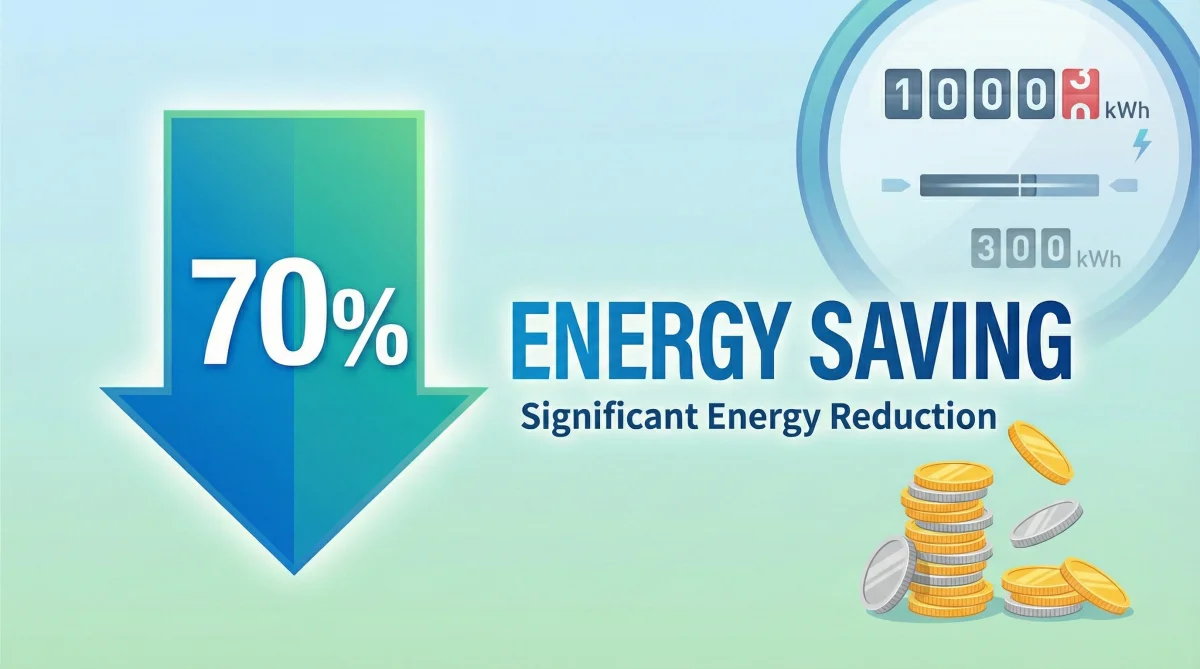
You can achieve significant energy savings when you choose EC Fan Technology for your systems. These fans use advanced motors that consume much less electricity than traditional AC fans. In commercial applications, you may see energy savings between 33% and 66%. This reduction in power usage leads to lower utility bills and helps your business meet sustainability goals.
· EC fans can save between 33% to 66% more energy compared to AC fans in commercial applications.
· Lower energy consumption means less strain on your electrical infrastructure.
· Reduced energy use supports environmental responsibility.
You will notice that these savings add up quickly, especially in facilities that operate multiple fans around the clock.
The table below shows how EC fans contribute to lower operational costs over their lifespan:
| Benefit | Explanation |
|---|---|
| Energy Efficiency | EC fans consume less energy, leading to lower electricity bills, especially in facilities with multiple fans. |
| Reduced Maintenance Needs | The durability of EC fans results in less frequent maintenance, saving on repair costs and minimizing downtime. |
| Longer Lifespan | EC fans have a longer operational life, reducing replacement expenses over time. |
Quiet Operation
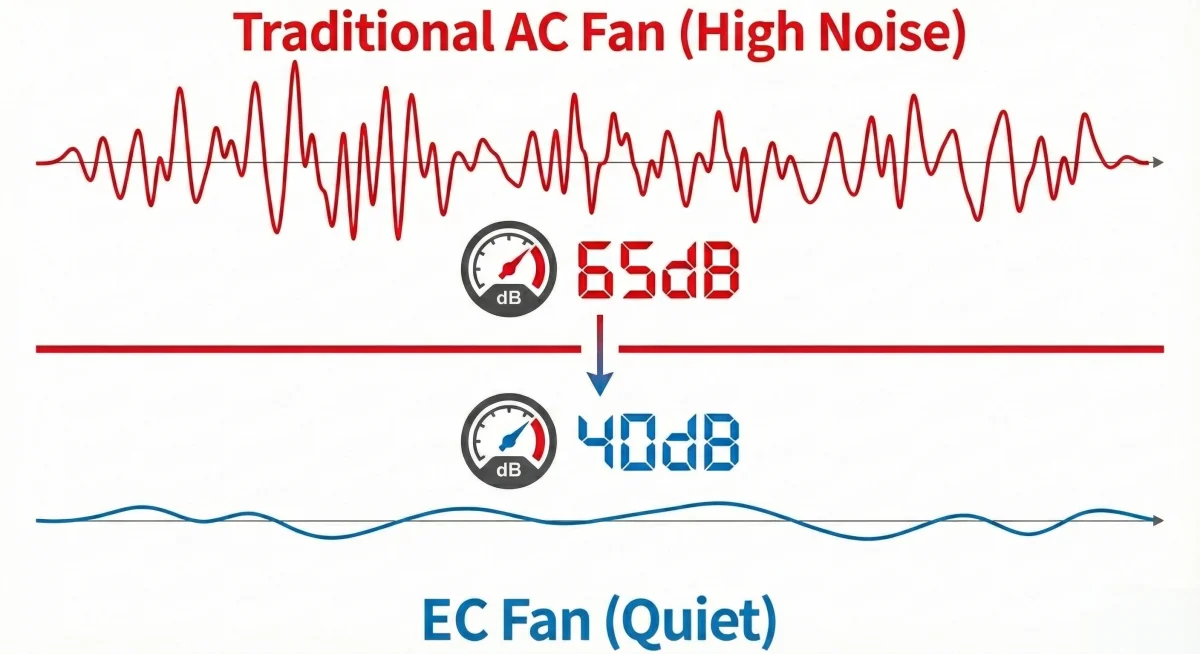
You will experience a quieter environment when you use EC fans. These fans operate at very low noise levels, often between 30 and 45 decibels. In comparison, standard AC fans typically produce 50 to 70 decibels. This difference can make your workspace more comfortable and less distracting.
| Characteristic | AC Fans | EC Fans |
|---|---|---|
| Noise Level | Medium (50-70 dB) | Very Low (30-45 dB) |
· AC fans can hum or buzz at low speeds.
· EC fans remain very quiet and produce minimal vibration.
The EC motors in these fans utilize ‘soft commutation.’ This technology results in low motor noise across the entire speed range. Unlike other motors that use frequency inverters or phase-angle control, EC fans maintain nearly linear phase noise with speed. This design keeps operating noise lower than other fan systems.
You can rely on LONGWELL fans to maintain low noise levels, even after years of use. Many users appreciate the quiet operation, which enhances comfort in offices, data centers, and medical environments.
Precise Speed Control
EC Fan Technology gives you precise control over fan speed. You can adjust the airflow to match your exact needs, which improves energy management and system performance. This feature is especially valuable in HVAC systems, where conditions change throughout the day.
· EC motors enable real-time adjustments to fan speeds based on current heating or cooling needs.
· The motor operates only at the necessary speed to maintain the desired indoor climate.
· This capability ensures that energy consumption is minimized, resulting in significant energy savings and improved efficiency.
You can fine-tune your system for maximum comfort and efficiency. This level of control also helps reduce wear on the fan, extending its lifespan.
Reliability
You can count on EC fans for reliable, long-term performance. These fans have a 30-50% higher Mean Time Between Failures (MTBF) than AC fans. This means you face less risk of unscheduled downtime and fewer interruptions to your operations.
· Engineers emphasize the importance of assessing airflow, static pressure, and noise levels when selecting fans, which are critical for ensuring reliability in specific applications.
· The reputation of fan companies, including LONGWELL, is highlighted as a key factor in choosing reliable products, indicating their established trust in the market.
· Customers report that LONGWELL fans are durable and maintain low noise levels even after years of use.
· Users highlight the fans’ effectiveness in cooling machinery, preventing overheating.
· Many appreciate the energy savings and quiet operation of the EC motor technology, enhancing workplace comfort.
· The longevity of the fans reduces the need for frequent replacements, contributing to overall reliability.
You will find that EC fans operate at cooler temperatures, which helps protect internal components and further extends their service life. This cooler operation, combined with advanced engineering, makes LONGWELL EC fans a dependable choice for demanding environments.
EC vs. AC Fans
Performance
When you compare EC fans to traditional AC fans, you notice clear differences in performance. EC fans deliver higher efficiency, better speed control, and quieter operation. You benefit from integrated electronics that allow precise adjustments to airflow. This means you can match fan speed to your exact needs, which improves comfort and reduces wasted energy.
| Metric | EC Fans | AC Fans |
| Efficiency | 80–90% | 50–70% |
| Speed Control | Integrated | External device required |
| Noise Control | Excellent at partial load | Limited |
| Maintenance | Low | Low to medium |
| Initial Cost | Higher | Low |
| TCO | Lower (energy savings) | Higher (over lifetime) |
EC fans achieve higher efficiency because they use permanent magnets and advanced control algorithms. You avoid rotor slip losses, which are common in AC fans. With EC fans, you also experience excellent noise control, especially at partial loads.
Cost Efficiency
You may notice that EC fans have a higher initial cost than AC fans. However, the long-term savings quickly outweigh the upfront investment. EC fans use less energy, which lowers your utility bills. The built-in variable speed control allows you to reduce power consumption even further by adjusting fan speed to match demand.
| Fan Type | Typical ROI Period |
| EC Fans | Under 5 years |
| AC Fans | Typically longer |
Most commercial installations see a return on investment for EC fans in less than five years. Over the life of the fan, you save more due to reduced energy use and lower maintenance costs.
Maintenance
You spend less time and money maintaining EC fans. The brushless design means fewer moving parts and less wear. You only need semi-annual checks to keep your EC fans running smoothly.
· EC motors do not use brushes, so you avoid common wear issues.
· AC fans require regular inspections and may need brush replacements.
· You perform quarterly cleaning and annual lubrication for AC fans, which increases downtime.
· The total life cycle cost of AC fans is about 1.5 to 2 times higher than EC fans.
With LONGWELL EC fans, you gain a reliable, low-maintenance solution that keeps your systems running efficiently and reduces your overall costs.
Applications
 LONGWELL EC Fan Technology delivers reliable performance and energy savings across a wide range of industries. You can find these fans in systems where efficiency, quiet operation, and easy integration matter most.
HVAC
You can optimize heating, ventilation, and air conditioning systems with LONGWELL EC fans. Their variable speed control allows you to match airflow to real-time demand, reducing energy waste and improving indoor comfort. Plug-and-play integration means you can upgrade existing systems quickly, minimizing downtime and installation costs.
Refrigeration
LONGWELL EC fans transform commercial refrigeration by boosting efficiency and reducing operational expenses. When you upgrade from shaded pole or permanent split capacitor motors, you can achieve up to 70% greater efficiency. The table below highlights the difference:
| Motor Type | Efficiency Range |
|---|---|
| Shaded Pole Motors | 15-25% |
| Permanent Split Capacitor Motors | 30-50% |
| EC Motors | 60-75% |
You can also see the efficiency comparison in this chart:
By switching to EC fans, you improve system efficiency by 20-25%. This upgrade is as impactful as switching to LED lighting in terms of cost-effectiveness.
Data Centers
You rely on precise airflow and cooling in data centers. LONGWELL EC fans provide up to 25% energy savings and deliver accurate airflow control, which is essential for managing heat in high-density server environments. Replacing legacy fans with EC models can cut energy use by 20% and improve heat exchange efficiency, supporting stable operations.
Medical Equipment
LONGWELL EC fans ensure reliability and safety in medical devices. You benefit from precise temperature control, which prevents overheating and protects sensitive equipment. These fans operate quietly, supporting patient comfort and clear communication among healthcare professionals. Their energy efficiency—up to 90% less than traditional AC fans—reduces costs for facilities that run 24/7.
Agriculture
You can enhance agricultural ventilation with LONGWELL EC fans. The motor structure delivers higher energy efficiency and a small starting current, minimizing grid impact. Adjustable speed lets you meet different air volume needs, while low-speed operation reduces energy consumption. The table below shows the advantages:
| Benefit | EC Fans | AC Fans |
|---|---|---|
| Energy Efficiency | Up to 40% savings in dairy, 50-70% in hog barns | Standard efficiency |
| Continuous Modulation | Yes, maintains target airflow | No |
| Soft Start | Yes, fewer current spikes | No |
| Durability & Quiet Operation | Yes, reduced heat and noise | Varies |
| Smart Compatibility | Works with common sensors | Limited compatibility |
Tip: LONGWELL EC fans feature plug-and-play integration, reducing installation time by up to 60% and lowering the risk of wiring errors. You gain a fast, reliable upgrade for any industrial application.
You gain several advantages when you choose EC Fan Technology for your projects:
· Enhanced energy efficiency—EC fans use up to 70% less power than traditional AC fans.
· Reduced maintenance needs thanks to a brushless design and longer lifespan.
· Superior control with integrated electronics for dynamic performance.
| Feature | Description |
| Energy Efficiency | Operates cooler, extends lifespan, and saves about 30% on energy. |
| Operational Flexibility | Works across wide voltage ranges and frequencies. |
You see growing demand for EC fans as stricter energy regulations and incentives encourage adoption. Upgrade to LONGWELL EC Fans for reliable performance, lower costs, and a sustainable future.
FAQ
What makes LONGWELL EC fans different from traditional fans?
You get advanced brushless motors, precise speed control, and higher energy efficiency. LONGWELL EC fans use electronic commutation, which means less maintenance and longer lifespan compared to traditional AC fans.
What applications can benefit most from EC fan technology?
You can use LONGWELL EC fans in HVAC, refrigeration, data centers, medical equipment, and agriculture. These fans fit any system that needs reliable airflow, energy savings, and quiet operation.
What is the expected lifespan of a LONGWELL EC fan?
You can expect LONGWELL EC fans to last over 50,000 hours of continuous use. The brushless design and cooler operation help extend the life of the motor and reduce downtime.
What maintenance do LONGWELL EC fans require?
You spend less time on maintenance. The brushless design eliminates the need for brush replacement. You only need periodic cleaning and basic inspections to keep your fan running smoothly.
What energy savings can you expect with LONGWELL EC fans?
You can save up to 70% on energy costs compared to traditional AC fans. The efficient motor and variable speed control help you lower your utility bills and support sustainability goals.