
Ventilation Fans for Kennels, Stables and Animal Shelters
Animals in enclosed buildings produce heat, moisture, dust and ammonia from urine. Without enough fresh air, kennels and stables become stuffy and smelly, and respiratory problems become more likely. Dogs and horses also struggle in heat. Good ventilation removes contaminated air continuously, and air movement over the animals helps them cope in summer.
LONGWELL supplies exhaust fans, wall and stand fans, drum fans and large ceiling fans for boarding kennels, animal shelters, catteries, veterinary facilities, horse stables and small barns.
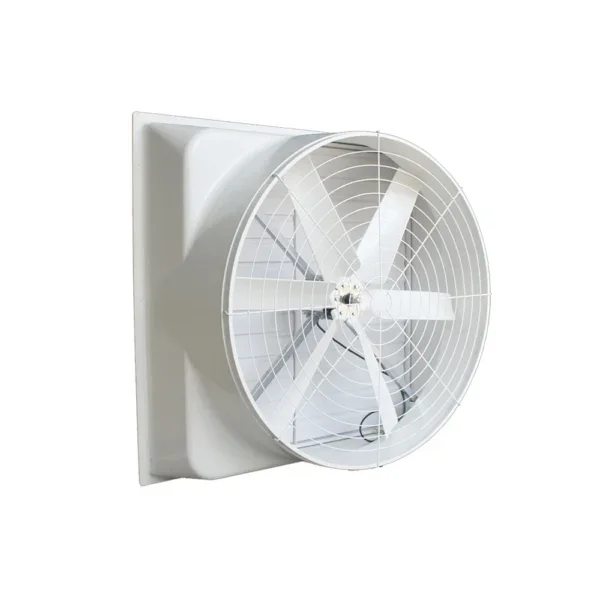
Two jobs: exchange and circulation
| Job | Fan type | Where |
|---|---|---|
| Remove ammonia, odour, moisture and heat | Wall exhaust fans with inlets on the opposite side | Kennel blocks, shelters, stables, isolation rooms |
| Keep animals comfortable in heat | Wall-mounted or stand fans aimed along runs or stalls | Dog runs, horse stalls, grooming and wash areas |
| Large open barns and arenas | HVLS ceiling fans or drum fans | Riding halls, open barns |
Planning tips
1. Exhaust high, fresh air in low
Warm, moist air rises. Exhaust fans high on the wall with inlets on the opposite side create a steady sweep through the building.
2. Run ventilation all year
Ammonia and moisture build up in winter too. Use fan speed or the number of running fans to adjust between seasons, rather than switching off.
3. Safety around animals
Mount fans and cables out of reach of chewing and kicking, with closed metal guards. Keep fans away from bedding and hay, and keep motors clean of dust and hair.
4. Noise
Dogs and horses are sensitive to noise. Several fans at moderate speed are calmer than one fan at full speed.
5. Cleaning and wash-down
Kennels are hosed down often. Place fans away from direct spray and choose robust housings.
LONGWELL fans for animal buildings
- Metal sidewall exhaust fans (LWWEXD series): 400–900 mm with rain deflector and insect screen. Example: LWWEXD-500D4-01, 380 V 50 Hz, 370 W, 7,800 m³/h.
- Plastic wall exhaust fans: 6–12 in, 110 V or 220 V, for small kennels, catteries and isolation rooms.
- Wall and stand fans: 18–30 in, oscillating or fixed, metal grille, 110 V, 120 V or 220–240 V.
- Drum fans: 26–48 in mobile fans for barns and wash areas.
- HVLS ceiling fans: 2.6–7.3 m for riding halls and open barns.
- Agricultural exhaust fans for larger barns: see poultry and livestock ranges.
Browse: wall exhaust fans · wall and stand fans · drum fans · agricultural exhaust fans
Related: livestock farming · dairy cow cooling
What to include in your enquiry
- Building type and size; number of animals
- Existing openings and windows
- Climate (hot summers, cold winters)
- Voltage and phase
- Quantity
Plan ventilation for your kennel or stable →
FAQ
How do I ventilate a dog kennel?
Use exhaust fans high on one wall and fresh-air inlets on the other, running continuously, and add wall fans aimed along the runs for hot days.
What fans are best for horse stalls?
Wall-mounted or stand fans with metal guards, mounted out of the horse’s reach, plus exhaust ventilation for the barn. Large open barns can use HVLS ceiling fans.
How much ventilation does an animal shelter need?
It depends on the number and size of animals, the building and the climate. Follow your veterinarian’s or local authority’s guidance, then size the fans to that air-change target.
Can fans reduce ammonia smell?
Yes. Continuous exhaust ventilation removes ammonia and odour along with moist air, alongside regular cleaning.