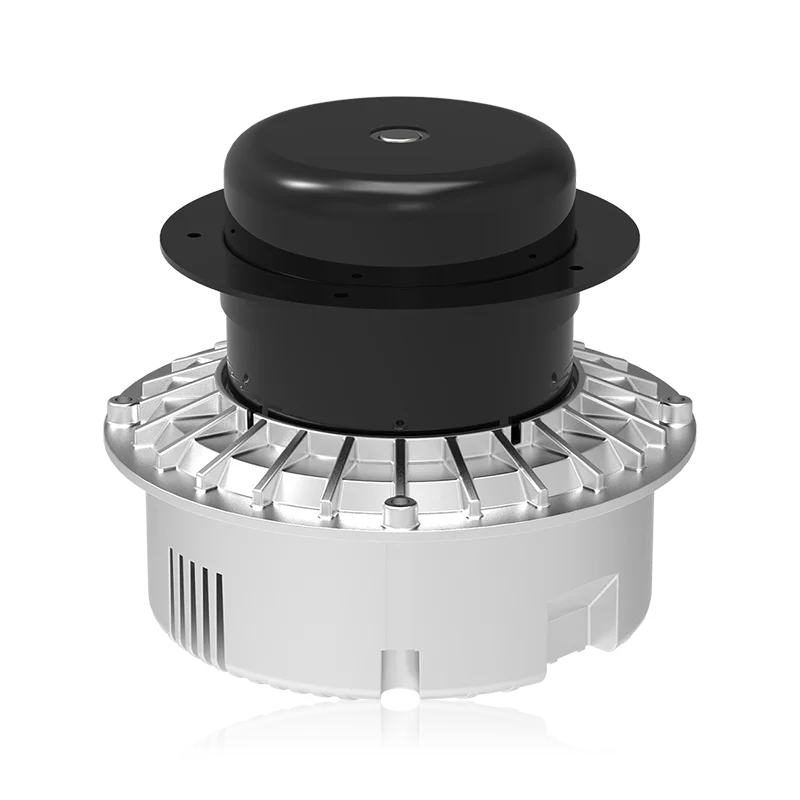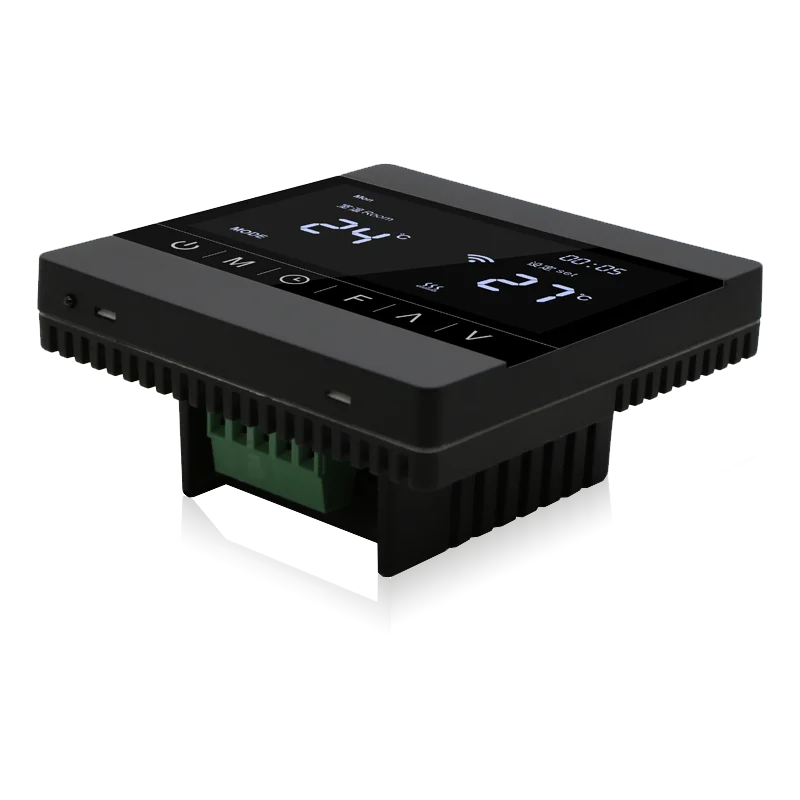

Leave your requirements and our team will respond within 1 business day.
Download the duct fan catalog, easily obtain customized ventilation solutions, optimize your system design!

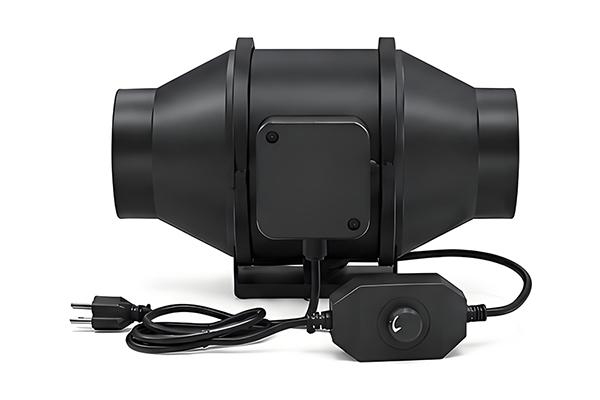
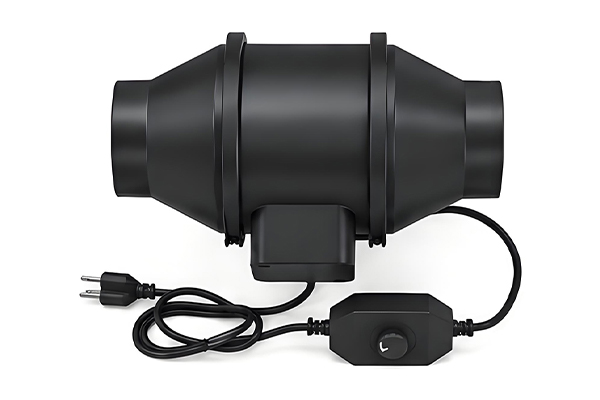
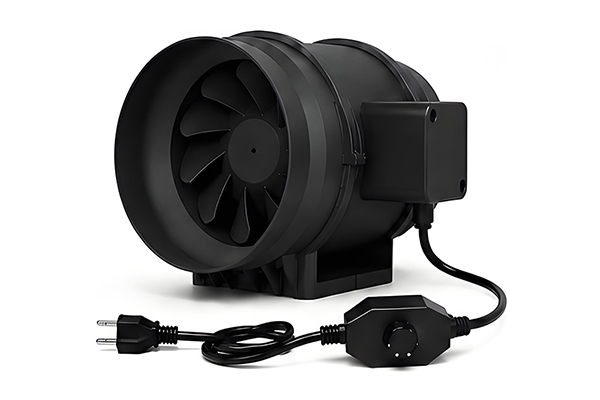
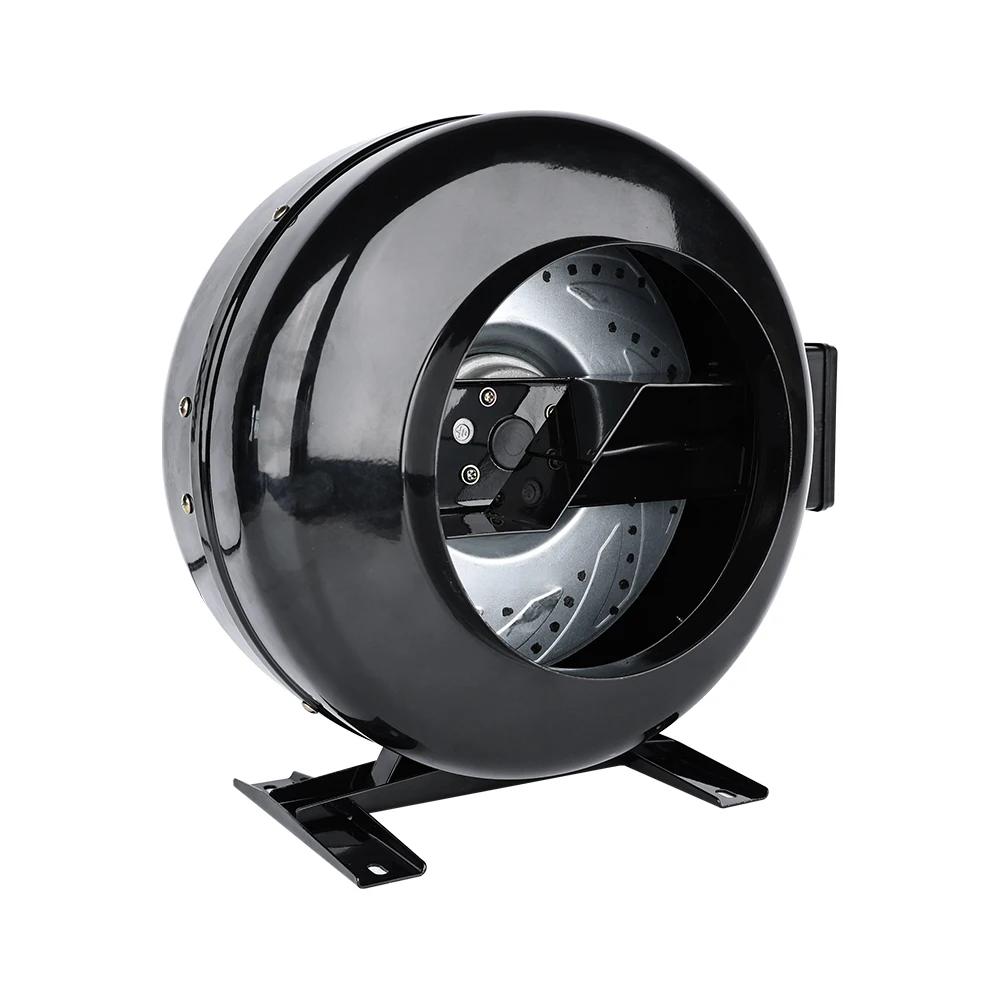
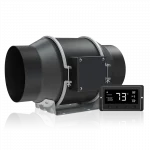
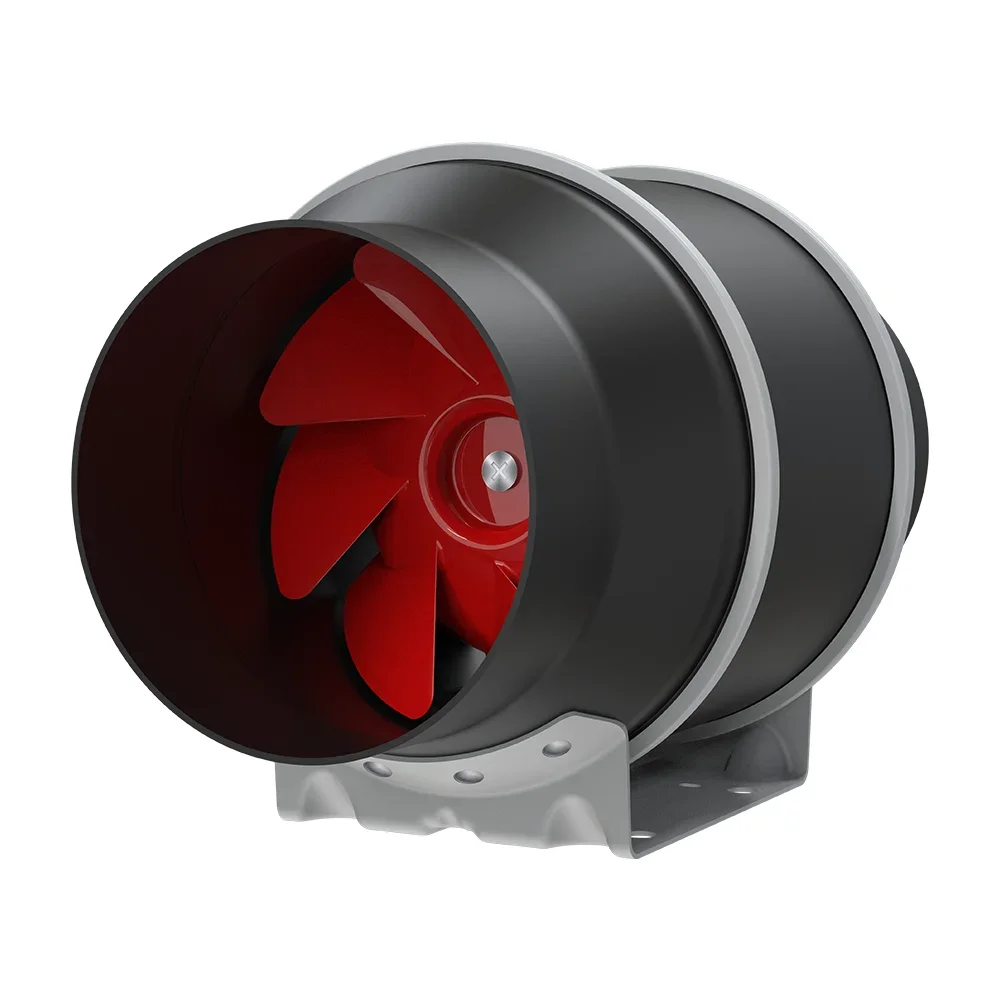
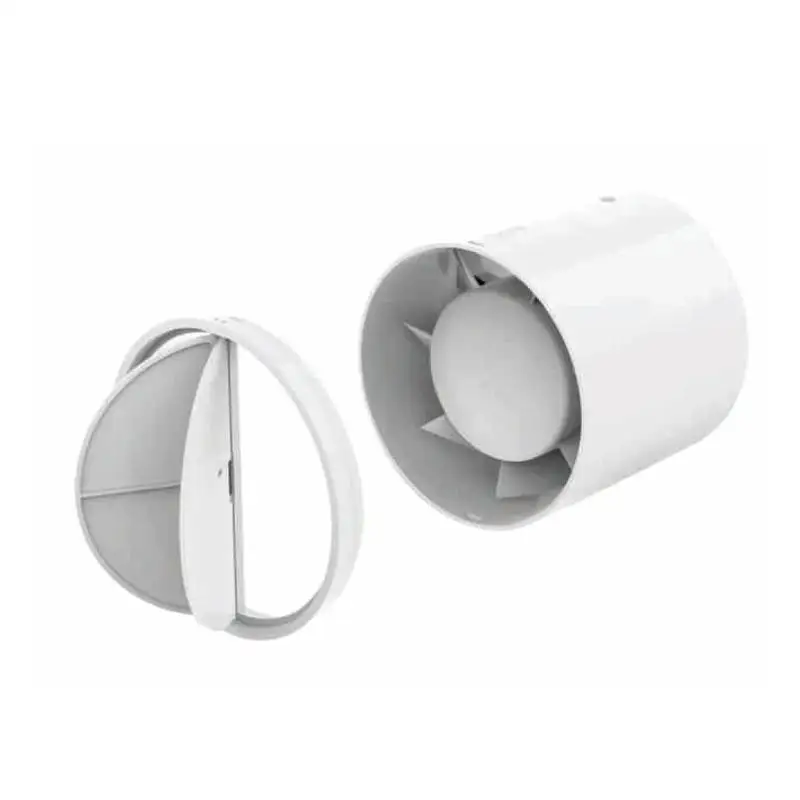
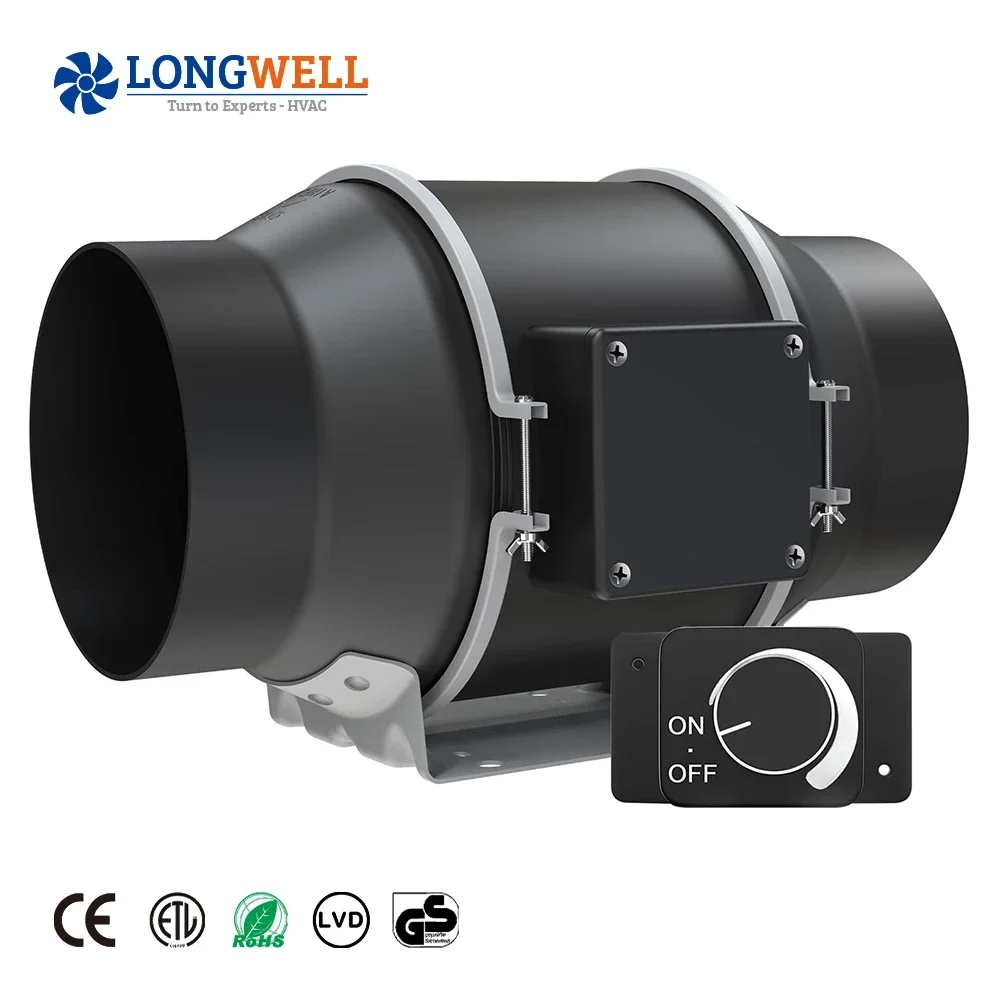
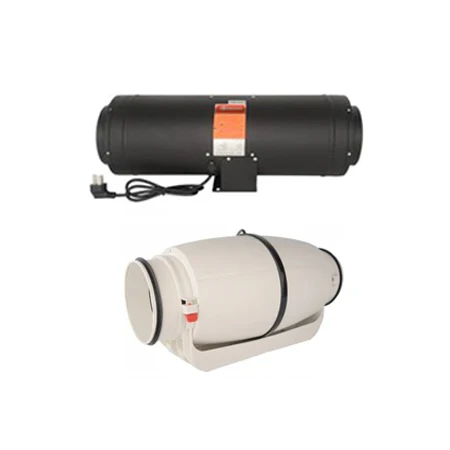
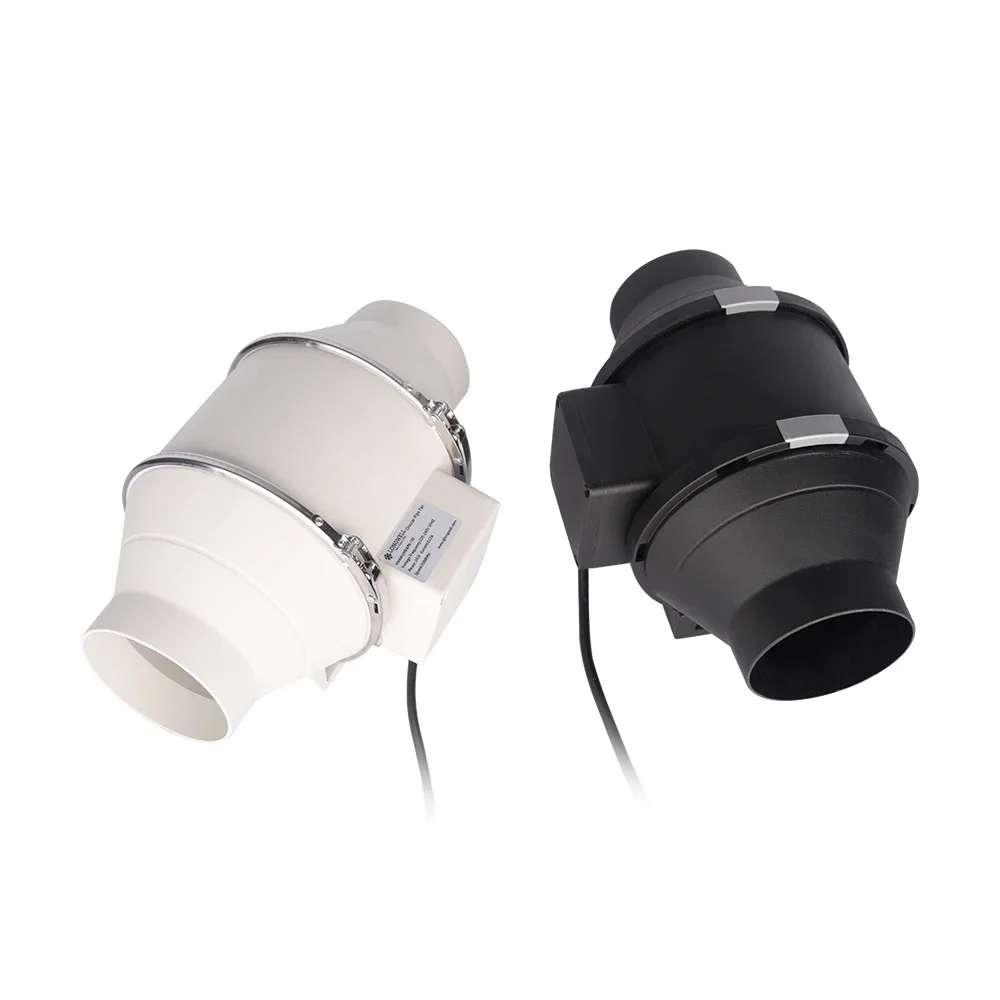
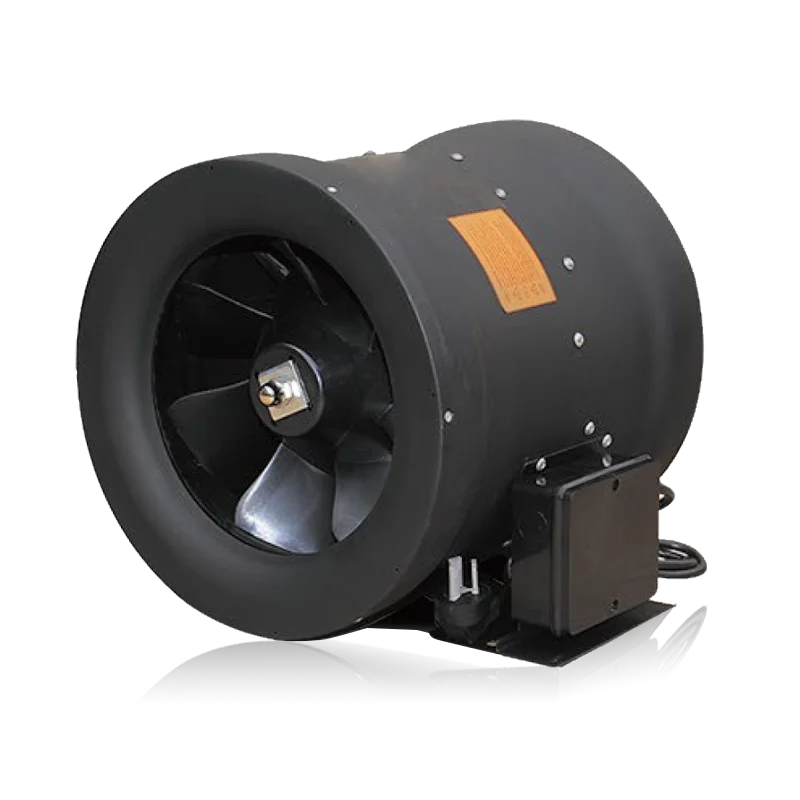
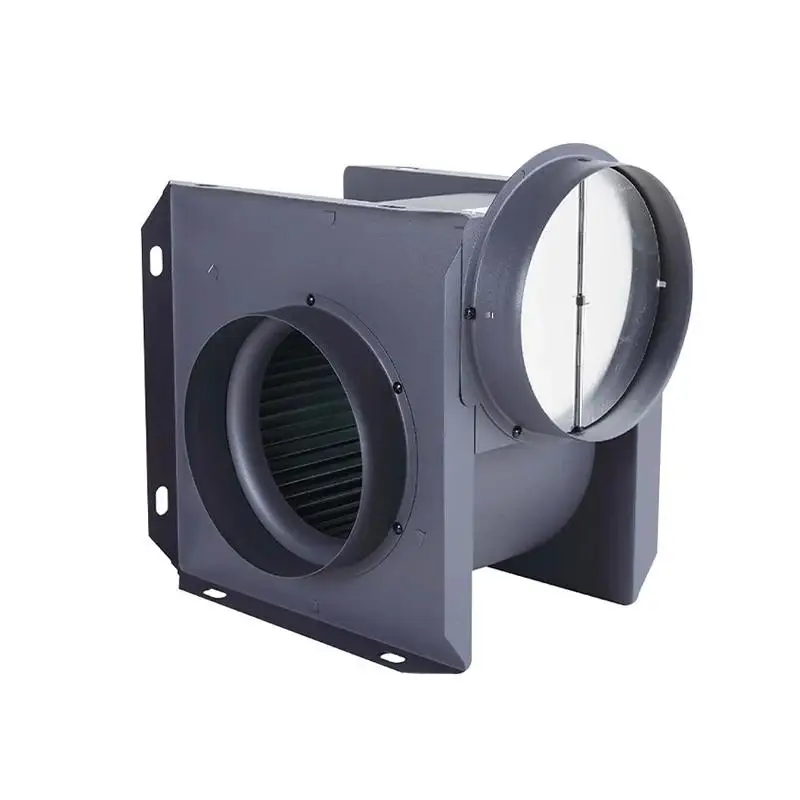
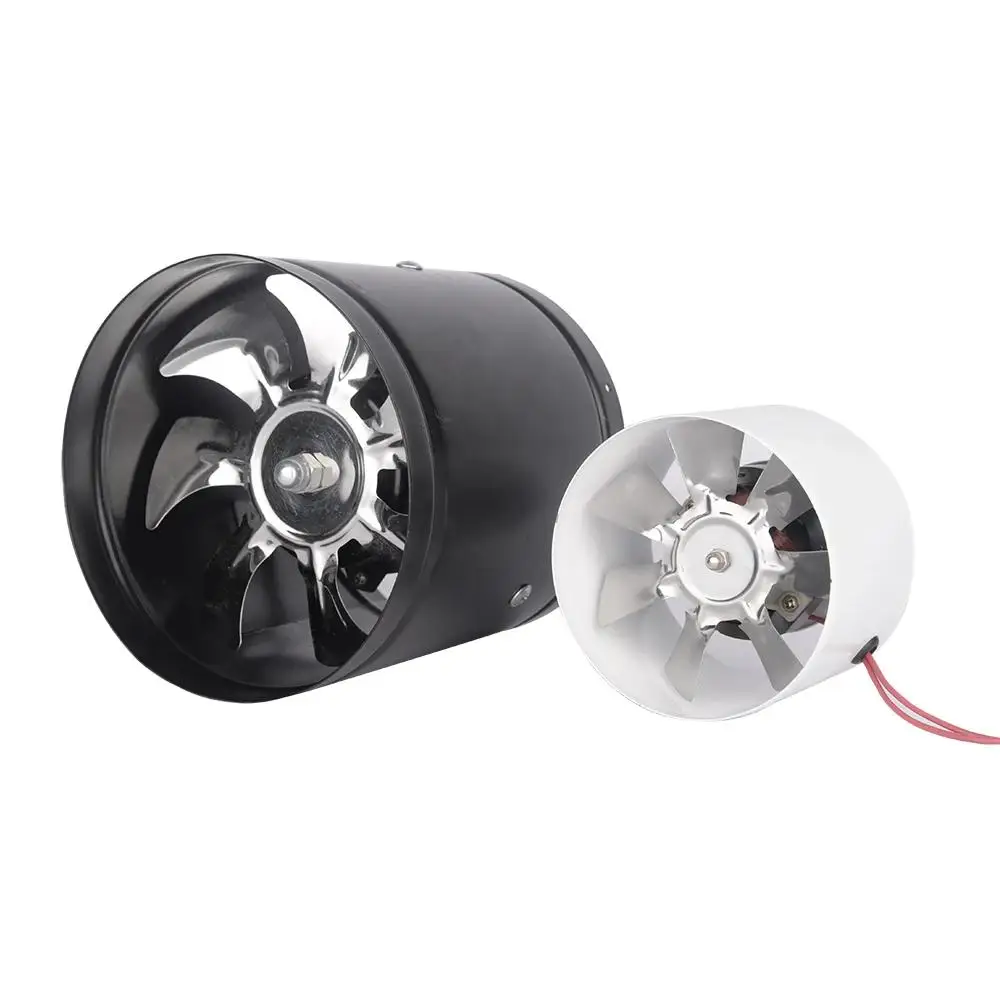
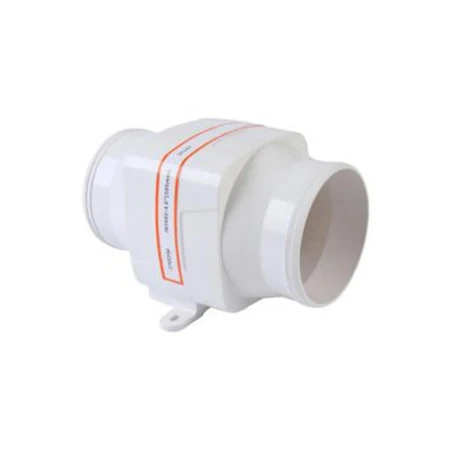
| Image | Name | Airflow(m³/h) | Voltage(V) | Frequency(Hz) | AC/DC/EC | Dimensions(mm) | Sound Pressure(dB(A)) | Sound Power(Bel) | Speed |
|---|---|---|---|---|---|---|---|---|---|
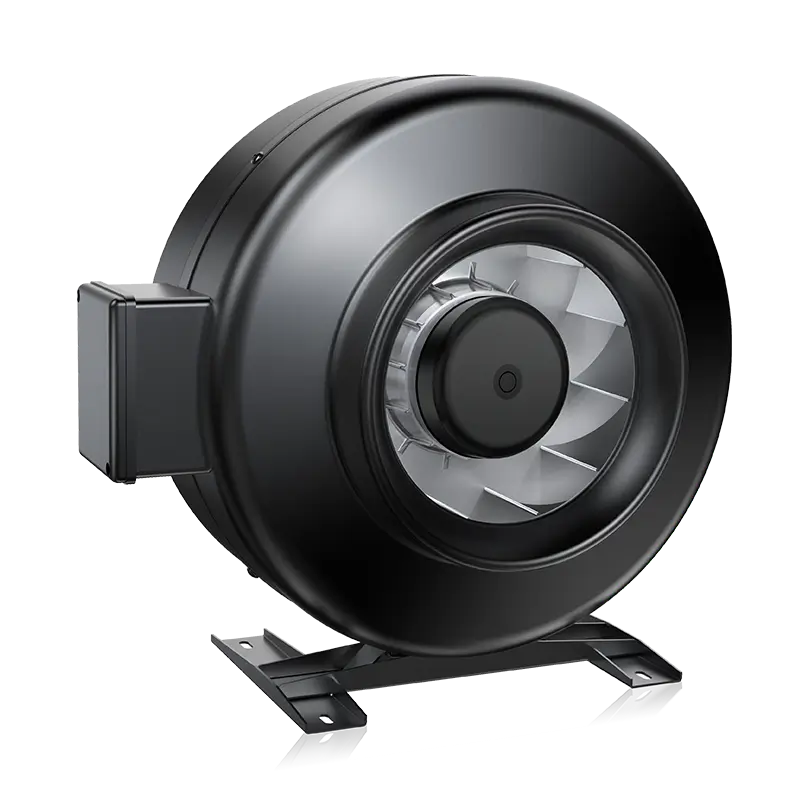
| LONGWELL LWDD-200M-MBN-11 Metal inline fans | 662 | 24 | / | DC | 200 | 505 | 60 | 2600 |
| LONGWELL LWDD-200H-MBN-12 Metal inline fans | 662 | 48 | / | DC | 200 | 505 | 60 | 2600 |
| LONGWELL LWDD-100L-MBN-11 Metal inline fans | 241 | 12 | / | DC | 100 | 365 | 30 | 3000 |
| LONGWELL LWDD-100M-MBN-12 Metal inline fans | 241 | 24 | / | DC | 100 | 365 | 30 | 3000 |
| LONGWELL LWDD-100H-MBN-13 Metal inline fans | 241 | 48 | / | DC | 100 | 365 | 30 | 3000 |
| LONGWELL LWDD-125L-MBN-07 Metal inline fans | 270 | 12 | / | DC | 125 | 365 | 32 | 3000 |
| LONGWELL LWDD-125M-MBN-08 Metal inline fans | 270 | 24 | / | DC | 125 | 365 | 32 | 3000 |
| LONGWELL LWDA-315S-MBN-02 Metal inline fans | 1680 | 230 | 50 | AC | 315 | 593 | 220 | 2520 |
| LONGWELL LWDA-125S-MBN-10 Metal inline fans | 294 | 230 | 50 | AC | 125 | 326 | 52 | 2350 |
| LONGWELL LWDA-150S-MBN-12 Metal inline fans | 457 | 230 | 50 | AC | 150 | 368 | 72 | 2160 |
Longwell has been specializing in producing fans for nearly 30 years, providing you with a wide range of duct fans to meet your various ventilation needs.
There are many kinds of drive modes for duct fans. The drive duct fan has transmission efficiency of nearly 100%. EC fan can maintain high efficiency operation under the load of 40% to 80%.
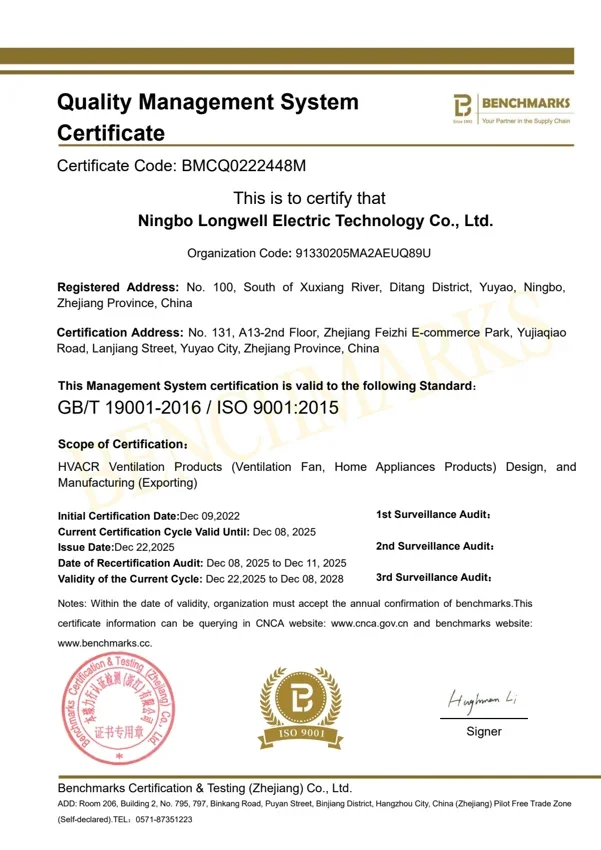
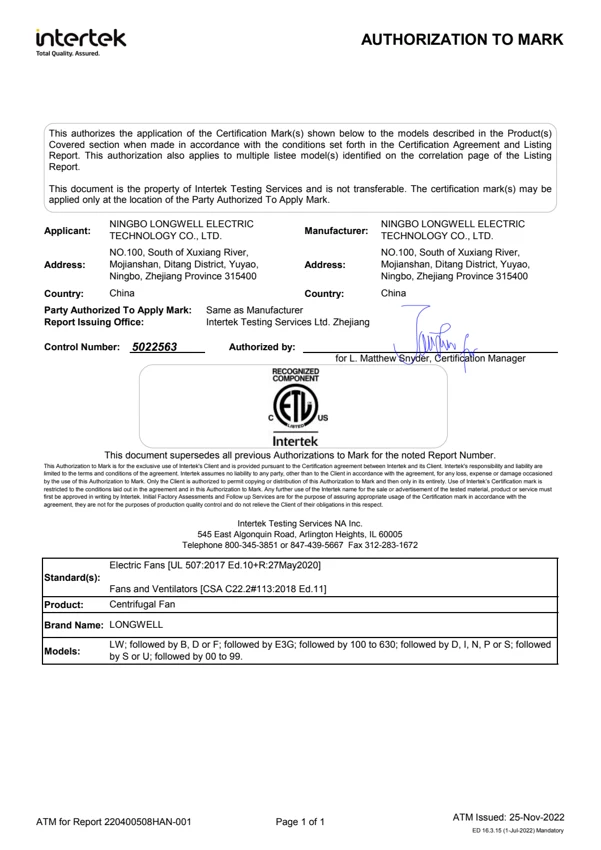
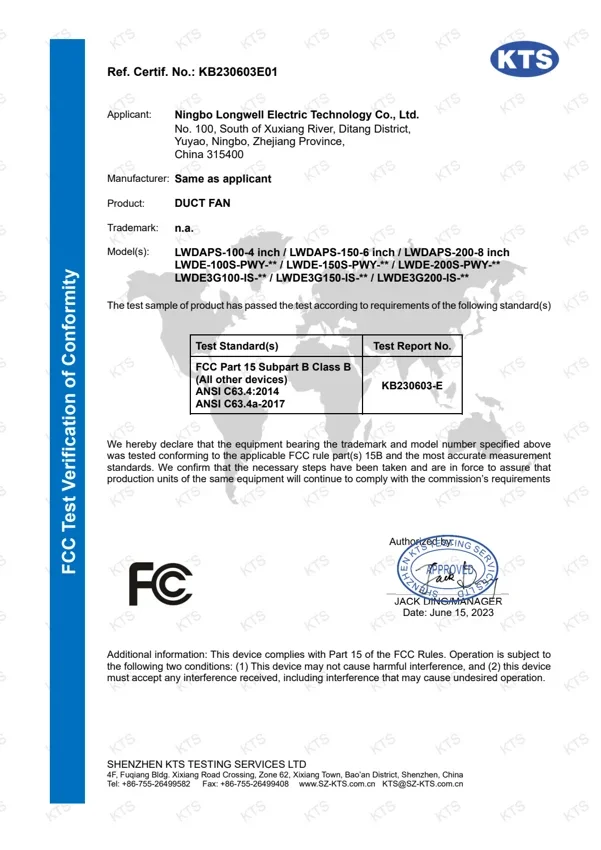
Longwell fans are reliable because they have passed a number of international certifications, including CE certification, RoHS certification, etc. Its protection level also reaches IP55.
Many duct fans adopt direct drive design, which eliminates intermediate transmission parts, reduces maintenance requirements, and greatly reduces the space occupied.
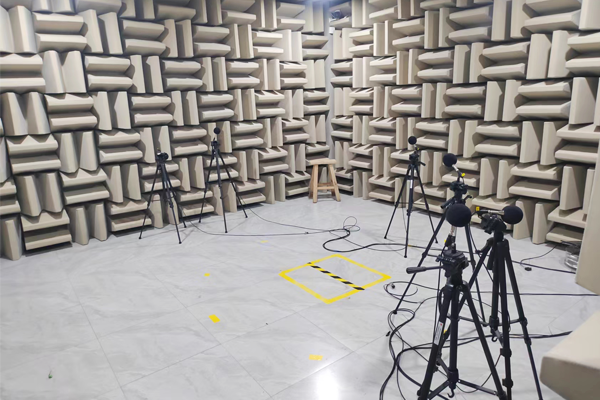
Using low-noise motors and backward-bent centrifugal impellers, Longwell duct fans can provide a quiet operating environment with noise below 25-30dB.
The overheating protection function of Longwell duct fan avoids the hidden dangers caused by excessive temperature. It has also been tested for explosion-proof safety.
Duct fan is installed within ventilation ducts, rather than at the end of duct or on the wall. It operates by increasing gas pressure to overcome system resistance in the duct, enabling efficient air delivery and achieving ventilation, smoke exhaust, and cooling. It not only dissipates heat in the room but also keeps the air fresh and odor-free.
Duct fan can generate high static pressures, such as 500-800 Pa or higher, sufficient to move air through longer ducts and overcome resistance, delivering it to distant destinations. Therefore, it is particularly suitable for rooms with high ceilings.
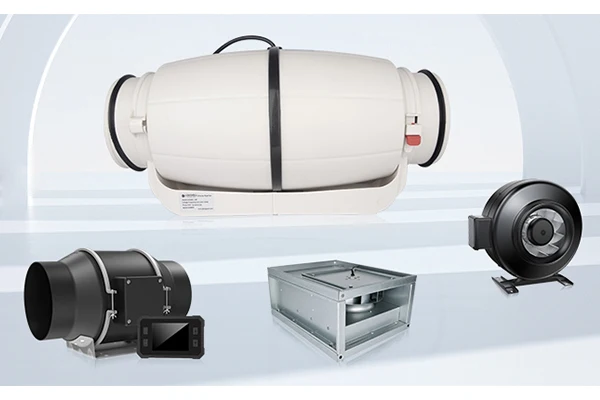
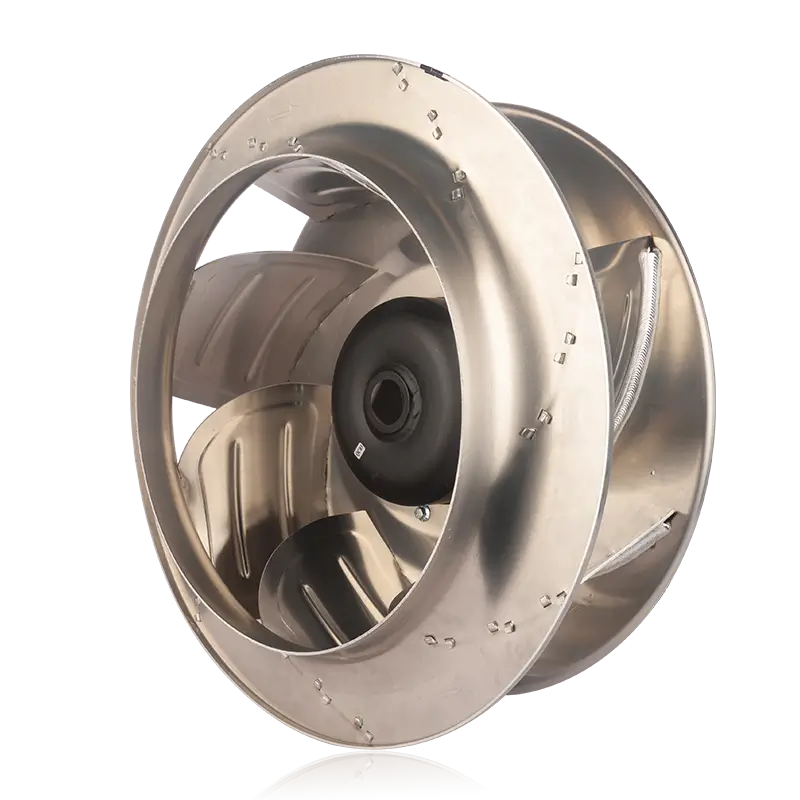
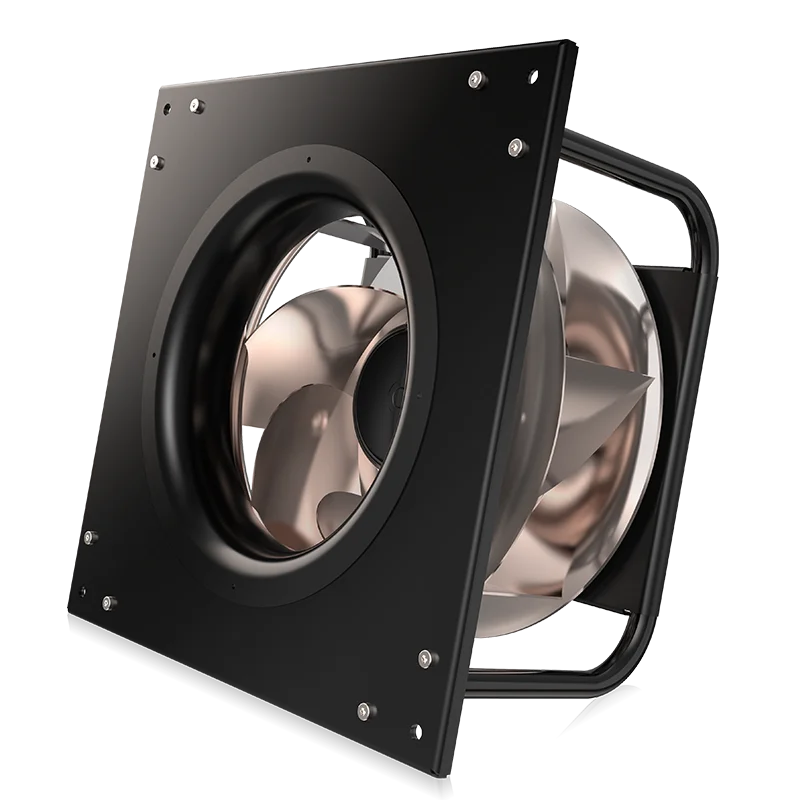
Longwell offers a comprehensive range of duct fans, including centrifugal, axial, and mixed-flow duct fans. They come in various shapes: round, rectangular, and square. We are committed to meeting your ventilation needs across various settings—from industrial production facilities and commercial buildings to kitchens, bathrooms, and other public spaces.
After over two decades of continuous development, Longwell has significantly advanced its technological innovation, manufacturing, quality control, global service, and customization capabilities, providing customers around the world with the most efficient air flow solutions.
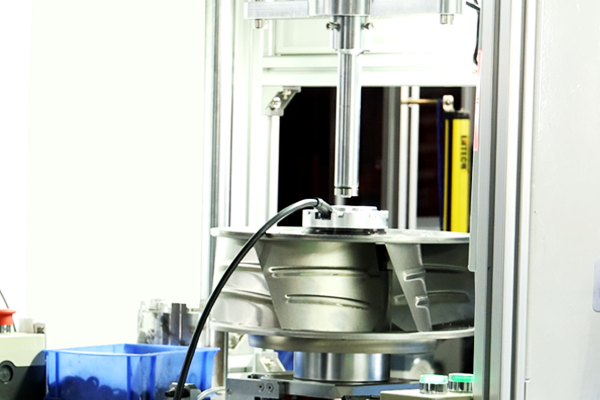
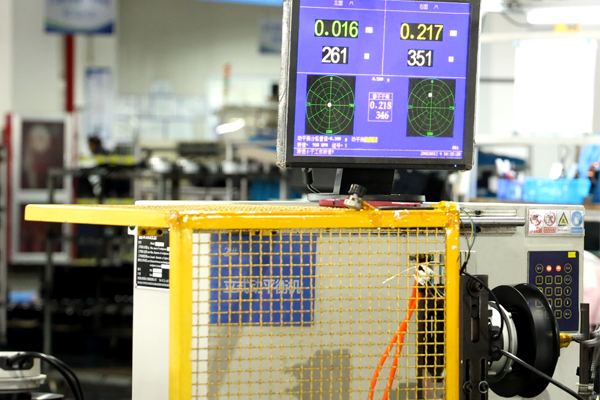
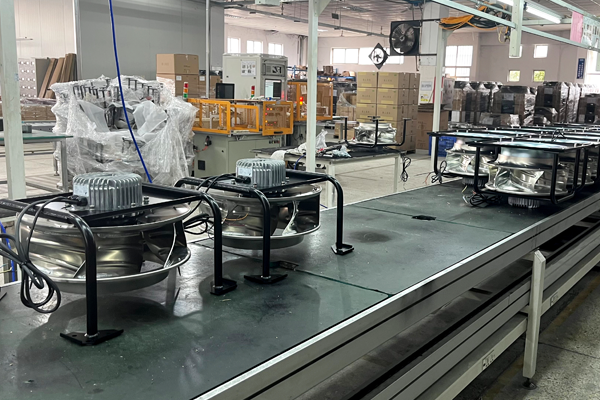
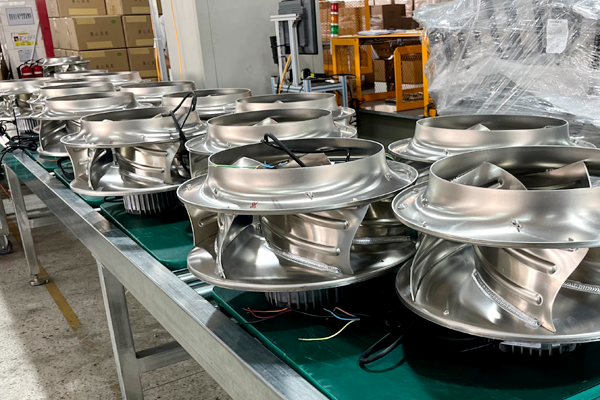
We have automated production line with an annual production capacity of over one million units, and ample inventory for fast shipping within 7 days. Most importantly, our products are of high quality and very affordable. If you require a customized product, our robust OEM/ODM capabilities can meet your specific requirements in terms of size, blade type, material, performance, and more.
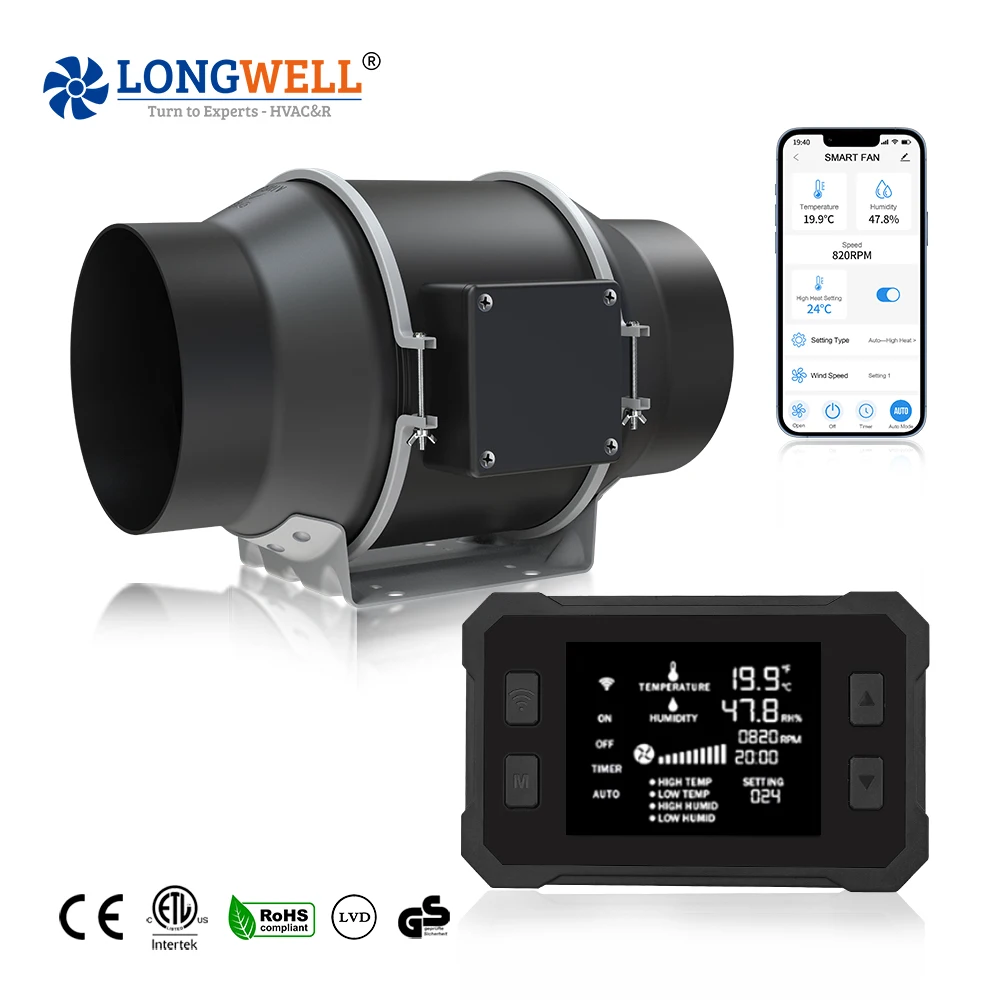
SmartEC™ intelligent control combined with AcuFlow™ aerodynamic optimization delivers higher static pressure and lower energy consumption, while AcousticFlow™ technology reduces system noise.
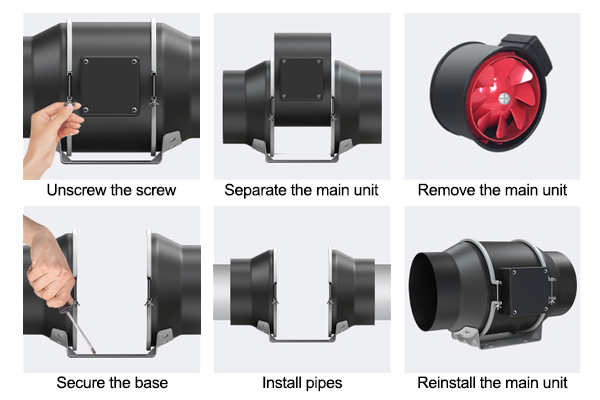
Before starting the installation, you should be sure to disconnect the power supply to the work area for safety. Then, you’ll need a screwdriver to remove the old ventilation cover from the exhaust pipe, insert the inline duct fan into the exhaust pipe, and secure it.
After securing the duct fan, reconnect the power supply and activate the direct fan for testing. Adjust the fan speed while monitoring noise levels and maintaining consistent airflow to ensure proper operation. Note: Installation procedures may vary by region. For detailed guidance, Click Here to contact our certified technicians.
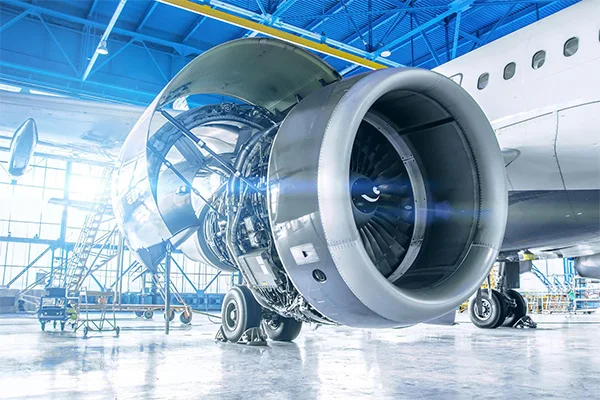
Duct fan is often used in drones, aircraft, helicopters, etc., to provide the thrust needed for vertical lifting. Its blades are located inside the pipeline and do not touch external objects, making it highly safe. It also makes much less noise than traditional open tail propellers.
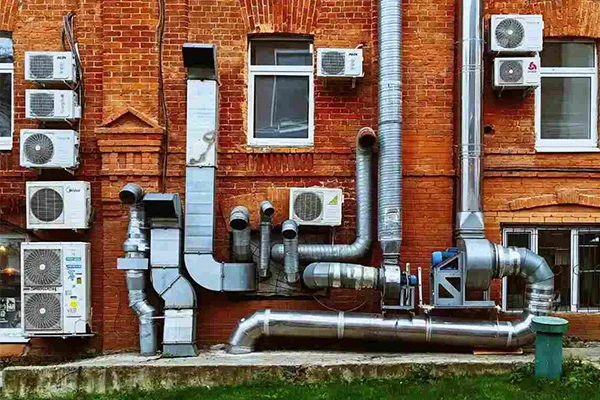
HVAC systems are indispensable in public places like commercial and industrial buildings, as well as home spaces including bathrooms and kitchens. Duct fan is the core components of ventilation systems, responsible for key functions such as air supply, exhaust and pipeline pressurization.
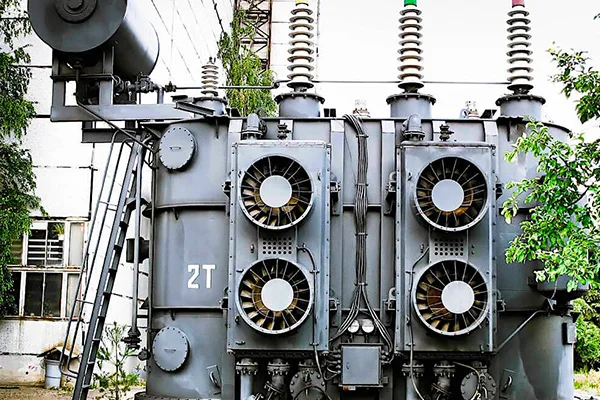
Server cabinets, frequency converters, laser equipment, welding machinery, etc. all need fan auxiliary cooling. For high heat dissipation demand of desktop computers or workstations, small duct fan is also used to provide strong directional airflow and water cooling exhaust.
A very typical application of duct fan on transport vehicles is hovercraft, which is used as a propeller or lifting fan to provide powerful thrust. In addition, it also provides forced cooling airflow for traction ventilation and cooling systems such as EMU and subway trains.
Thanks to the high protection rating up to IP55 and excellent corrosion resistance, duct fan is the first choice for ventilation in oil industry, mine, tunnel and other space. Its air volume can reach up to 60,000 CFM, and can ensure the safety of construction environment.
The noise level of duct fans generally depends on the model, speed, and installation method. Low-noise models can be kept to 30-45 dB(A), while industrial-grade fans may reach 60-75 dB(A). To reduce noise, you can take the following measures:
Install vibration-damping brackets or soundproof enclosures for the fan, and avoid installing it in sensitive areas.
● Refer to the EU ErP energy efficiency standards and prioritize models with efficiencies greater than 80%.
● Match air volume and pressure to actual needs to avoid wasting energy by exceeding actual air volume requirements.
Choose a model that supports intelligent control to facilitate integration with building automation systems for on-demand ventilation.
● Moisture-proof protection: Choose a motor with an IP54 or higher protection rating to protect it from splashing water and dust during use. If you’re purchasing a ducted fan for a bathroom, it’s best to choose a stainless steel or coated housing.
● High-temperature-resistant design: If you’re using the ducted fan for smoke exhaust or in high-temperature environments, choose a model with a temperature resistance of >80°C, and the motor should be located outside the airflow.
● Clean the impeller and housing regularly to prevent oil or dust accumulation that could affect heat dissipation.
We recommend an inspection every 6-12 months, but if used in an industrial environment, it’s best to inspect every 3-6 months. Inspections of ducted fans include cleaning the impeller, checking bearing lubrication, and tightening terminal blocks.
● Listen for any unusual noises, such as banging or sharp grinding sounds, to indicate impeller deformation or bearing damage.
● Touch the fan housing. If the temperature exceeds 70°C, it may be overloaded or experiencing poor heat dissipation. Observe whether there is a significant decrease in air volume. This could be caused by a clogged filter or loose belt.
Explosion-proof fans must comply with ATEX/IECEx certification standards. Their key differences from ordinary fans are:
● Structural Design: The motor and casing are encapsulated in an explosion-proof package to prevent sparks from igniting explosive gases.
● Material Requirements: The impeller and casing are typically made of non-sparking materials like copper alloy or coated steel.
● Applicable Locations: Chemical, petroleum, and gas stations, among other environments where flammable and explosive gases or dust are present.