Ventilation systems play a vital role in maintaining air quality, regulating temperature, removing airborne contaminants, and improving overall energy efficiency across residential, commercial, and industrial environments. Selecting the right fan type is one of the most critical factors in designing a high-performance and reliable ventilation system.
The physical construction and function of fans vary, and each type is used for different applications. From large-scale industrial exhaust systems to energy-efficient HVAC solutions, choosing the appropriate fan can significantly impact airflow performance, operating costs, noise levels, and long-term efficiency.
For facility managers, OEM manufacturers, and HVAC professionals looking to optimize ventilation performance, understanding the differences between fan types is essential. In this guide, we’ll explain the best fan types for ventilation systems, their applications, and how to choose the right solution for your project.
Why Choosing the Right Ventilation Fan Matters?
Ventilation fans are everywhere – inside the server racks that keep data centers operating around the clock, behind cleanroom filtration systems protecting sensitive pharmaceutical batches, inside the slim housing of 5G base stations maintaining stable network performance during extreme temperatures.
That’s why selecting the right ventilation fan is far more than a simple purchasing decision. In modern HVAC and industrial ventilation systems, fan selection has become both an engineering and business-critical decision. A properly matched ventilation fan can:
Reduce energy consumption by 30–50%
- Improve airflow stability and system efficiency
- Extend equipment service life
- Lower maintenance and operational costs
- Support quieter operation
- Ensure compliance with energy-efficiency regulations and industry standards
On the other hand, the wrong fan can lead to insufficient airflow, excessive noise, overheating, rising operating costs, and premature equipment failure.
Why Fan Selection Has Gotten More Complex?
Selecting the right ventilation fan is no longer as straightforward as simply matching airflow and pressure requirements. As ventilation systems become more advanced, engineers and manufacturers must balance energy efficiency, intelligent control, space limitations, noise reduction, and regulatory compliance — all at the same time.
In modern ventilation systems, several major industry trends have made fan selection significantly more complex.
Stricter Energy Efficiency Regulations
Global energy regulations are becoming increasingly demanding. In particular, the European Union’s ErP Directive continues to raise the minimum efficiency requirement for ventilation equipment. As a result, many traditional AC motor fans are struggling to meet modern efficiency standards.
Growing Demand for Smart System Integration
Modern ventilation systems are no longer standalone components. Today’s buildings, factories, hospitals, and data centers increasingly rely on intelligent automation platforms that require ventilation equipment to communicate. So, advanced fan solutions are now expected to support features like PWM and 0-10V speed control and Building Management System (BMS) integration.
More Compact Equipment Designs
Space constraints are becoming a major challenge across modern ventilation applications. Equipment manufacturers are under pressure to create smaller, lighter, and more compact systems without compromising airflow performance or energy efficiency. These applications include compact air handling units (AHUs) and modular cleanroom panels.
This has increased demand for compact EC centrifugal fans, low-profile axial fans, and optimized airflow designs that maximize performance in confined environments.
Higher Expectations for Noise and Reliability
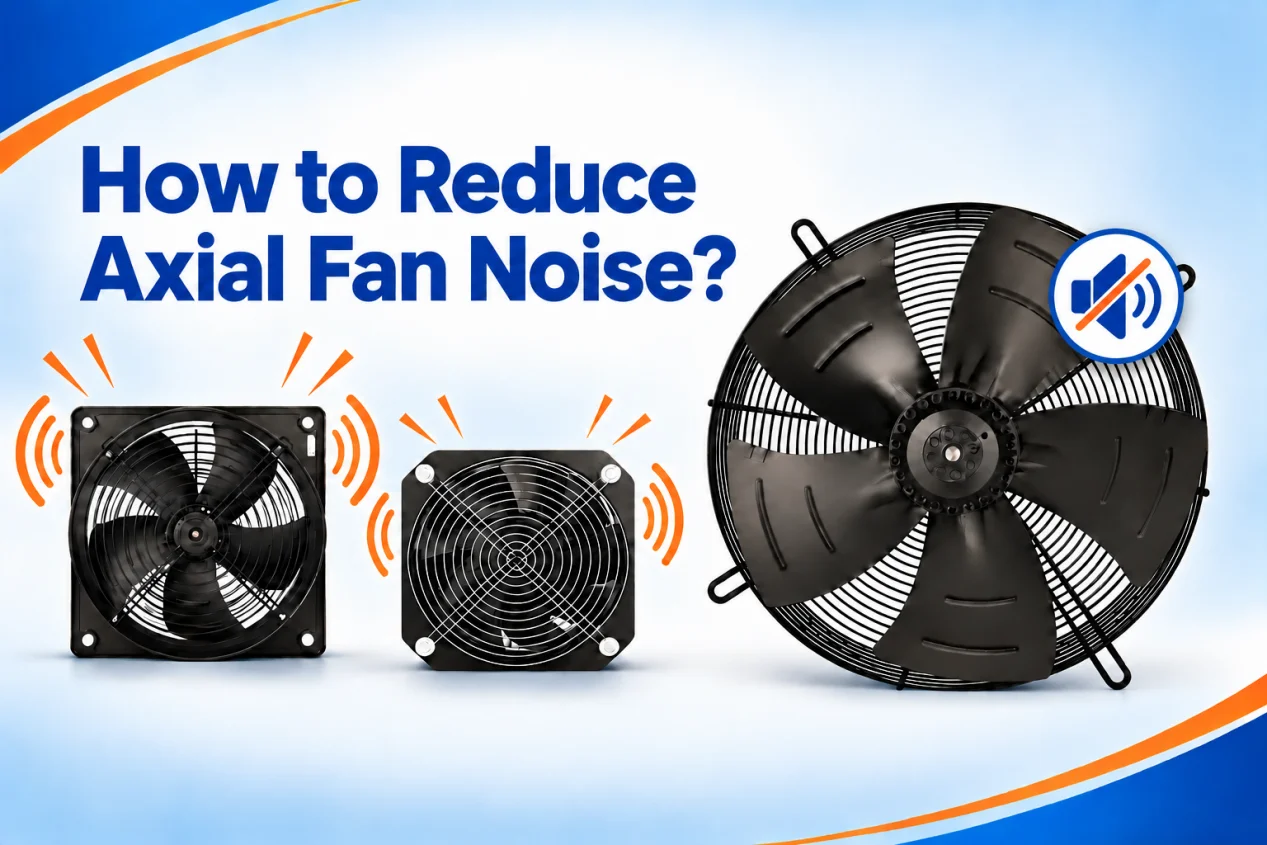
Modern ventilation systems are expected to operate more quietly and reliably than ever before, especially in hospitals, offices, residential buildings, laboratories, and data centers. These applications require more optimized fan designs, like low vibration, reduced noise levels, and stable long-term operation.
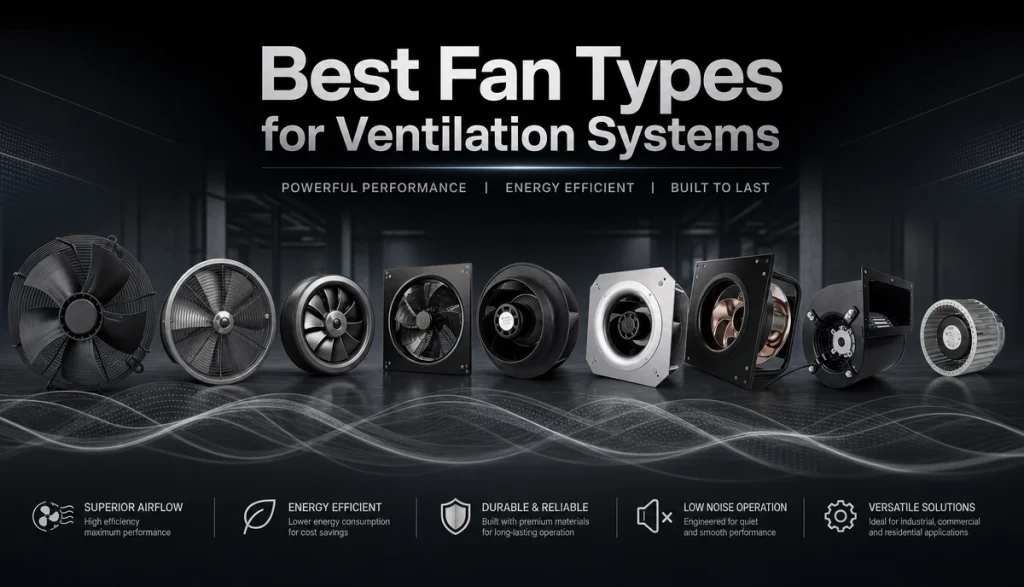
Main Types of Fans Used in Ventilation Systems
Ventilation systems rely on different fan designs to achieve specific airflow requirements. Understanding the differences between these fan types can help engineers, facility managers, and OEM manufacturers select the most efficient and reliable solution for their ventilation systems.
Axial Fans
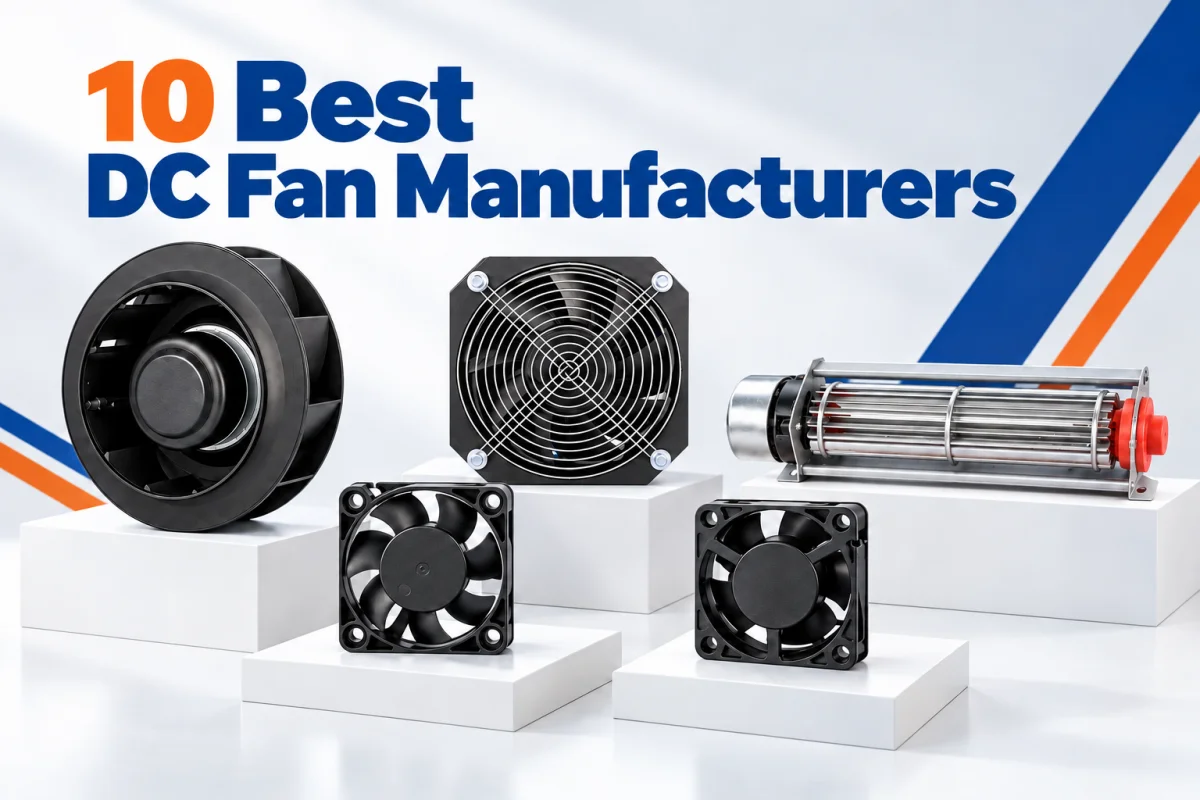
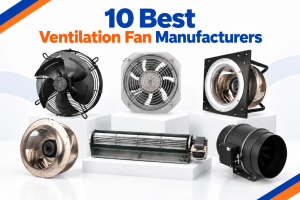
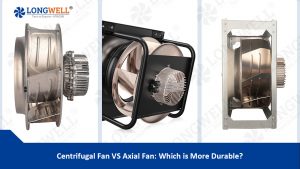
Axial fans operate by moving air parallel to the fan shaft, generating high airflow volume with relatively low static pressure. Thanks to their simple structure, compact design, and cost-effective performance, axial fans have become one of the most widely used fan types in ventilation, cooling, and HVAC systems. These fans are specifically designed for applications that require high airflow (high CFM) in relatively low-resistance environments.
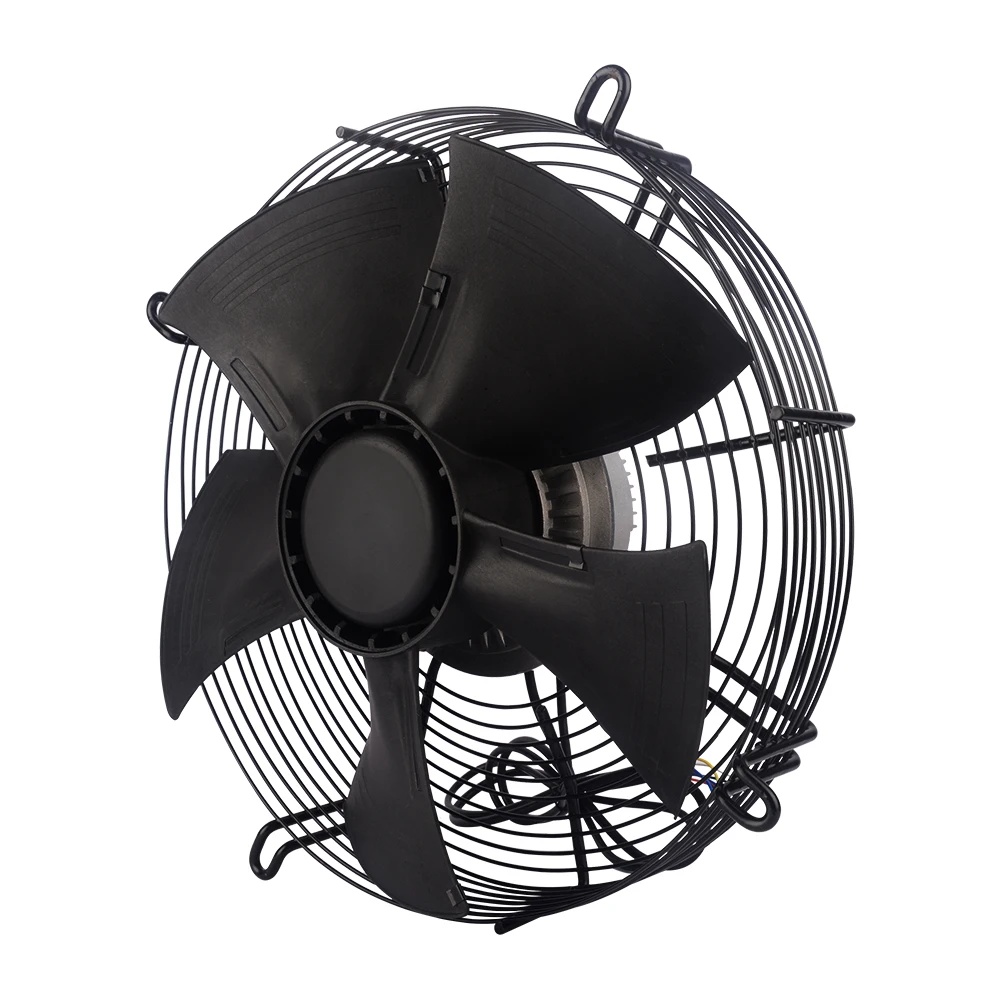
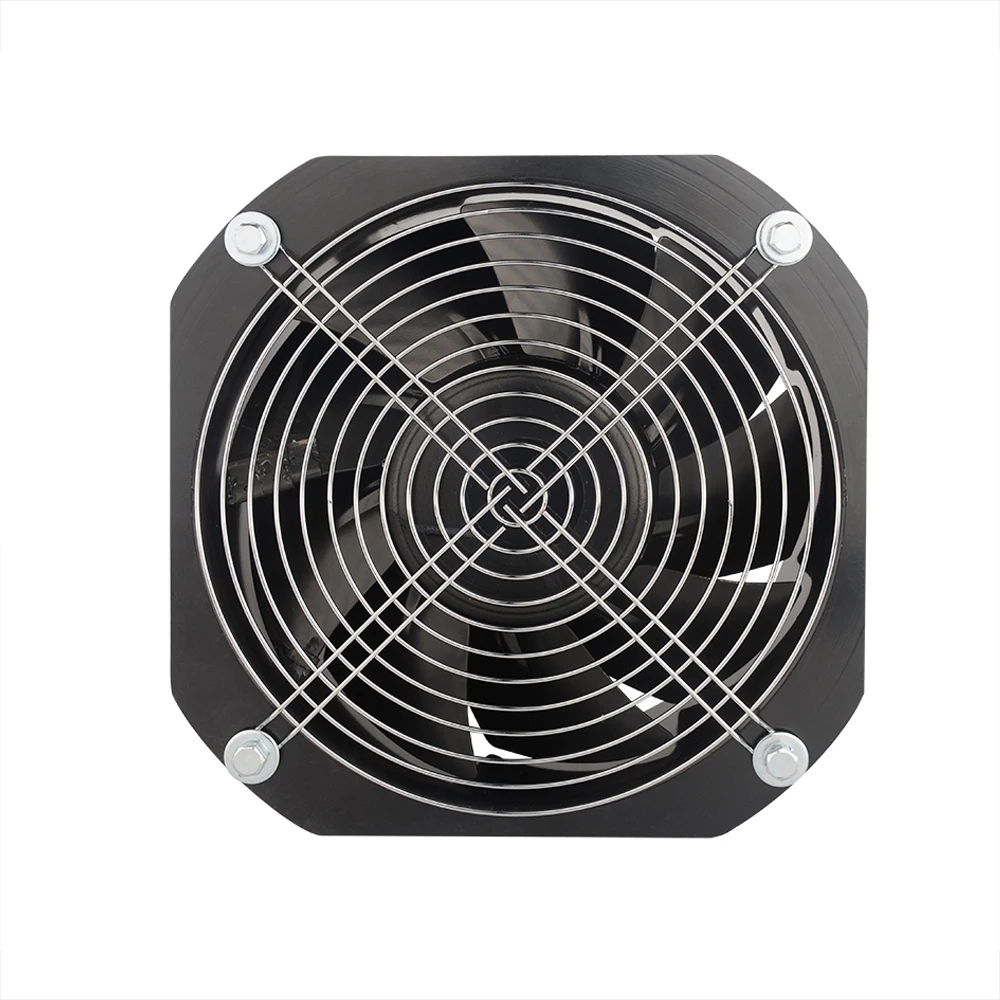
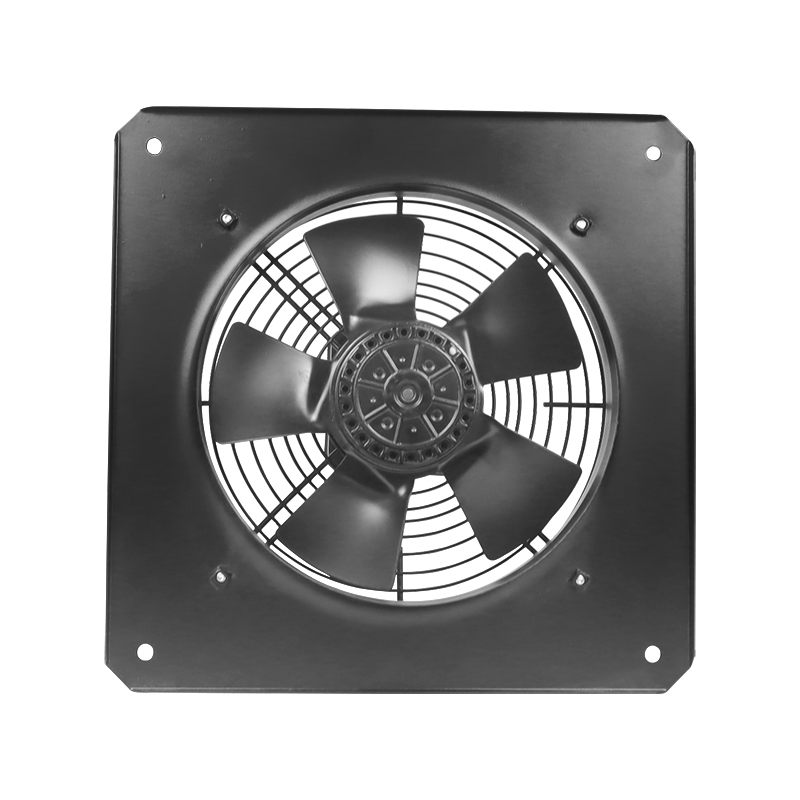
Axial fans come in different types:
- AC Axial Fans: AC axial fans use traditional alternating current (AC) induction motors and are known for their stable operation and economical pricing.
- DC Axial Fans: DC axial fans use direct current (DC) brushless motors and are widely used in compact electronic and low-voltage cooling systems.
- EC Axial Fans: EC axial fans combine AC power input with brushless DC motor technology through integrated electronic control systems. They are considered one of the most energy-efficient and intelligent ventilation solutions available today.
Learn more about the differences, advantages, and applications of AC, DC, and EC axial fans in our comprehensive blog guide: AC vs DC vs EC Axial Fans.
Although axial fans can operate at high RPMs, their primary strength lies in moving large volumes of air. In open environments with minimal airflow resistance, increasing fan speed can effectively improve airflow performance. However, in systems like complex airflow pathways, simply increasing fan speed may not significantly improve airflow but increase noise levels and reduce efficiency. For high-resistance ventilation systems, centrifugal fans are often a more suitable choice because of their stronger static pressure capability.
Centrifugal Fans
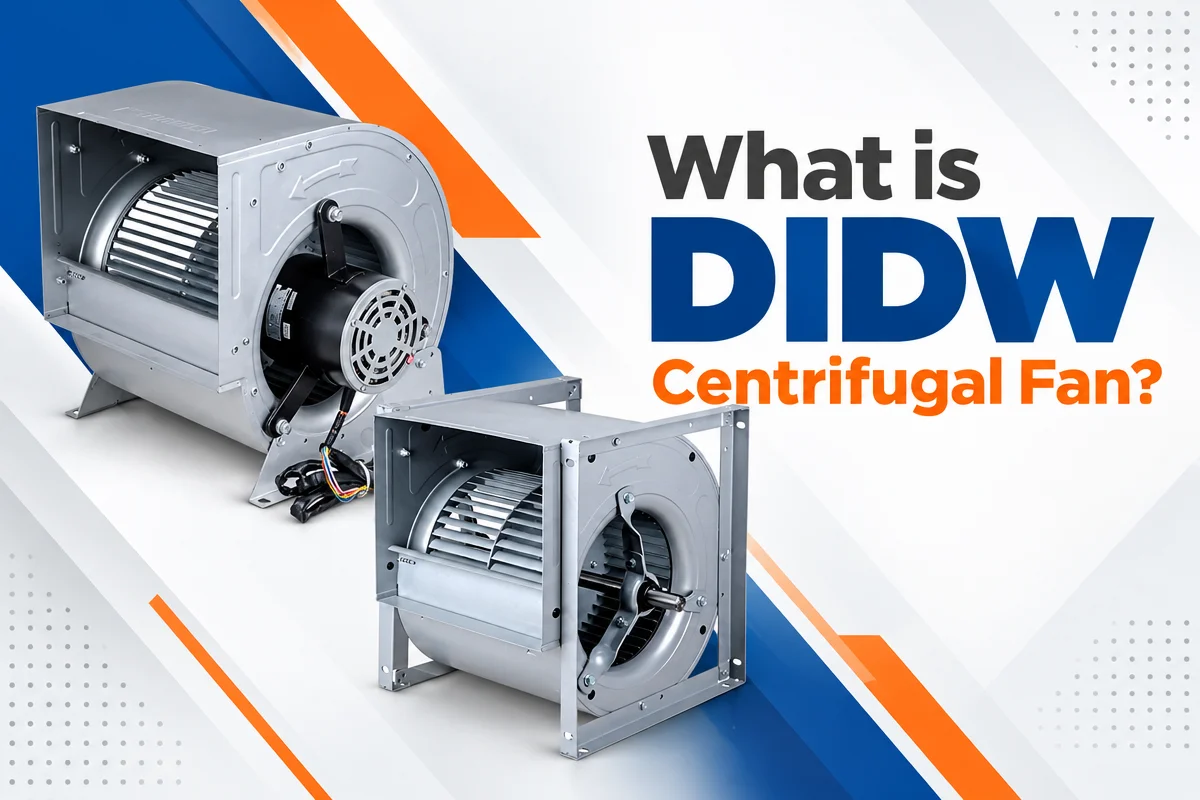
A centrifugal fan is a type of fan that draws air into the center of the impeller and discharge it at a 90-degree angle. Its defining characteristics are high static pressure output and compatibility with high-resistance systems, making it exceptionally well-suited for stable air delivery through ducted networks, filtration assemblies, and other restrictive airflow paths.
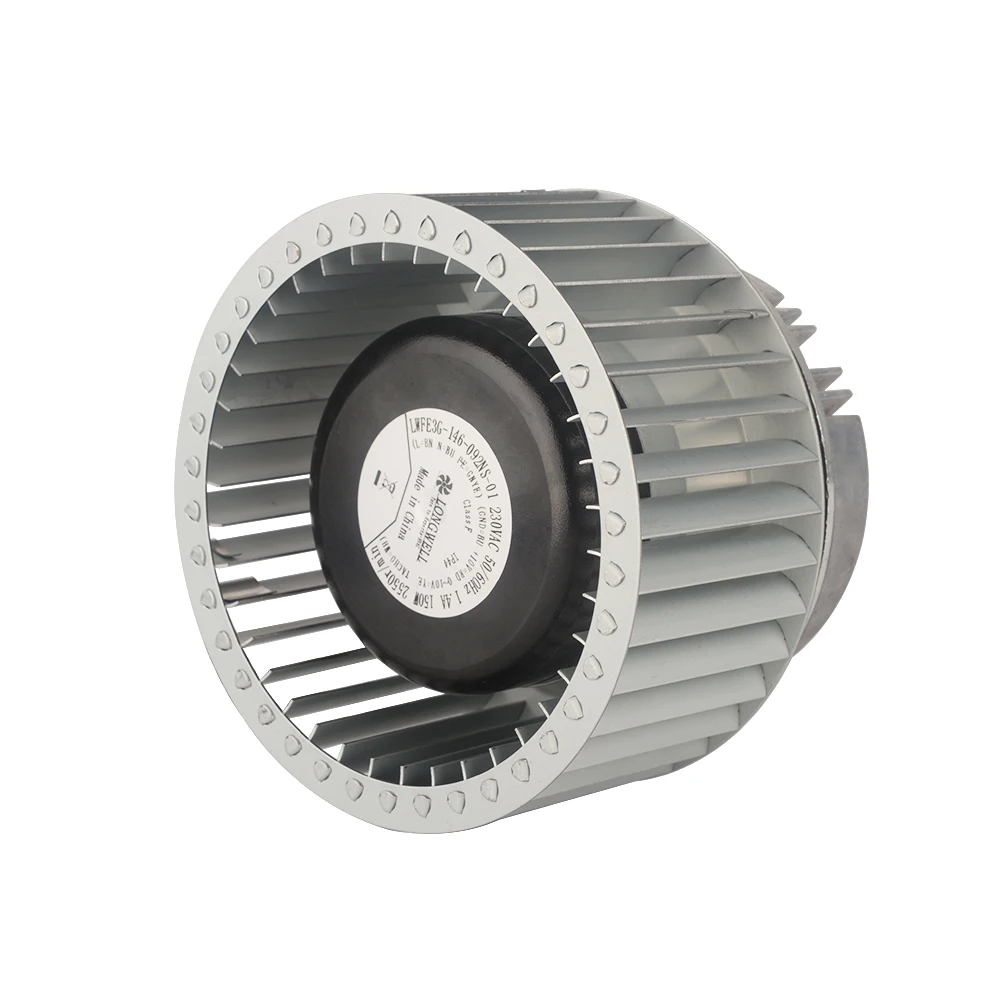
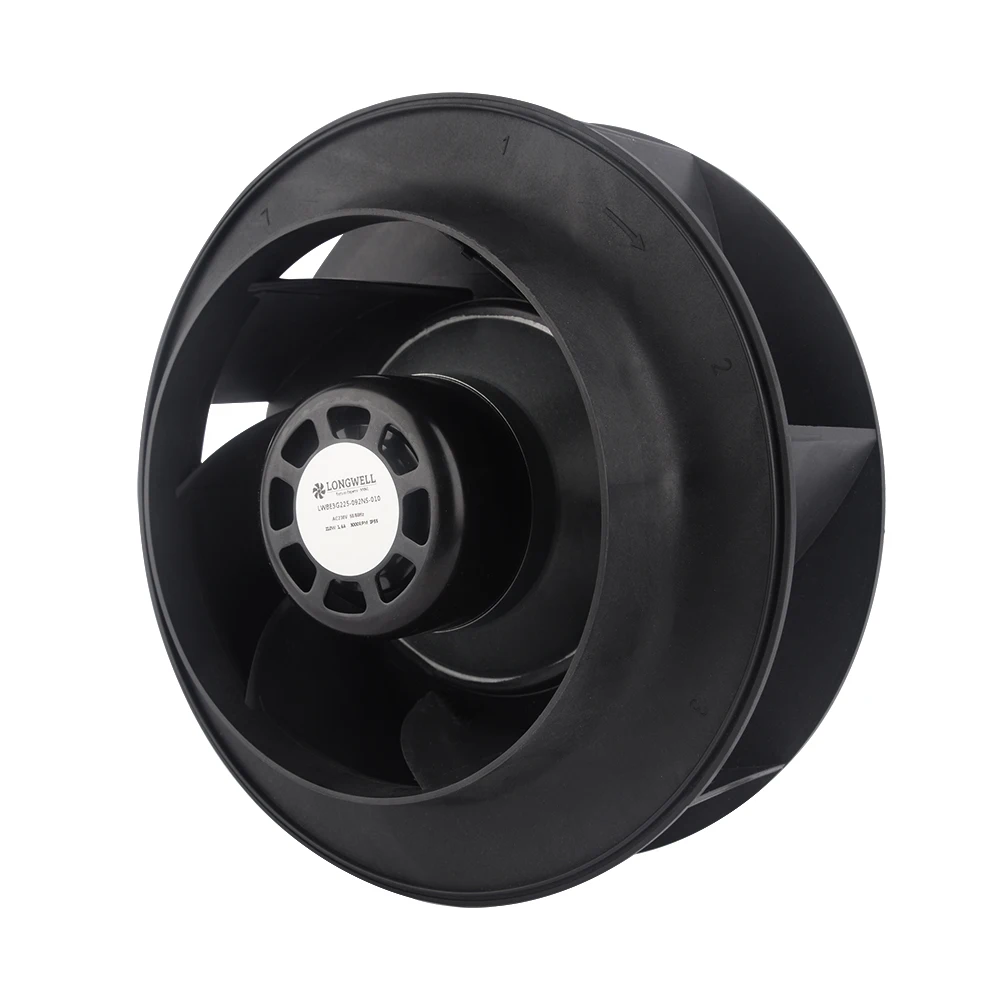
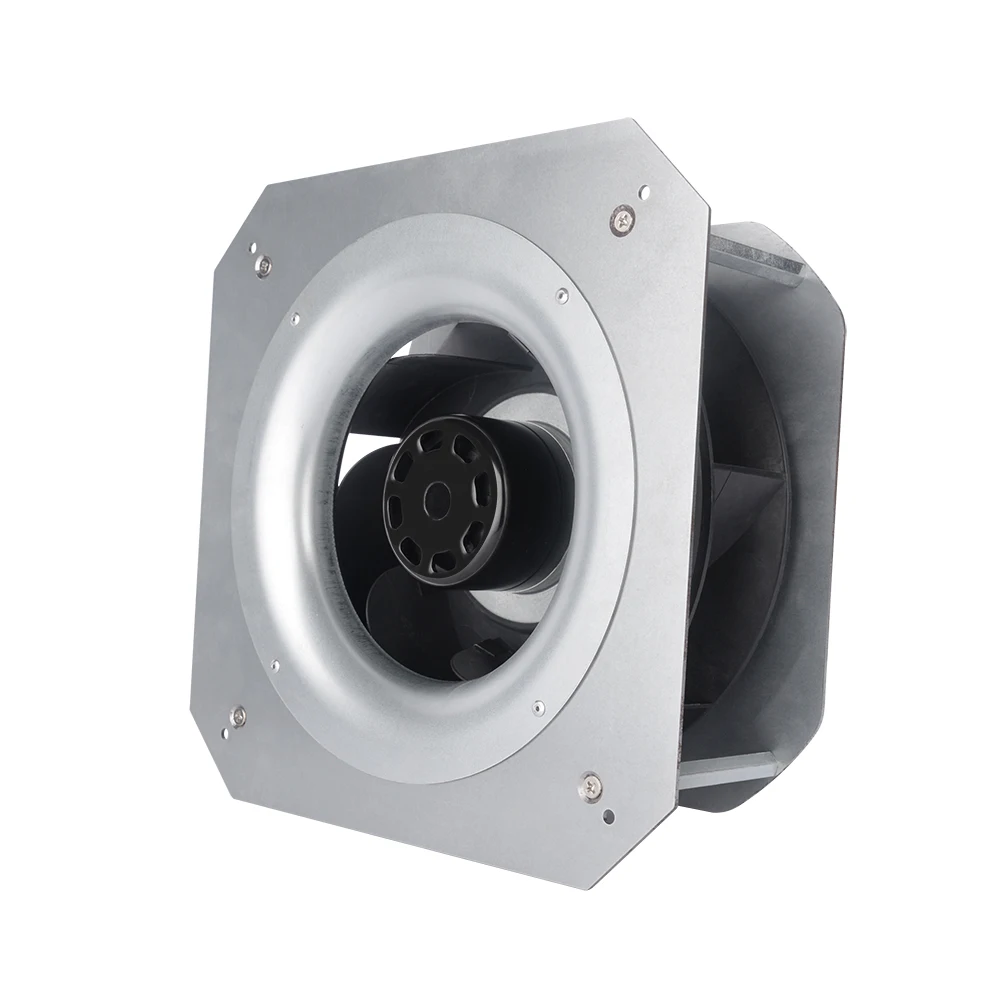
Centrifugal fans also come in different types:
- Forward Curved Centrifugal Fans: Forward curved centrifugal fans use multiple small blades curved in the direction of rotation. They are designed to deliver high airflow at relatively low rotational speeds.
- Backward Curved Centrifugal Fans: Backward curved centrifugal fans feature blades curved opposite the direction of rotation. They are known for their high efficiency, lower energy consumption, and superior static pressure performance.
- Radial Centrifugal Fans: Radial centrifugal fans use straight radial blades extending outward from the impeller. They are designed for heavy-duty industrial applications that involve dust, particles, or harsh operating conditions.
Learn more about centrifugal fans in our blog: What are Centrifugal Fans?
Cross Flow Fans
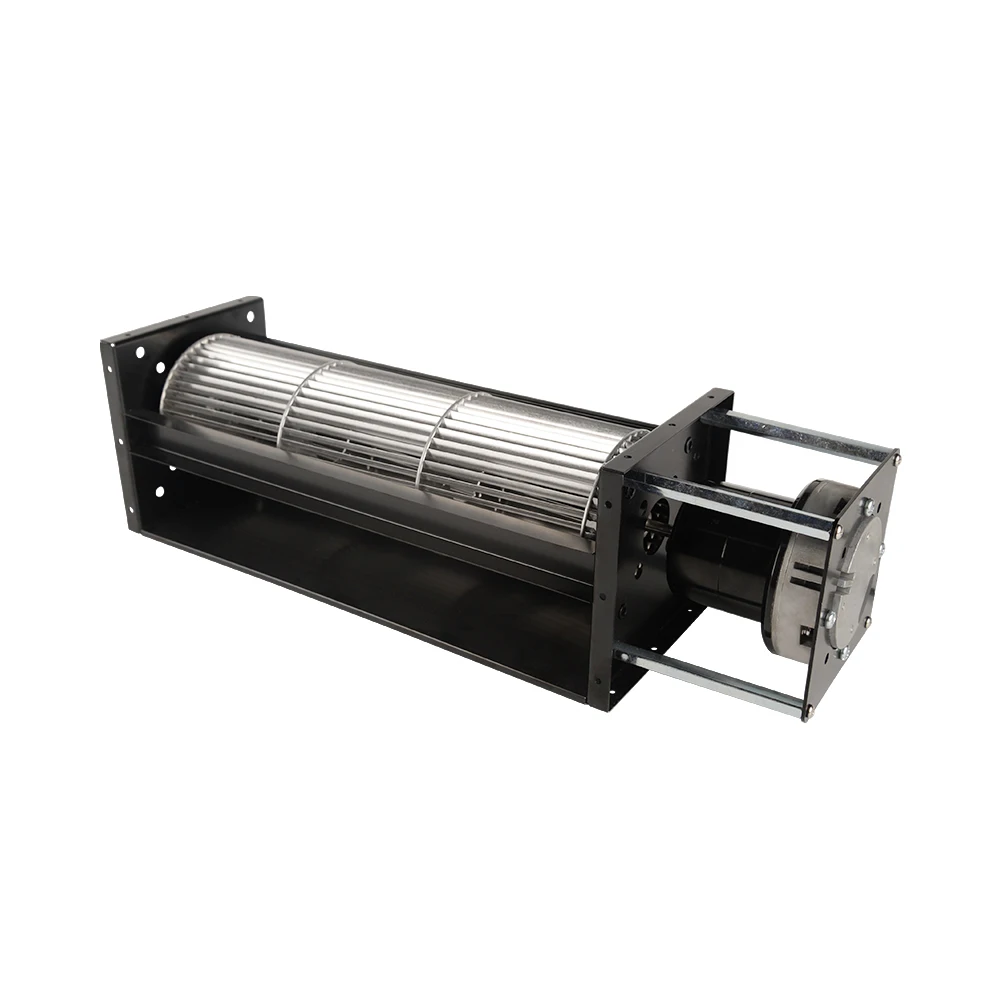
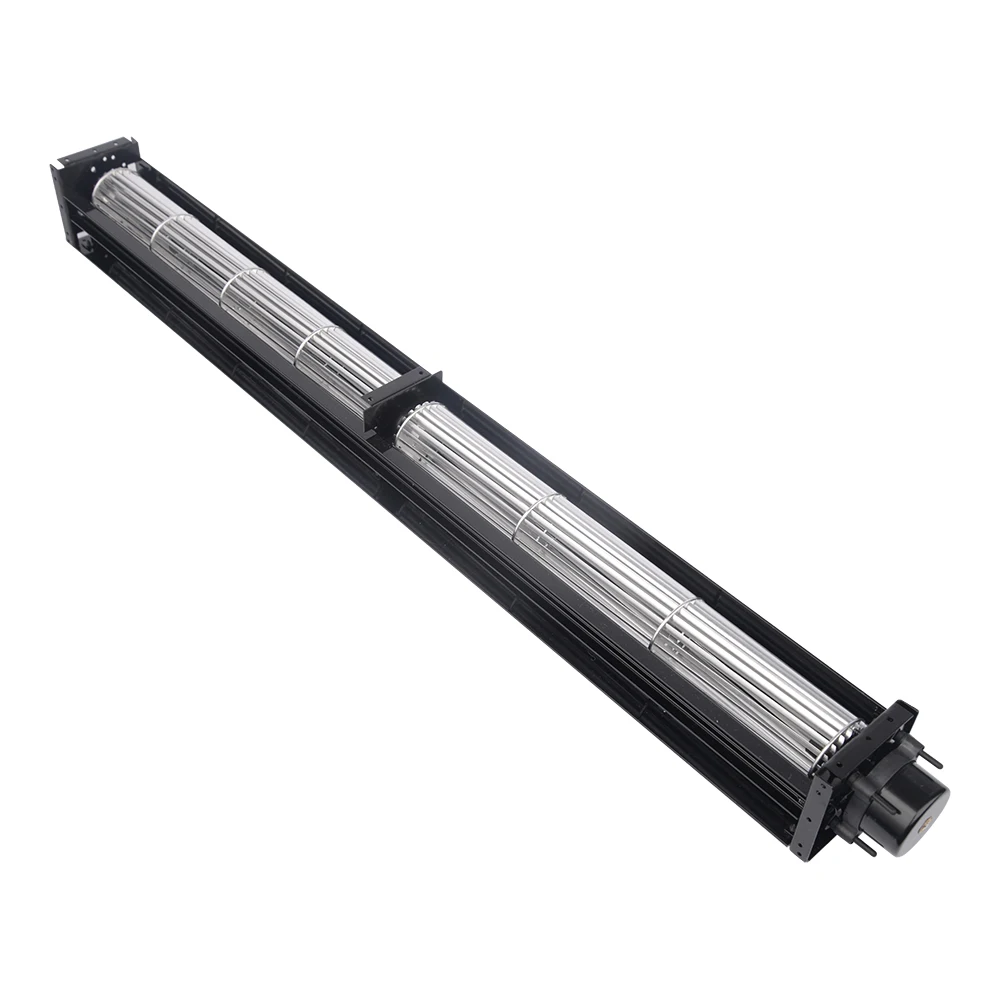
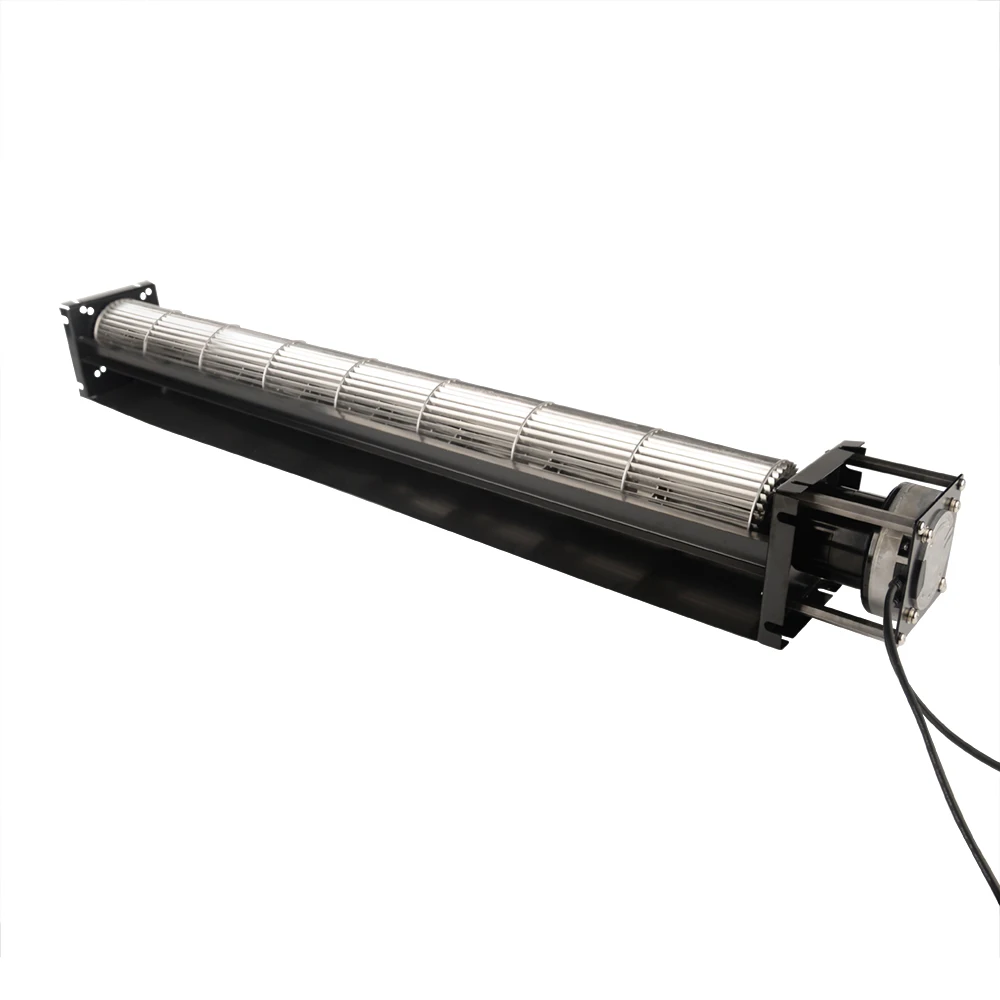
Cross flow fans are designed to allow air flows transversely through the cylindrical impeller. Air enters from one side of the fan and exits perpendicular to the intake direction, creating a wide, smooth, and highly uniform airflow pattern across the entire length of the fan. This unique design creates a broad, uniform laminar airflow across the fan’s entire length, making it ideal for scenarios requiring even air distribution and low noise. They are especially suitable for compact equipment and comfort-focused applications.
Inline Duct Fans
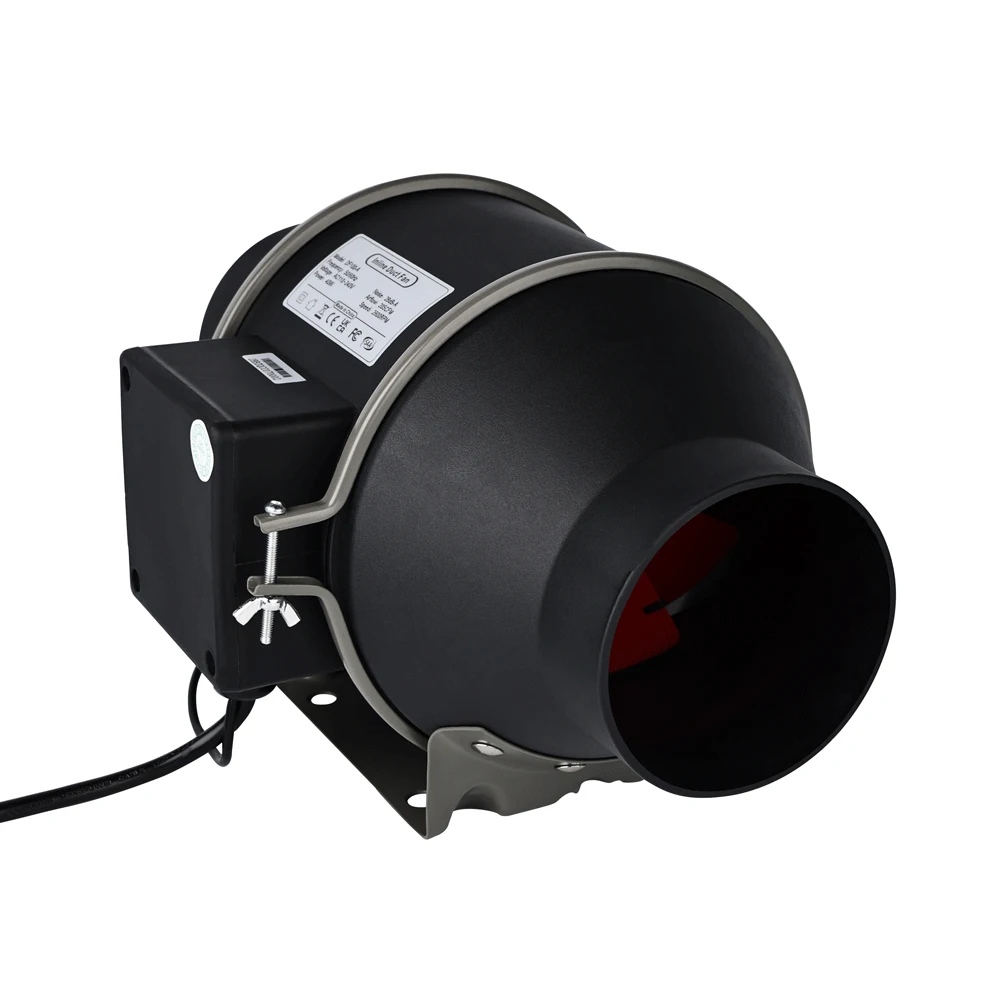
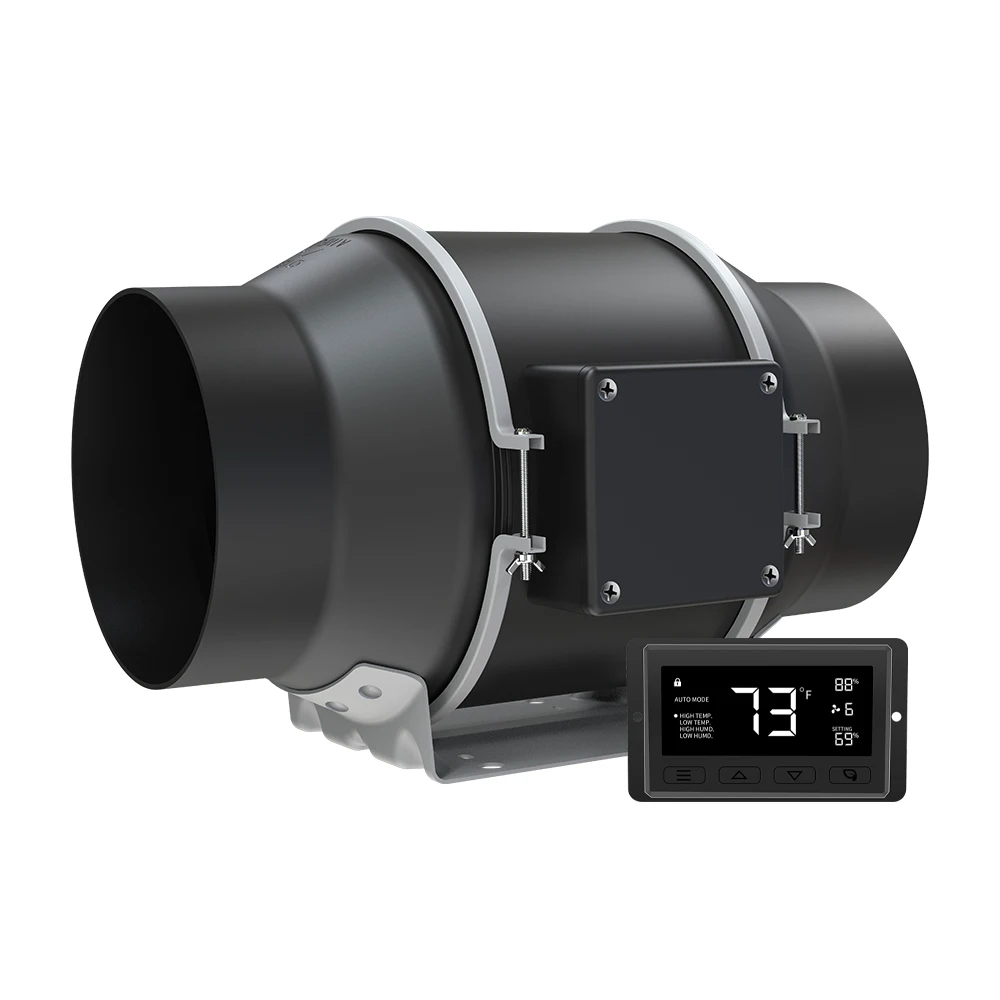
Inline duct fans are ventilation fans installed directly within ductwork to improve airflow efficiency throughout a ventilation or HVAC system. Designed for stable operation under medium to high static pressure conditions, these fans are widely used in applications requiring continuous airflow, long duct runs, and reliable air circulation. Their compact structure and flexible installation capability make them especially suitable for confined spaces and modern ventilation designs.
EC Fans: Best Fan Type for the Future of Ventilation Systems
As global industries continue prioritizing energy efficiency, intelligent control, and sustainable building design, EC fans are rapidly gaining attention across the industrial and commercial market.
EC (Electronically Commutated) fans combine AC power input with brushless DC motor technology through integrated electronic control systems. This advanced motor design delivers significantly higher efficiency, lower energy consumption, quieter operation, and intelligent speed control compared with traditional AC fans.
With tightening global energy regulations and growing demand for smart airflow management, EC fan technology is widely considered the future of ventilation systems.
Key Benefits of EC Fans
- Superior Energy Efficiency: Compared with traditional AC fans, EC fans can reduce energy consumption by 50% or more in many applications.
- Intelligent Variable Speed Control: EC fans support advanced speed control technologies like PWM control, 0 – 10V control, and BMS integration.
- Lower Noise Levels: Because EC fans operate more efficiently and support precise speed regulation, they typically produce less noise and vibration compared with traditional AC fans.
- Longer Operational Lifespan: EC motors generate less heat and operate with lower mechanical stress, helping extend fan lifespan and reduce maintenance requirements.
- Better Compliance with Energy Regulations: As global energy regulations become stricter, EC fans help manufacturers and facility operators meet global compliance like EU ErP requirements and sustainability targets.
Best Fan Types by Applications
| Application | LONGWELL Recommended | Recommended Fan Type |
| Data Centers | LWBE3G190-072NS-16、LWBE3G355-138PT-05 | EC Centrifugal Fans |
| Cleanrooms | LWBE3G190-072NS-16、LWBE3G355-138PT-05 | High-Efficiency Centrifugal Fans |
| Air Handling Units (AHUs) | LWBE3G190-072NS-16、LWBE3G355-138PT-05 | EC Centrifugal Fans / Plug Fans |
| Industrial Ventilation | LWAH Series | Centrifugal Fans & Axial Fans |
| Telecom Cabinets | L-EAX500-W、LWAE3G250SS-7MKW-11 | EC Axial Fans |
| Residential HVAC | RLM Series、LWCE Series | Centrifugal Fans & Axial Fans |
| Kitchen Ventilation | LWDE Series | Inline Duct & Exhaust Fans |
LONGWELL
Find the Right LONGWELL Ventilation Fan
for Your Project
Longwell provides application consultation and custom ventilation fan solutions.
Future Trend of Ventilation Fans
The ventilation industry is evolving rapidly. Here are the key trends that will shape fan technology and specification in the next 5–10 years:
IoT-Enabled Smart Fans
The integration of IoT sensors and cloud connectivity into EC fans is accelerating. Next-generation fans will feature built-in temperature, pressure, and vibration sensors that communicate directly with cloud-based analytics platforms.
Stricter Global Energy Regulations
Beyond ErP 2026, expect progressively tighter efficiency standards in major markets:
- EU ErP 2026+ – Initial 2026 targets are just the beginning
- China GB standards – China’s GB 19761 fan efficiency standards continue to align with international levels
- US DOE regulations — Department of Energy fan efficiency rule updates affect commercial and industrial HVAC
System-Level Integration & Modular Design
The future is moving from individual fan units to integrated fan modules — complete assemblies that combine fans, filters, heat exchangers, and controls into pre-engineered, plug-and-play packages. This approach reduces installation time by up to 70% and ensures optimal system-level efficiency that component-level selection alone cannot achieve.
Sustainable Materials & Circular Economy
Environmental responsibility extends beyond energy efficiency. Leading manufacturers are adopting:
- Recyclable impeller materials — transition from traditional ABS to bio-based and fully recyclable polymers
- Design for disassembly — end-of-life recycling and component reuse become standard practice
- Reduced rare earth dependency — motor designs that minimize or eliminate rare earth magnets
Hybrid Fan Systems: The Next Frontier
The most significant trend for specialized applications is the strategic combination of different EC fan types within a single system. This hybrid approach is gaining traction in cleanroom laminar flow ceilings, laboratory fume hood exhaust systems, and HVAC terminal units requiring both pressure and distribution.
About LONGWELL Ventilation Fans
LONGWELL is not only a specialized EC ventilation fan manufacturer but also a one-stop ventilation solution provider with over 20 years of experience in fan design, engineering, and production.
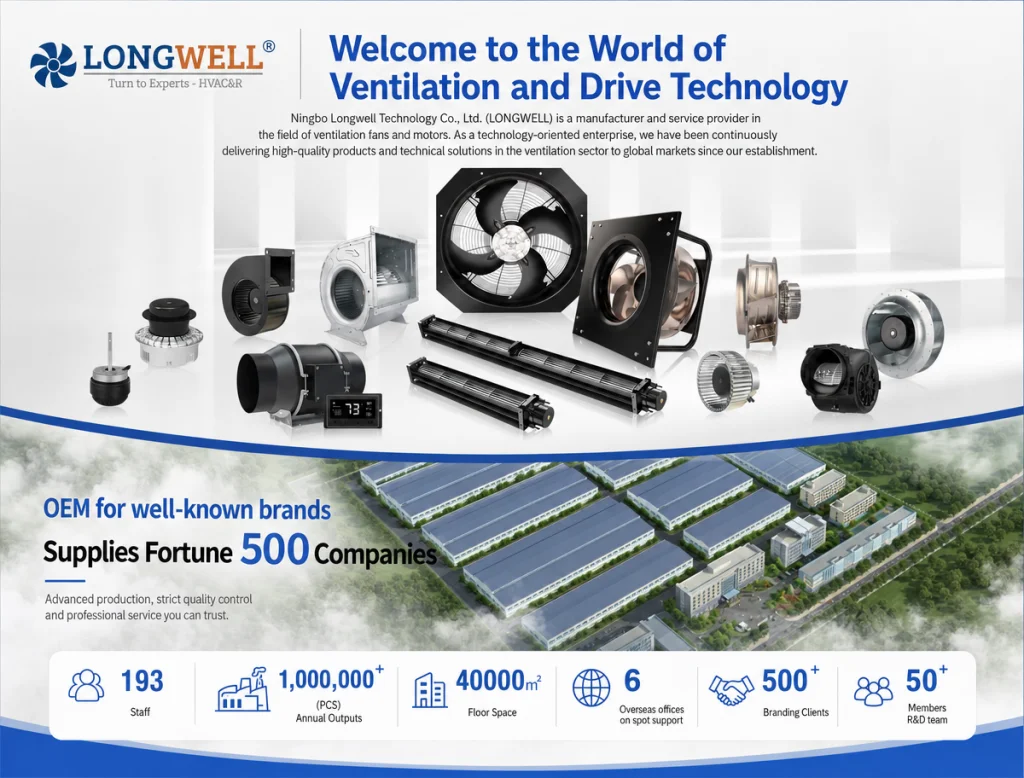
As a trusted one-stop fan solution partner, we serve more than 2,000 customers worldwide across data centers, HVAC and cleanrooms, medical and pharmaceutical, industrial and OEM, telecommunications, and refrigeration industries.
Our comprehensive EC ventilation fan portfolio includes:
- Cross-Flow Fans: Optimized balance of low noise and high airflow, engineered for noise-sensitive environments and long-distance air delivery. Suitable for air conditioning, heaters, air curtains, etc.
- Centrifugal Fans: Available in Backward curved / forward curved, high-pressure, plenum, and more. Suitable for HVAC systems, data center cooling, and industrial ventilation.
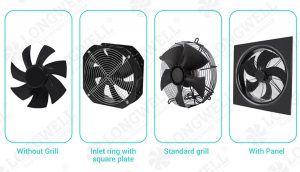
- Axial Fans: Available in metal / aluminum alloy impellers, and customizable choices including dimensions, airflow, and materials. Ideal for large-space ventilation, precision data center cooling, commercial building HVAC.
- EC (Electronically Commutated) Fans: High energy efficiency (50–70% energy reduction vs. traditional motors), precise control (0–10V / PWM), wide voltage adaptability, multiple safety protections.
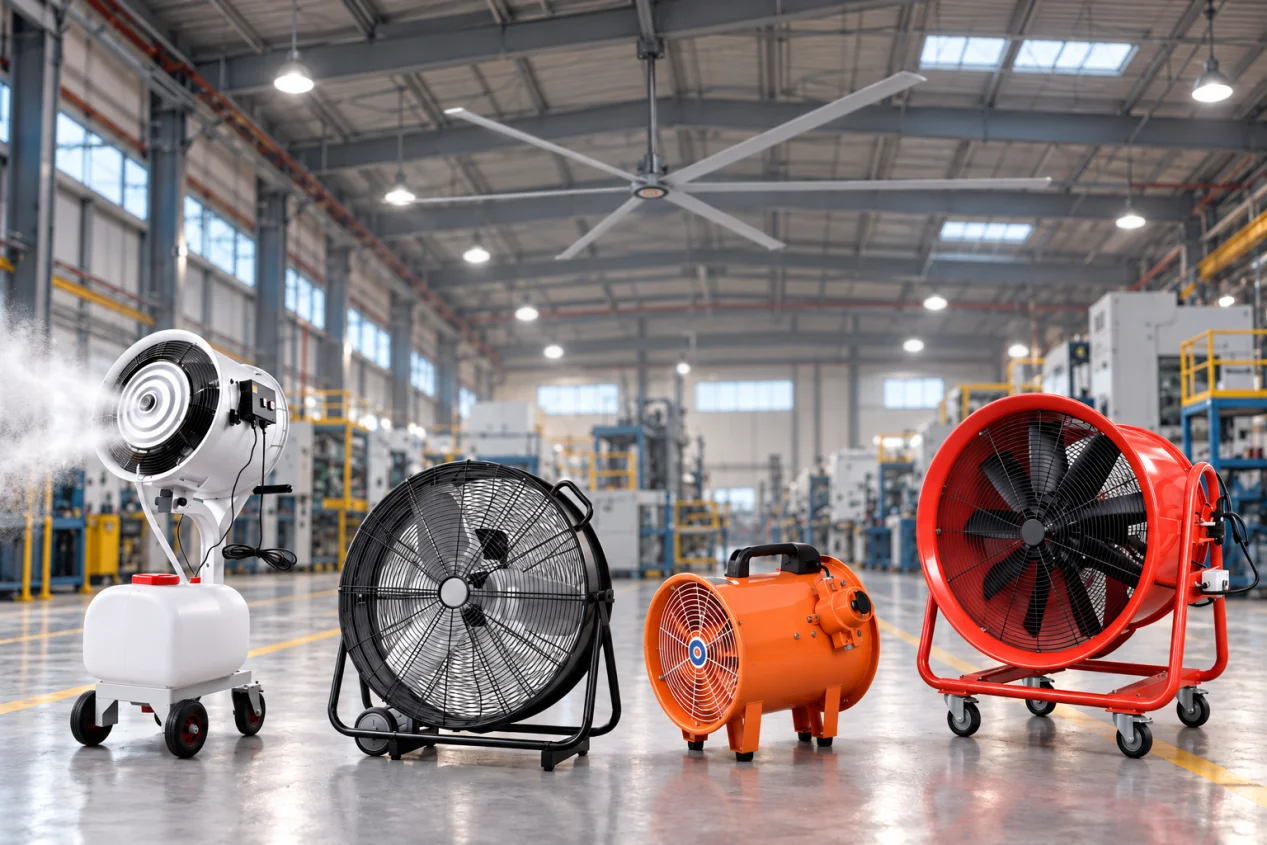
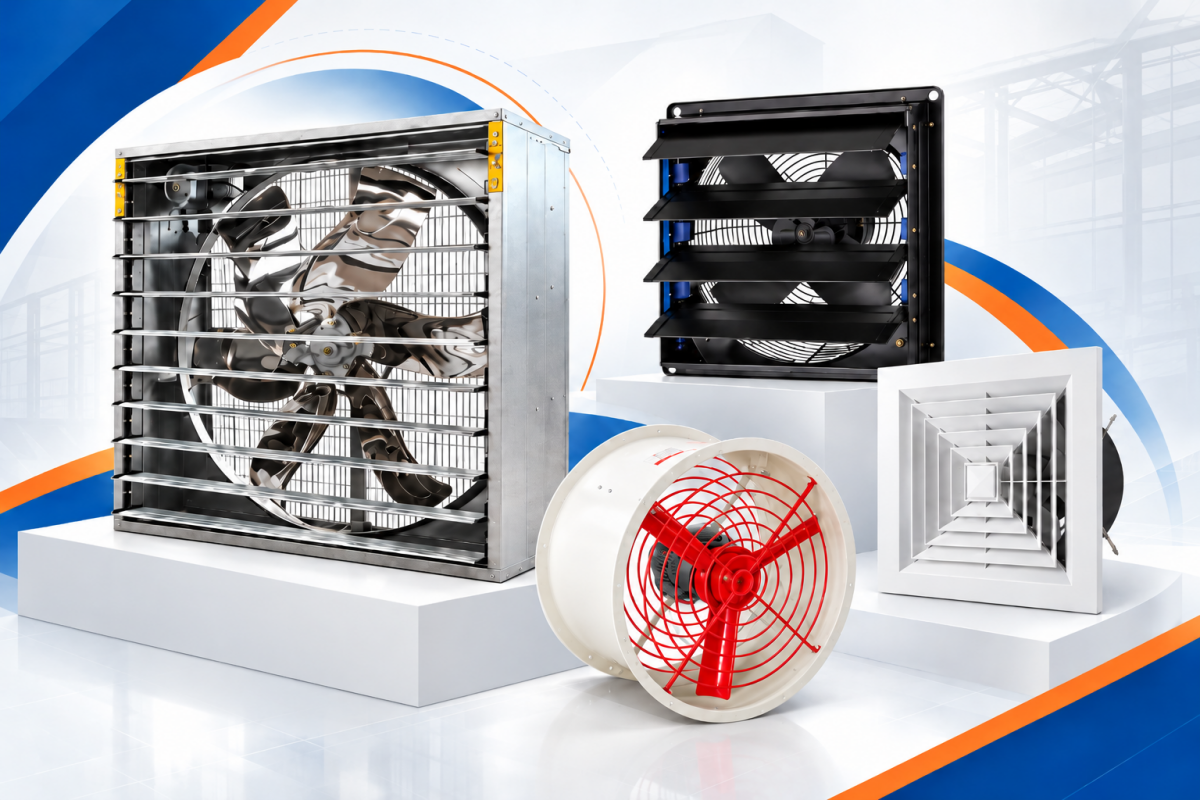
- Other Fan Types: Duct fans, roof fans, industrial fans, etc.
Ready to upgrade your ventilation system with EC technology? Contact LONGWELL today for a consultation.