Various types of motors are used in commercial or industrial fans, each offering different levels of efficiency and operating performance. But have you ever learned about the key differences between these motor types, and which motor technology best meets the demands of modern ventilation systems? In this article, we’ll discover more about BLDC (Brushless DC) motors.
This guide will explain how BLDC motors work, the differences between BLDC motors, traditional DC motors, and EC motors, and why BLDC technology has become a preferred solution for energy-efficient ventilation and smart airflow management applications.
What is BLDC Motor?
Electric motors generally fall into two families: AC and DC. AC motors operates on alternating current and can be split into induction and synchronous types. DC motors can also be classified into brushed, brushless, and stepper varieties.
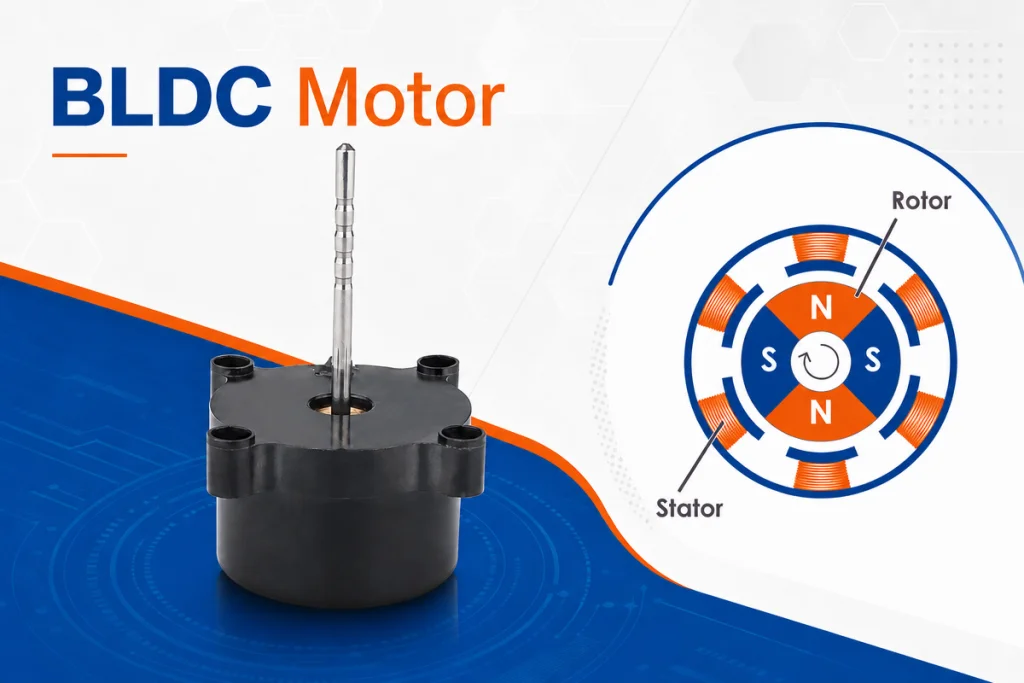
The BLDC motor is an advanced type of DC motor that replaces mechanical brushes with electronic commutation. Permanent magnets sit on the rotor, and an electronic controller switches the current through the stator windings. The payoff of the whole process is higher efficiency, longer service life, quieter operation, and better reliability. BLDC motors typically come in two layouts: internal rotors and external rotors. BLDC technology is widely used in modern applications such as HVAC systems, EC fans, industrial automation, robotics, electric vehicles, and cooling equipment.
BLDC Motor Structure
A typical BLDC motor consists of a stator, rotor, hall sensors, and motor controllers.
- Stator: The stationary part. The stator carries multiple windings wound around a laminated core. The stator functions as the bridge when the current flows through these windings and creates the rotating magnetic field that interacts with the rotor’s permanent magnets.
- Rotor: The rotating part. The rotor holds the permanent magnets ( typically rare-earth types such as NdFeB) arranged in a specific pole pattern. This constant magnetic field locks onto the stator’s rotating field and produces torque. It is available in inner rotor and outer rotor designs.
- Hall Sensor: Hall sensors are designed to detect the position of the rotor and send the information to the BLDC controller.
- Motor Controller: The electronic controller is the key component of BLDC motors that differs from traditional DC motors. It replaces the mechanical brushes and commutator by controlling the current direction. Using feedback from the Hall sensors, the controller determines rotor position and adjusts the energizing sequence accordingly.
The design and layout of these components can determine the BLDC motor’s performance.
How Does a BLDC Motor Work?
The BLDC motor (Brushless DC Motor) works by using electronic commutation to create a rotating magnetic field that drives the permanent magnet rotor. BLDC Motors use the electronic controller to precisely control the current flowing through the stator windings. Here is the sequence:
- DC supply enters the motor controller.
- The controller converts the DC input into three-phase current and energizes the stator windings in a precise sequence.
- Each energized winding pair generates a magnetic pole that attracts or repels the rotor’s permanent magnets.
- As the controller switches from one phase to the next, the rorating field pulls the rotor forward to maintain smooth and continuous rotation.
- In modern BLDC motors, Hall sensors or sensorless algorithms will monitor rotor position, speed, and operating conditions in real time to feed corrections back to the controller.
BLDC vs EC Motor
The short answer is that EC motor is simply permanent magnetic brushless DC (BLDC) motors. Both of them describe a permanent-magnet synchronous motor that uses an electronic controller to switch current through the stator windings instead of mechanical brushes. People use these terms separately to avoid confusion for those who are familiar with AC motors.
One thing worth noting: not every BLDC motor qualifies as an “EC motor” in the European sense.
BLDC Motor vs Brushed DC Motor
Brushed DC motors have been around for over a century. The core difference between BLDC and brushed DC motors is they way they commutate. In a brushed motor, carbon brushes press against a segmented copper commutator on the rotor shaft. As the rotor spins, the brushes physically slide from one commutator segment to the next, switching current direction mechanically. This creates friction. It creates sparks. It wears down the brushes until they need replacement. A BLDC motor deletes all of that. The rotor carries permanent magnets. The stator windings are stationary. An electronic controller senses rotor position and switches current via solid-state transistors — no contact, no friction, no wear. The only moving contact points are the bearings.
| Dimension | Brushed DC Motor | BLDC Motor |
| Commutation | Mechanical — brushes + commutator | Electronic — solid-state controller |
| Efficiency | 75–80% typical | 85–93% typical |
| Service Life | 2,000–5,000 hours (brush replacement needed) | 30,000–50,000+ hours (bearing-limited) |
| Noise | Brush friction + arcing noise | Significantly quieter; only bearing + aerodynamic noise |
| Speed Range | Limited at high RPM due to brush bounce | Wide range; precise control from near-zero to max RPM |
| Initial Cost | Relatively low | High |
Advantages of BLDC Motor
High Efficiency
BLDC motors maintain high efficiency across a wide speed range. An AC induction motor’s efficiency drops sharply below 60% of rated speed — a BLDC holds above 85% efficiency from 20% to 100% of its range.
Long Lifespan
Traditional brushed motor design can lead to wear and tear. BLDC motors are designed without the brushes, and the only wear components are the bearings. The BLDC motor with quality ball bearings are rated for 40,000–60,000 hours.
High Power Density
The higher power density of the BLDC motor enables it to deliver greater mechanical output power while maintaining a smaller and lighter design compared with traditional motor technologies. BLDC motors with higher power density play a crucial role in electric vehicles, industrial automation and robotics systems.
Stepless Speed Control
Precise, linear speed regulation from near-zero to full RPM. Compatible with PWM, 0–10V analog, and Modbus RTU — no external VFD needed.
Low Noise
Without brush friction or commutator arcing, the only noise sources are bearing hum and airflow. LONGWELL cross-flow BLDC fans operate as low as 19 dB(A) — quieter than a whisper at 1 meter.
Application-Specific Strengths in Modern Ventilation
What actually matters is how those advantages translate into real performance in the applications that keep buildings running. Here’s where BLDC/EC motors earn their place:
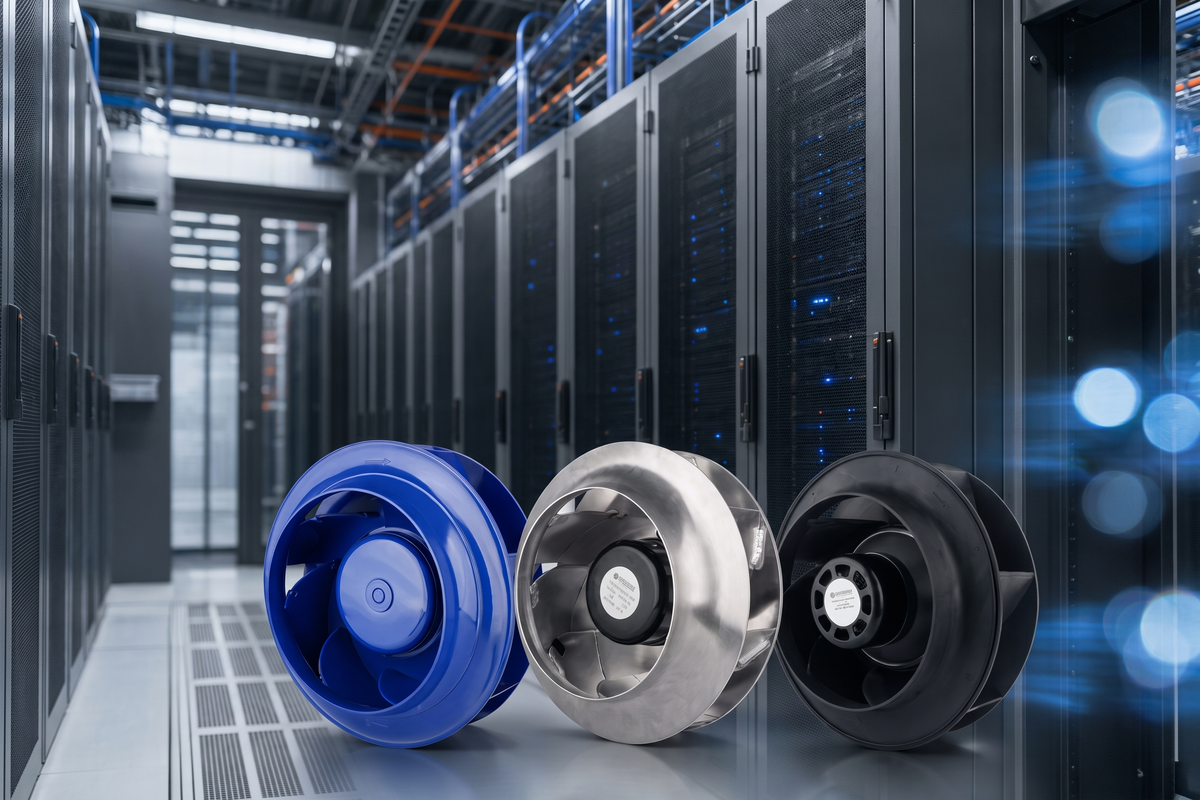
- Data Center Cooling: EC fans in fan-wall configurations can cut cooling energy by 25–35% vs. belt-driven AC fans. The precise speed control lets the BMS match airflow to actual IT load in real time — no more over-cooling empty racks. LONGWELL EC fans in a recent deployment dropped PUE from 1.48 to 1.18.
- AHU Retrofits: Replacing belt-driven blowers with direct-drive EC plug fans is the single highest-ROI energy measure in most commercial buildings. No belts to tension. No pulleys to align.
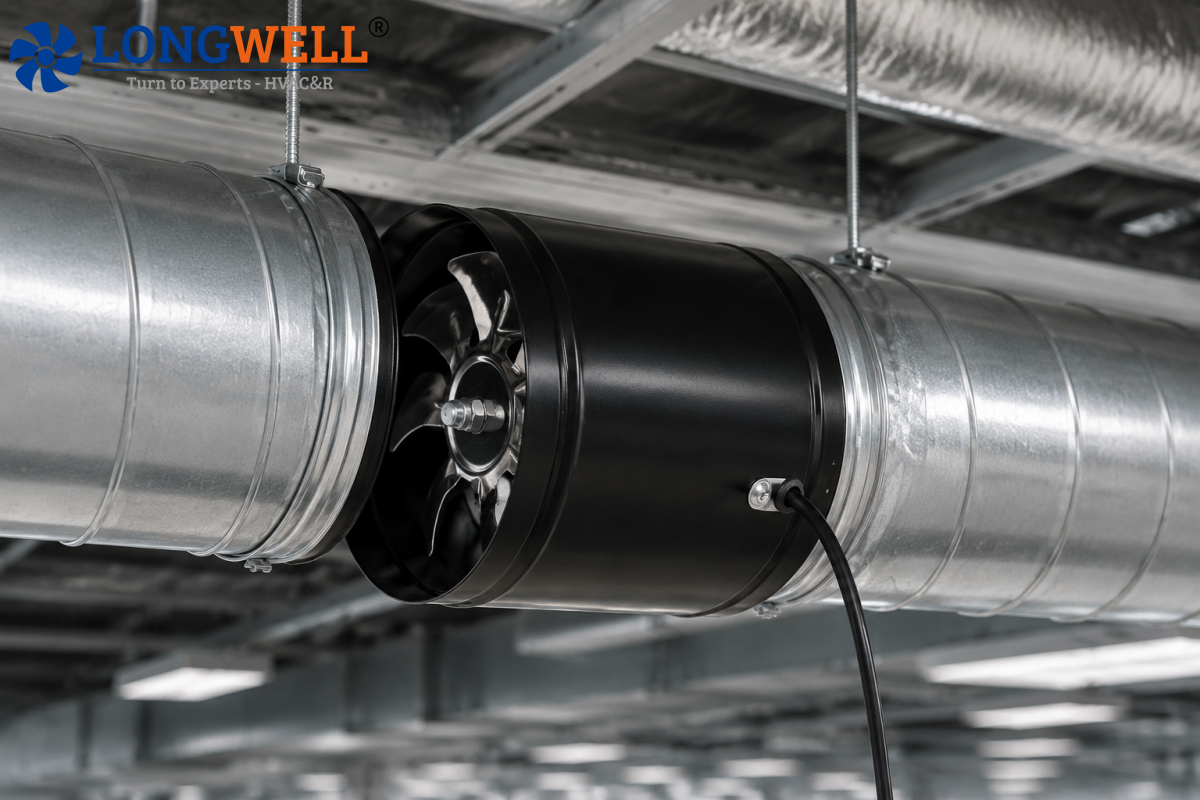
- Residential & Light Commercial Ventilation: Low noise isn’t a nice-to-have in a home or hotel — it’s the product. EC motors in duct fans, ERV/HRV units, and bathroom exhaust fans run quiet enough that users forget they’re on. That’s the whole point.
- Cleanrooms & Pharmaceutical: Zero brush dust. In ISO Class 5 or Class 7 cleanrooms, brushed motor particulate is a contamination risk. BLDC motors generate no carbon dust, making them the default choice for FFU drives and laminar-flow systems.
- Heat Pumps & Condensing Units: Outdoor condenser fans face wide temperature swings (-25°C to +55°C) and dirt. EC motors with IP54–IP55 protection handle both. Variable speed also lets the system optimize condensing pressure — squeezing extra COP out of the refrigeration cycle on cooler days.
- Battery Energy Storage (BESS): Battery containers need constant, reliable cooling. EC fans with Modbus integration let the BMS throttle airflow based on individual rack temperatures. In a container full of lithium cells, a fan failure isn’t a nuisance — it’s a safety event. Reliability isn’t optional.
LONGWELL BLDC Motor
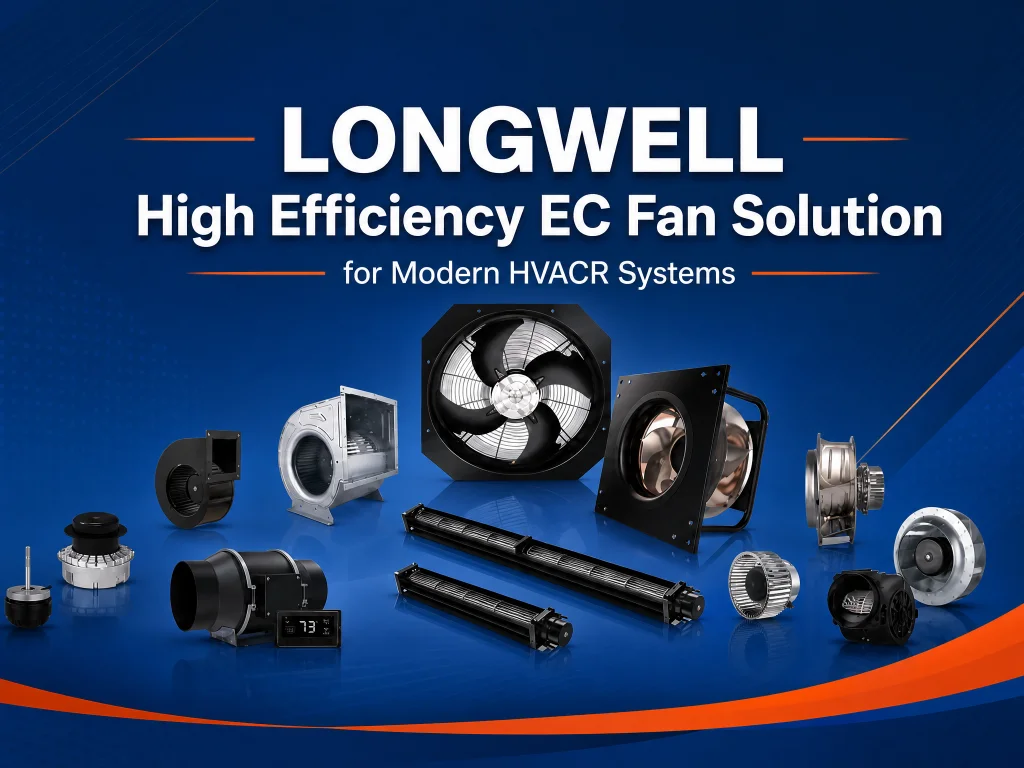
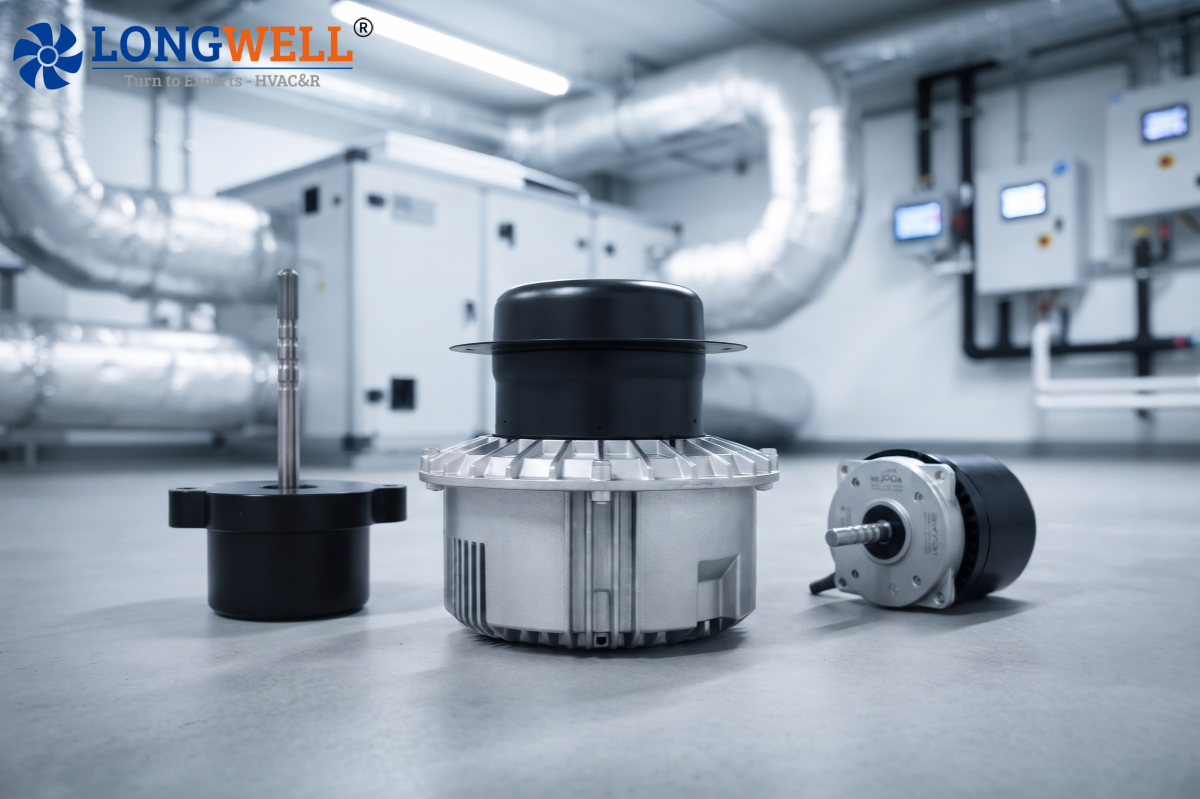
LONGWELL has been making fans and motors since 1990. Today we ship 1,300+ models to over 30 countries. Our BLDC/EC lineup covers external-rotor and internal-rotor designs, from compact 32mm frame sizes to 800mm direct-drive units. Every motor is load-tested before it leaves the factory. LONGWELL LWBE / LWAE Series provide permanent-magnet motors for fans and blowers. Stepless 0–10V/PWM speed control. Backward-curved or forward-curved impeller integration.
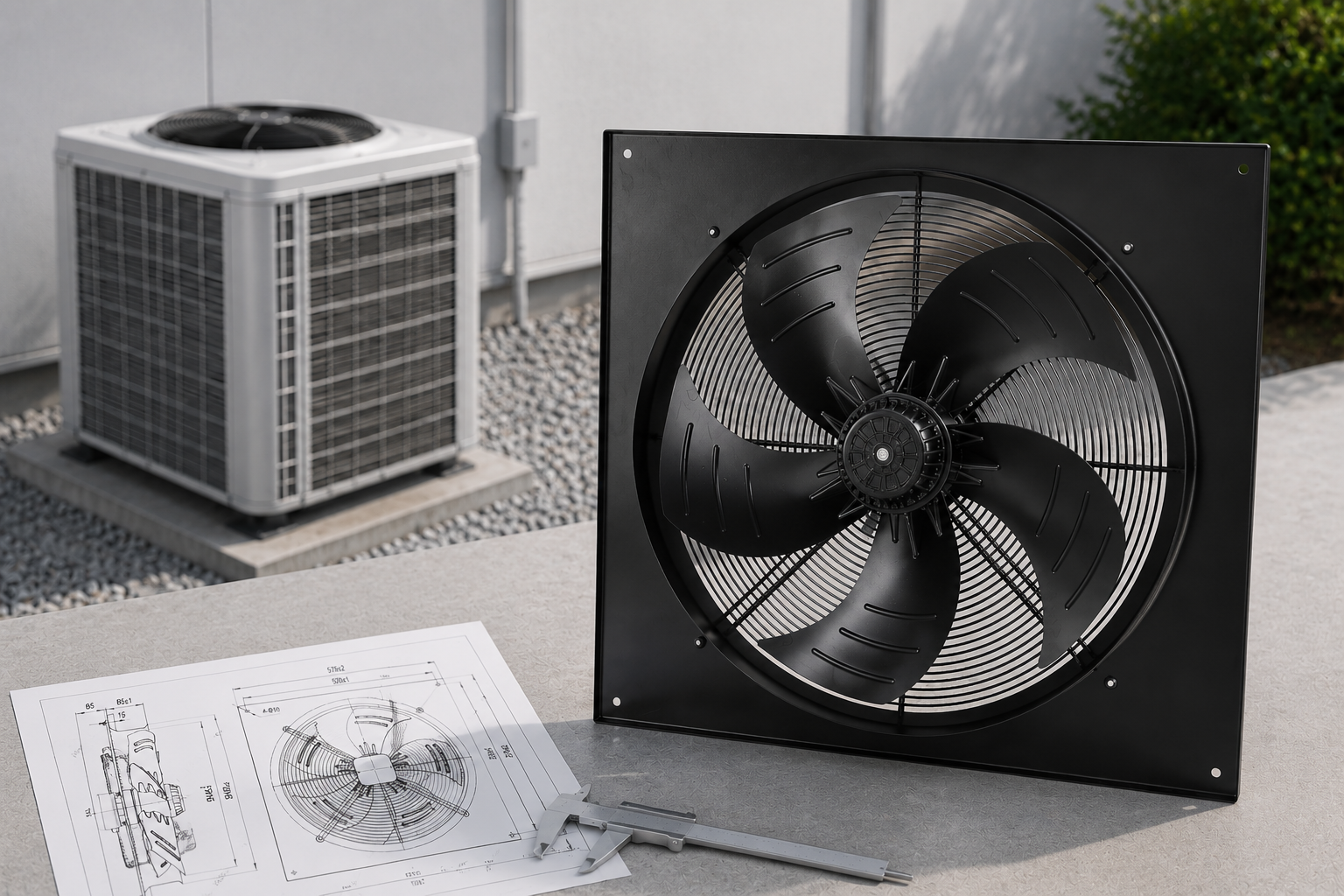
- LWAE3G – Axial EC: Max airflow 32,000 m³/h. Biomimetic blade profile — same airflow at 30% lower tip speed vs. industry baseline. IE4+ efficiency (EC 80–90% vs. AC 65–75%). IP55 standard, IP68 available. L10 bearing life: 60,000h @ 40°C. Built for data centers, heat pumps, refrigeration, and industrial cooling.
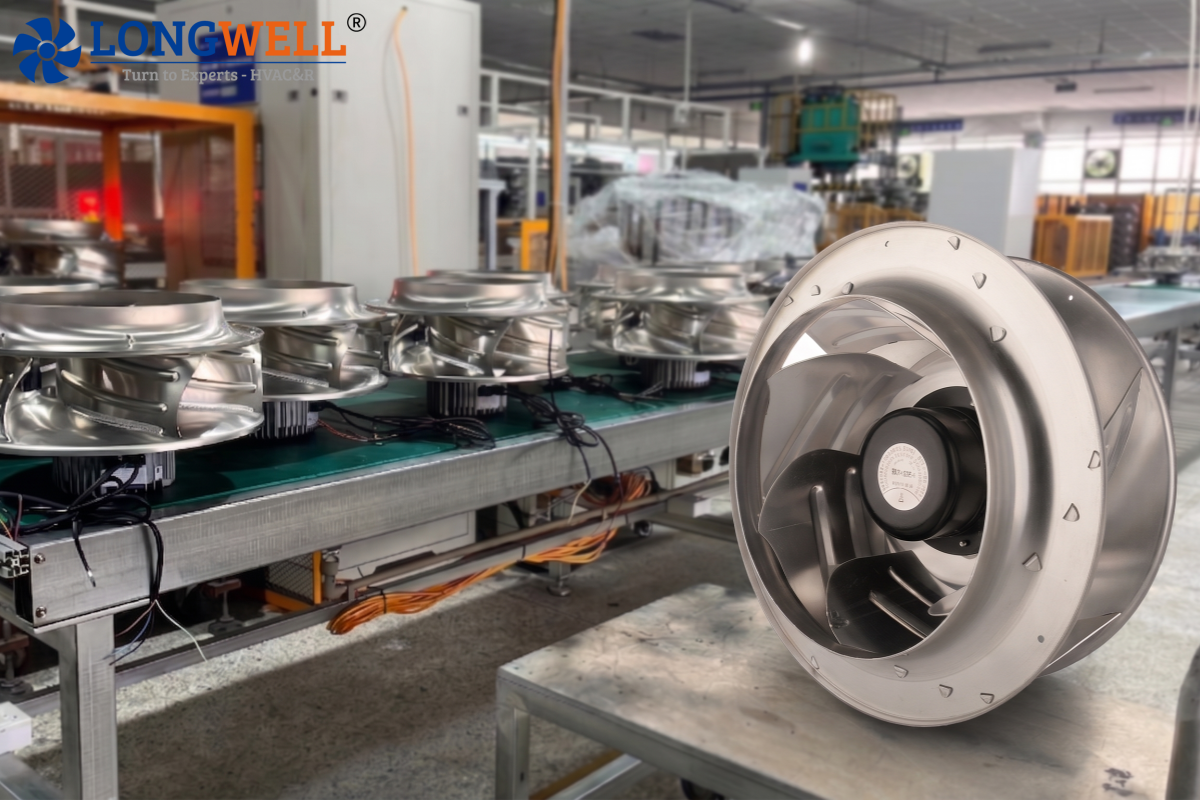
- LWBE3G – Centrifugal EC: Max static pressure 1,800 Pa. Owl-wing biomimetic blade: +5–8 ppt static efficiency (73–82%), -4–6 dB(A) noise. AC/DC/EC triple-platform. Plug FanWall: 35–45% smaller footprint, 5-min swap. 800,000+ units shipped 2023–2025. AHU, RTU, CRAH, industrial dust.
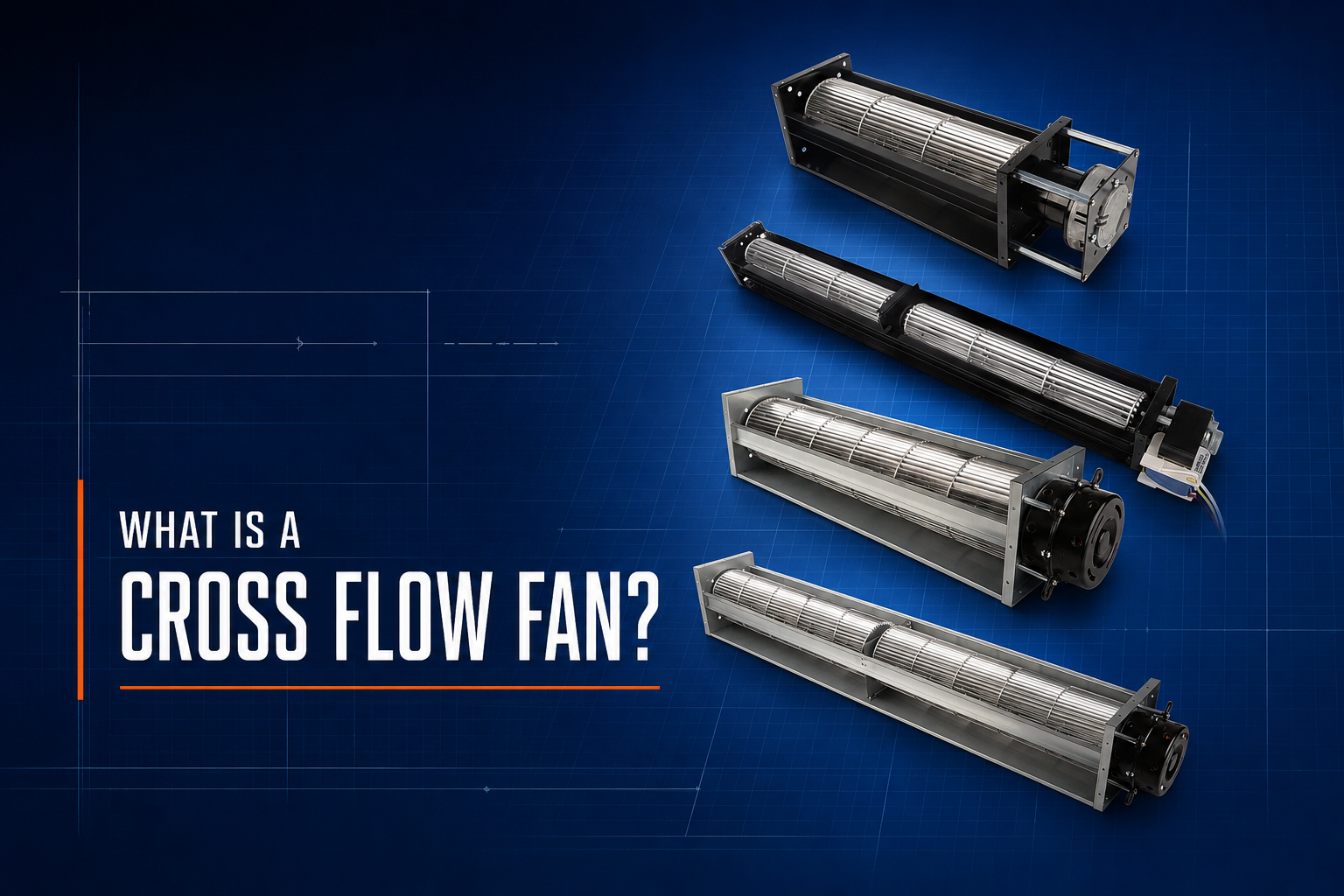
- EC102 092025 & More: High-torque industrial BLDC (092025). Cross-flow BLDC with custom 12-slot stator, noise as low as 19 dB(A). Compact internal-rotor designs for ERVs, air purifiers, gas combustion blowers, and appliance OEM integration.