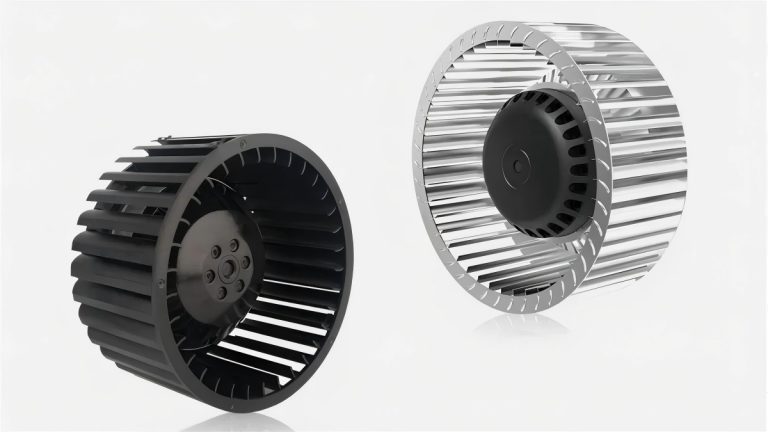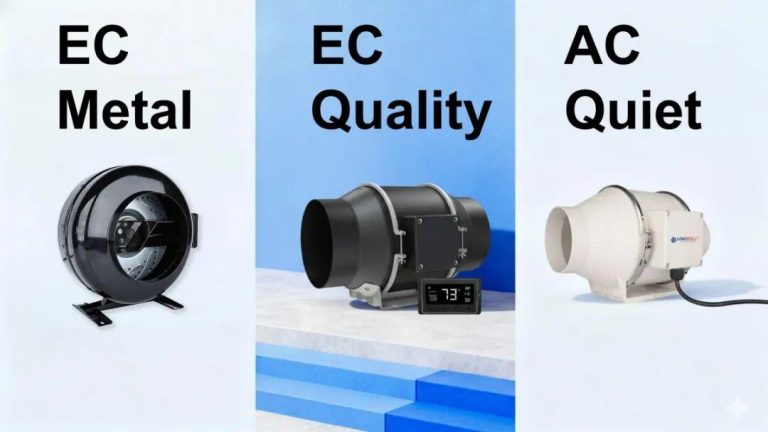
Centrifugal fans serve as the heart of ventilation systems, providing safety and stable air quality. Traditional maintenance practices often refer to reactive repairs. However, proactive maintenance should be considered to optimize the centrifugal fans’ working efficiency.
When the fan breaks down, the actual cost is not only the repair cost but also the loss of downtime. You need to identify these problems before they escalate into downtime issues. A disciplined maintenance schedule avoids the high costs of emergency repairs and keeps your ventilation system running at peak efficiency. This blog provides a comprehensive centrifugal fan maintenance checklist. Additionally, it introduces a set of best practices designed to streamline maintenance routines, optimize system reliability, and extend the functional lifespan of centrifugal fans.
Why Centrifugal Fan Maintenance Matters?
Engineers rely on centrifugal fans to keep other facilities safe and productive. Traditional practices often rely on reactive maintenance. However, regular maintenance of centrifugal fans in the system brings equipment protection and boosts efficiency. Inspection and cleaning can help solve slight issues before becoming major problems, which need higher repair costs. When following a maintenance schedule, you will keep the system running at peak performance.
Annual Maintenance Checklist
Safety Precautions
| Safety Protocols | Description |
| Power Disconnection | Ensure system power is completely disconnected before inspection. |
| Personal Protective Equipment | Wear gloves and safety glasses. |
| Insulated Tools | Use insulated tools to prevent electrical shock. |
| Discharge Procedure | Safely discharge capacitors before touching terminals. |
| Verification | Use a voltmeter to verify discharge. |
| Documentation | Record the completion of each safety step. |
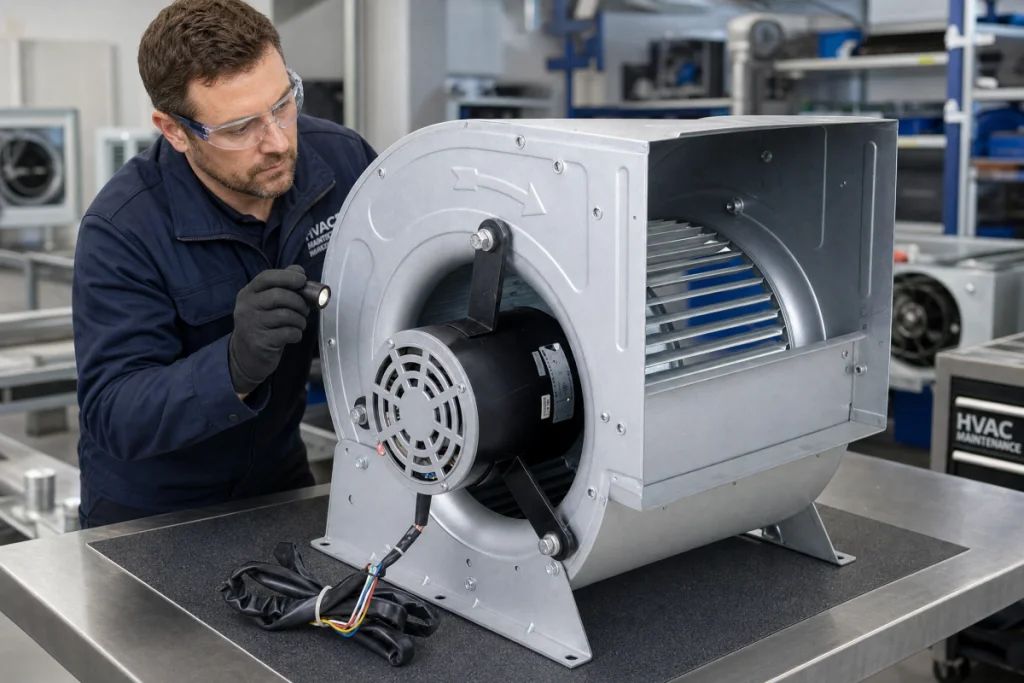
Before beginning any centrifugal fan maintenance, always put safety first. Engineers must disconnect all power sources to the fans. Wearing personal protective equipment such as safety glasses and gloves is crucial. The following table illustrates the safety precautions.
Visual Inspection
The maintenance starts with a thorough visual inspection. This will help you stay away from sudden shutdowns and high repair costs. Looking for early signs of wear or damage on all fan components. Whether generating unusual noises or excessive vibration. The noise may be caused by a bearing or other internal issues. When the vibration problem may point to impeller imbalance or misalignment. The appearance of centrifugal fans should also be taken into account as an inspection routine. Check for cracks or loose fasteners. Inspect the fan’s volute and blades for accumulated dust and debris. These all affect the operation of centrifugal fans.
Cleaning and Debris Removal
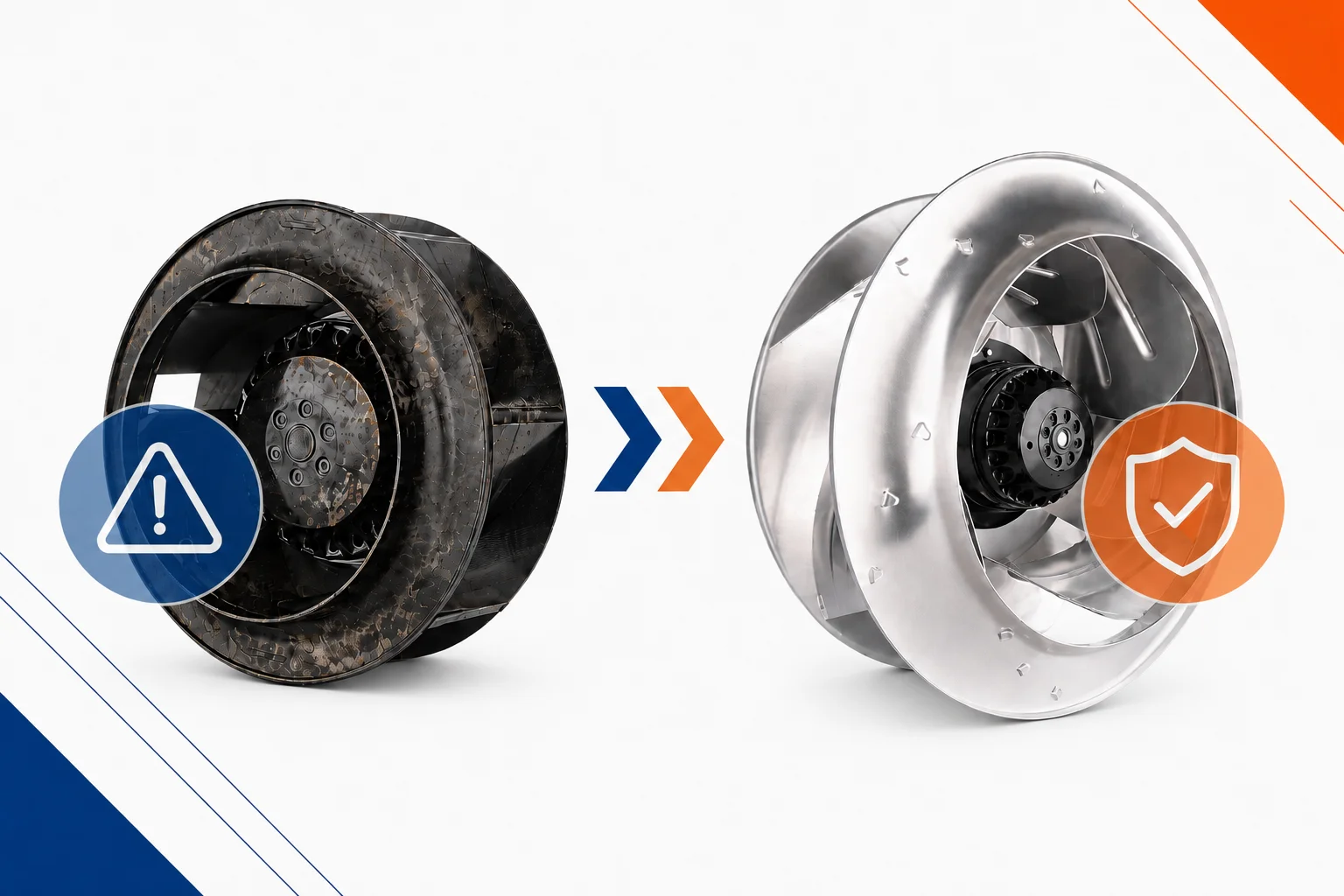
Cleaning centrifugal fans’ components is a key part of preventive maintenance. There may be dust and debris on the fan blades and motor. For delicate components, use a soft brush or vacuum to slightly remove the attachments. When the buildup is stubborn, use a damp cloth with mild cleaner. After cleaning, the motor pressure decreases, which leads to a more efficient centrifugal fan.
Lubrication Components
For bearings that are prone to friction loss, lubrication should be carried out every 3 to 6 months. The lubrication frequency of the impeller and drive shaft can be lower, which is every 6 to 12 months. However, the frequency of lubrication is not fixed; it depends on the working environment of the centrifugal fan. If working in a harsh environment, increase the frequency. At this point, use the lubricant recommended by the manufacturer and suitable for the centrifugal fan to maintain system performance.
Electrical Connections
Check all electrical connections for tightness and corrosion every week or bi-weekly. Good connections help prevent overheating and electrical failures. Regular inspection of electrical connections reduces the risk of unexpected downtime. Preventive maintenance of electrical systems is promoted, which ensures the fan operates safely and efficiently.
Belt Check
For a centrifugal fan that uses a belt to drive, it is easy to shut down when the belt wears or frays. Check for belt tension and wear every month. Excessive stress or uneven tension on belts leads to increased noise and vibration. Proper belt tension and alignment are essential for efficient operation and noise reduction. Adjust as needed to maintain best practices.
Operational Testing
After completing all maintenance steps, perform operational testing. Use vibration analysis to detect faults or wear under load. Compare current data with previous records to spot changes in performance. Operational testing helps you identify hidden issues that may not appear during a visual inspection. This step ensures your centrifugal fan delivers the highest efficiency and reliability.
Maintenance Tips for Centrifugal Fans
Scheduling and Planning
Schedule your annual maintenance early and follow these steps to keep your system running at peak performance. Preventive maintenance is the best way to avoid downtime and costly repairs.
| Actions | Check & Frequency |
| Visual Inspection | Wear-prone components |
| Cleaning and Debris Removal | Remove dirt on blades, housing, and motor |
| Lubrication Components | Bearing: every 3 to 6 months Drive shaft and Impeller: 6 to 12 months |
| Electrical Connections | Every week or bi-week |
| Belt Check | Belt tension and wear: every 1 month |
| Operational Testing | 6 to 1 months |
The table above provides a reference for maintenance frequency. The specific maintenance requirements need to be customized according to the operating environment of the centrifugal fan.
Using Manufacturer Guidelines
The guidelines from the manufacturer often cover installation, cleaning, and replacement of parts. You should always follow manufacturer guidelines for centrifugal fans. These instructions provide warranty and ensure system performance. For instance, you should use a centrifugal fan at the recommended temperature. The extreme temperature will lead to failures.
Avoiding Common Mistakes
Even with a dedicated schedule, small mistakes can lead to significant mechanical failure. Adhering to the following best practices ensures system operation remains at peak efficiency:
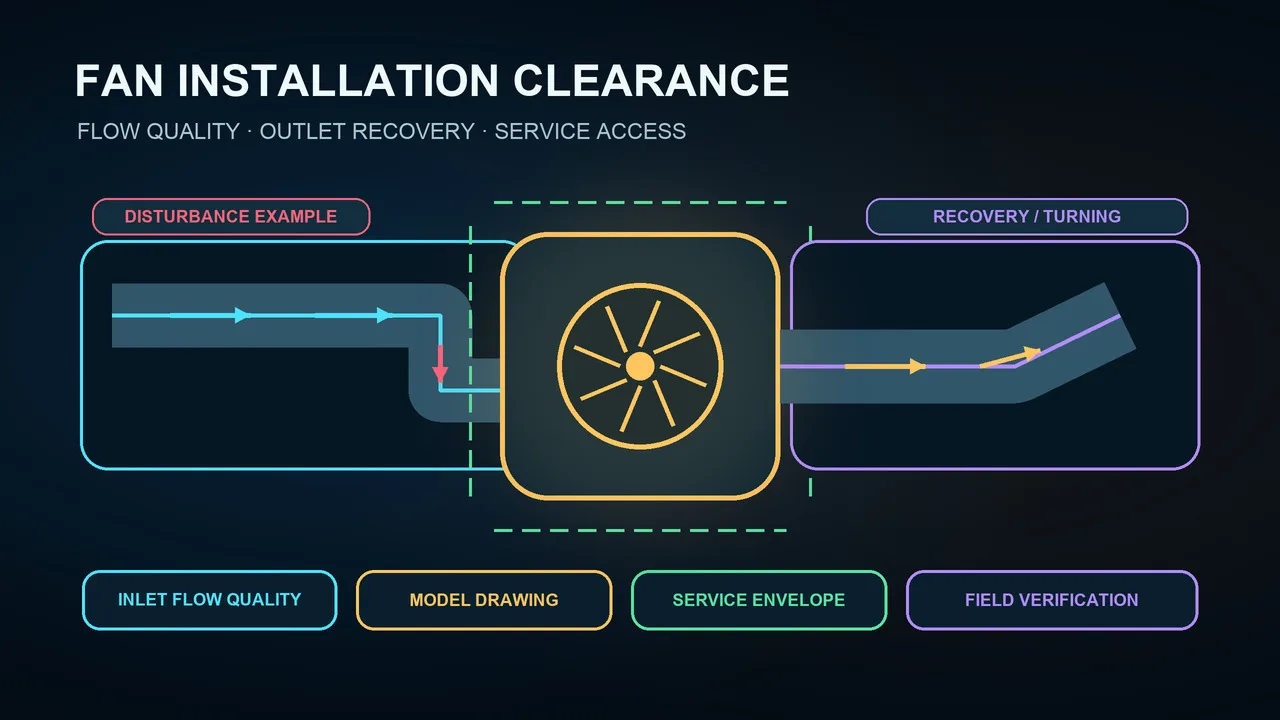
- Poor Inlet Conditions: Poor inlet airflow dramatically reduces aerodynamic efficiency and forces the motor to work harder. It is often because inlet obstructions or improper duct design.
- Over-Lubrication: While under-lubrication causes friction, excessive grease in bearings leads to overheating and premature seal failure.
- Ignoring Mechanical Looseness: Excessive vibration is not always indicative of an imbalance. Loose mounting bolts are frequently overlooked. It will cause rapid material degradation.
- Mismanaging Motor Load: In the system, lower resistance is not necessarily better. When a system operates with less resistance than its design specifications, motor overload can occur.
When to Call a Professional?
Some problems need expert help. Call a professional when:
- Sudden shutdowns
- Repeated electrical failures
- Remaining overheat after cleaning and lubrication
- Impeller, motor or control electronics damage
LONGWELL’s engineering team can help you with advanced service. Professional service ensures your equipment meets high standards and avoids unplanned downtime.
LONGWELL Centrifugal Fans in Action
LONGWELL Commercial HVAC Case
A major Class-A office building spanning 120,000 m² previously relied on a ventilation system comprising 48 belt-driven AC centrifugal fans. The fan system accounts for 35% of the total building energy consumption. The high maintenance demands of a comprehensive system overhaul require 96 hours of downtime annually. Additionally, the high noise level reaches 89 dBA in the mechanical room, leading to frequent occupant complaints.
LONGWELL installed 48 backward-curved centrifugal fans in order to overcome these difficulties. For intelligent control, these centrifugal fans incorporate BACnet MS/TP protocols that can be directly connected to the BMS. These backward-curved centrifugal fans are also synchronized with CO₂, temperature, and humidity sensors.
The facility successfully switched from an inefficient operation to a high-performance system after the modification. The maintenance expenses and lost downtime associated with routine belt replacement were avoided after the belt drive arrangement was removed. Furthermore, there was a noticeable decline in CO2 concentrations accompanied by a significant reduction in noise levels in the office area and the mechanical room. The transition to direct-drive EC technology effectively eliminated annual breakdown incidents. Both the annual maintenance work hours and related electricity expenses were drastically reduced as a result.

LONGWELL Centrifugal Fans
All LONGWELL products provide a 12-month standard warranty from the customer’s factory receipt date. For EC critical parts, the extended warranty from 18 to 24 months can be negotiated. LONGWELL’s EC motor centrifugal fan can be equipped with multiple intelligent protection mechanisms. This includes: over-temperature protection, over-current protection, locked-rotor protection, phase-loss protection, over-voltage/under-voltage protection. It can automatically respond to abnormal conditions and enhance operational safety. The intelligent PCB system supports the integration of BMS, which is convenient for remote monitoring and centralized control.
LONGWELL centrifugal fans are positioned as a product with low maintenance requirements. The high-quality motor and fan design reduce maintenance frequency, ensuring long-term stable operation. Most commonly used specs are the forward-curved LWFE series and backward-curved LWBE series. The LONGWELL centrifugal fan series features high static pressure and large air volume and is suitable for long-distance air transportation or environments with high resistance. It is applicable to HVAC systems, industrial exhaust, air filtration, and other scenarios.
FAQ
How often should I perform centrifugal fan maintenance?
You should maintain the centrifugal fan every half year or one year. Regular maintenance can prevent breakdowns and keep your centrifugal fans efficient.
What signs show the centrifugal fan needs immediate attention?
If you notice abnormal noise or vibration, you should take action to check the centrifugal fans. Otherwise, the worn parts may cause costly repairs.
Can I clean the centrifugal fan without removing it from the system?
Yes. For maintenance like removing dust and debris, you can clean the centrifugal fans in place using a soft brush.
What should I do if the centrifugal fan fails during operation?
You should stop the system and inspect the issues first. Check for common issues like loose belts or electrical faults. If you cannot fix these problems, contact a professional team for help.